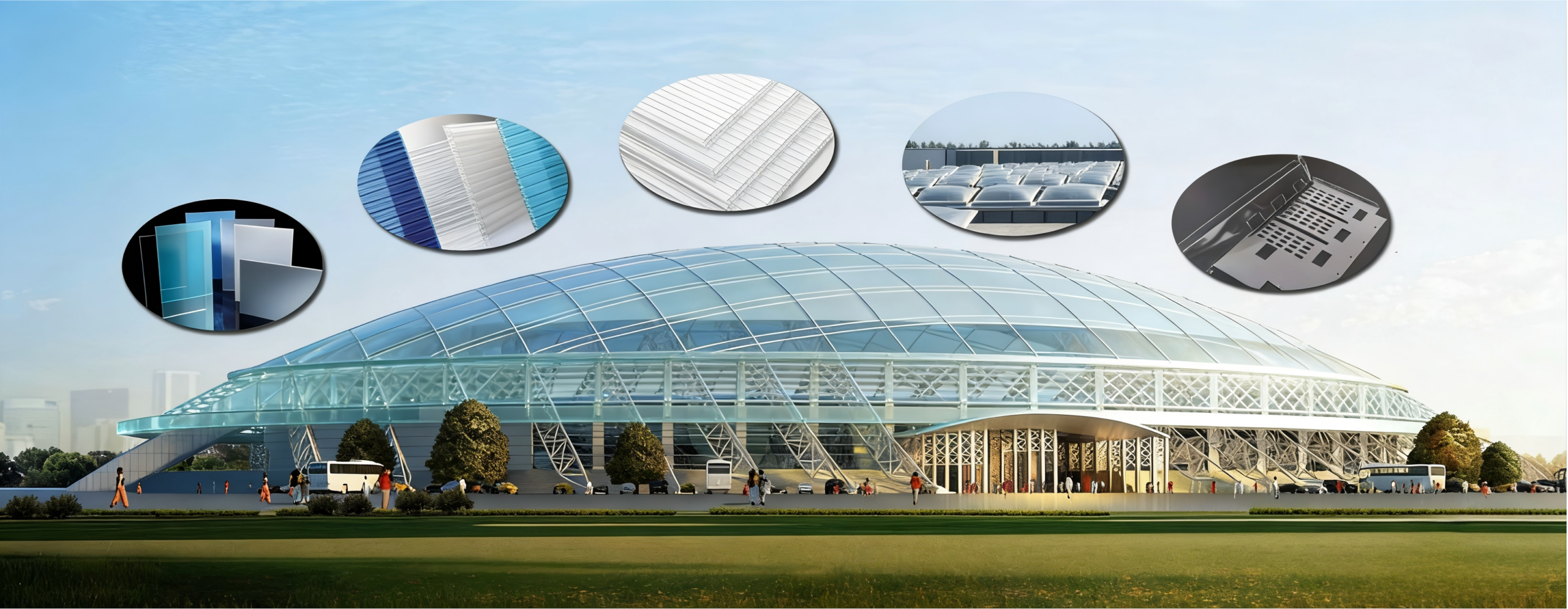
Welcome to the official website of Jietai Boards(www.jtpcsheet.com)
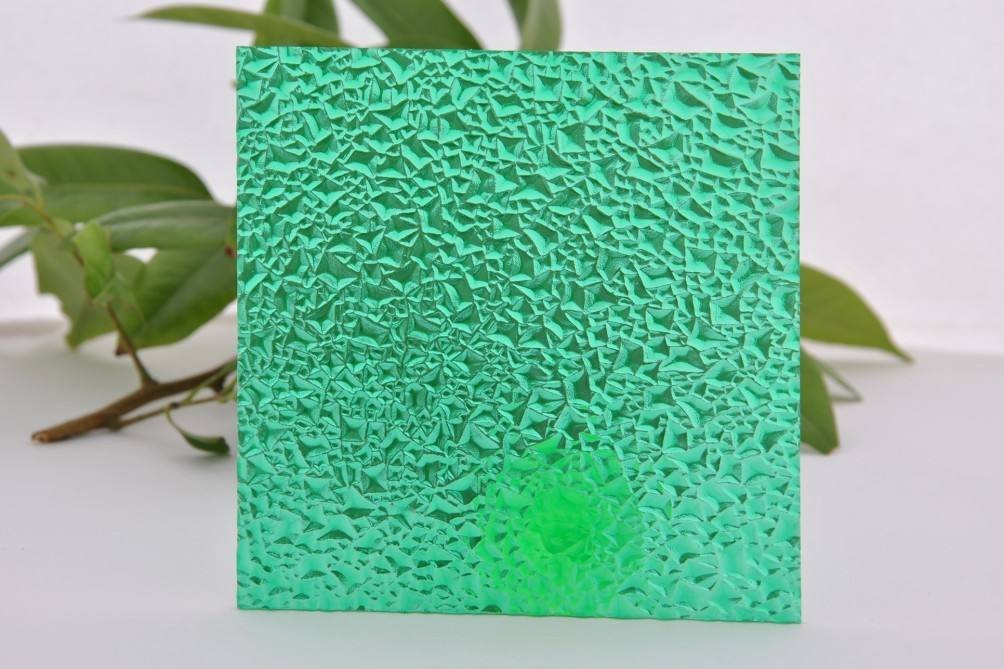
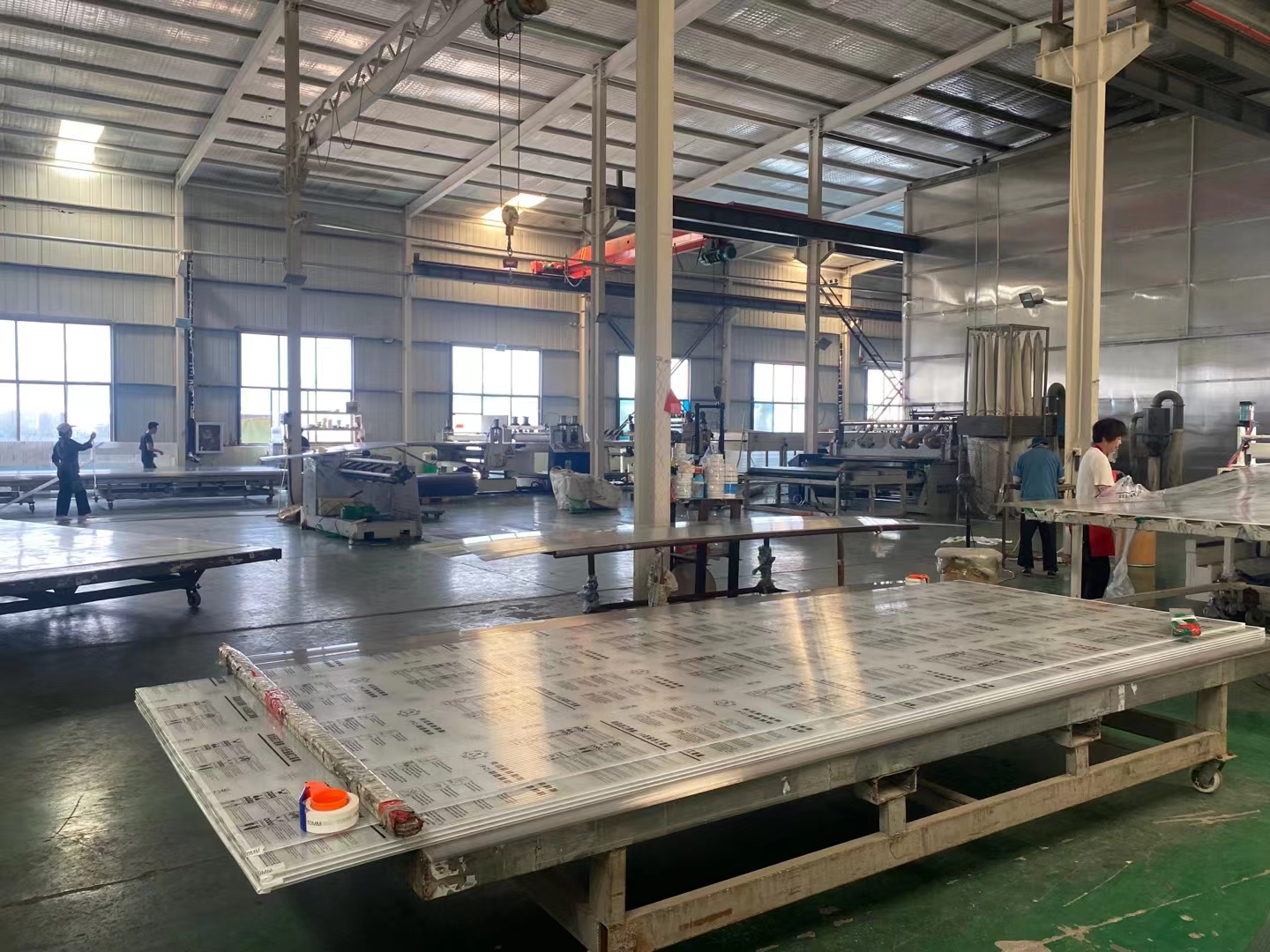
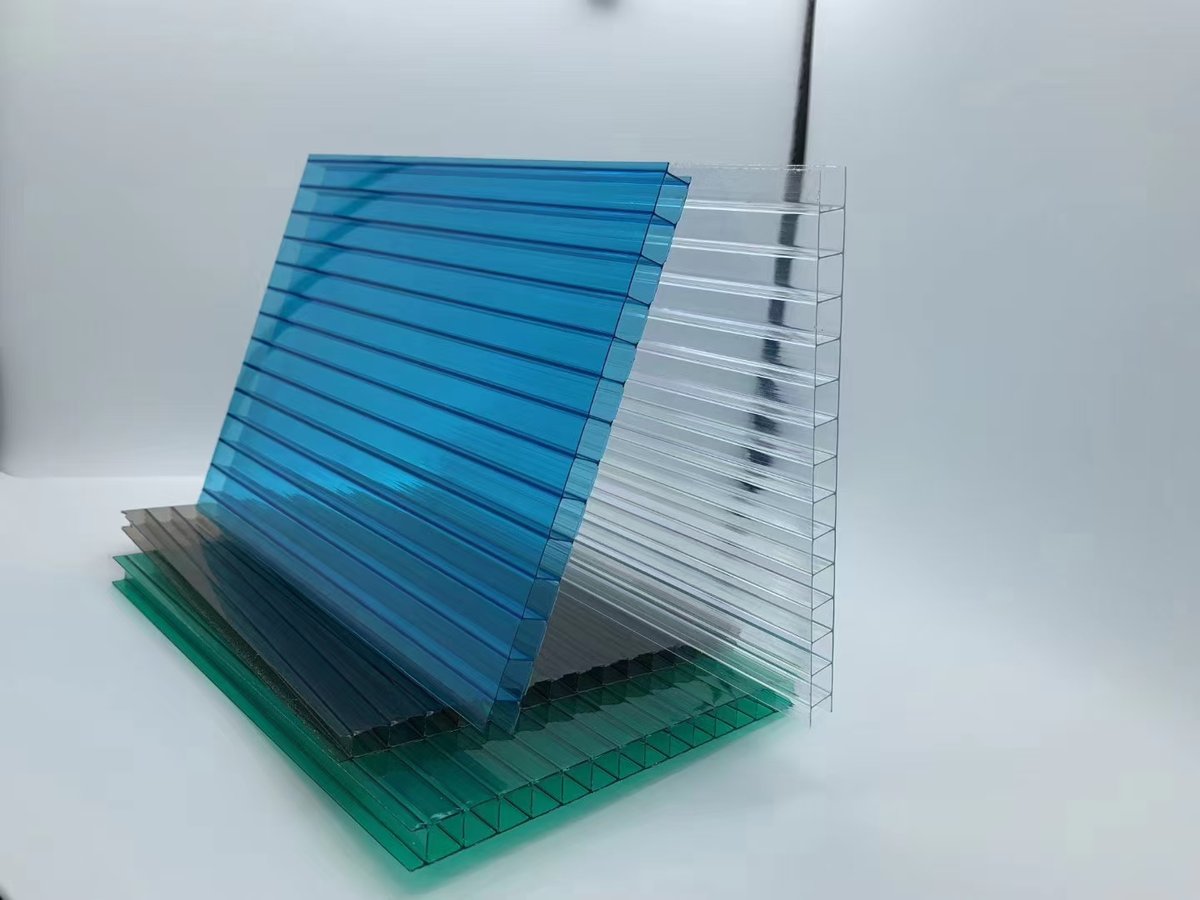
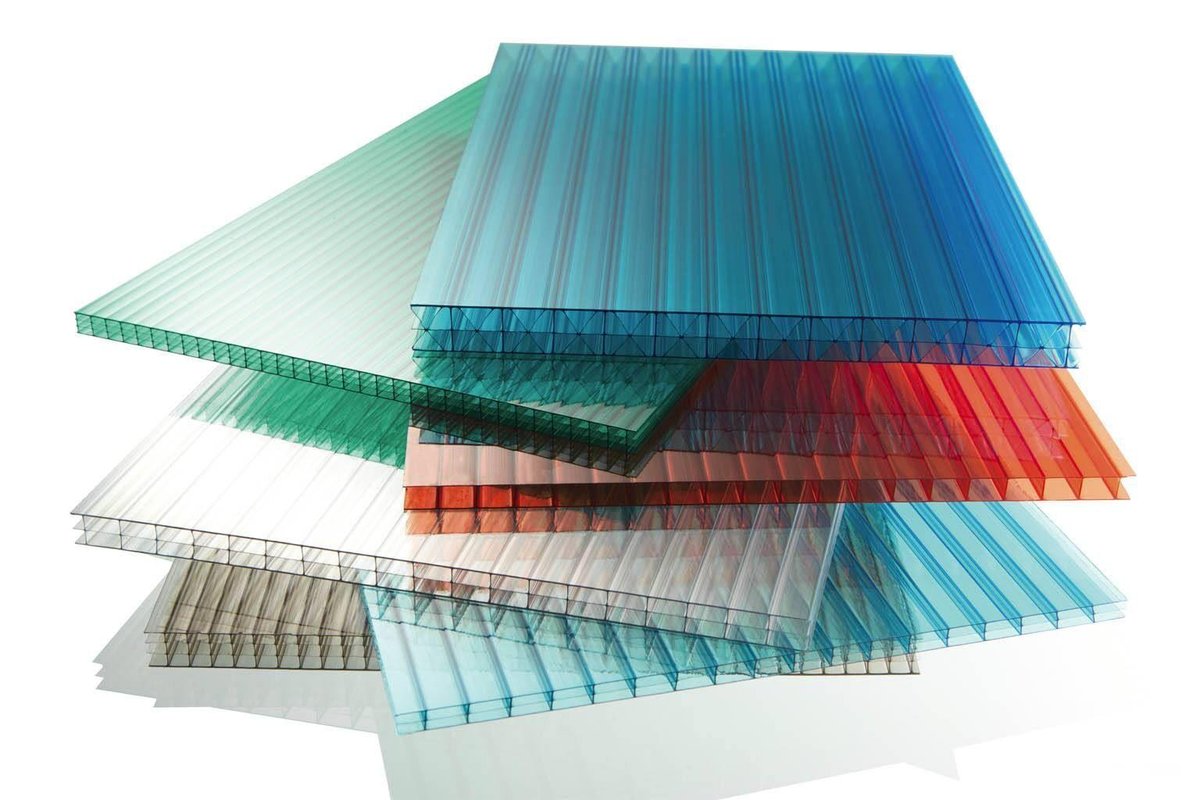
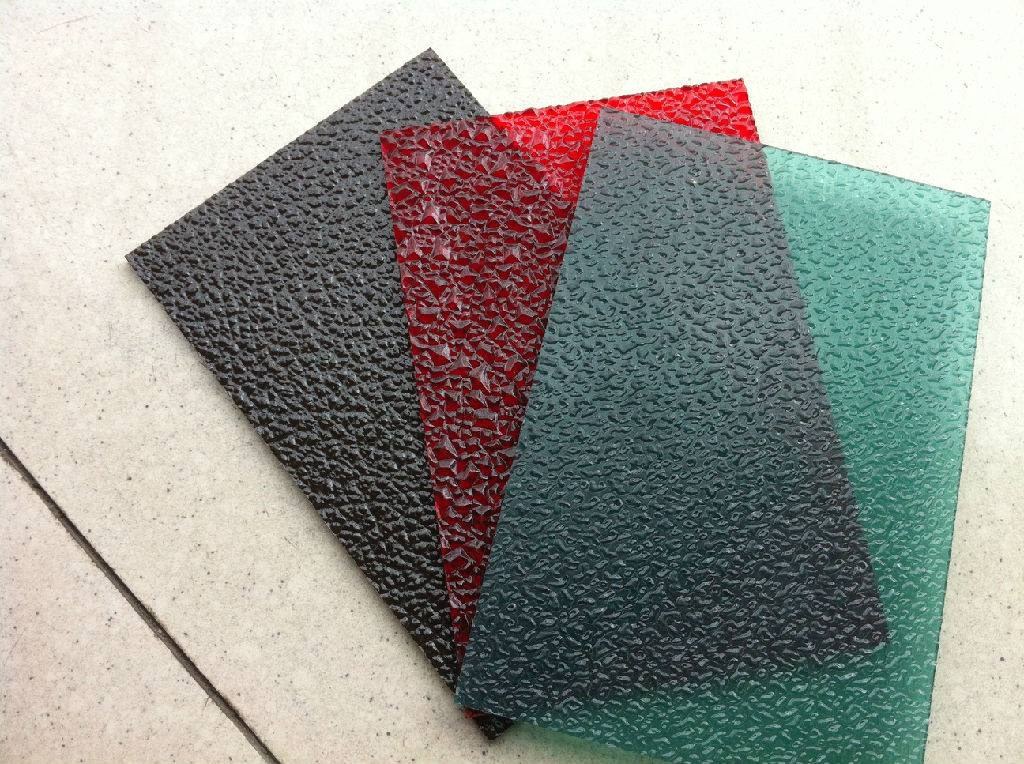
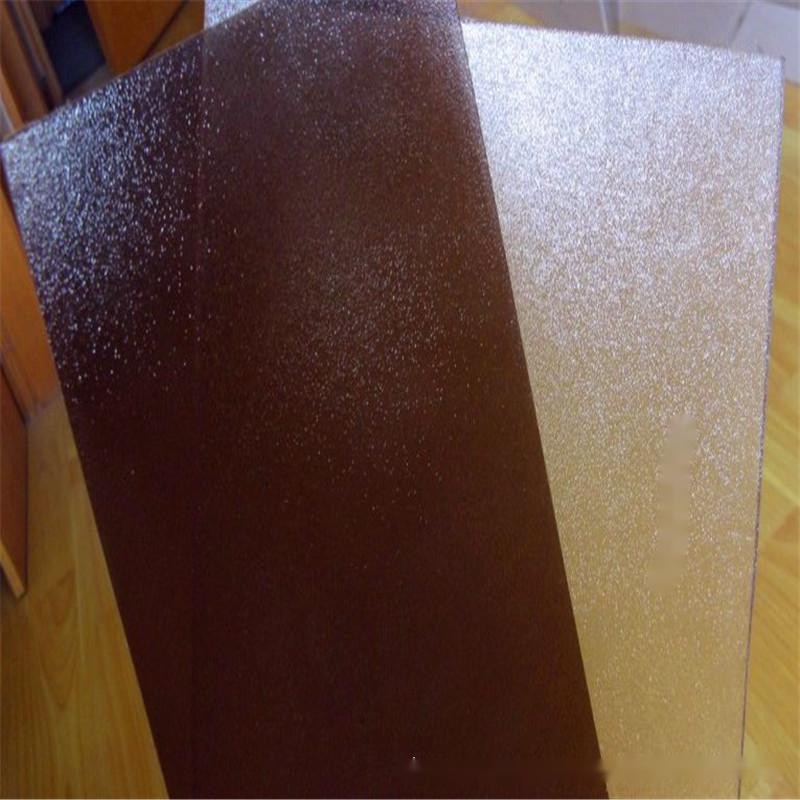
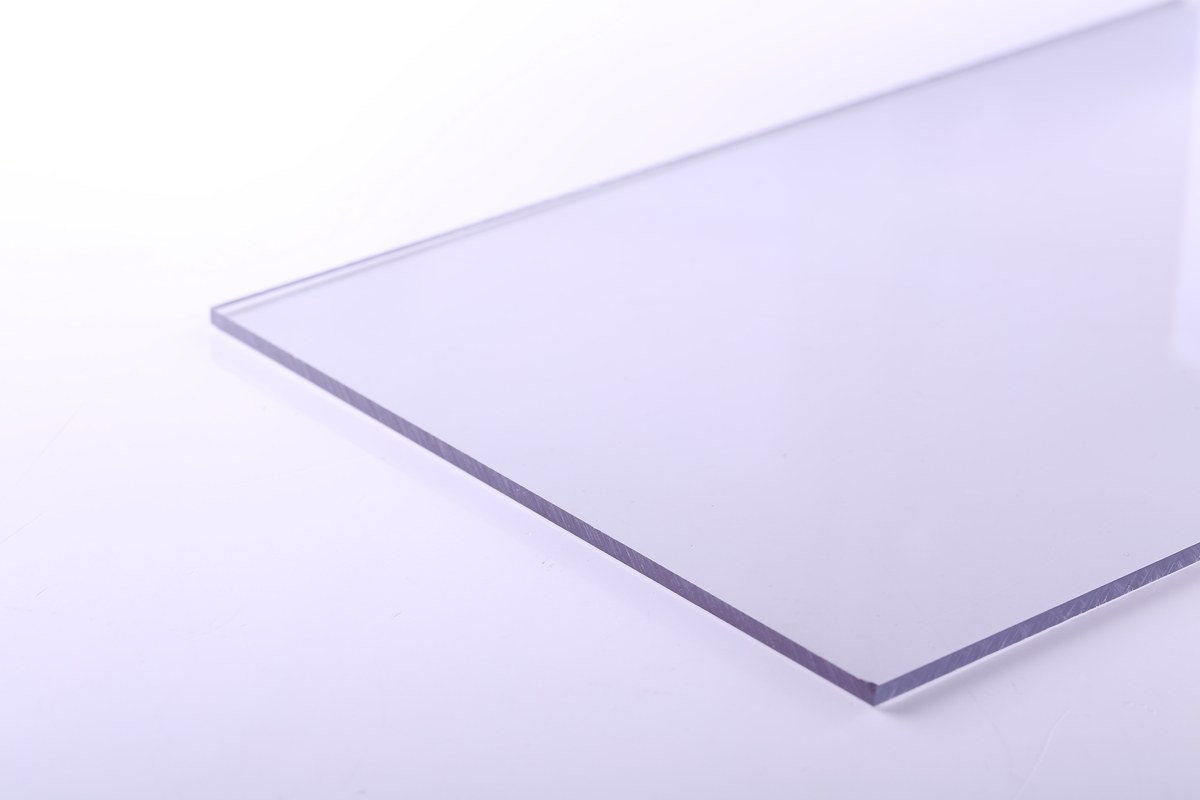
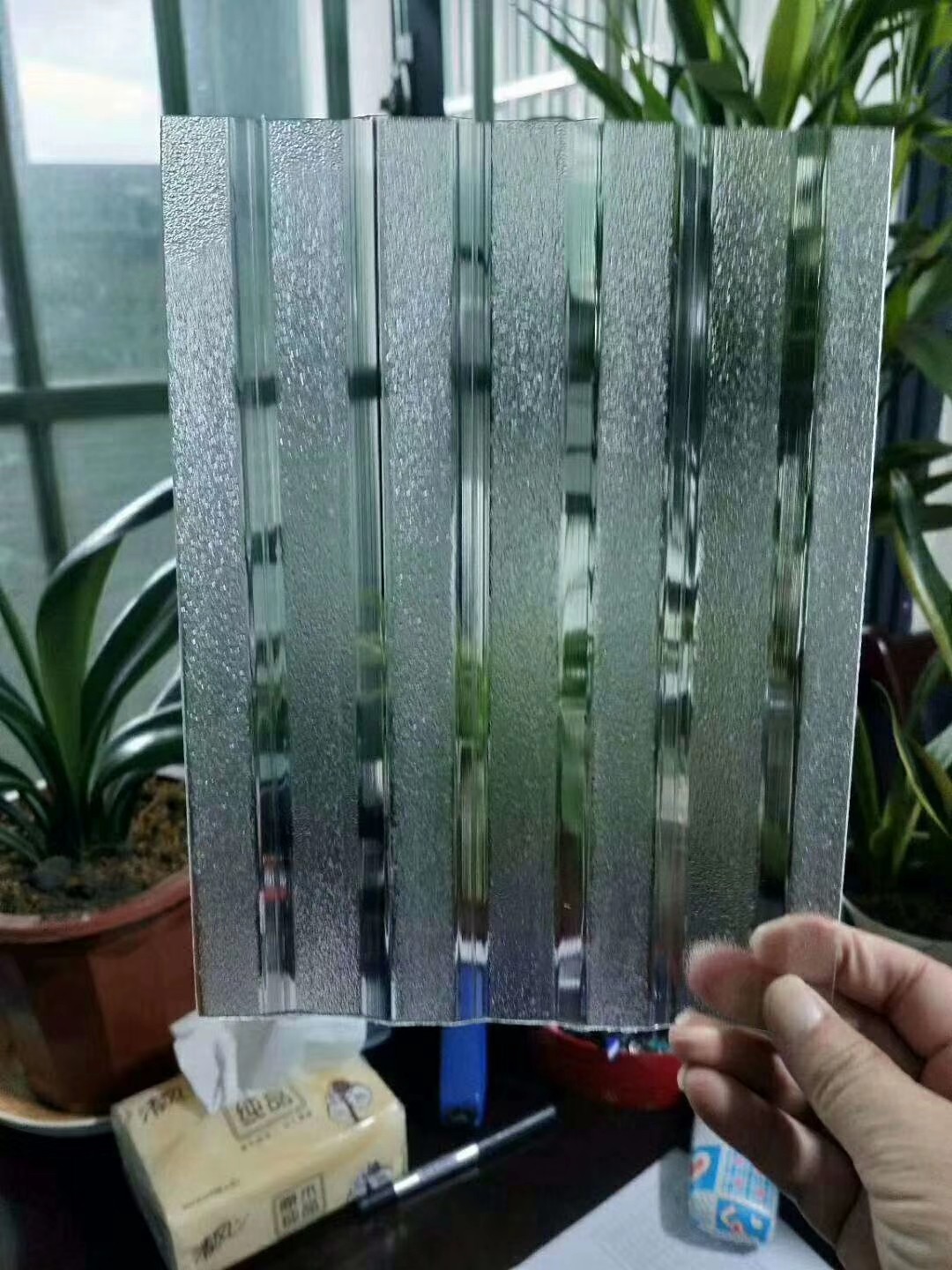
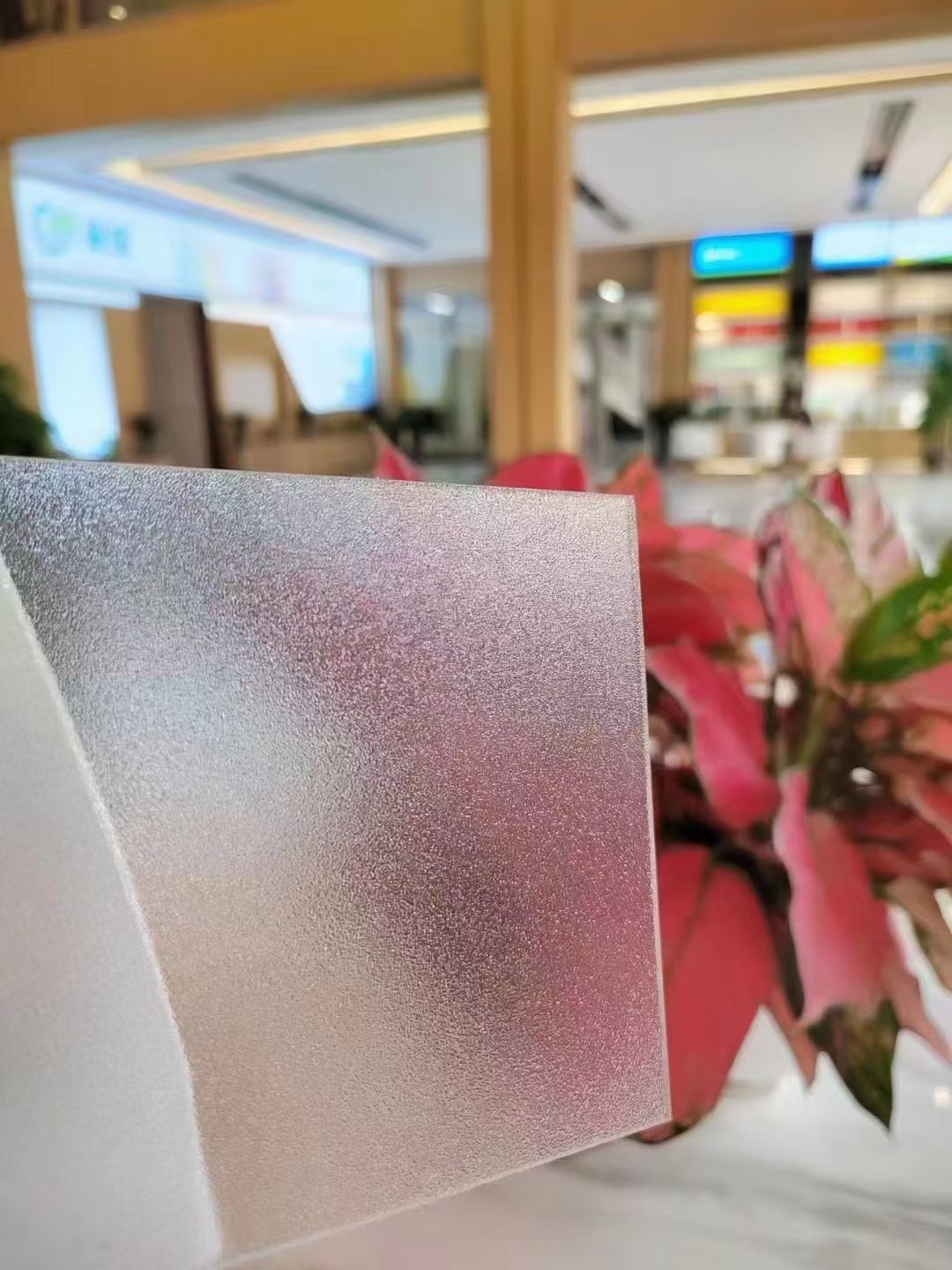
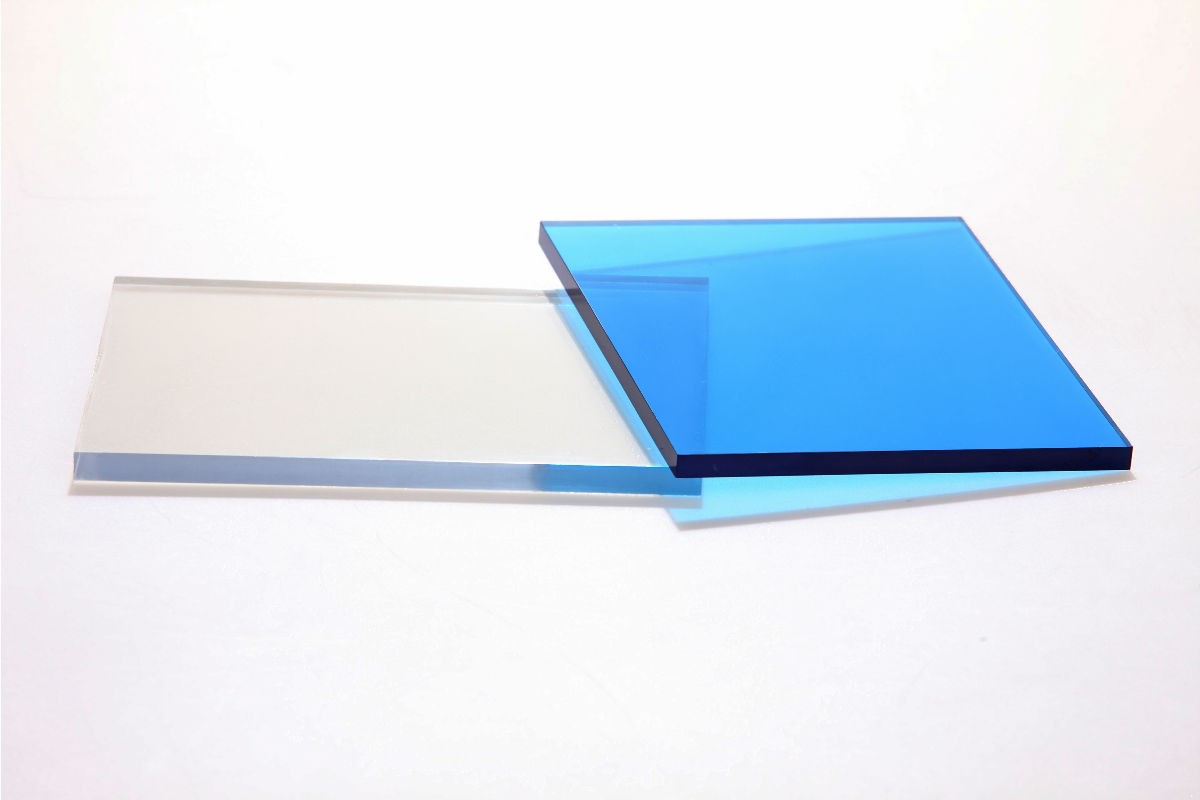
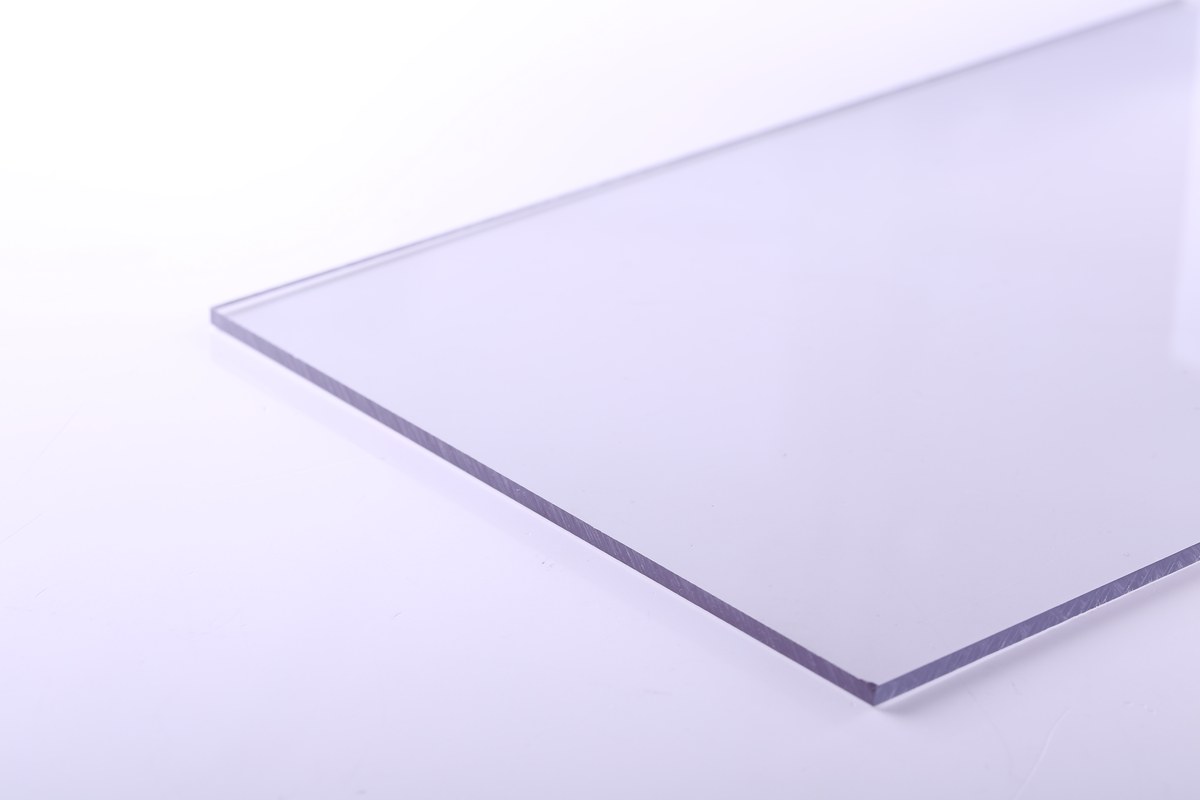
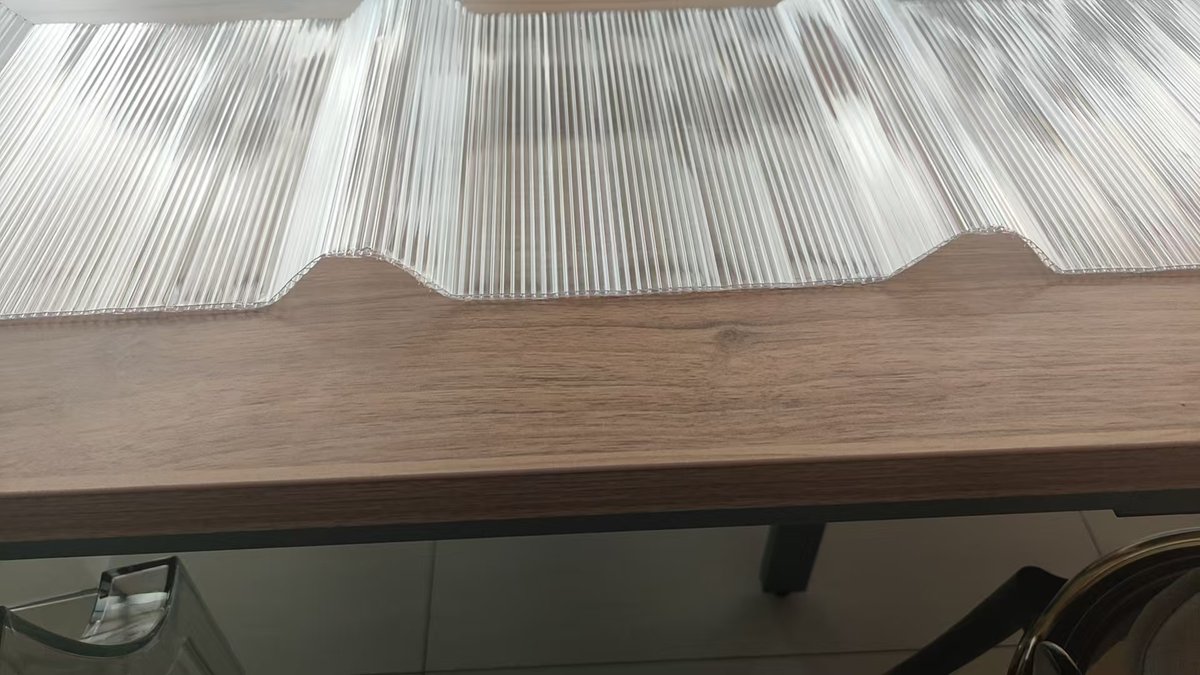
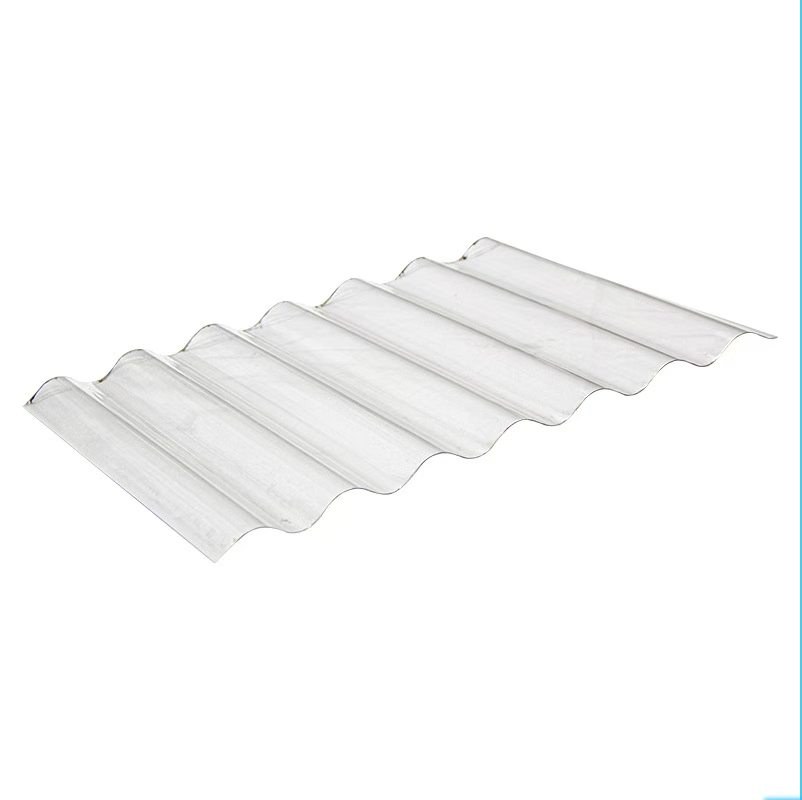
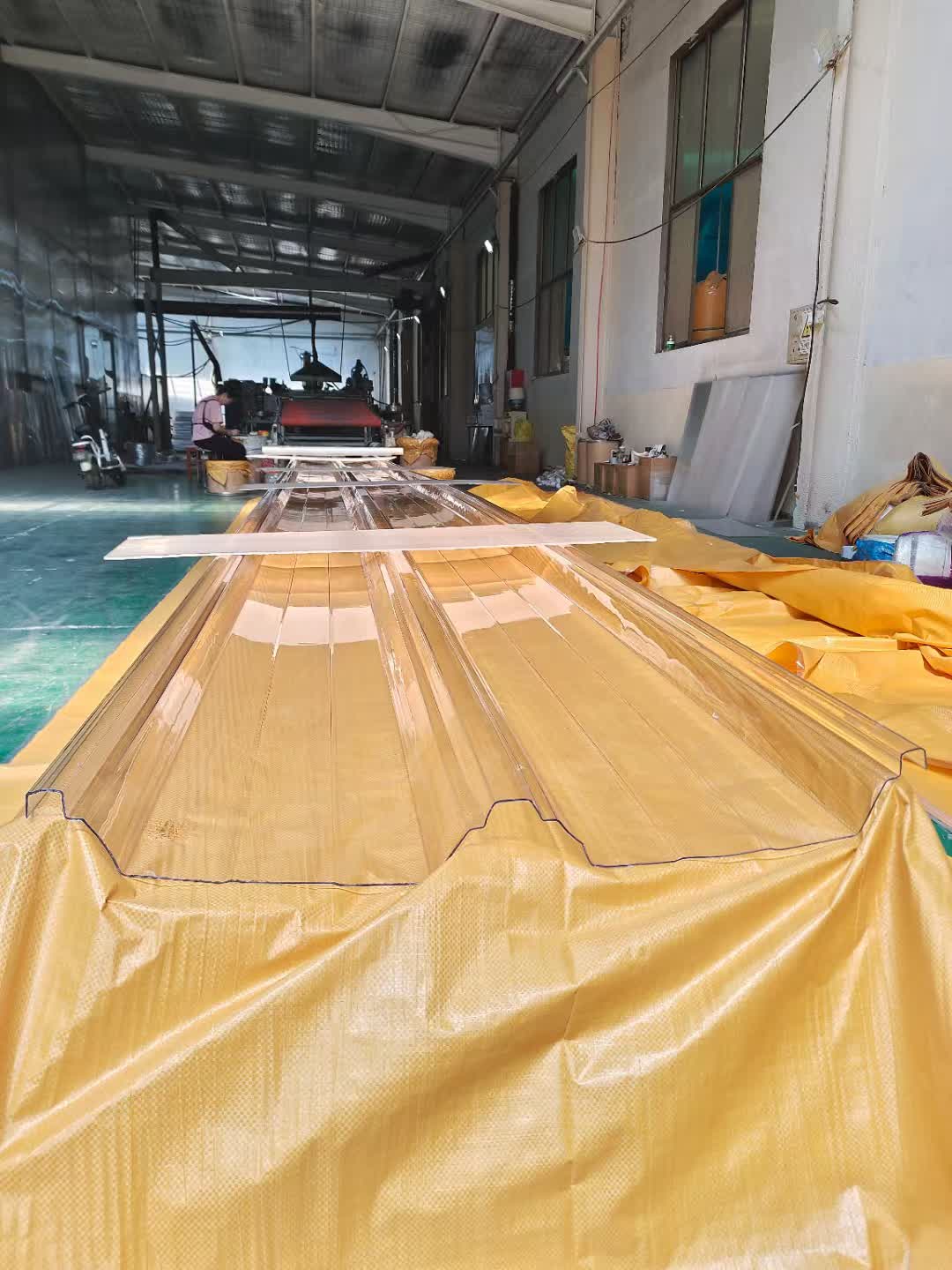
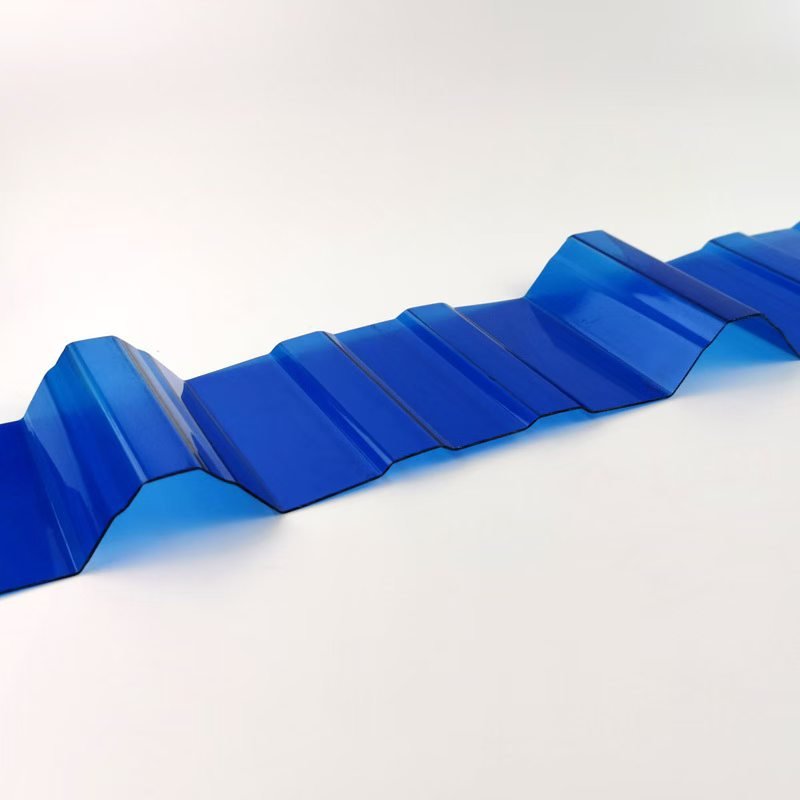
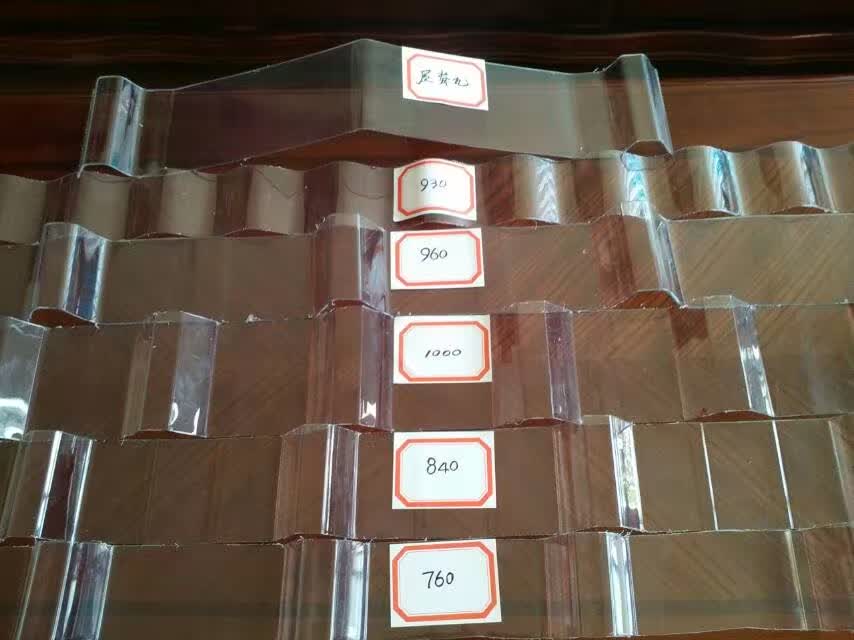
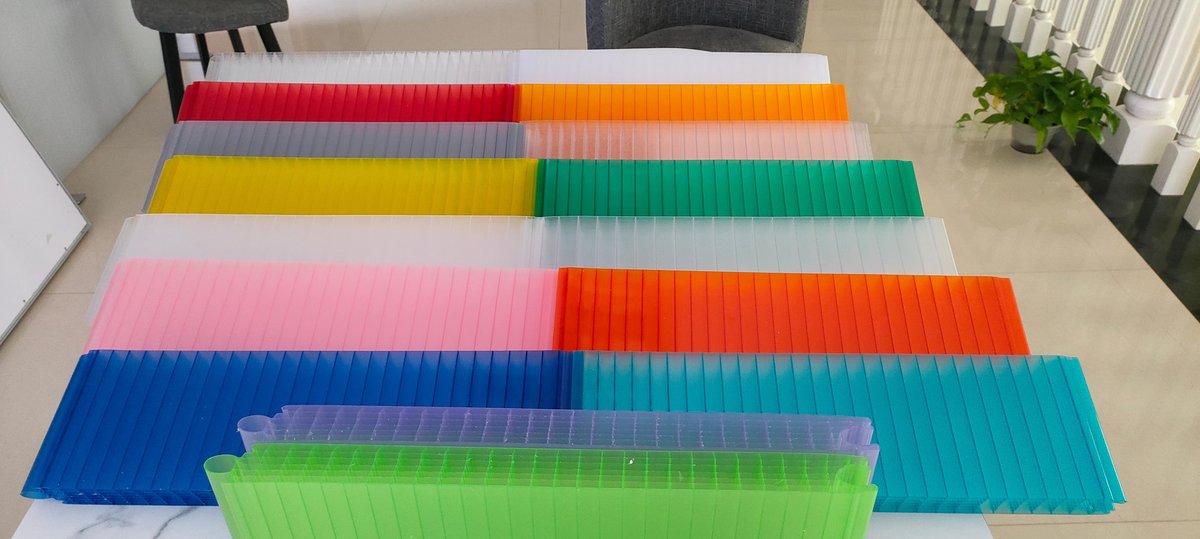
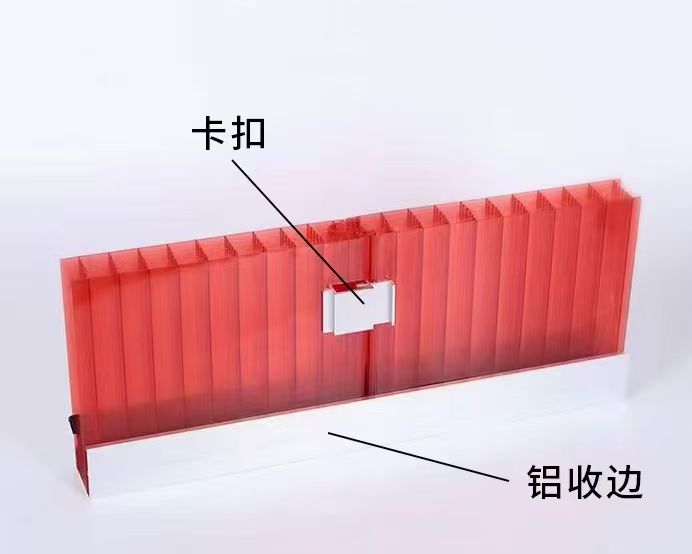
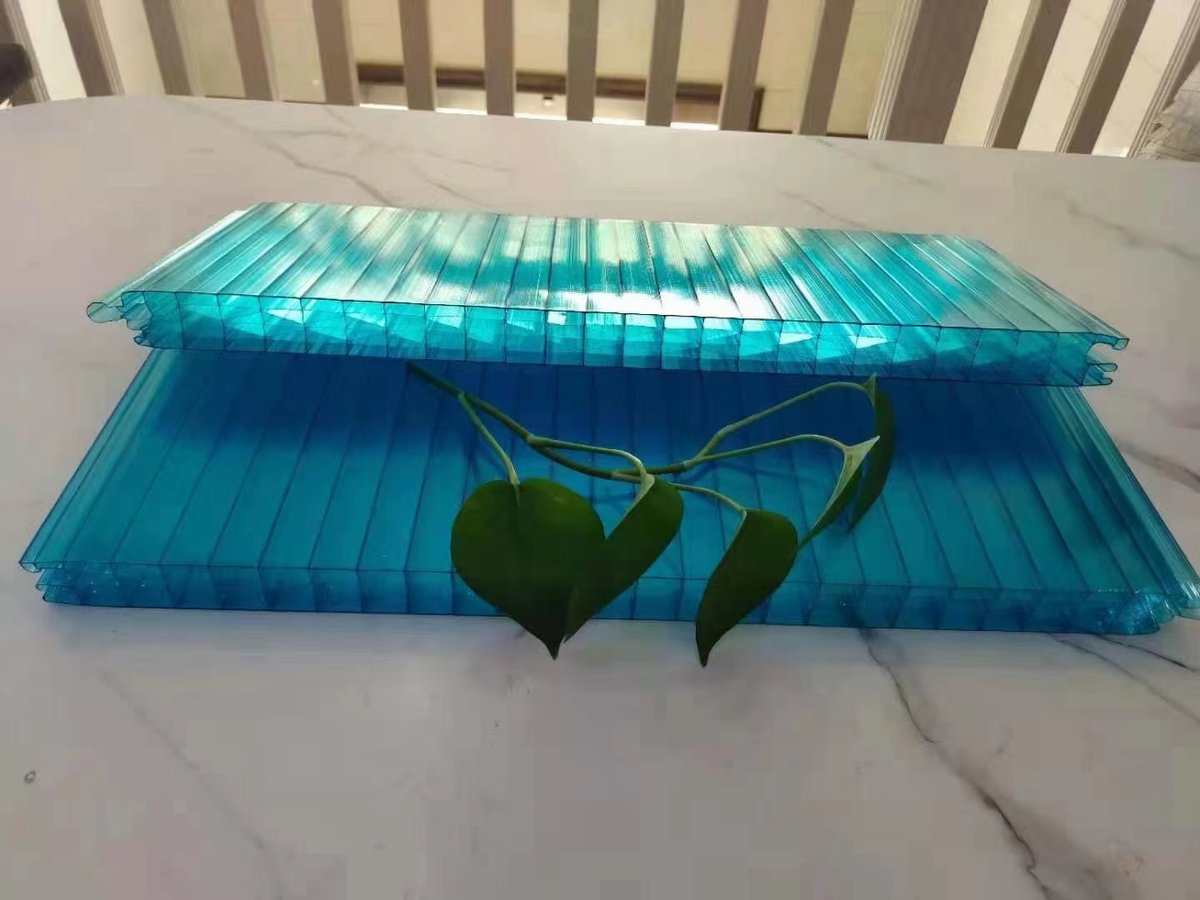
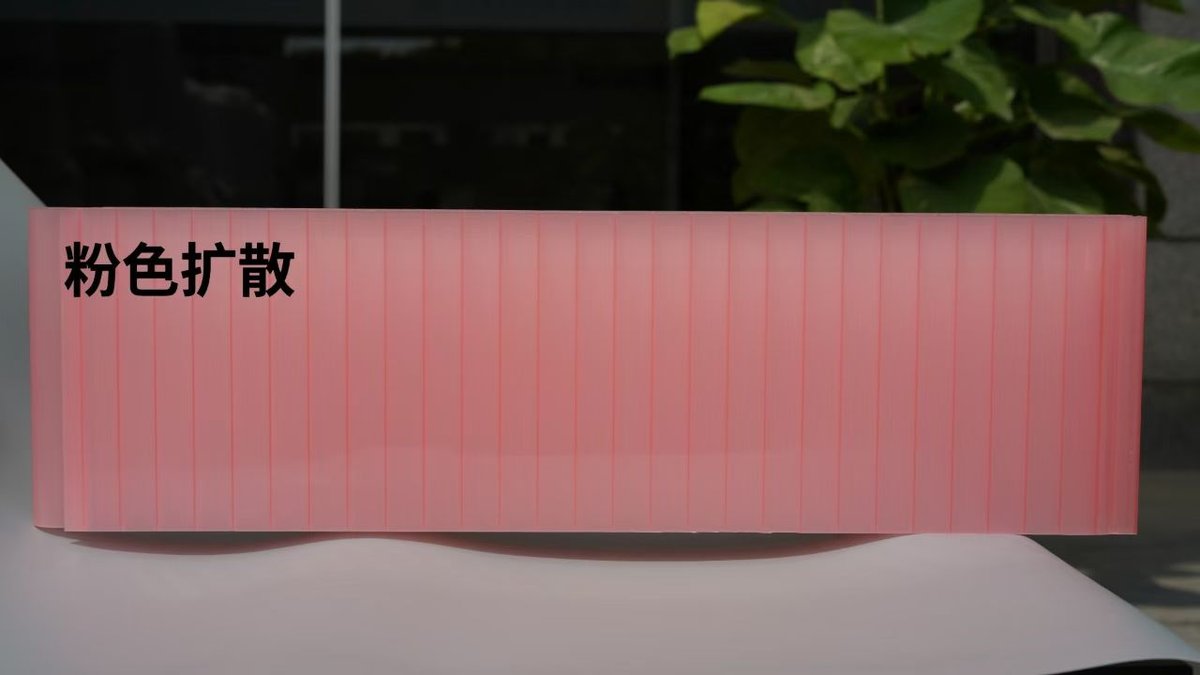
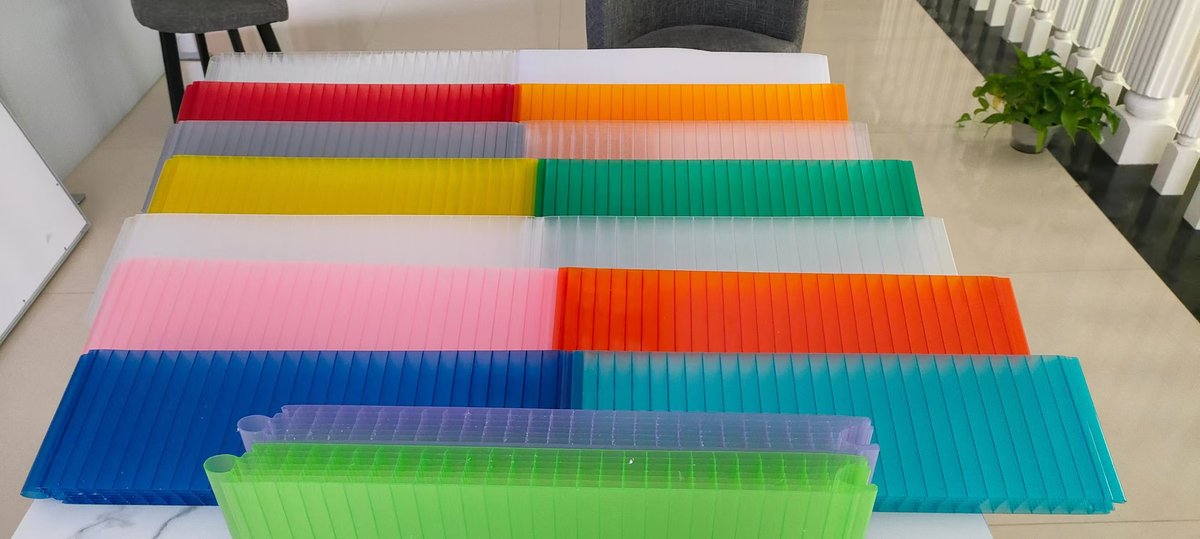
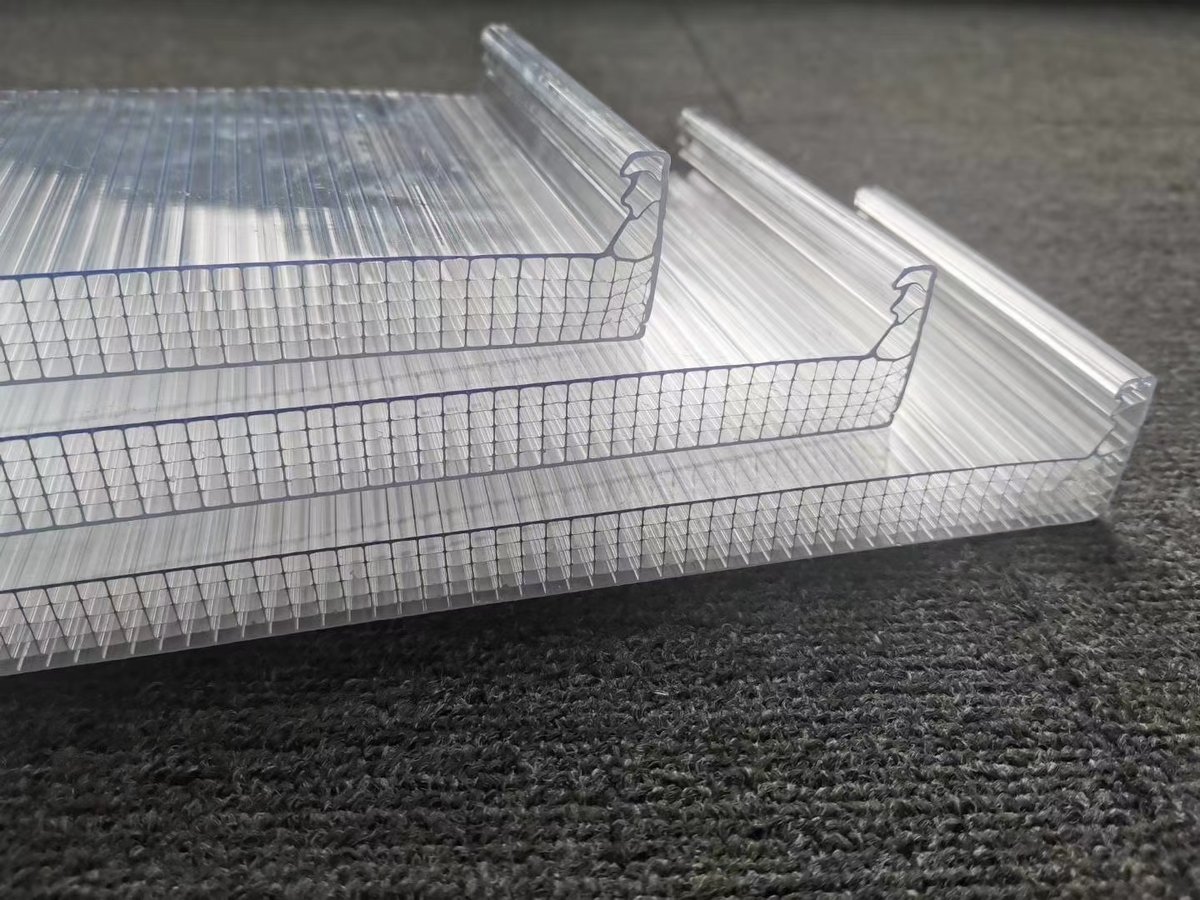
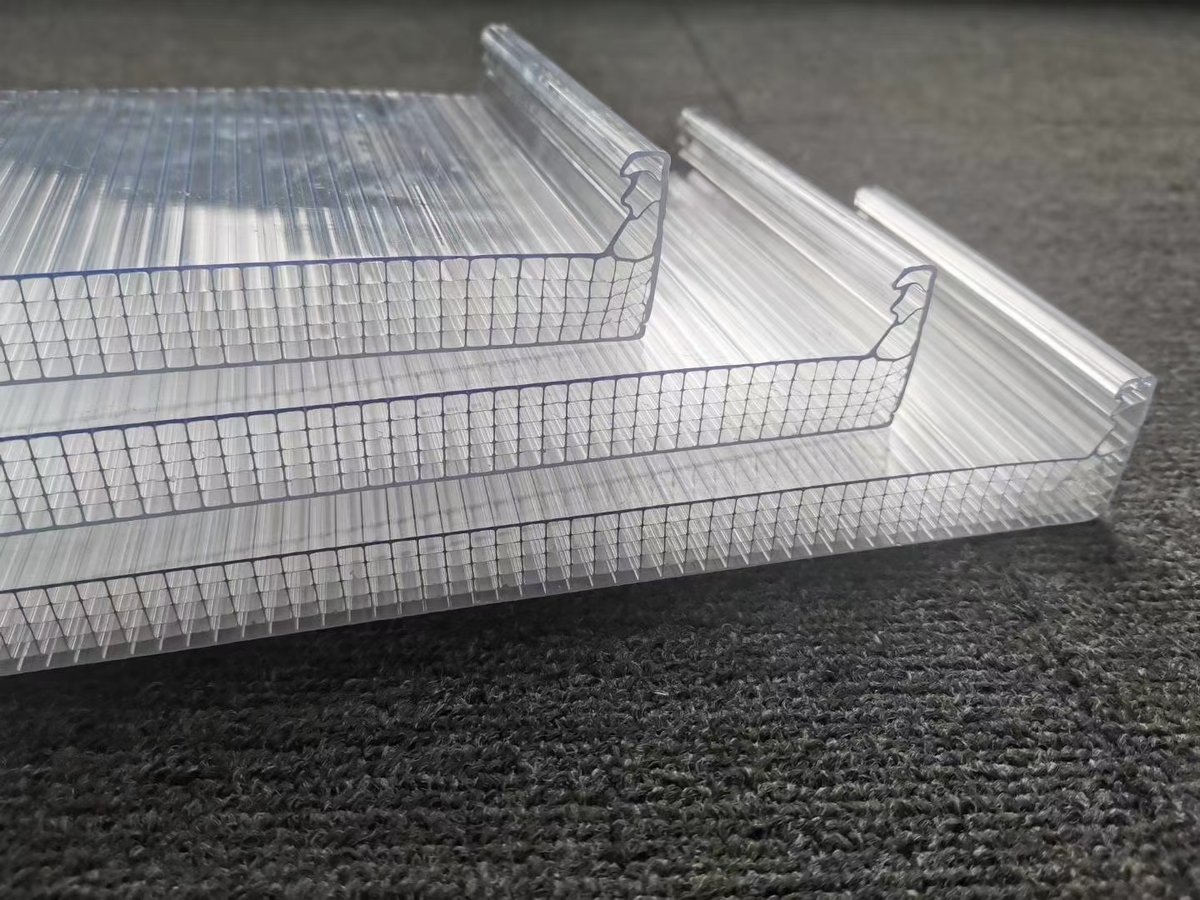
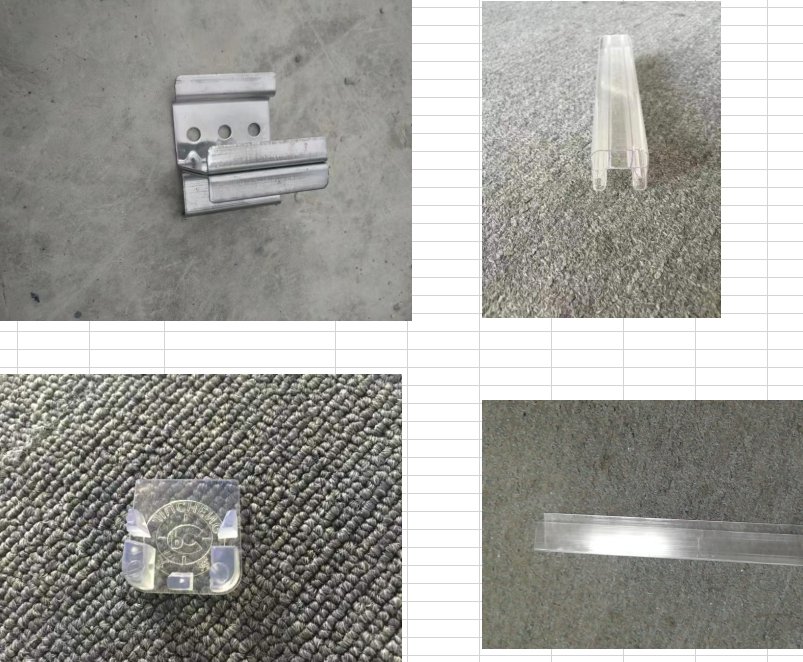
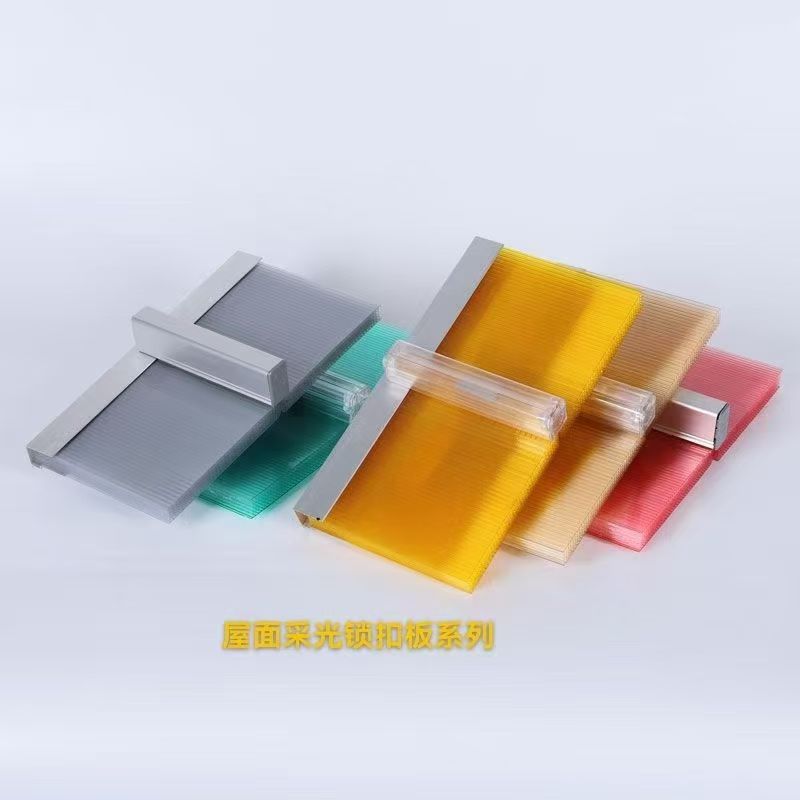
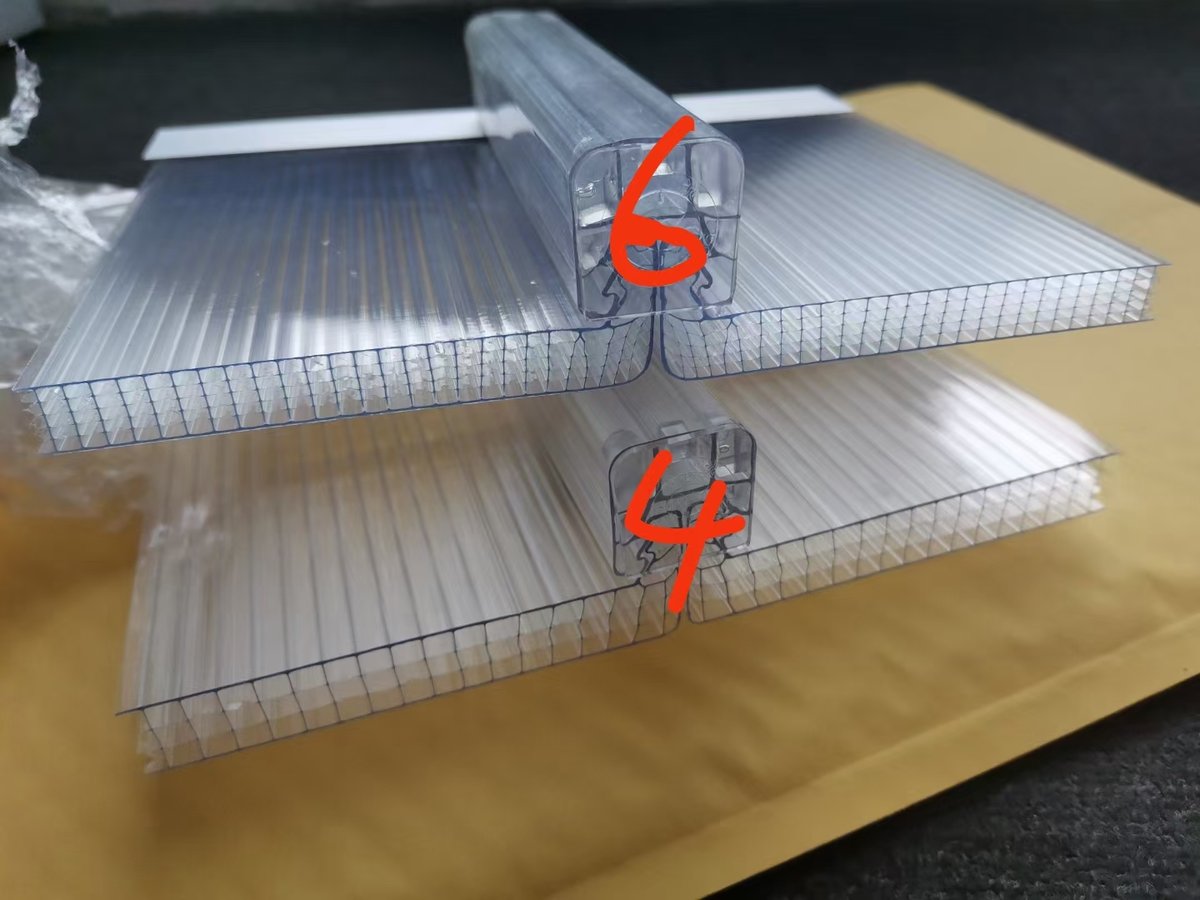
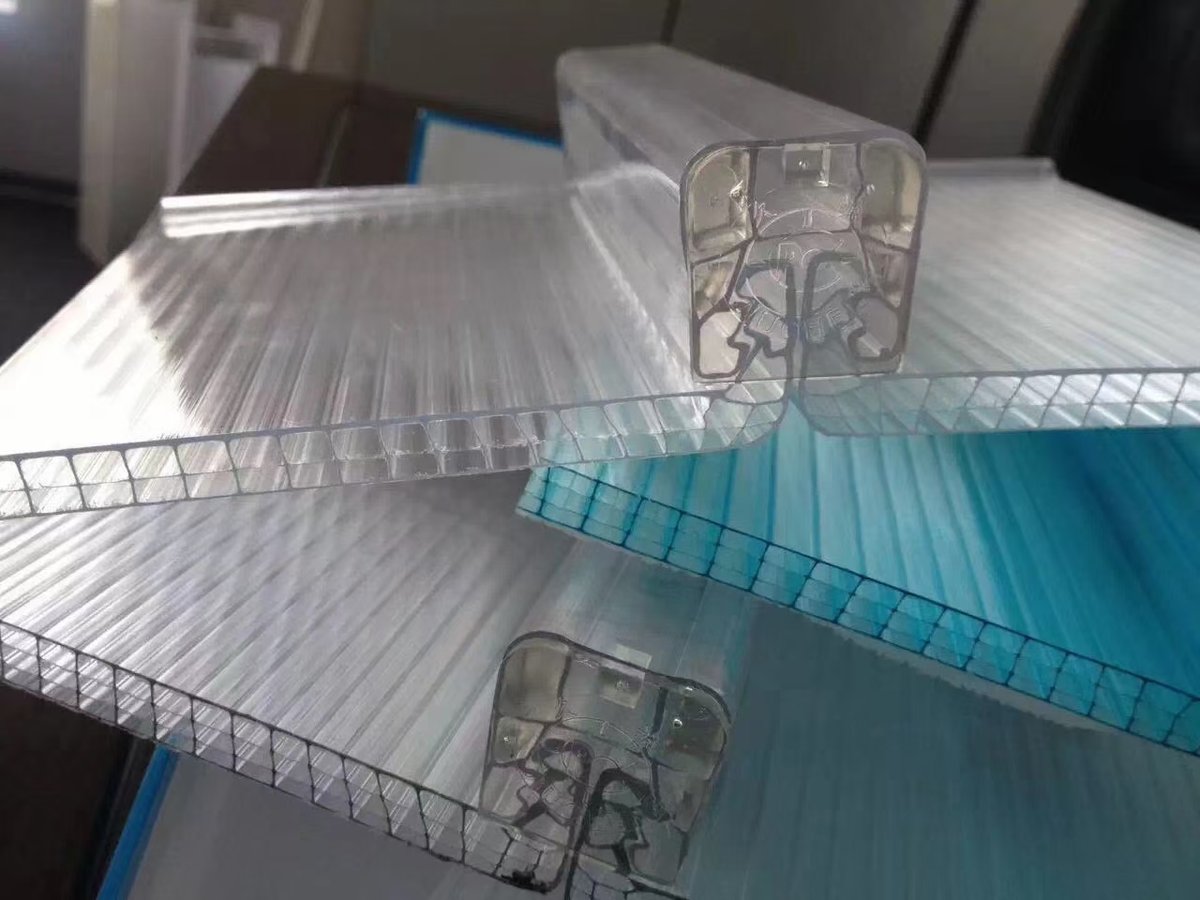
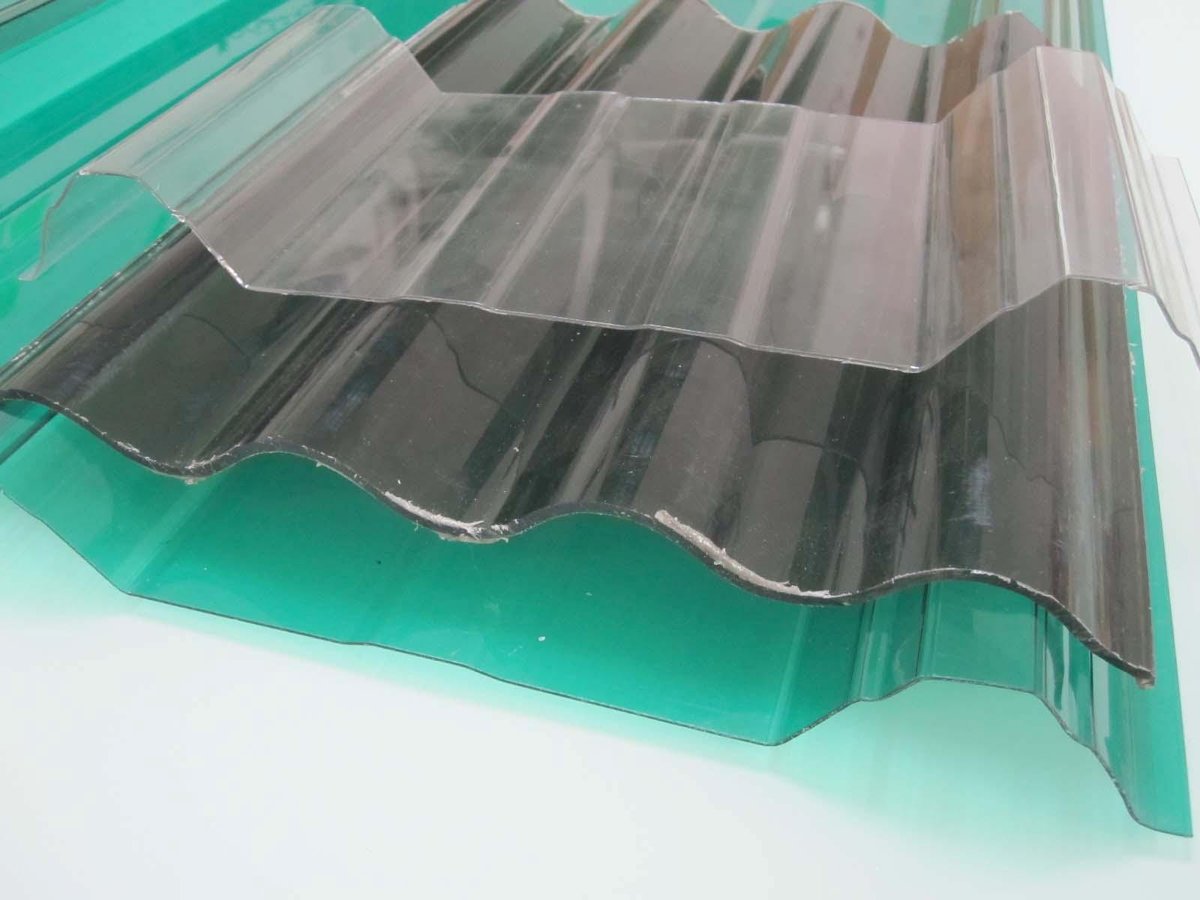
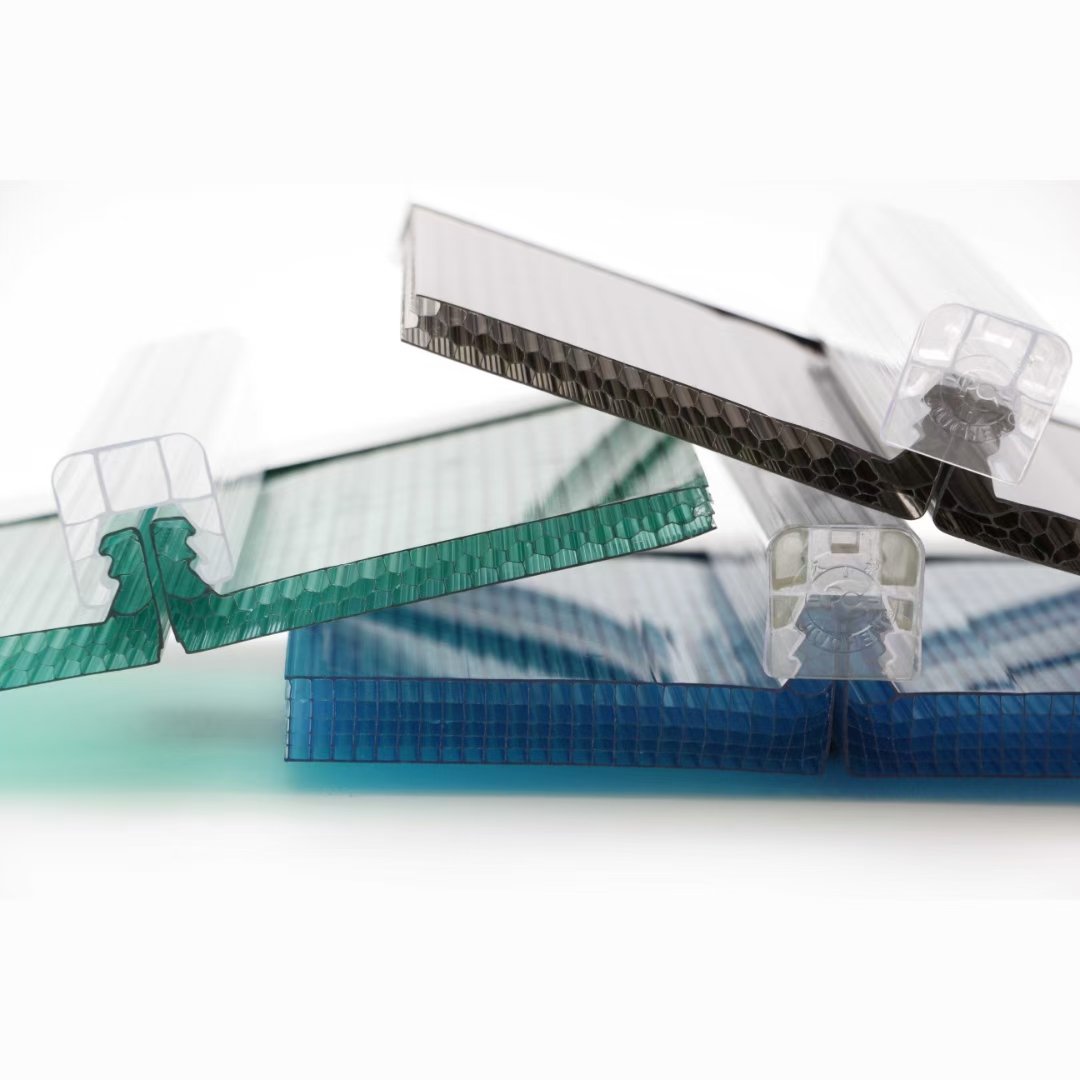
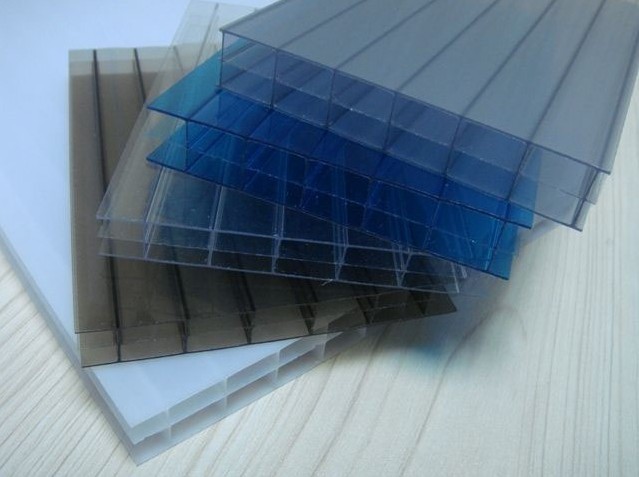
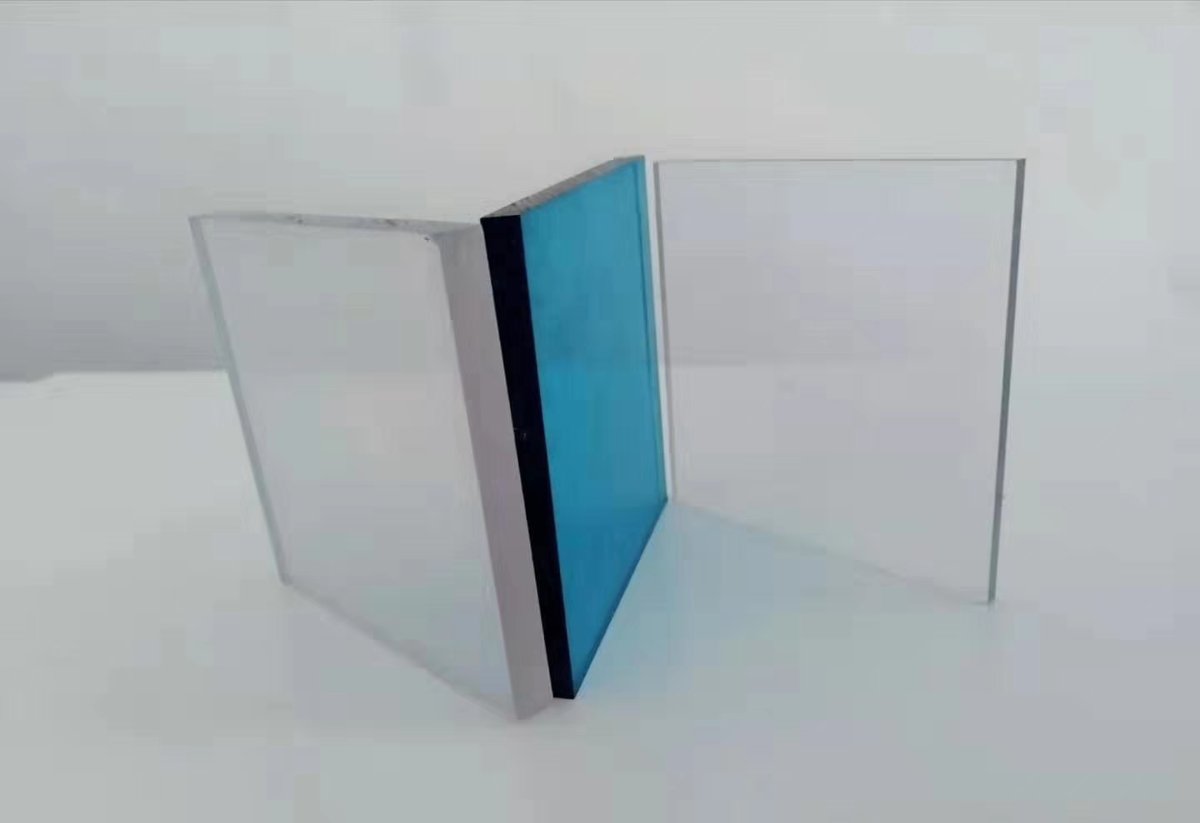
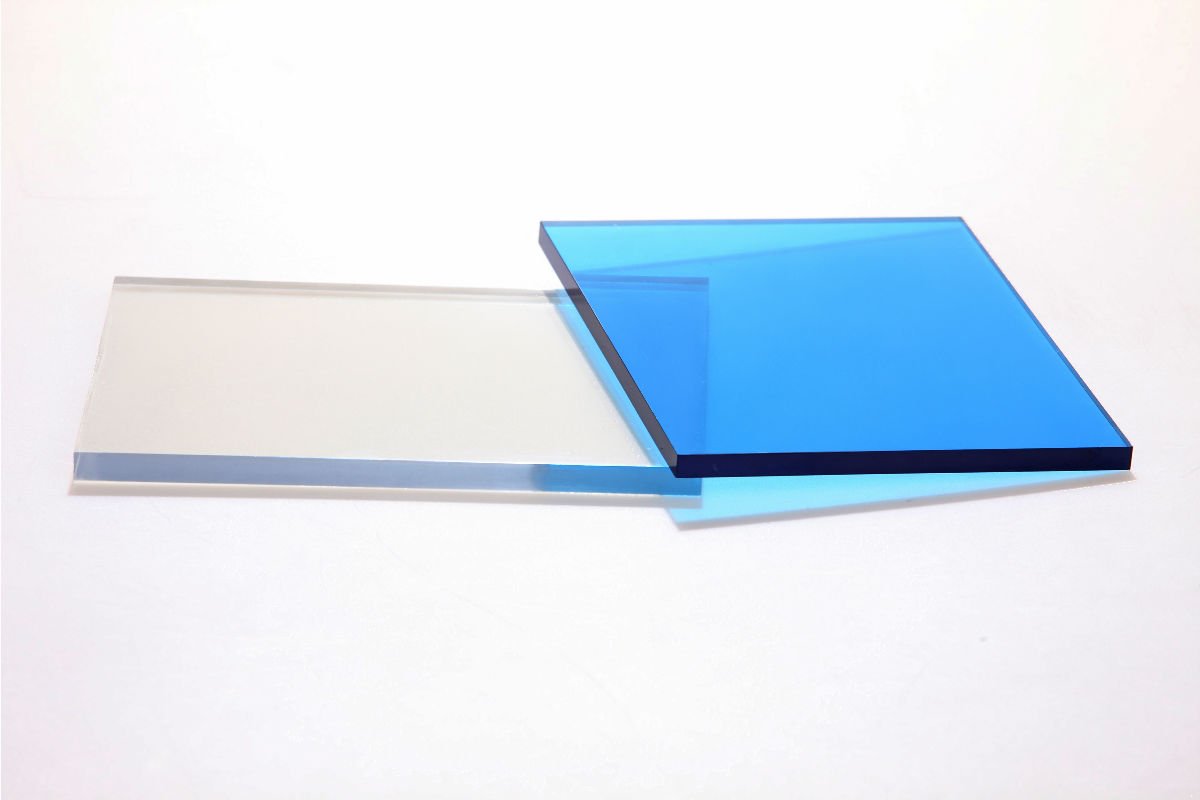
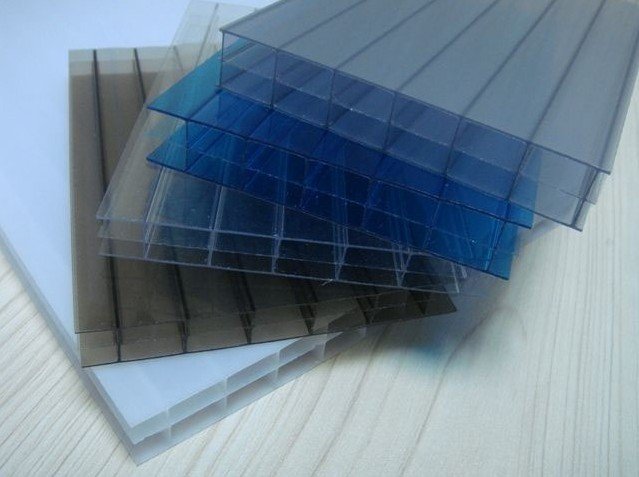
Specializing in multiwall, solid and corrugated polycarbonate sheets plus complete accessory kits, we offer one-stop solutions integrating R&D, production, logistics and sales.

Innovative Products & Custom Solutions

About Us
Established in 2015, LinYi jietai new material technology co., ltd is a manufacturer specialized in research, development and production of polycarbonate sheets. After product development and innovation, and strict control of product quality. Today, Jietai has become a leading company in the Chinese market and an internationally renowned polycarbonate sheet company. We always insist on providing high quality products and services.
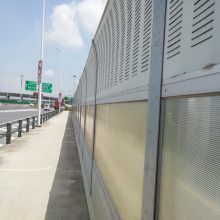
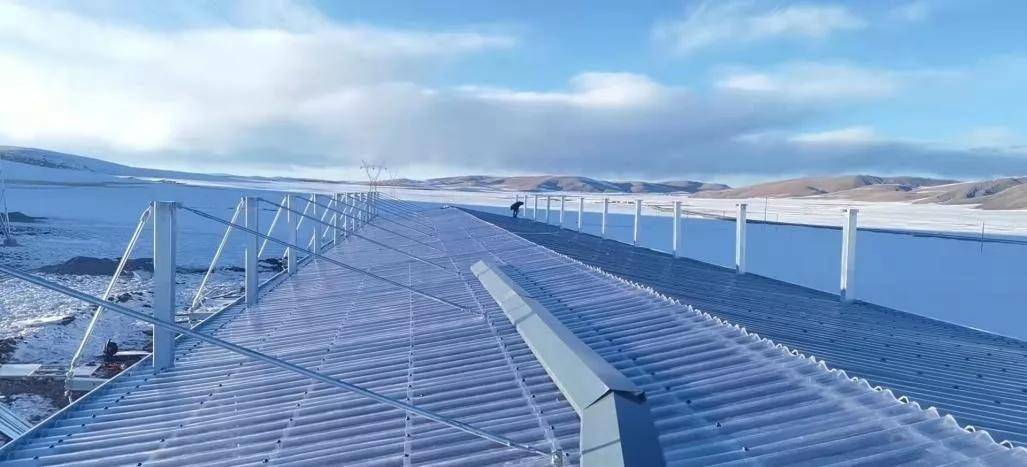
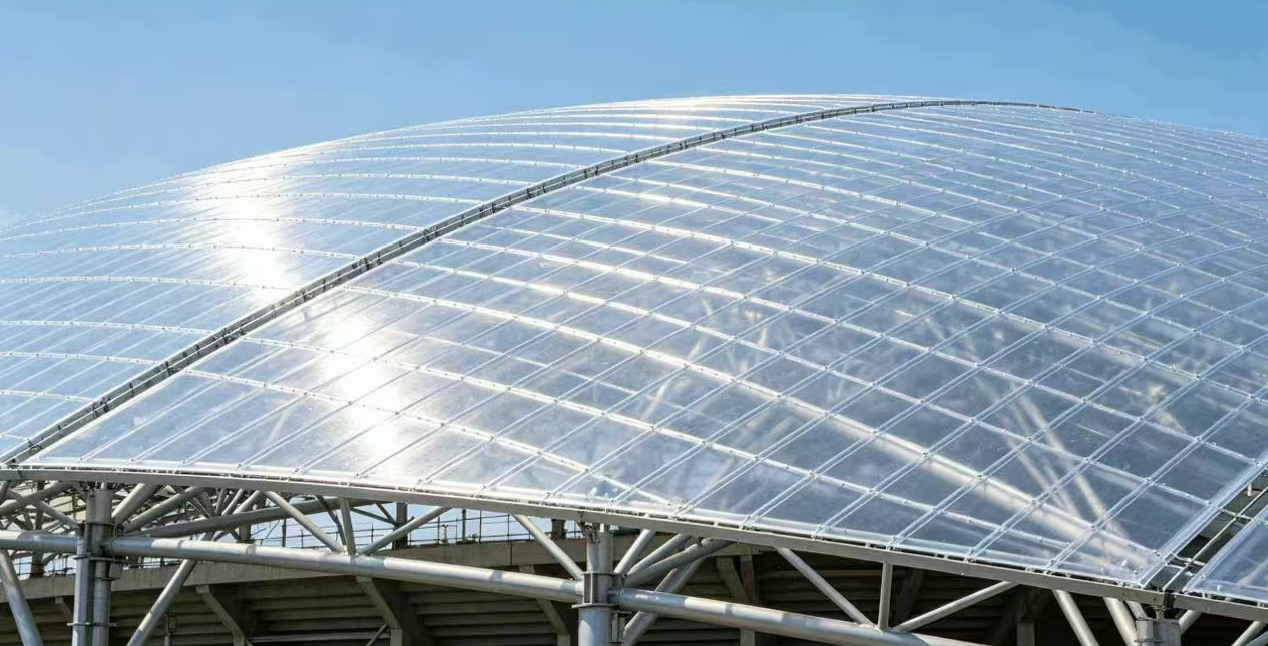
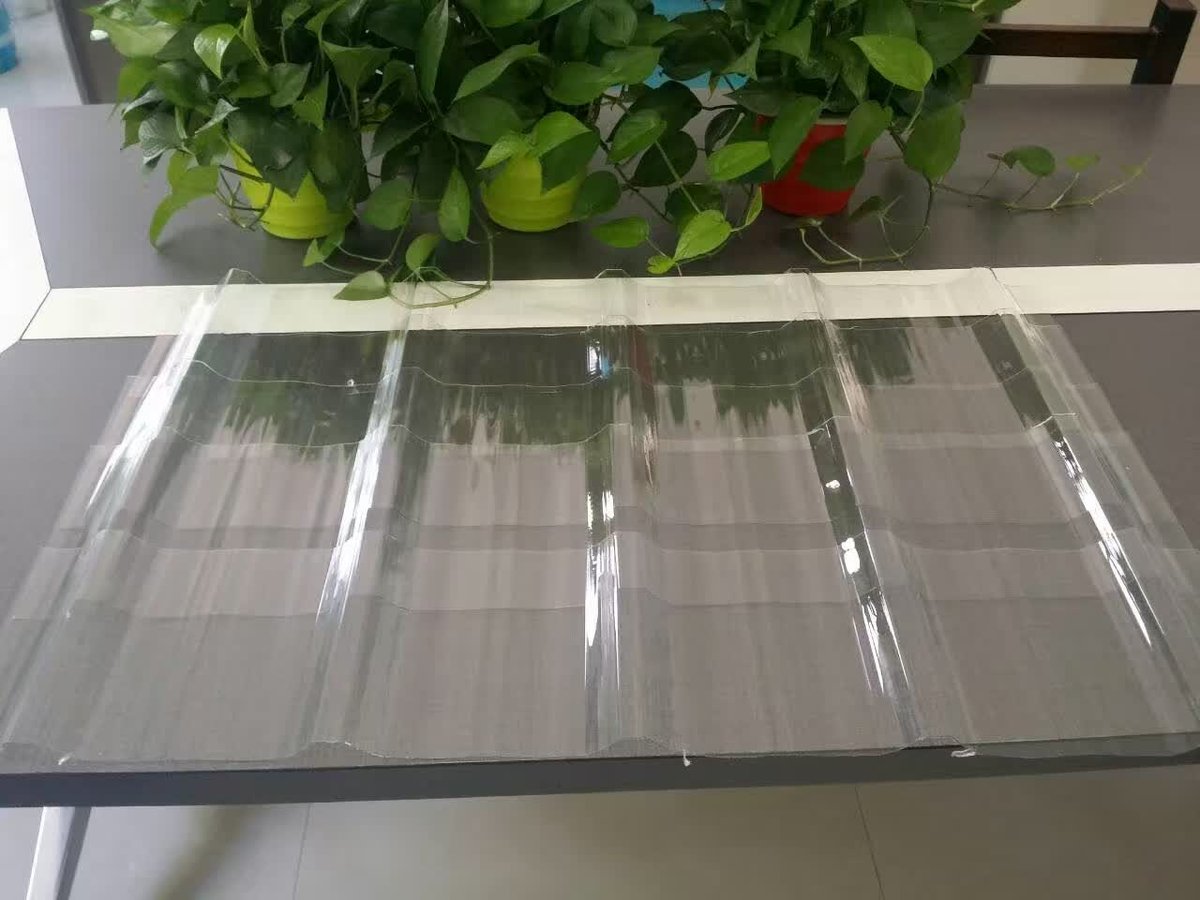
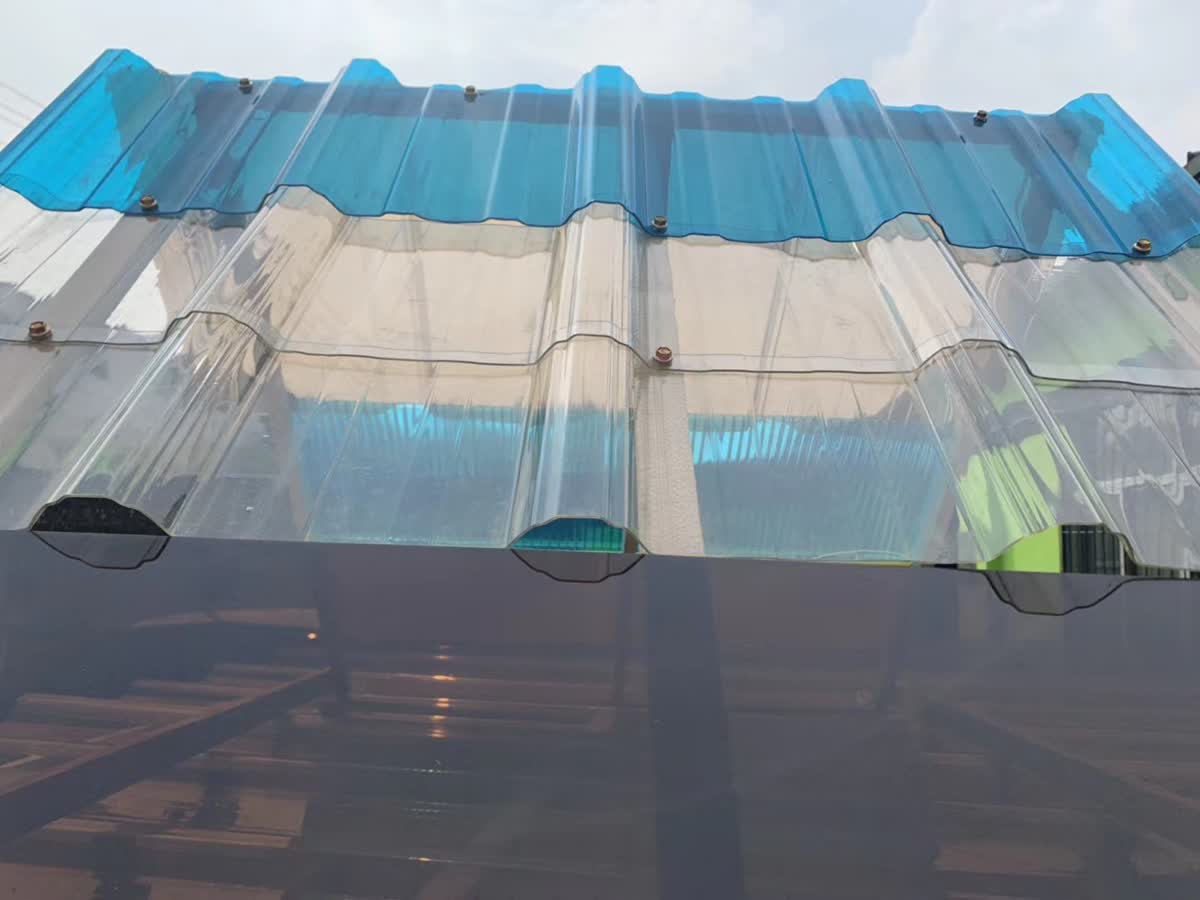
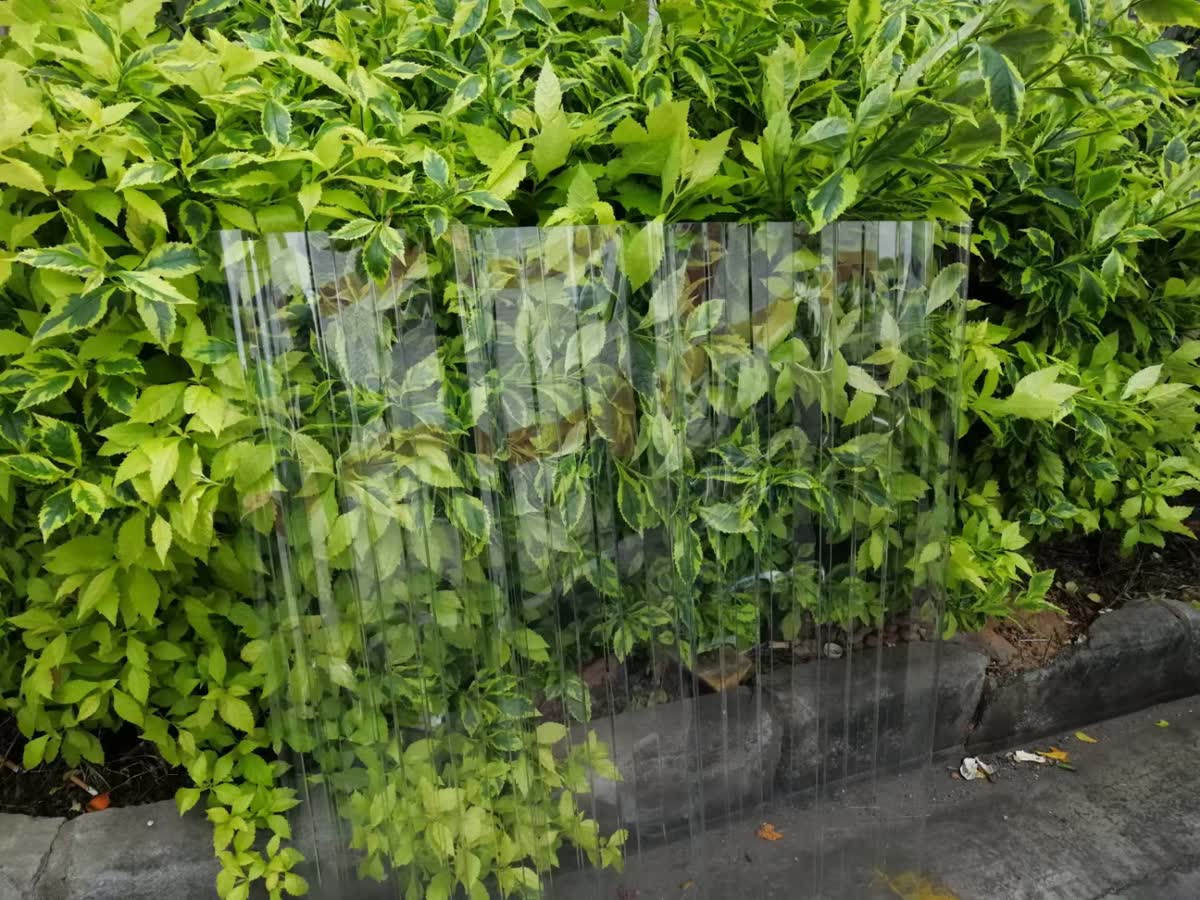
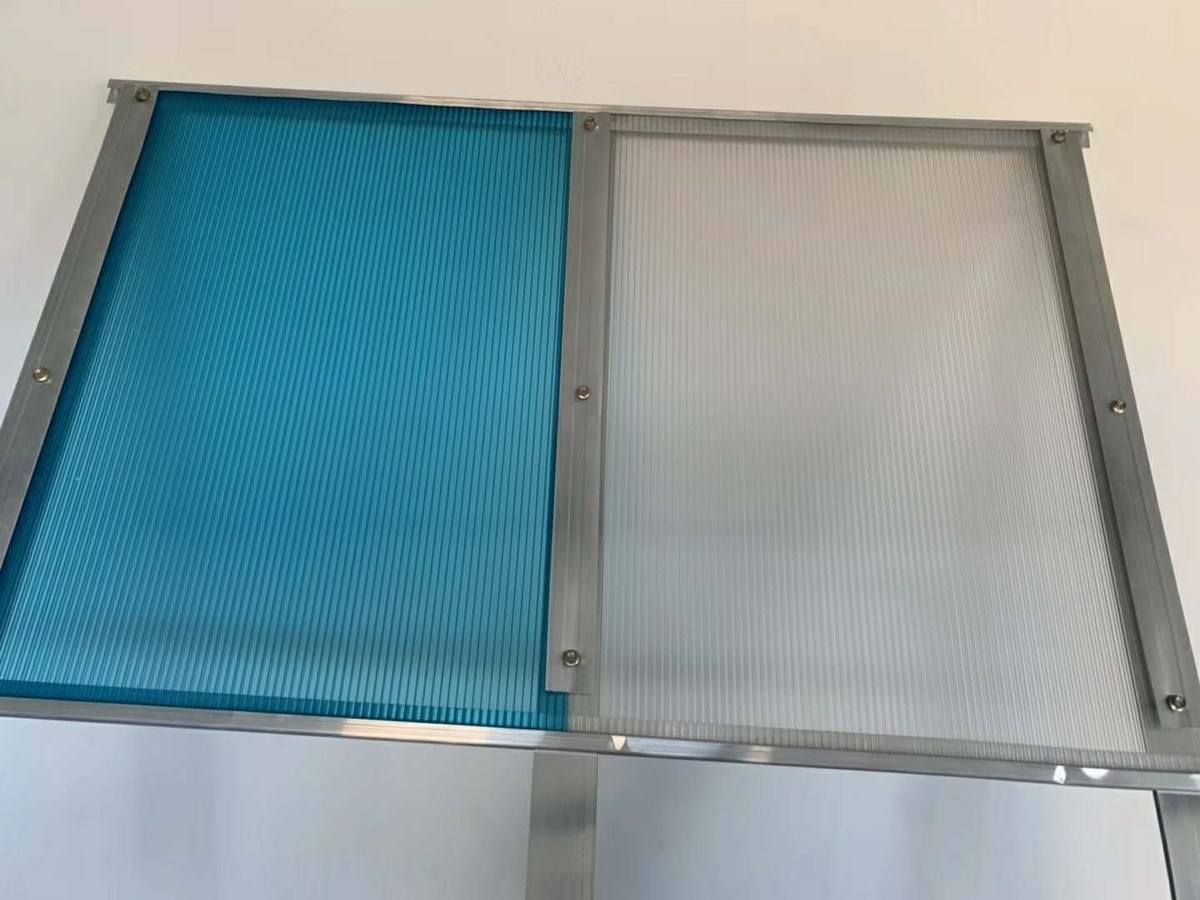
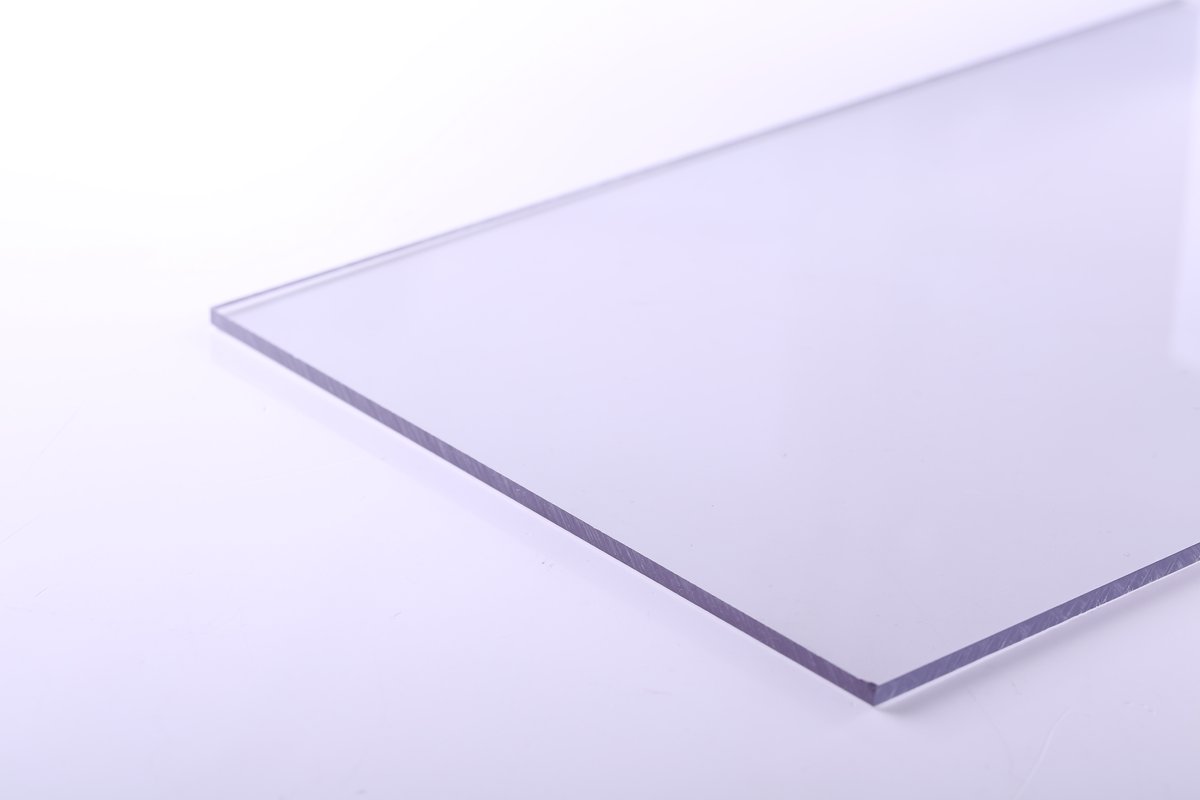
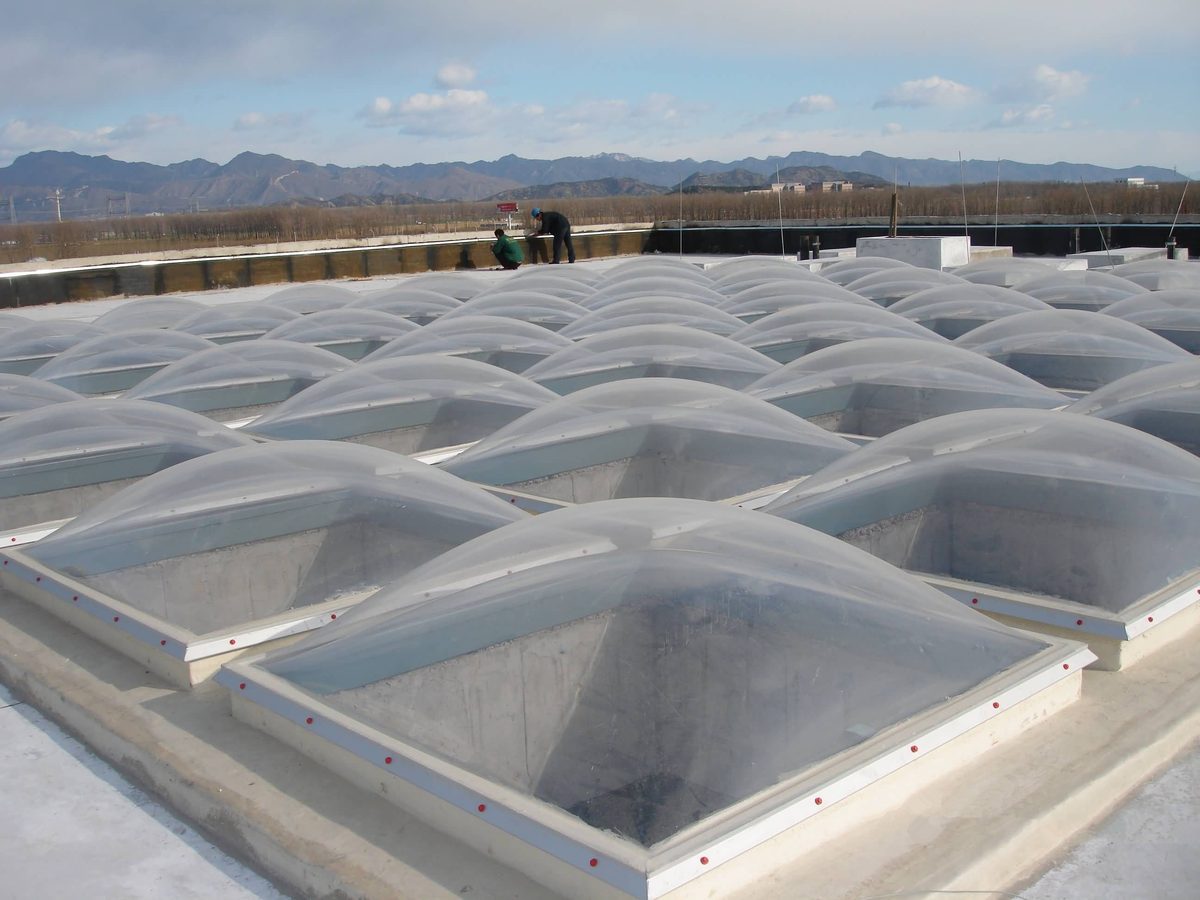
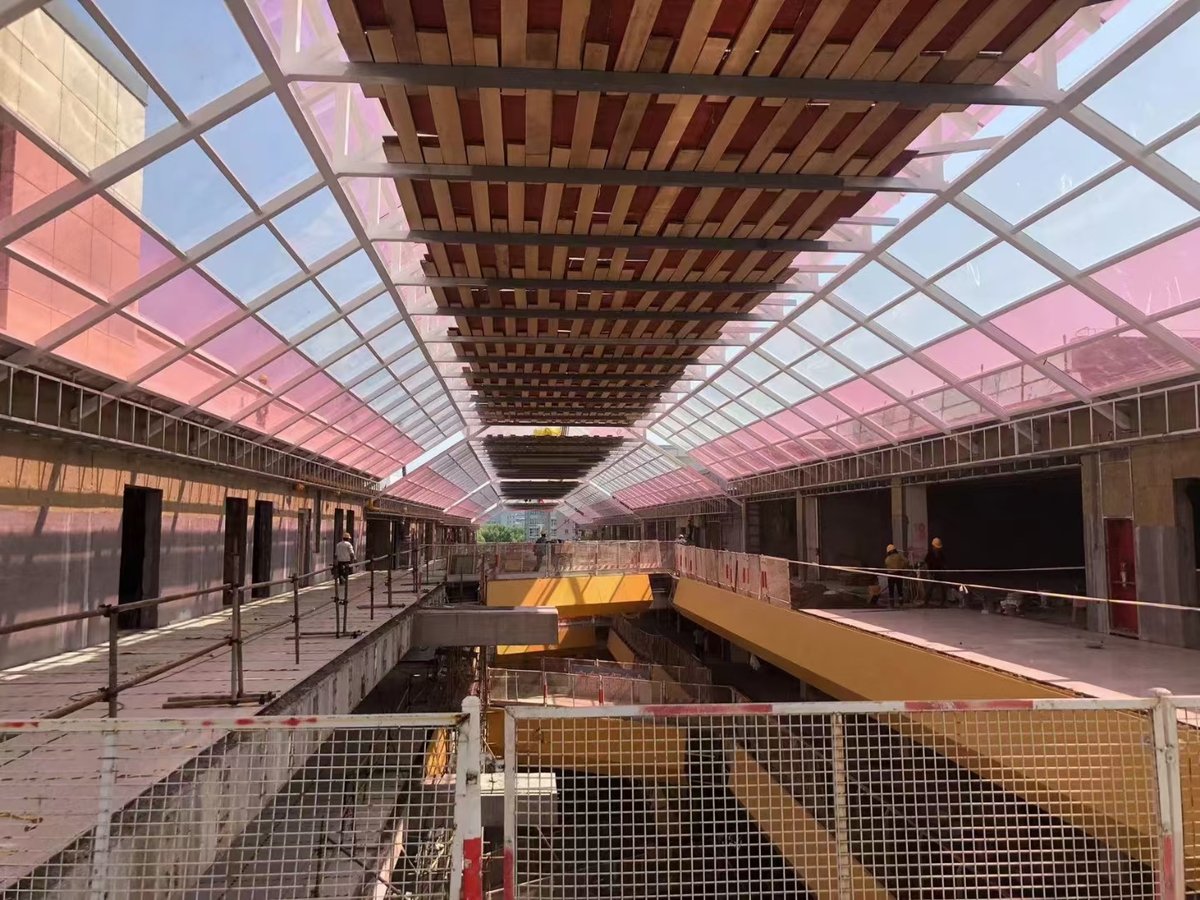
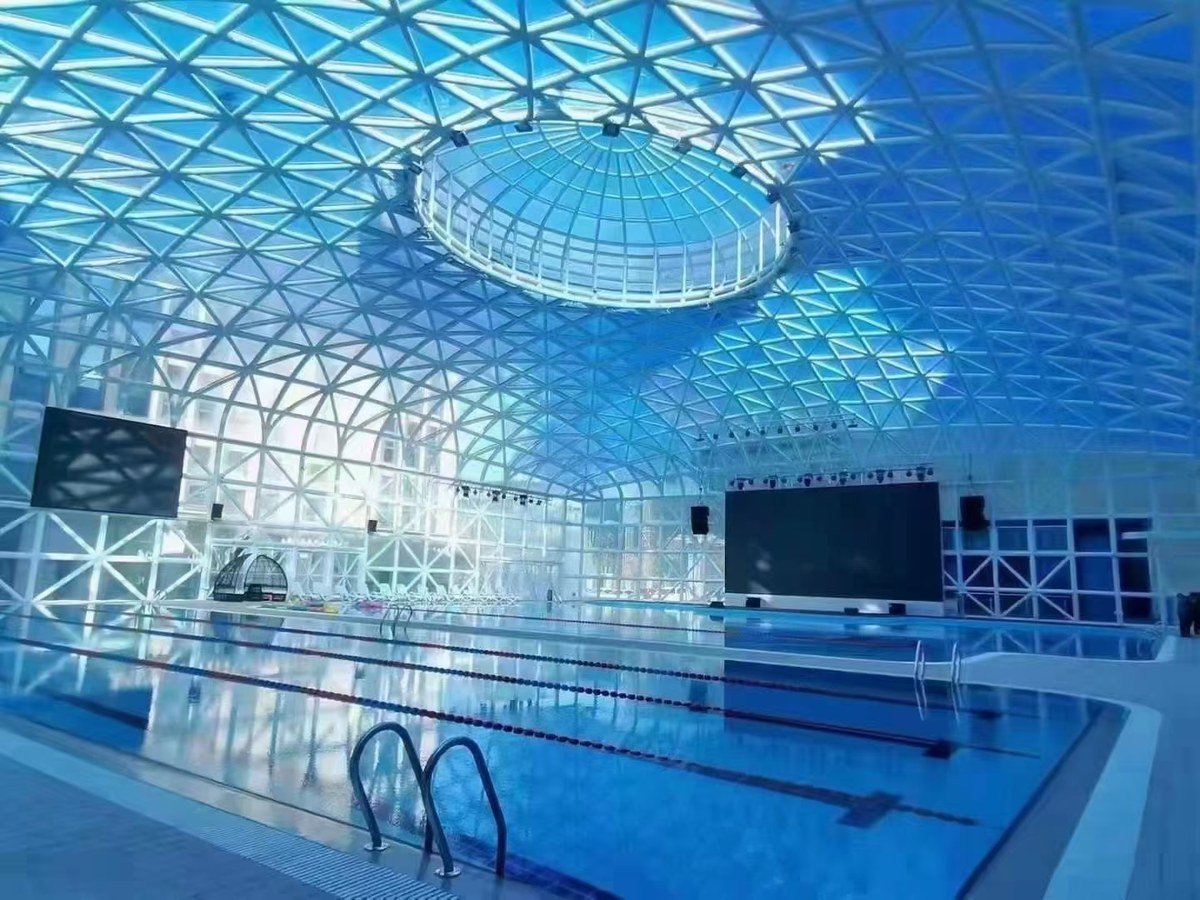
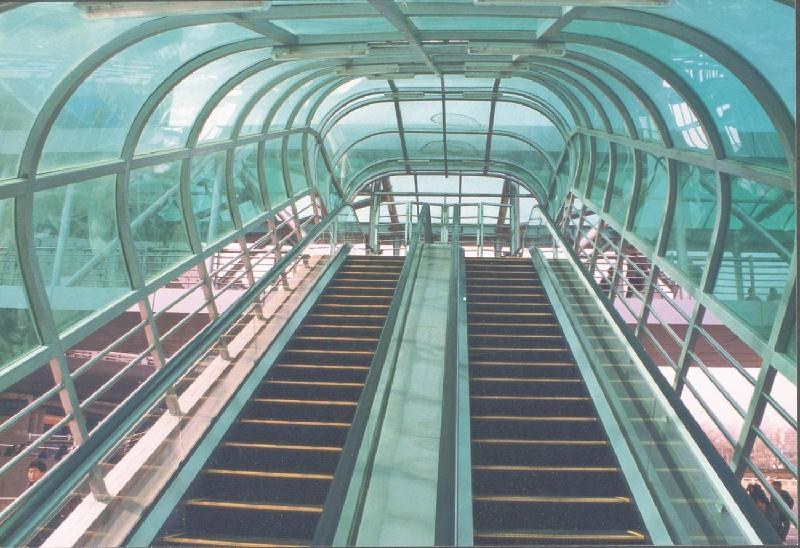
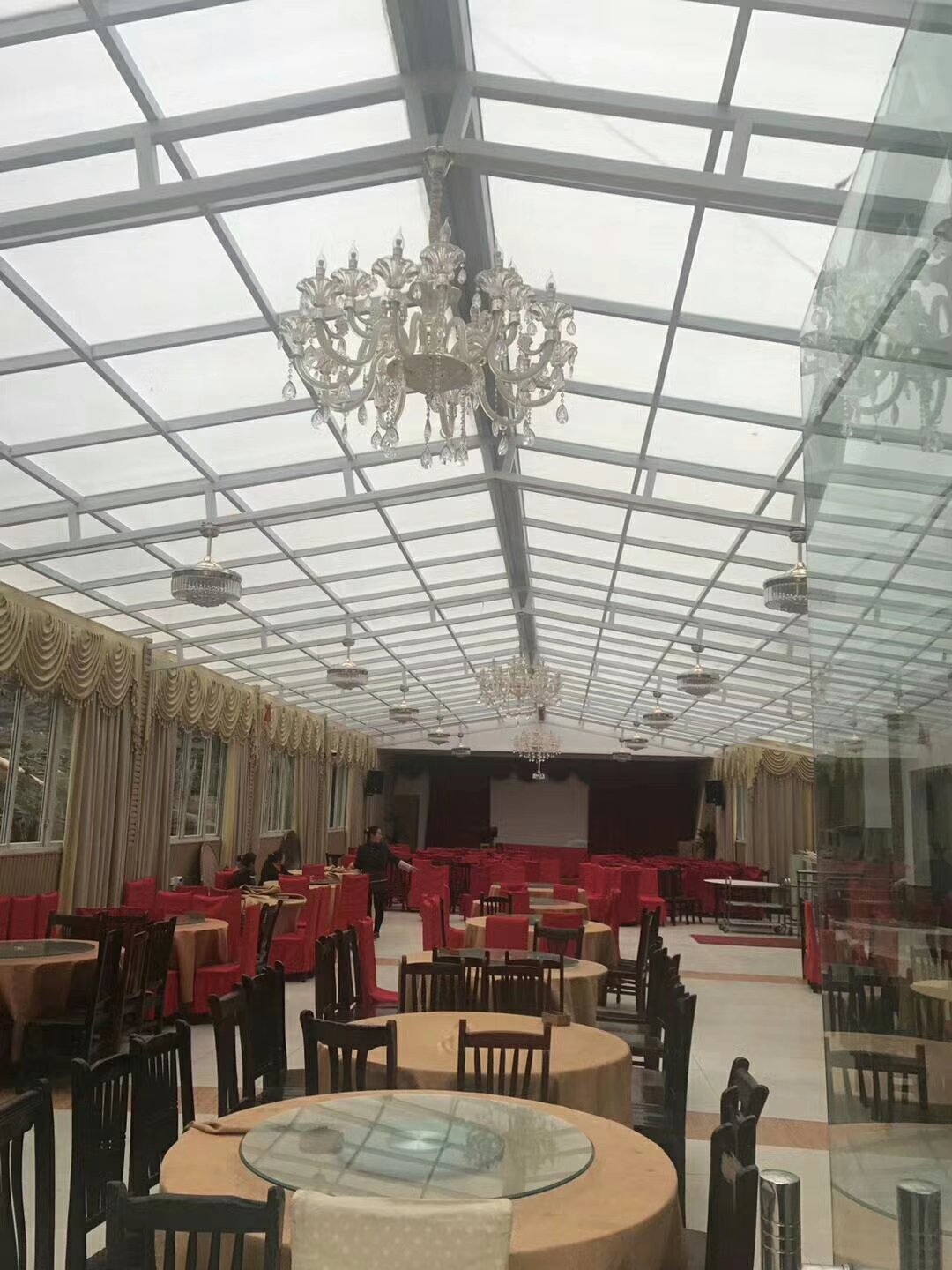
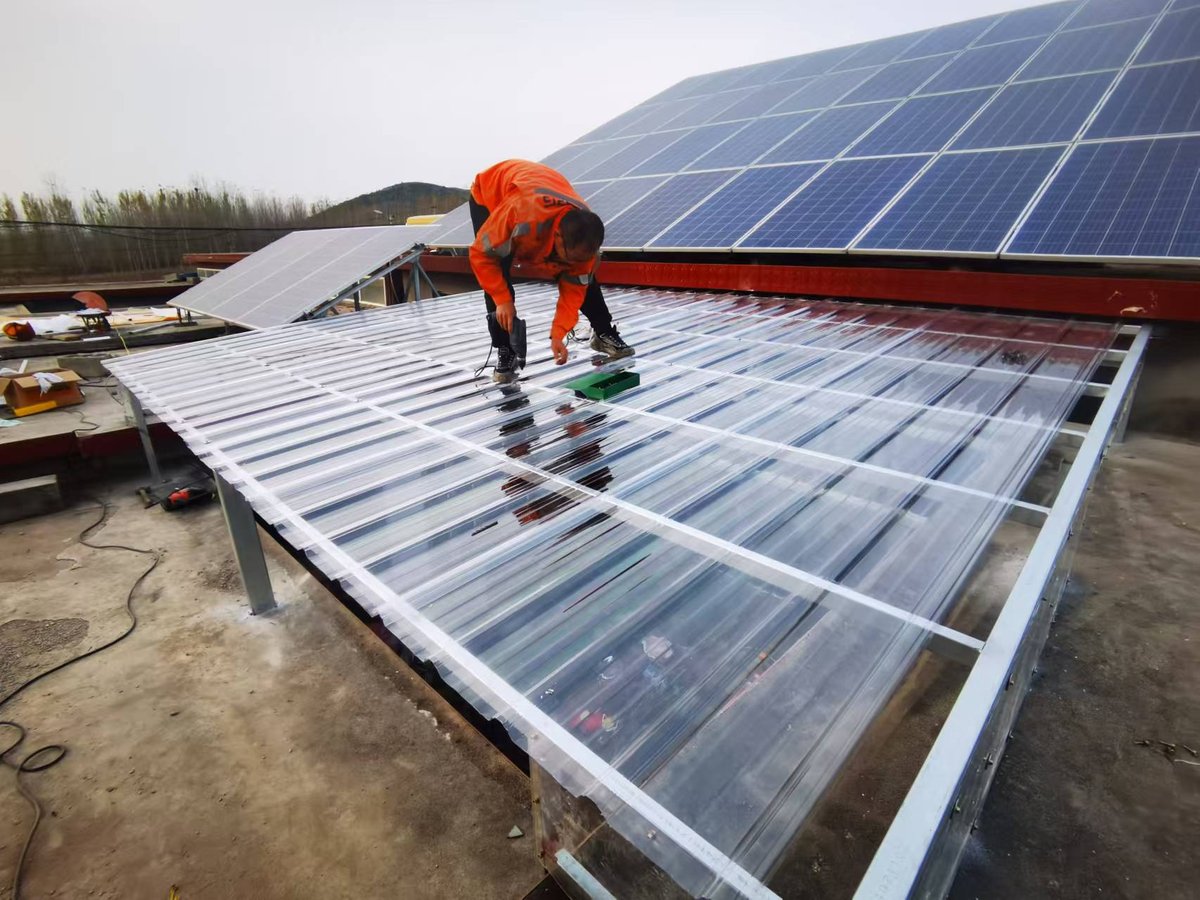
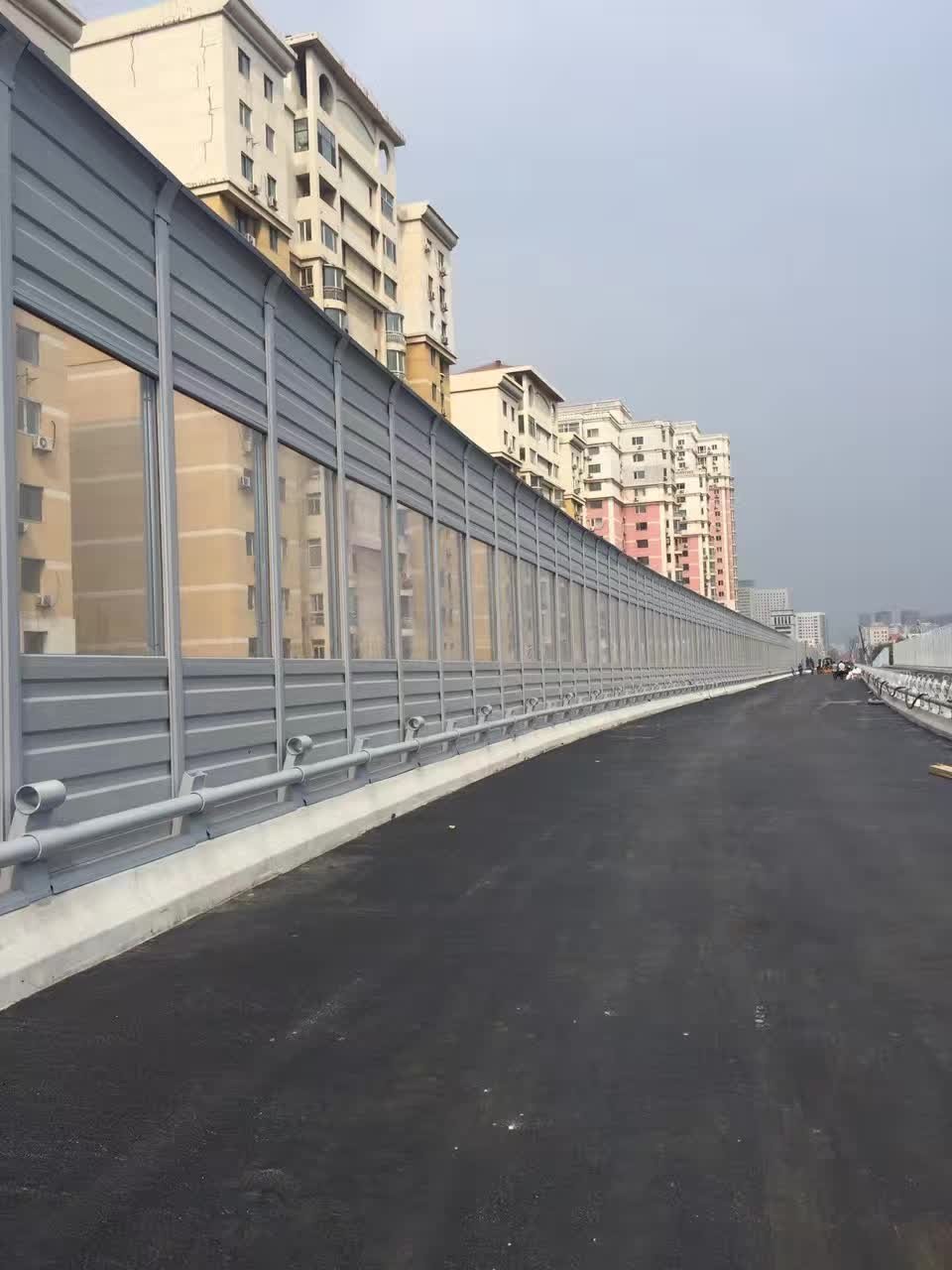
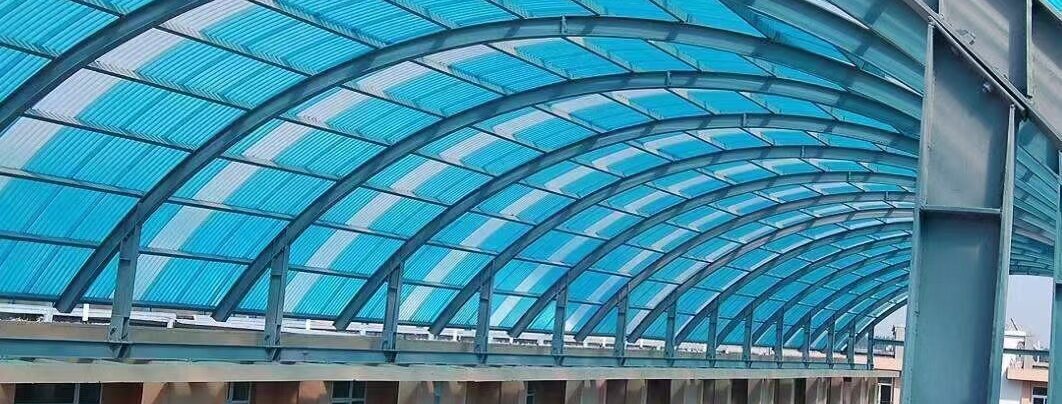
Jietai polycarbonate has numerous applications, such as curtain wall,construction skylight, greenhouse panles, noise barrier and advertising board ect.
For greenhouse growers and agricultural businesses worldwide, choosing the right covering material is critical to maximizing crop yield, reducing energy costs, and ensuring long-term durability. While traditional materials like glass and single-layer plastic have been used for decades, multiwall polycarbonate sheets have emerged as the preferred choice for modern greenhouses. Lightweight, shatterproof, and thermally efficient, they address the key pain points of greenhouse operation—from temperature control to UV protection. In this article, we’ll break down the top reasons why multiwall polycarbonate sheets are the ideal investment for your greenhouse, tailored for buyers and procurement teams seeking reliable, cost-effective agricultural solutions. 1. Superior Thermal Insulation Saves Energy & Stabilizes Temperature One of the biggest challenges in greenhouse management is maintaining a consistent internal temperature, especially in regions with extreme hot or cold weather. Multiwall polycarbonate sheets solve this with their unique internal structure—twin-wall, triple-wall, or honeycomb layers create air pockets that act as natural insulation barriers. Air is a poor conductor of heat, so these pockets reduce heat transfer between the inside and outside of the greenhouse. Compared to single-layer plastic (which offers almost no insulation) and glass (which conducts heat easily), multiwall polycarbonate sheets lower the U-value (a measure of heat loss) to 1.8-2.5 W/(m²·K) (depending on thickness). This means less energy is needed for heating in winter and cooling in summer, cutting your energy bills by 30-40% over time. For commercial growers, this translates to significant cost savings and more stable growing conditions for temperature-sensitive crops like tomatoes, herbs, and flowers. 2. Excellent Light Transmission & UV Protection Crop growth depends on high-quality light, and multiwall polycarbonate sheets deliver exceptional light transmission—80-90%, nearly matching glass. Unlike single-layer plastic, which yellows and becomes brittle over time, multiwall polycarbonate is equipped with a co-extruded UV protective layer (80μm thick) that blocks…
Polycarbonate (PC) panels have become a staple in construction, industrial, and outdoor projects, thanks to their lightweight, high impact resistance, and superior light transmission. Yet, improper transportation often leads to avoidable damage—scratches, cracks, or deformation—that compromises product quality and drives up project costs. This practical guide simplifies the key steps, precautions, and type-specific tips for transporting PC panels, helping purchasers, logistics teams, and project managers ensure safe, intact delivery every time. 1. Pre-Transport: Packaging – Your First Line of Protection The right packaging is critical to shielding PC panels from transit damage. Below are tailored tips for common panel types, plus universal best practices: 2. During Transport: Loading & Securing – Avoid Slips and Impacts Proper loading and securement are essential to prevent panels from sliding, bending, or colliding during transit. Follow these key rules: 3. Post-Transport: Unloading & Inspection – Ensure Intact Delivery The final step to safe transport is careful unloading and thorough inspection. Here’s how to do it right: 4. Common Mistakes to Avoid Many transit damages are caused by simple errors. Steer clear of these common pitfalls: Conclusion Transporting PC panels doesn’t have to be complicated—success lies in tailored packaging, standard loading, and careful handling, especially when dealing with different panel types. By following these simple, practical steps, you can avoid costly damage, protect product quality, and keep your projects on track. With 20 years of experience in the polycarbonate panel industry, we offer one-stop solutions, including custom packaging, transport guidance, and reliable after-sales support. For personalized advice on your specific panel transport needs, reach out to our team today. Disclaimer: This article is for general guidance only. Adjust transport methods based on panel size, quantity, and distance. For special panel specifications, consult a professional logistics provider for customized solutions.
When choosing transparent materials for projects, polycarbonate (PC) and acrylic sheets are top choices. This guide simplifies their key differences, applications, and selection tips to help you make the right decision quickly. 1. Core Differences: Key Properties Below is a concise comparison of their critical features: Key Property Polycarbonate (PC) Sheet Acrylic Sheet Impact Resistance Extremely tough (250-300x glass), shatterproof Brittle, prone to cracking/shattering Weather Resistance Excellent (UV-coated), 15-25 years outdoor lifespan Poor uncoated, yellows in 5-8 years outdoors Clarity & Cost 88-92% clarity; higher initial cost, lower long-term cost 90-93% clarity; lower initial cost, higher replacement cost Other Features Wide temp range (-40°C to 120°C), flexible processing Scratch-resistant, polishable, sensitive to high temps 2. Best Applications for Each Polycarbonate (PC) Sheets Ideal for outdoor, high-safety scenarios: Acrylic Sheets Perfect for indoor, low-impact, cost-sensitive projects: 3. Quick Selection Guide Conclusion PC excels in durability and outdoor adaptability, while acrylic is cost-effective for indoor use. Select based on your project’s environment, safety needs, and budget. With 20 years of industry experience, we offer high-quality PC/acrylic sheets and professional advice. Contact us for customized solutions. Disclaimer: This guide is for reference only. Consult professionals for specific project needs.
Polycarbonate (PC) is a high-performance engineering plastic with unique toughness, transparency, heat resistance and processability. Unlike ordinary plastics or glass, it performs well in extreme and complex scenarios, making it essential in many industries. This guide simplifies its special applications across key fields. 1. Construction: Beyond Ordinary Glazing PC’s lightweight, impact-resistant and UV-protective features make it ideal for construction scenarios where glass falls short. 2. Automotive: Lightweight & Safe Solutions PC supports automotive energy conservation and safety with its lightweight, impact-resistant and heat-resistant properties. 3. Electronics & Electrical: Durable & Functional PC’s flame resistance, insulation and flexibility make it core for electronic products in harsh or precision scenarios. 4. Special Industries: Extreme Environment Adaptability PC excels in special industries where ordinary materials fail, thanks to its unique properties. 5. Why Polycarbonate Stands Out PC’s advantages—250-300x impact resistance vs glass, -40℃ to 120℃ temperature range, transparency, flame resistance and processability—make it the top choice for complex, high-demand scenarios[1][5]. Conclusion PC’s special applications span construction, automotive, electronics and more, driving industrial innovation with its adaptability. With 20 years of experience, we offer high-quality PC products and customized solutions for all special applications. Contact us for professional guidance. Disclaimer: This article is for guidance only. Select applications based on product specs and consult suppliers for custom solutions.
Polycarbonate (PC) is favored for its transparency and durability, with UV protection as its core advantage. This guide simplifies its UV-resistant features, application scenarios and usage precautions for practical reference. UV radiation accelerates material aging and harms human health. For transparent materials, UV resistance is critical—and polycarbonate stands out as the top choice for outdoor and high-demand scenarios. 1. Why Polycarbonate Excels in UV Protection Compared with ordinary plastics and glass, polycarbonate has unique advantages in UV protection: Note: Thicker PC sheets and UV-coated products have better UV blocking effects. 2. UV Protection Application Scenarios 2.1 Architectural Field Used for daylighting roofs, canopies and exterior cladding, blocking UV rays while ensuring light transmission and preventing building material aging. 2.2 Agricultural Field Greenhouse covers filter harmful UV rays, protect crops, retain needed visible light, and improve yield and quality. 2.3 Electronic & Daily Necessities Used for outdoor electronic casings, sunshades and goggles, preventing equipment discoloration and protecting human skin/eyes. 2.4 Medical & Cultural Fields Protective covers and display cases made of PC block UV, protecting medical instruments and cultural relics without affecting observation. 3. Usage Precautions Conclusion Polycarbonate’s excellent UV protection makes it ideal for outdoor, agricultural, electronic and other scenarios. With 20 years of industry experience, we provide high-quality UV-resistant PC products and professional guidance to meet your project needs. Disclaimer: This guide is for reference only. Select products based on actual needs and consult professionals for customization.
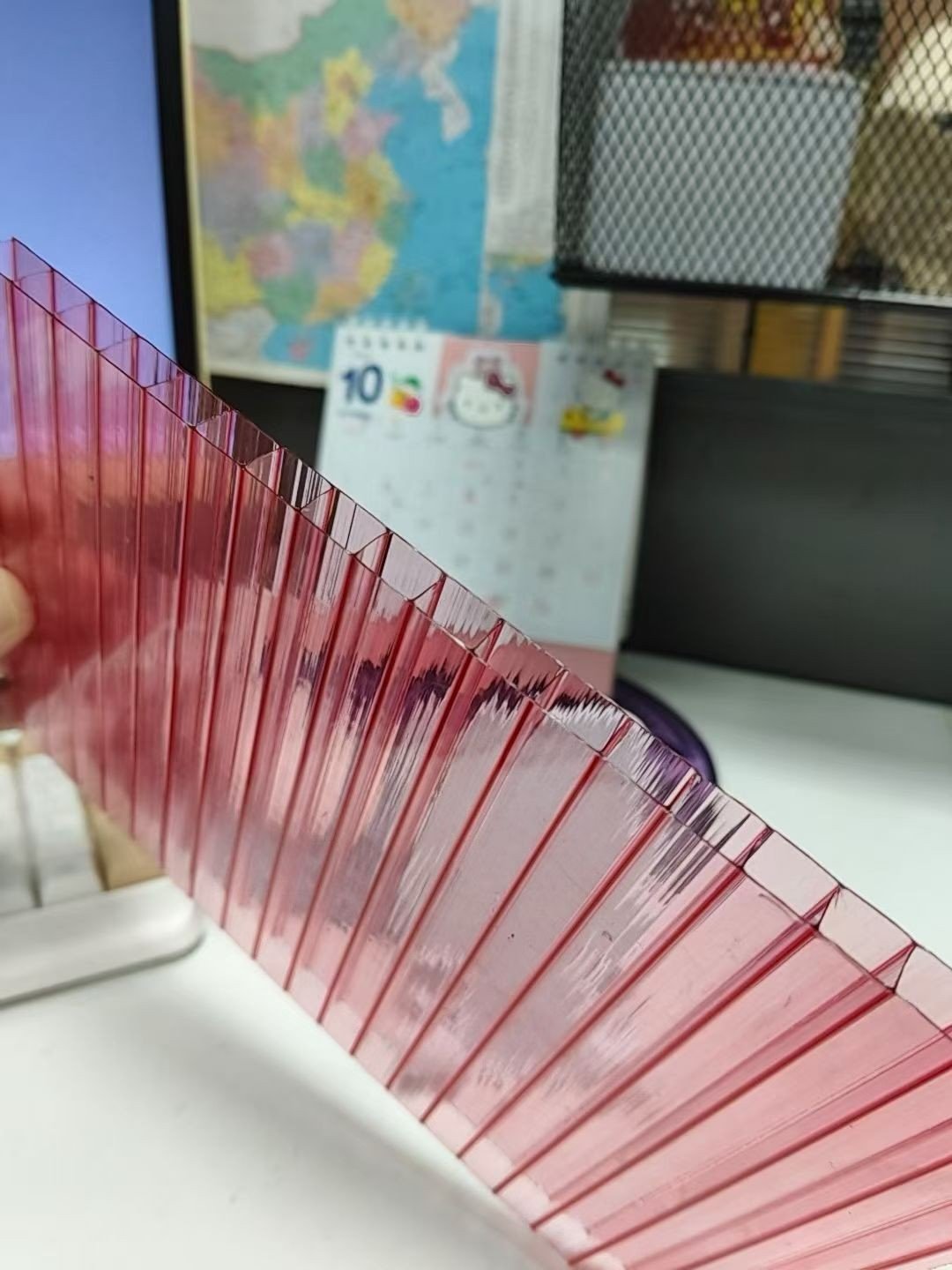
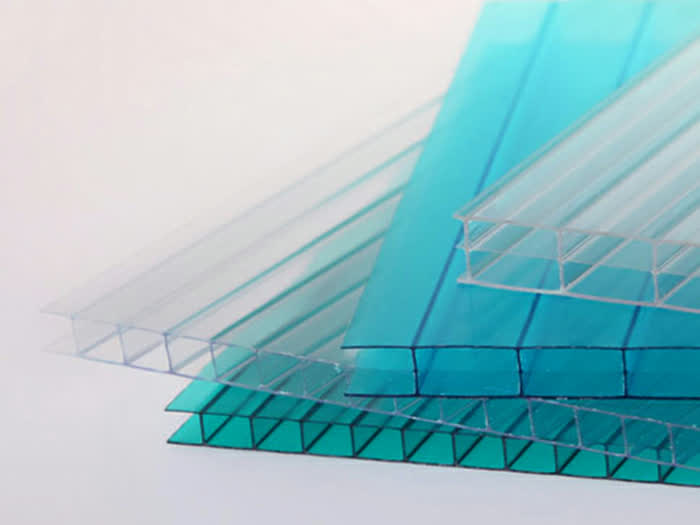
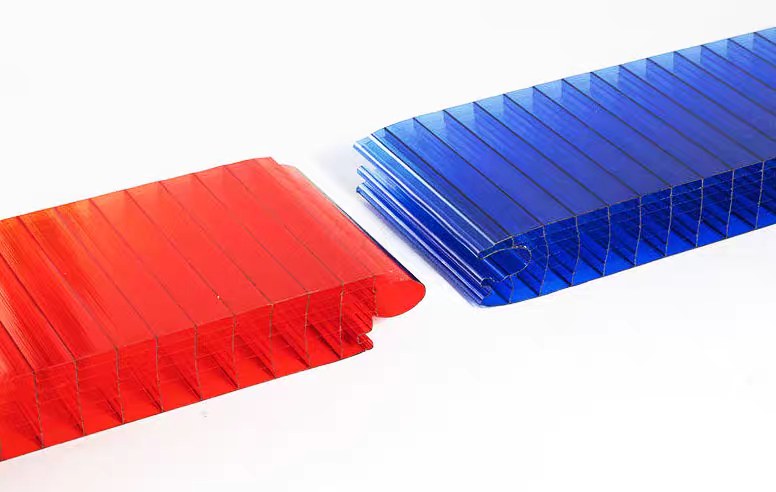
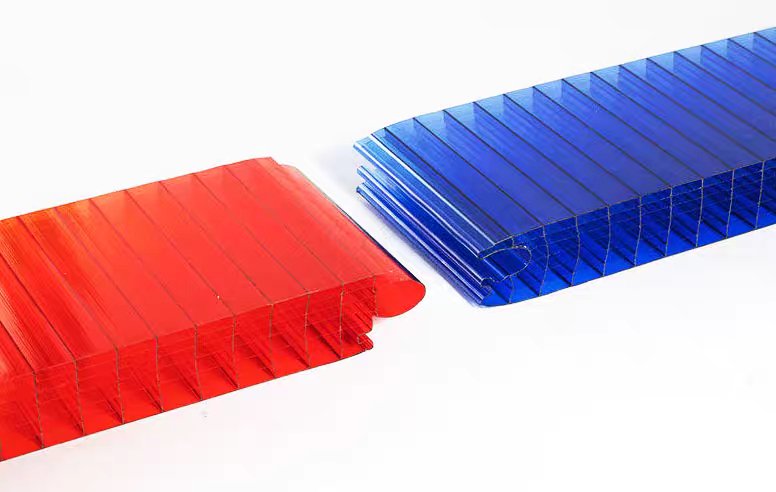
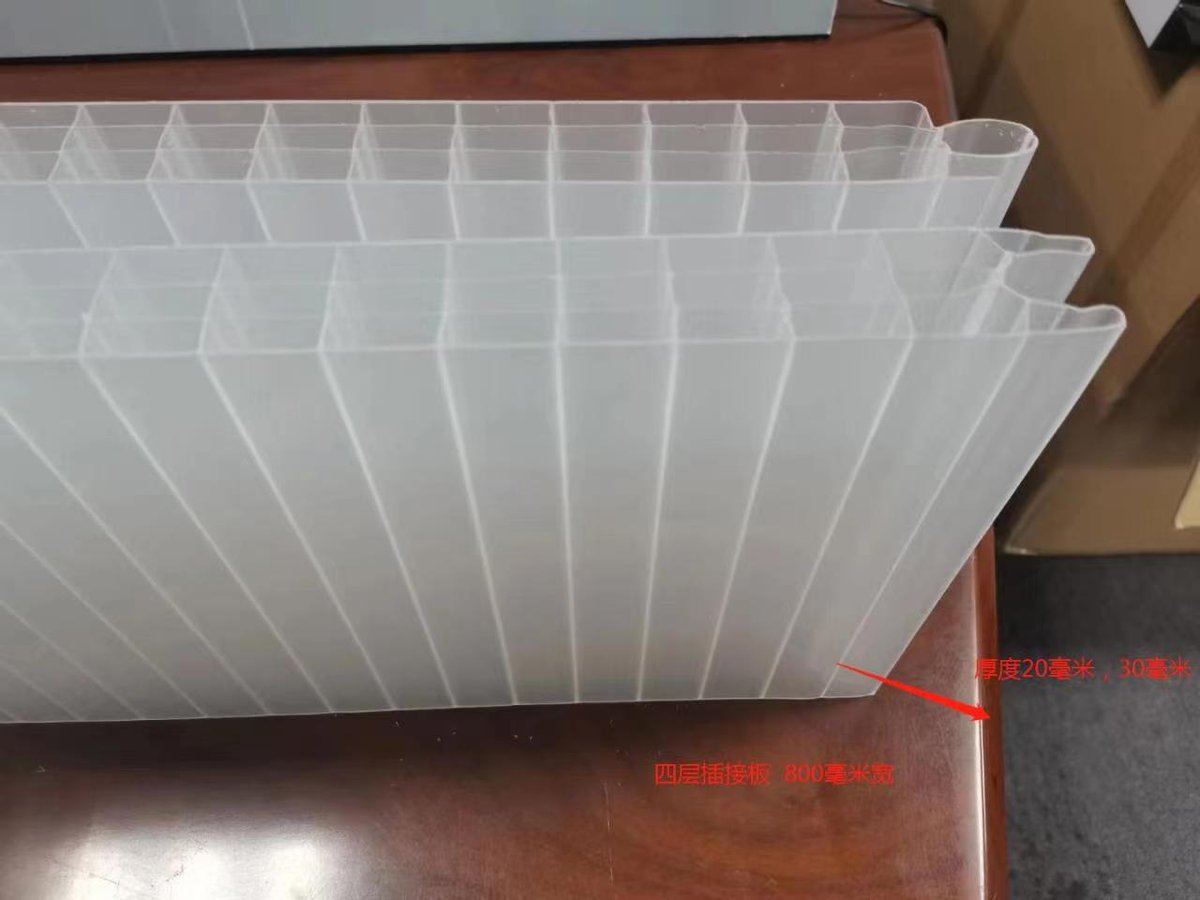
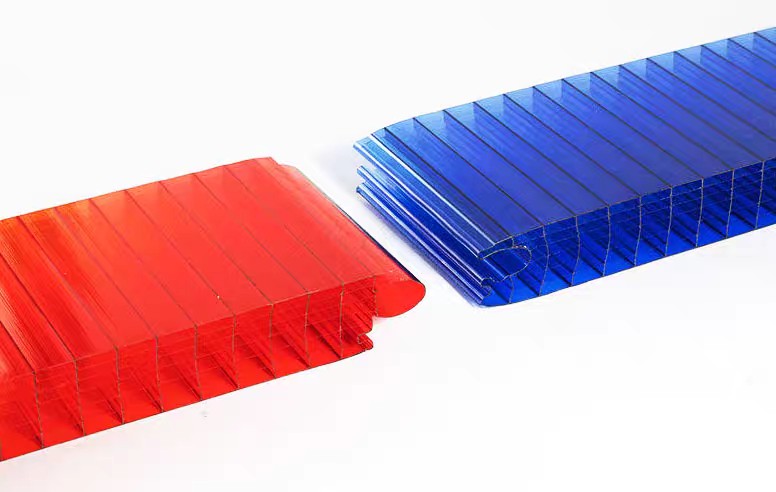
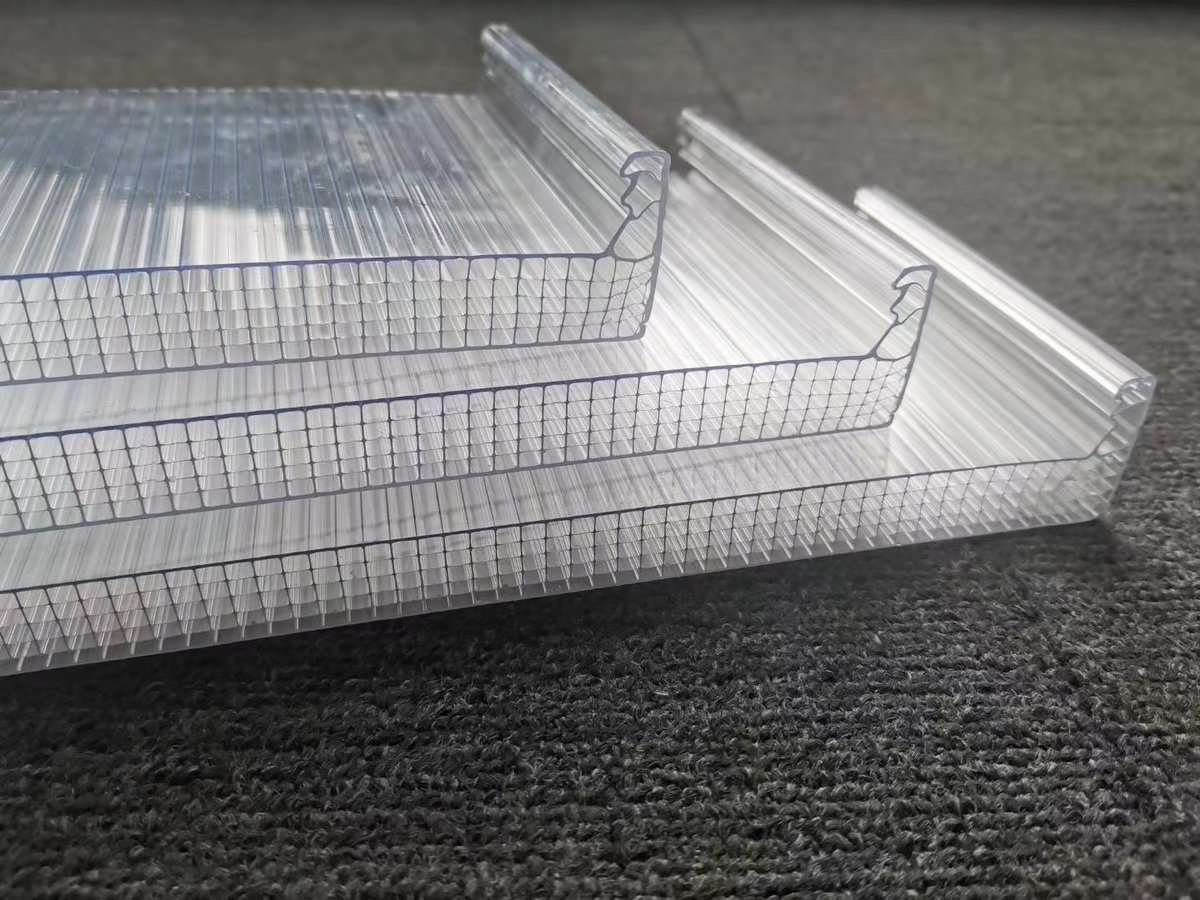
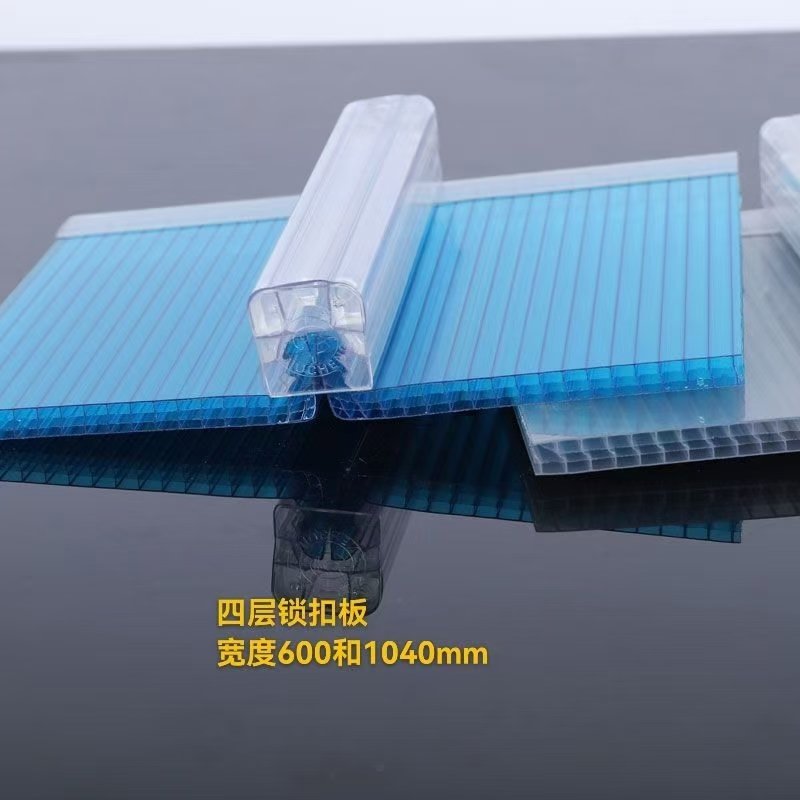
Hollow polycarbonate (PC) sheets are widely used in construction, agriculture, and commercial fields for their lightweight, thermal insulation, and durability. With various types available, this guide helps you choose the right one for your needs. 1. Common Types of Hollow Polycarbonate Sheets 1.1 Twin-Wall Polycarbonate Sheets The most widely used type, with two parallel panels connected by vertical ribs, forming a single hollow layer. It’s lightweight, cost-effective, and has good light transmittance (85%-90%). Suitable for small greenhouses, residential canopies, and indoor daylighting. Thickness ranges from 4mm to 10mm, ideal for basic insulation and light transmission needs. 1.2 Triple-Wall Polycarbonate Sheets With three panels and two hollow layers, it offers better thermal insulation and structural strength than twin-wall sheets. Suitable for commercial greenhouses, industrial workshops, and medium-sized daylighting projects. Thickness is 8mm-20mm, with strong UV resistance. 1.3 Multi-Wall Polycarbonate Sheets (4+ Walls) Designed for high-demand scenarios, with 4 or more panels and multiple hollow layers. It has excellent thermal insulation, soundproofing, and load-bearing capacity. Suitable for large-scale architectural daylighting, cold storage, and noise barriers. Thickness starts from 20mm. 2. Key Selection Factors 3. Practical Selection Guide Disclaimer: This guide is for reference only. Select products based on actual project requirements and consult professionals for customization.