
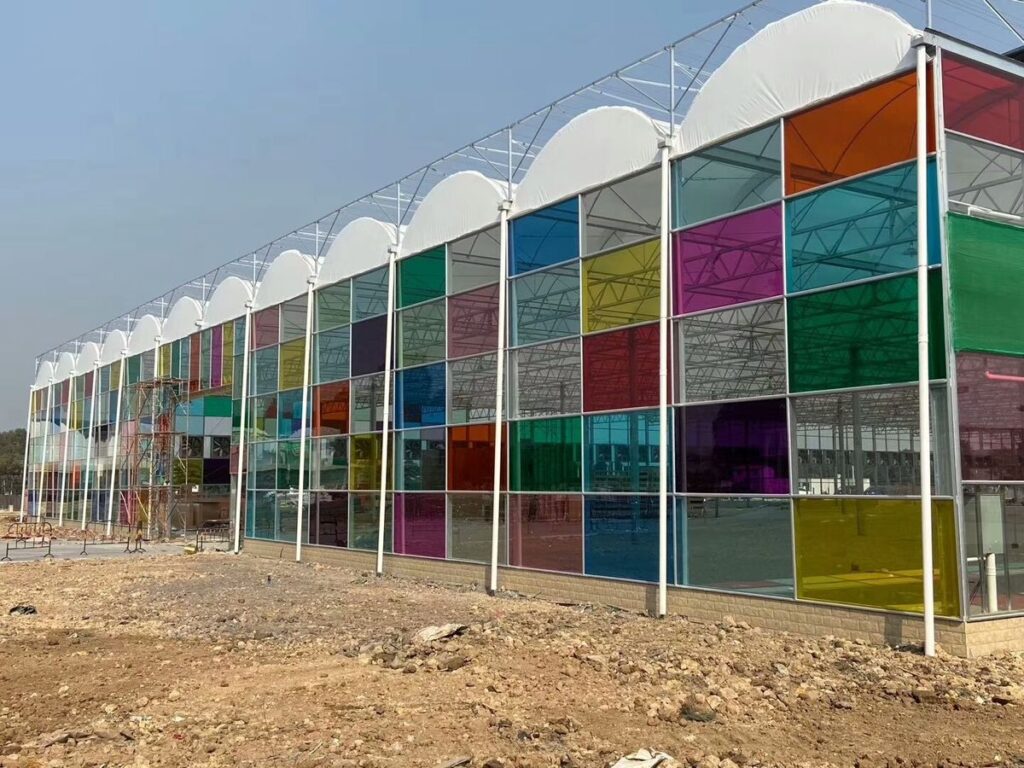
Carport and greenhouse buyers usually get stuck on the same two questions: which multiwall polycarbonate thickness will hold up to wind and snow load on my span, and how much UV protection do I actually need before the sheet starts to yellow. Pick too thin and the panel bows between purlins; pick too thick and you overspend on structure that didn’t need it. Get the UV layer wrong and a five-year-old roof looks fifteen.
The answer depends on span, purlin spacing, and climate — not on a single “best” number. This guide walks through how to choose multiwall polycarbonate thickness and UV layer for carports and greenhouses, with the spans and service-life ranges we build to at the factory.
What Multiwall Polycarbonate for Carports and Greenhouses Actually Is
Multiwall polycarbonate is a twin-wall or multi-wall extruded sheet with hollow flutes running the length of the panel. The air chambers do the insulating, the polycarbonate does the load-bearing, and a co-extruded UV layer on the weather face protects the plastic from sunlight-driven breakdown.
The difference between a generic sheet and a specification-grade sheet is mostly in three places: the UV layer is co-extruded into the cap rather than sprayed on, the wall structure is uniform along the full length, and the sheet is produced to a stated weight per square meter rather than a nominal thickness only. Sprayed or thin UV coatings chalk and fail early; a properly co-extruded cap holds its clarity far longer. That is the real differentiation buyers should be checking before they compare multiwall polycarbonate for carports and greenhouses on price alone.
What Buyers Actually Save On
- Correct thickness means fewer purlins. A 10 mm sheet spanning 1,000 mm between purlins needs less steel than a 6 mm sheet at 700 mm — you save on frame steel and installation labor, not just sheet cost.
- Co-extruded UV means fewer callbacks. A sheet that yellows in three years means a re-roof and a warranty claim. A UV cap rated for the climate keeps transmission stable and keeps you out of that conversation.
- Uniform wall structure means no sagging panels. Thin-walled sheet deflects under snow and ponding water; a properly weighted sheet holds its profile and keeps gutters and frames aligned.
- Longer service life means lower cost per year. A 10–15 year panel amortized over its life usually costs less per year than a cheap sheet replaced twice.
- Right span means fewer leaks. Panels that match purlin spacing and use proper closure profiles leak less at fixings and end laps.
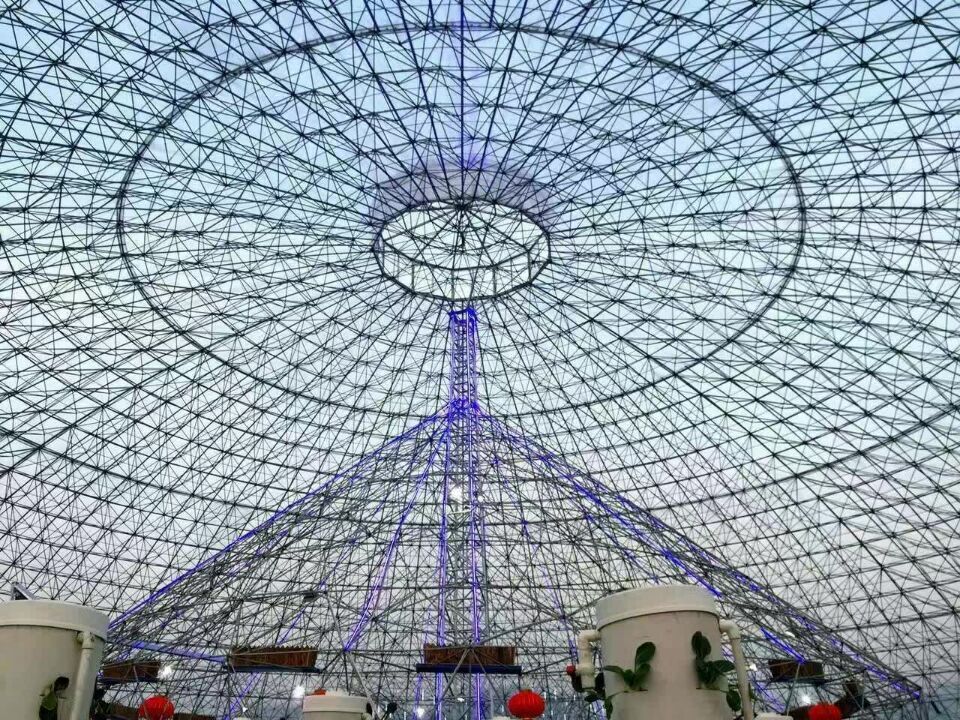
Multiwall Polycarbonate Thickness and UV Spec Table
Use this as a starting range. Final thickness depends on your local wind and snow load, which you should confirm with your structural engineer.
| Thickness | Structure | Light transmission | UV layer | Recommended span | Service life |
|---|---|---|---|---|---|
| 6 mm | Twin-wall | ~80% | Co-extruded, ~40–50 µm | Up to 700 mm purlin spacing | 10 years |
| 8 mm | Twin-wall | ~78% | Co-extruded, ~40–50 µm | Up to 800 mm | 10–12 years |
| 10 mm | Twin-wall | ~75% | Co-extruded, ~50 µm | Up to 1,000 mm | 12–15 years |
| 16 mm | Triple-wall / multi-wall | ~70% | Co-extruded, ~50–60 µm | Up to 1,200 mm | 15 years |
| 20–25 mm | Multi-wall | ~65–68% | Co-extruded, ~50–60 µm | Up to 1,500 mm | 15+ years |
For most residential carports, 8–10 mm twin-wall is the practical range. For commercial greenhouses in snow country, 16 mm multi-wall is common because the extra chambers improve insulation and stiffness.
Where Each Thickness Fits
Residential carport, moderate climate. A single-car carport with 800 mm purlin spacing typically uses 8 mm twin-wall. It handles normal wind uplift and light snow, and keeps the frame light.
Commercial carport or canopy, high wind or snow. A 10–16 mm sheet at 1,000–1,200 mm spacing is the usual choice. The extra stiffness lets you reduce purlin count and meet load requirements without overbuilding steel.
Greenhouse glazing, year-round growing. 16 mm multi-wall with a 50–60 µm co-extruded UV layer gives the insulation and light diffusion growers want. In high-snow regions, confirm snow load with your engineer before fixing purlin spacing.
Cold-climate greenhouse or high-altitude carport. 20–25 mm multi-wall is used where insulation and stiffness matter most. It costs more per square meter but reduces frame weight and heat loss.
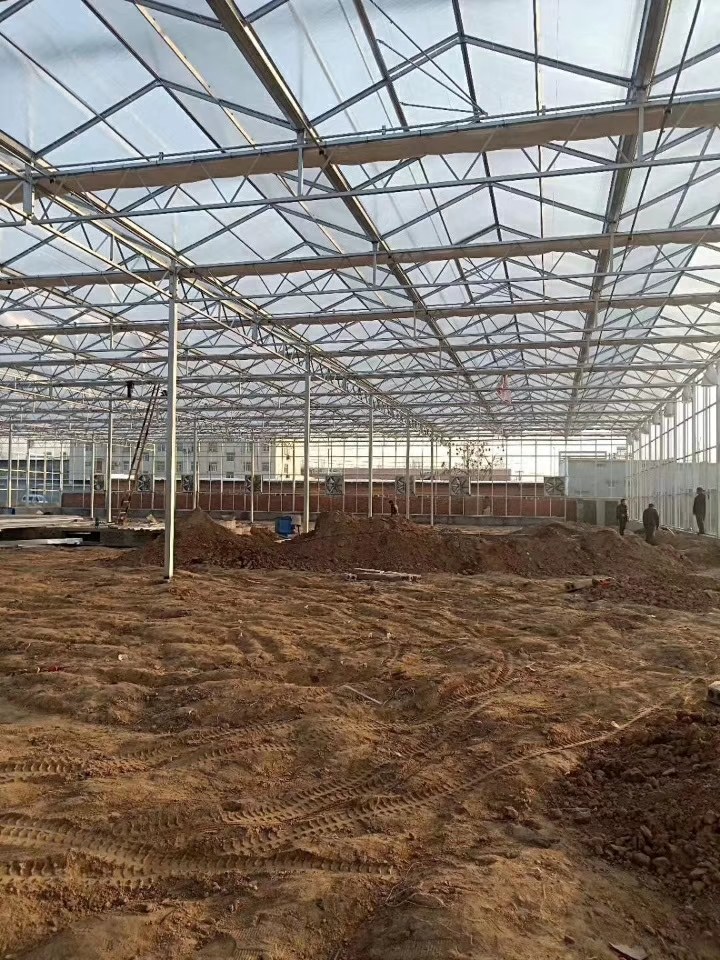
Customization and Supply Scope
We cut multiwall polycarbonate for carports and greenhouses to custom lengths, typically from 2,000 mm up to 12,000 mm, so panels match your roof runs and reduce on-site cutting waste. Colors include clear, opal, bronze, and standard tints; custom tints are available on request.
MOQ is quoted per order based on thickness, length, and color, and lead time is confirmed per order after drawing and specification review. We supply matching H-profiles, U-profiles, and closure strips so the panel and frame go together. Send your roof plan and we will confirm what fits.
Factory and Warranty Backing
Jietai is a source manufacturer of polycarbonate sheet, running co-extrusion lines that produce twin-wall and multi-wall sheet with the UV cap extruded in-line. Because we control the extrusion, we can hold wall structure and UV thickness to a stated range rather than a nominal one.
Warranty is offered on a term basis tied to thickness, UV layer, and installation conditions — typically 10 years for 6–8 mm sheet and up to 15 years for 16 mm and above, subject to the written warranty terms on your order. We do not publish test reports or certificate numbers here; request the current documentation for your project and we will provide what is on file.
FAQ
How many years will multiwall polycarbonate last on a carport?
With a co-extruded UV layer and correct installation, expect 10–15 years depending on thickness and climate. Sheets without a proper UV cap can yellow and embrittle in three to five years.
Will the sheet crack in winter?
Properly installed polycarbonate handles cold well, but it expands and contracts with temperature. Leave the recommended clearance at fixing holes and frame edges, and use the correct closure profiles, or stress cracks can appear at fixings.
How do I fix multiwall polycarbonate to a steel tube frame?
Use self-drilling screws with EPDM washers through the crest of the sheet at every second purlin, pre-drill holes 2–3 mm larger than the screw, and don’t overtighten. Keep screws at least 40 mm from panel edges.
Does clarity drop over time?
Clear sheet loses some transmission as it ages, but a co-extruded UV layer slows that significantly. Opal or bronze tints hide yellowing better if appearance matters more than maximum light.
Can I get custom lengths for my roof?
Yes. We cut to your roof run length, typically up to 12,000 mm, which reduces joints and on-site waste. Send your dimensions and we will confirm the cut list.
Get a Spec and Quote
Send your carport or greenhouse dimensions, purlin spacing, and local wind and snow load, and we will recommend the right multiwall polycarbonate thickness and UV layer and return a written specification and quote.
Request a Sample or Drawing Review
Related reading
- Multiwall Polycarbonate Sheets for Greenhouses: Glazing, Insulation and Light Diffusion
- Corrugated vs Multiwall Polycarbonate Sheets: Which Roofing Panel Should You Choose?
- Solid Polycarbonate Sheet Selection Guide: Thickness, UV Coating and Impact Resistance
Prefer to see the sheet first? Request a sample of the thickness and color you are considering, or send your roof drawing and we will review the panel layout and fixing details against your frame.
Choosing between carports and greenhouses?
Send us four things and we’ll come back with the right sheet type, thickness and fixing details — plus a reference project for the same application:
- What you are building — carport, greenhouse, or both
- Size — span and length, or total area in m²
- Whether you need insulation or maximum light
- Destination country or port
Related on this site
- Polycarbonate for Greenhouses — 8 mm twin-wall, anti-drip, dual-sided UV
- Polycarbonate for Carports & Canopies — solid 6 mm for impact, multiwall for diffusion