What Makes Polycarbonate an Effective Sound Barrier Material
Polycarbonate (PC) sheets are increasingly recognized as an effective sound insulation material in modern construction and industrial applications. Unlike traditional glass or acrylic panels, polycarbonate offers a unique combination of impact resistance, light weight, and acoustic damping properties that make it ideal for noise control solutions. This guide examines the sound insulation performance of polycarbonate sheets, providing decibel data and STC (Sound Transmission Class) ratings to help you make informed decisions for your project.
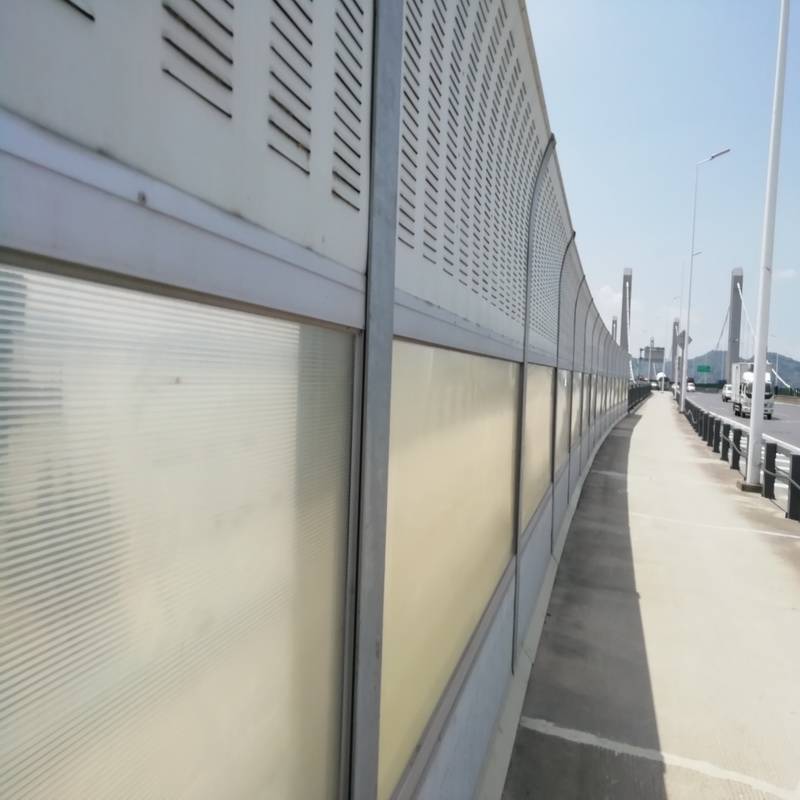
Decibel Ratings and Sound Reduction of PC Sheets
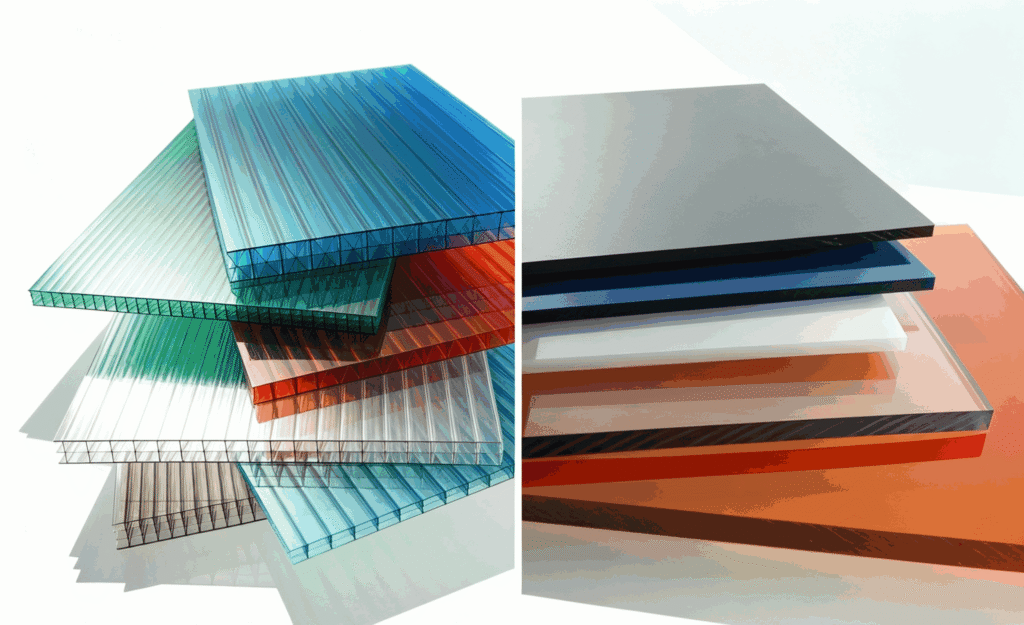
The sound insulation performance of polycarbonate sheet is typically measured in decibels (dB) and STC ratings. A standard 10mm multiwall polycarbonate sheet can reduce sound by approximately 18-22 dB, while thicker solid polycarbonate panels (12-16mm) achieve 25-30 dB reduction. For comparison, a 10dB reduction cuts perceived loudness by roughly half. Polycarbonate achieves these ratings through its multi-layer cellular structure, which traps and disperses sound waves across different frequencies. The internal ribbing in multiwall panels acts as a natural sound-dampening barrier, effectively reducing both airborne and impact noise transmission.
STC Ratings: Polycarbonate vs. Glass
When comparing polycarbonate sound insulation performance against glass, several STC (Sound Transmission Class) ratings are notable. Standard single-pane glass typically rates STC 25-30, while 6mm solid polycarbonate achieves STC 28-33, and 10mm multiwall PC panels reach STC 30-35. This means polycarbonate can match or exceed glass in sound insulation while offering significantly better impact resistance — up to 250 times stronger than glass. For noise-sensitive applications like highway barriers, school windows, or industrial partitions, polycarbonate provides superior acoustic performance combined with safety and durability that glass cannot match.
Key Factors Affecting Sound Insulation Performance
The sound insulation performance of polycarbonate sheets depends on several critical factors. Sheet thickness is the most significant variable — thicker panels naturally block more sound across all frequencies. Multiwall panel design also matters: panels with more layers (5-wall, 7-wall) provide better acoustic damping than 2-wall or 3-wall configurations. Installation method plays an equally important role — proper sealing at panel joints, using acoustic gaskets, and eliminating air gaps can improve overall sound reduction by 5-10 dB. Material density and panel width (standard 6m lengths) also contribute to the overall acoustic performance of the finished installation.
Practical Applications for PC Sound Barriers
Polycarbonate sheet acoustic performance makes these panels ideal for numerous real-world applications. Highway noise barriers along residential areas benefit from PC’s combination of sound reduction, durability, and transparency. Industrial facility partitions and machinery enclosures use polycarbonate to contain equipment noise while allowing light transmission. In agricultural settings, greenhouses near roads benefit from the sound-dampening properties of multiwall PC panels. Sports facility roofing, railway station canopies, and airport sound barriers are increasingly specified with polycarbonate sheets due to their excellent decibel reduction, weather resistance, and long service life of 15-20 years.
How Jietai Can Help
Jietai Manufacturing offers a complete range of polycarbonate sheets designed for sound insulation applications. Our multiwall PC panels range from 4mm to 16mm thickness, with custom STC-rated configurations available for noise barrier projects. With over 15 years of manufacturing experience, factory-direct pricing, and ISO-certified quality control, Jietai is your trusted partner for PC sheet sound insulation solutions worldwide. Contact us today for customized decibel rating recommendations based on your specific project requirements.