
Three materials are sold as clear sheet, and buyers regularly choose between them on light transmission alone — which is the one number where they are almost identical. Polycarbonate glazing, acrylic and glass differ by an order of magnitude in impact strength, by a factor of three in weight and by a factor of seven in thermal movement, and those three differences decide whether a canopy survives a hail storm and whether a panel cracks the first summer. This guide compares the three honestly, including where each material fails, and sets out which one belongs on which job.
The Three Materials Side by Side
| Property | Solid polycarbonate | Acrylic (PMMA) | Float glass |
|---|---|---|---|
| Density | 1.20 g/cm³ | 1.19 g/cm³ | About 2.5 g/cm³ |
| Weight at 4 mm | About 4.8 kg/m² | About 4.7 kg/m² | About 10 kg/m² |
| Light transmission | 88–90% | About 92% | 88–91% |
| Impact | 100–250× glass, 30× acrylic | Cracks on impact | Shatters unless toughened |
| Surface hardness | Soft; needs a hard coat | Hard, polishable | Very hard |
| Thermal expansion | 6.8 × 10⁻⁵ /°C | 7 × 10⁻⁵ /°C | About 0.9 × 10⁻⁵ /°C |
| Elastic modulus | About 2.3 GPa | About 3.3 GPa | About 70 GPa |
| Service temperature | −40 to +120 °C | 70–80 °C | Far higher |
| UV blocking | Up to 99% UV-A with co-extruded layer | Up to 98% in UV grades | About 25% |
| Cold bending | Yes, to roughly 175× sheet thickness | Limited | No |
Impact: Why the “Times Stronger” Number Keeps Changing
Catalogue figures for polycarbonate range from 100 to 250 times glass, and to 30 times acrylic. None of them is wrong: the ratio depends on the test method, the sheet thickness, what it is compared against and the temperature. Thin annealed glass breaks at very low energy, so the ratio is high; toughened glass absorbs far more, so the ratio falls.
For specification purposes the useful statement is simpler. At equal thickness, solid polycarbonate does not break in normal building use; acrylic cracks; glass shatters into sharp shards. Where the panel is overhead, reachable, or exposed to hail, that difference is the whole argument — and it is why canopies, skylights, machine guards and security glazing are polycarbonate, not glass.
Stiffness and Expansion: Why Polycarbonate Fails When Installed Like Glass
This is the failure mode behind most complaints about polycarbonate, and it has nothing to do with the material’s quality. Polycarbonate is about 30 times less stiff than glass (2.3 GPa against 70 GPa) and expands about seven times as much (6.8 × 10⁻⁵ against 0.9 × 10⁻⁵ per °C). A glazier who fixes it the way glass is fixed — tight holes, rigid beads, panels butted tight — builds in a failure.
- Oversized fixing holes — the hole must be 3–4 mm larger than the fastener so the sheet can move; a tight hole cracks at the first hot day.
- No rigid clamping — use gaskets and profiled washers, and never trap the sheet between two hard surfaces.
- A gap at every edge — roughly 3 mm per metre of panel, left free, not filled solid.
- Deeper purlins — the frame spacing that suits 6 mm glass is too wide for 6 mm polycarbonate, because the sheet deflects more.
Glass is the opposite: stiff, dimensionally stable and unforgiving of impact. Installers who move from glass to polycarbonate must change their fixing details, and the ones who do not are the ones who report cracking.
Optics: Transmission, Haze and UV
Clear acrylic transmits about 92% of visible light, glass 88–91% and solid polycarbonate 88–90%. In a room the difference is not visible; the eye cannot separate 88% from 92% through a window. What is visible is haze, colour shift and yellowing over time.
Polycarbonate needs a co-extruded UV layer to survive outdoors, and with it blocks up to 99% of UV-A — which is why it protects interiors and display goods better than ordinary glass. Acrylic is naturally UV stable and available in UV-filtering grades that block over 98% below 380 nm, the specification for museum cases. Float glass passes roughly three-quarters of UV-A, so a glass display case does not protect pigments on its own.
Weight and the Frame Behind It
At 4 mm, polycarbonate and acrylic weigh about 4.8 kg/m² against about 10 kg/m² for glass. On a large canopy or a roof light that saving propagates down into purlins, rafters and foundations — often the greater part of the project cost. On a domestic window it does not matter at all.
Weight also decides installation method: a 6 m polycarbonate panel is handled by two people, the same panel in glass needs plant and a crane, and the risk profile of the installation changes with it.
Heat, Fire and Chemical Behaviour
Acrylic softens first: continuous service around 70–80 °C and a Vicat point near 103–115 °C, so a dark panel against a hot frame is a risk. Polycarbonate runs to about 120 °C continuously and deforms near 140 °C, and standard grades are flame retardant to UL 94 V-2 with better grades available. Glass simply wins on heat and does not burn at all — where a fire classification is required, no polymer matches it.
All three lose to something. Polycarbonate and acrylic are attacked by strong solvents and alkalis and will craze; acrylic crazes faster and cracks under load once crazed. Glass is chemically inert but breaks. Cleaning agents matter more than most buyers expect: an ammonia-based cleaner on stressed polycarbonate is a known cause of crazing.
Where Polycarbonate Glazing, Acrylic and Glass Belong
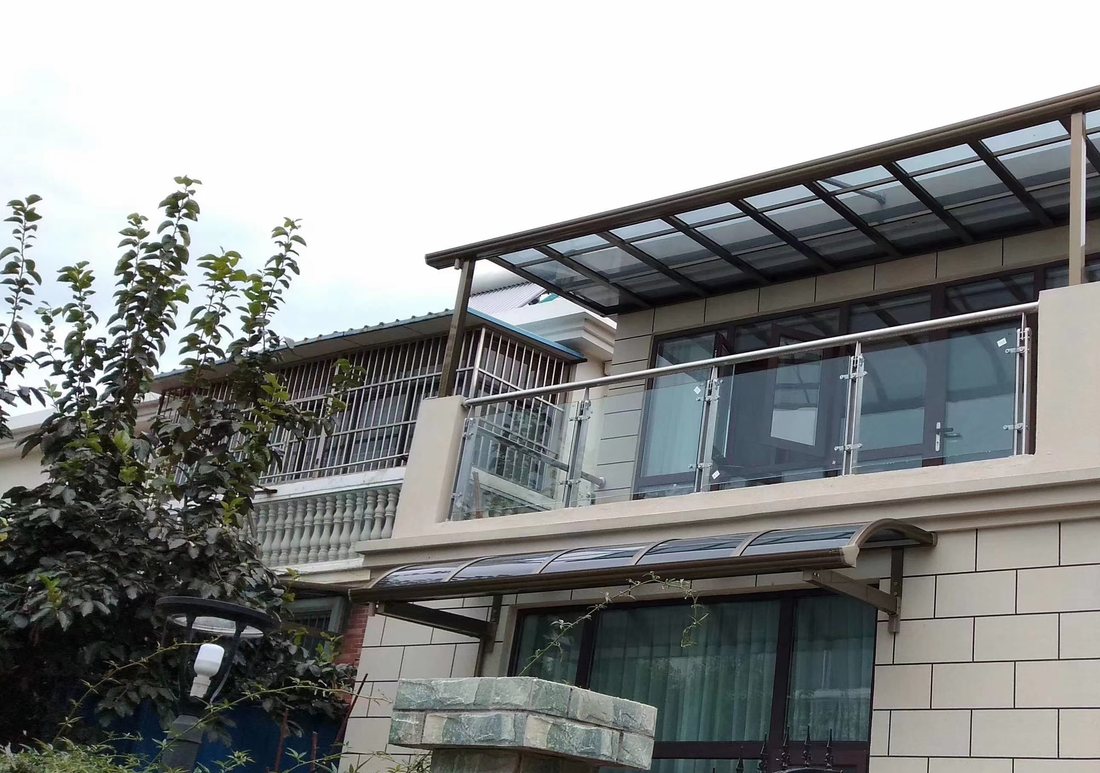
- Polycarbonate glazing — canopies, carports, skylights, greenhouse and daylight roofs, machine guards, security and anti-vandal glazing, cold-bent barrel vaults. Anything overhead, impact-exposed, or curved on site.
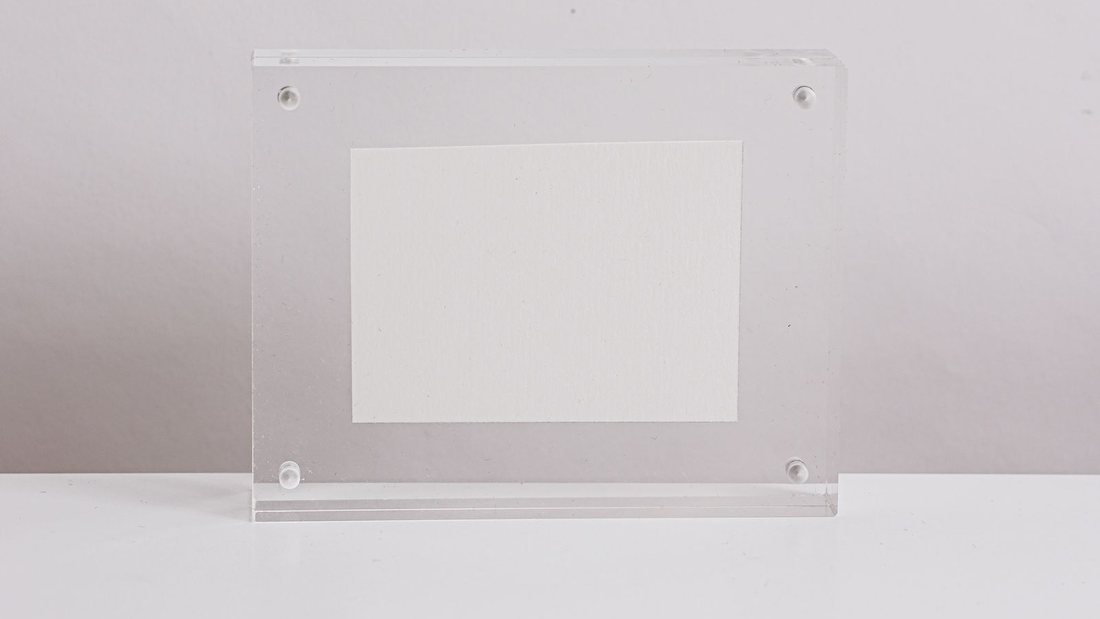
- Acrylic — illuminated signage and light boxes, display stands and poster frames, sanitaryware, interior screens and furniture. Anything clear, decorative and handled gently.
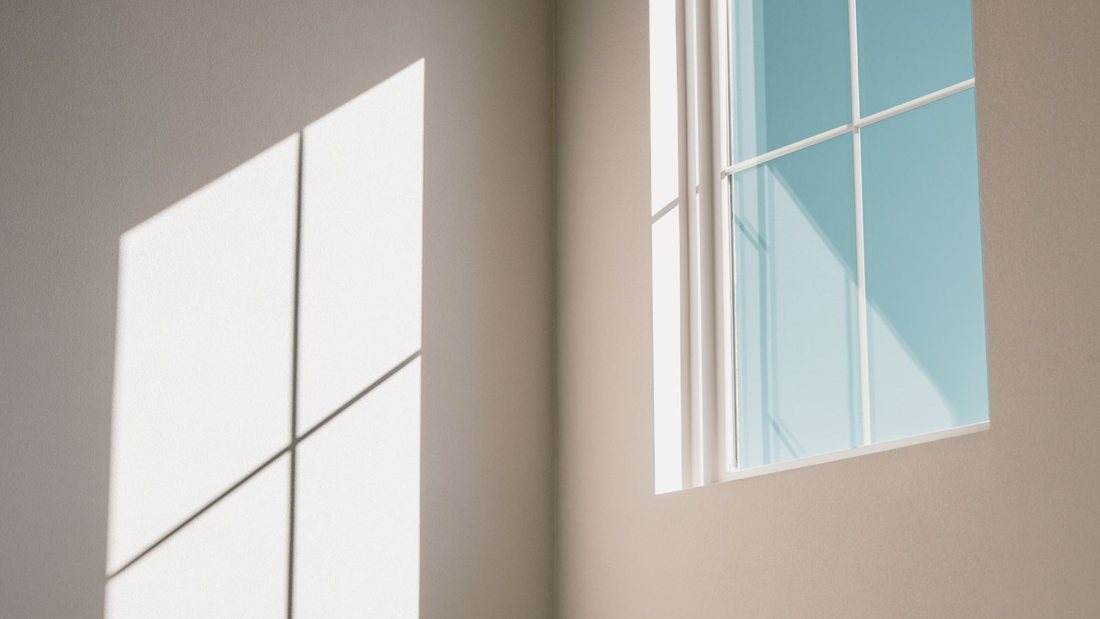
- Glass — windows and facades, fire-rated assemblies, shopfronts where scratch resistance is absolute, and any location demanding a non-combustible classification.
- Not interchangeable — a glass panel and a polycarbonate panel of the same thickness are not equivalent in a structural opening; the frame, the fixings and the deflection all change.
Cost Structure: What Actually Moves the Number
The purchase price of the sheet is a small part of the decision. What moves the project cost is thickness, span and frame, edge finishing, UV grade, and freight — a lighter sheet needs less steel and costs less to move, which often offsets a higher material price per square metre. Glass is priced by area and thickness and is heavy to transport; acrylic is priced by area and thickness with a large spread between cast and extruded; polycarbonate is priced by thickness and UV configuration, with multiwall grades costing more per square metre than solid but insulating far better.
Give four things — the application, the size, the quantity and the destination port — and the comparison can be made on the delivered cost of the finished assembly rather than on a sheet price that means nothing on its own.
Frequently Asked Questions
Is polycarbonate better than acrylic for glazing?
For anything overhead, impact-exposed or outdoors under load, yes — polycarbonate is roughly 30 times tougher and does not crack. For signage, display and interior work, acrylic is clearer, harder and less expensive. The two are not substitutes.
Can polycarbonate replace window glass?
It can be used in the opening, but not with the same frame or fixings. Polycarbonate is about 30 times less stiff and expands seven times more than glass, so the frame spacing, the fixing holes and the edge gaps all change. Install it like glass and it will crack.
Does polycarbonate yellow in the sun?
Standard grades do; grades with a co-extruded UV layer are warranted for outdoor colour life and block up to 99% of UV-A. Specify the UV layer explicitly, and check the warranty terms against the thickness and colour, because dark colours run hotter.
Which is clearer, acrylic or glass?
Acrylic transmits about 92% and clear float glass 88–91%, so acrylic is marginally ahead. In practice the visible difference is small; haze, colour tint and how the material ages matter more than the percentage.
Which material is fire rated?
Glass is non-combustible and is the only one of the three that is. Standard polycarbonate is flame retardant to UL 94 V-2 and acrylic is combustible, so where a fire classification is required for the assembly, glass or a certified system is the specification.
Getting the Comparison Right for Your Project
Three questions decide the material: is the panel overhead or reachable, what impact does it have to survive, and what temperature and fire performance does the assembly require. Answer those and the choice is usually obvious; skip them and the sheet price becomes the only criterion, which is how the wrong panel gets ordered.
If you are choosing polycarbonate glazing against acrylic or glass for a canopy, skylight or facade, send four details — the application, the panel size and thickness you have in mind, the quantity, and the destination port. We come back with the material and thickness recommendation that fits the exposure, the fixing detail that goes with it, and comparable project references. Where glass or acrylic is the better answer, we say so rather than quote a polymer into a job that needs something else.
Two related references are worth reading before finalising a specification: the acrylic sheet guide, which covers cast versus extruded PMMA and where acrylic should not be used, and the solid polycarbonate selection guide, which covers thickness, UV coating and impact grades in detail.
Comparing clear sheet for a project? Request a material comparison.
Tell us the application, size, quantity and destination port. We reply with the material and thickness that fits, the fixing detail, delivered-cost comparison and comparable references — not just a price.