Top 5 Applications of Corrugated Polycarbonate Sheets
2026年6月20日
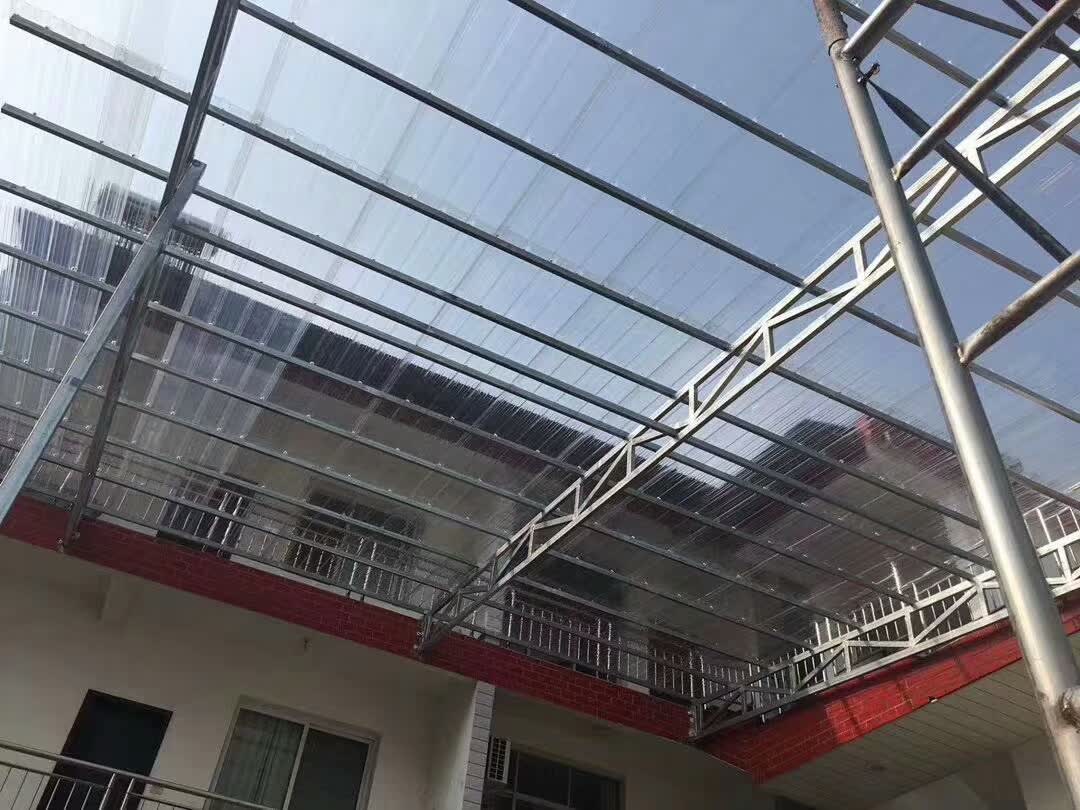
Introduction Corrugated polycarbonate sheets have become one of the most versatile roofing and cladding materials in modern construction. Their unique combination of lightweight strength, excellent light transmission, and weather resistance makes them suitable for a wide range of applications. Here are the top 5 most popular applications of corrugated polycarbonate sheets in 2025. 1. Patio & Pergola Roofs One of the most common uses for corrugated polycarbonate sheets is patio and pergola roofing. Homeowners love the way these sheets create a bright, open outdoor living space while providing protection from rain, UV rays, and debris. The corrugated profile adds structural strength while the translucent material allows soft, diffused natural light to filter through. Available in clear, bronze, and opal options, they can be matched to any architectural style. 2. Carports & Parking Structures Corrugated PC sheets are an ideal choice for carport roofs. Their high impact resistance protects vehicles from hail, falling branches, and heavy snow loads. The lightweight nature of polycarbonate means simpler, more economical support structures are needed. Additionally, the UV-blocking properties prevent interior fading of car interiors while still providing natural illumination that reduces the need for artificial lighting during the day. 3. Agricultural Buildings & Greenhouses In the agricultural sector, corrugated polycarbonate sheets excel in greenhouse construction, livestock shelters, and storage facilities. The material provides optimal light diffusion for plant growth while offering superior insulation compared to traditional polyethylene films. Multi-wall corrugated PC sheets maintain stable internal temperatures, reduce heating costs in winter, and protect crops from excessive heat in summer through infrared-blocking technology. 4. Industrial Warehouses & Factories Large industrial facilities benefit tremendously from corrugated polycarbonate roofing. The sheets are installed as skylight panels within metal roofing systems, providing natural daylighting that significantly reduces electricity costs. Studies show that installing PC skylight panels can reduce…
Polycarbonate vs Glass: Which is Better for Roofing?
2026年6月20日
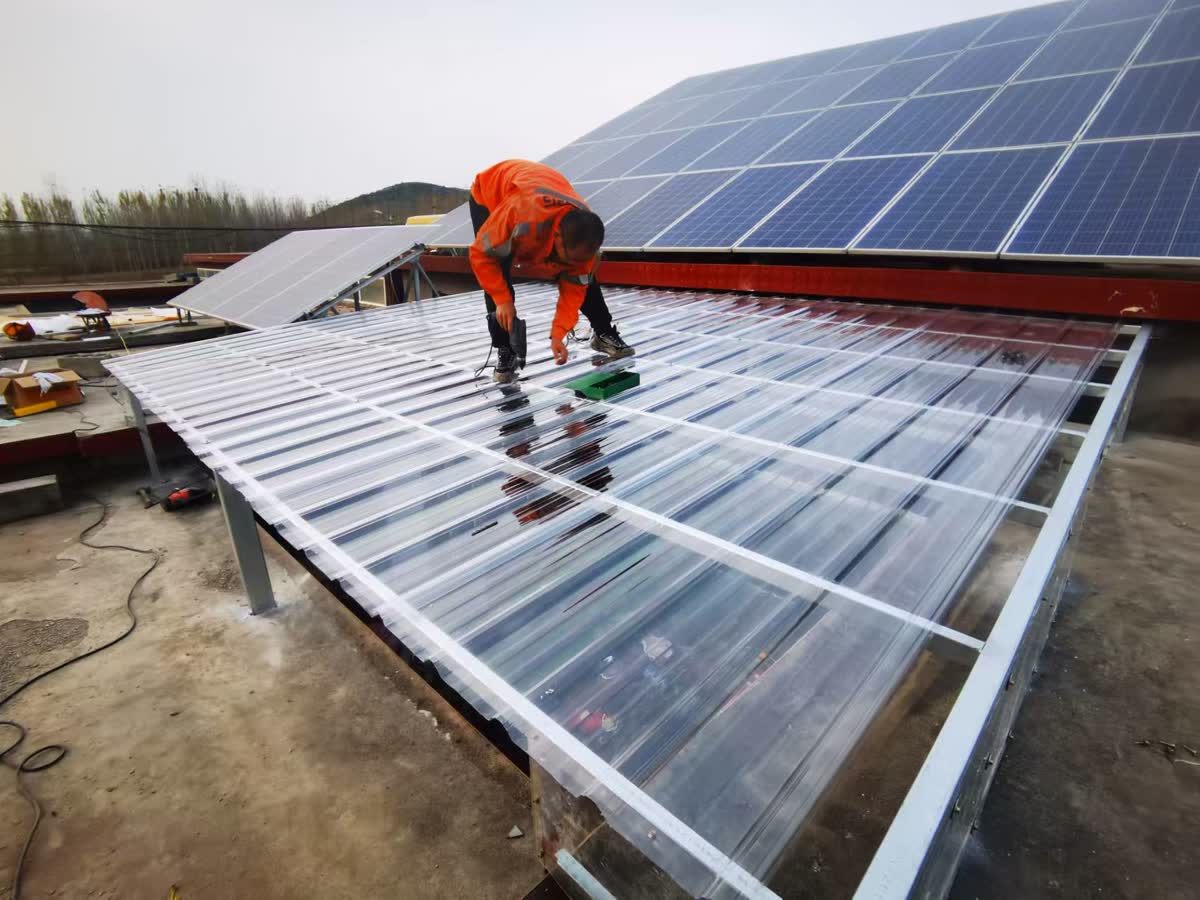
Polycarbonate vs Glass for Roofing: A Comprehensive Comparison When choosing roofing materials for your home or commercial building, both polycarbonate (PC) sheets and glass are popular options for areas that require natural light transmission. However, they differ significantly in performance, cost, and practicality. This article compares PC roofing sheets and glass across key factors to help you make the right decision. Weight Comparison One of the most significant advantages of polycarbonate sheets over glass is their weight. PC sheets are approximately 50% lighter than glass of the same thickness, making them much easier to transport, handle, and install. This reduces the structural load requirements and can lower overall building costs. Impact Strength and Durability Polycarbonate is virtually unbreakable — it has 250 times the impact resistance of glass and 30 times that of acrylic. PC roofing sheets can withstand hailstorms, falling branches, and accidental impacts without cracking or shattering. Glass, while strong under compression, is brittle and can break under sudden impact, posing safety risks. Polycarbonate wave sheets installed on a building rooftop — lightweight yet incredibly durable. Thermal Insulation Polycarbonate sheets offer superior thermal insulation compared to single-pane glass. Multi-wall PC sheets contain air pockets that act as insulators, reducing heat transfer and helping maintain comfortable indoor temperatures. This can lead to significant energy savings on heating and cooling. UV Protection High-quality polycarbonate roofing sheets come with UV protection coatings that block harmful ultraviolet rays while still allowing visible light to pass through. This protects both occupants and furnishings from sun damage. Glass can also block UV rays when specially treated, but typically at a higher cost. Cost Effectiveness When comparing costs, polycarbonate is clearly the more economical choice. PC sheets cost significantly less than glass per square meter, and when factoring in the reduced installation costs due to…
How to Clean and Maintain Polycarbonate Sheets for Long-Lasting Performance
2026年6月20日
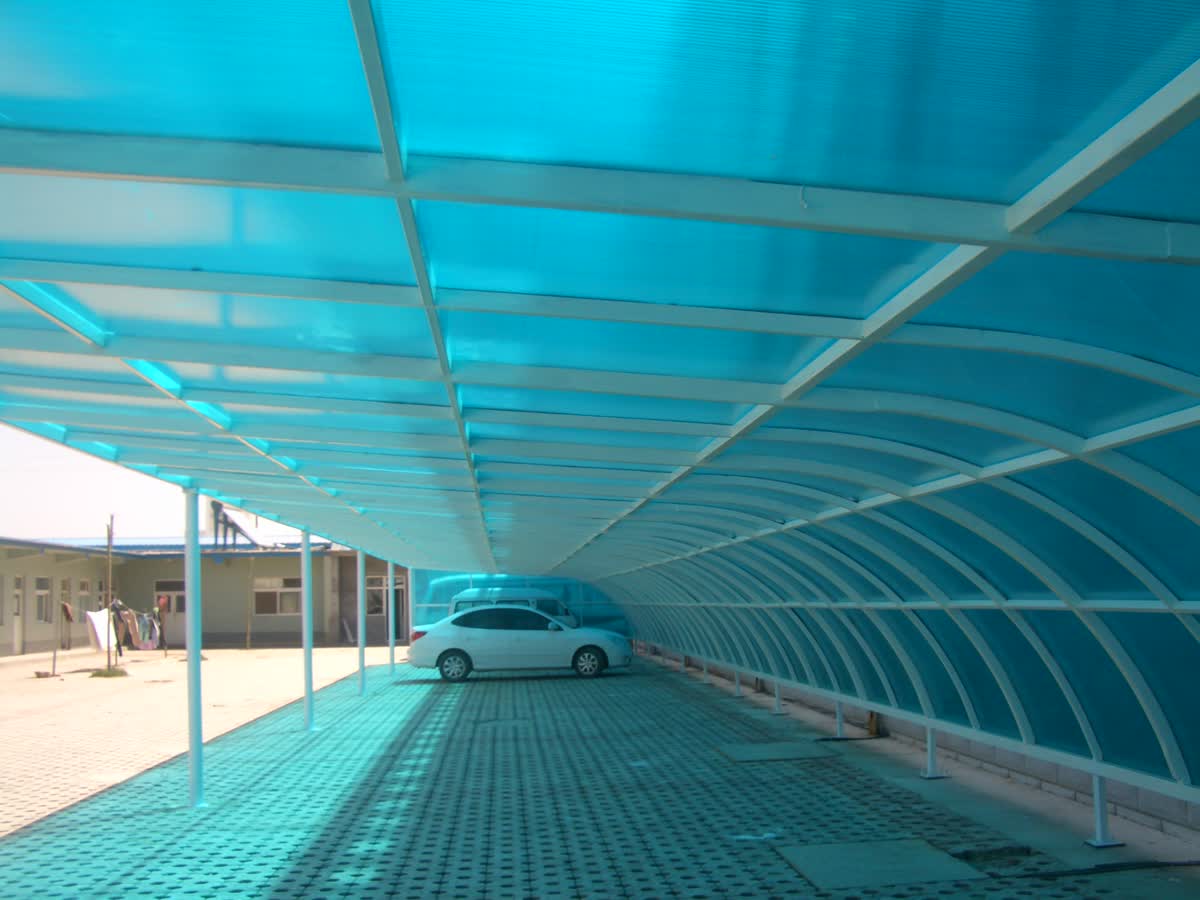
A comprehensive guide on maintaining polycarbonate (PC) sheets for long-lasting performance. Learn proper cleaning techniques, UV protection tips, and seasonal maintenance schedules.
PC Polycarbonate Sheet: Top 6 Frequently Asked Questions Answered
2026年6月19日
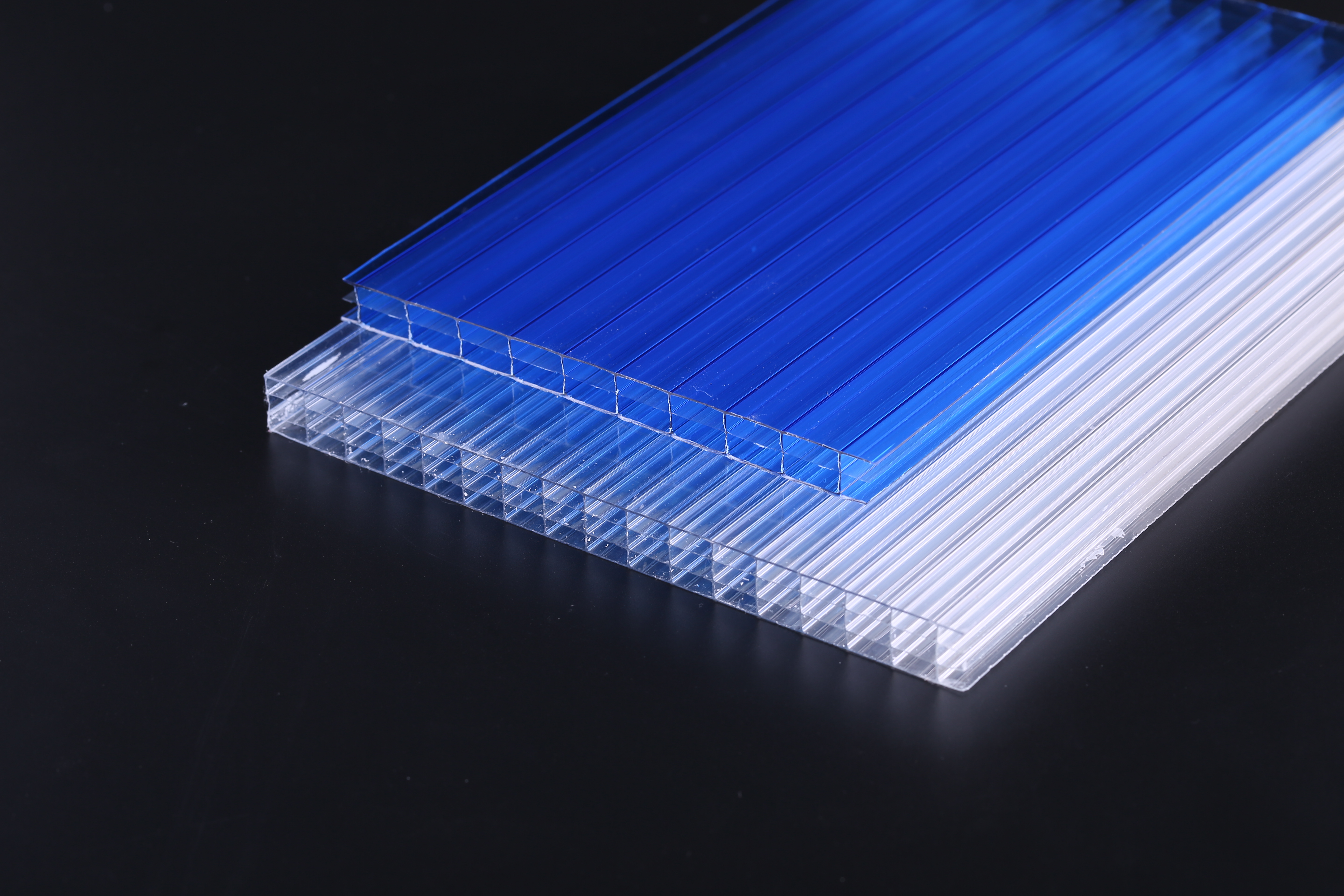
PC Polycarbonate Sheet: Top 6 Frequently Asked Questions Answered Polycarbonate (PC) sheets are one of the most versatile building materials available today. Whether you are planning a greenhouse, carport, skylight, or industrial roofing project, you likely have questions about which type of PC sheet to choose and how to work with it. In this article, we answer the 6 most common questions about PC polycarbonate sheets. 1. What is the Difference Between Hollow and Solid Polycarbonate Sheets? This is the most frequently asked question, and the answer depends on your specific application. Hollow (Multiwall) Polycarbonate Sheets have a multi-layer structure with internal air channels. They are: Lighter — About 1/15 the weight of glass, reducing structural load Better insulated — The air channels provide excellent thermal insulation More affordable — Lower material cost compared to solid sheets Ideal for — Greenhouses, carports, skylights, patio covers, and sound barriers Solid Polycarbonate Sheets are dense, single-layer panels. They are: Stronger — 200+ times stronger than glass, virtually unbreakable More transparent — Higher light transmission (up to 90%) Heavier — Require stronger support structures Ideal for — Security glazing, machine guards, storm windows, and high-traffic areas Bottom line: For most construction and agricultural applications, hollow sheets offer the best balance of cost, insulation, and strength. For security and high-clarity needs, choose solid sheets. 2. How Long Do Polycarbonate Sheets Last? With proper installation and maintenance, quality polycarbonate sheets from reputable manufacturers like Jietai can last 10 to 20 years or more. Key factors affecting lifespan: UV protection — Sheets with co-extruded UV-resistant layers last significantly longer. Jietai PC sheets include a 30-50μm UV layer on one side. Installation quality — Proper sealing, correct screw spacing, and allowance for thermal expansion all extend service life. Cleaning — Regular gentle cleaning prevents dirt buildup that…
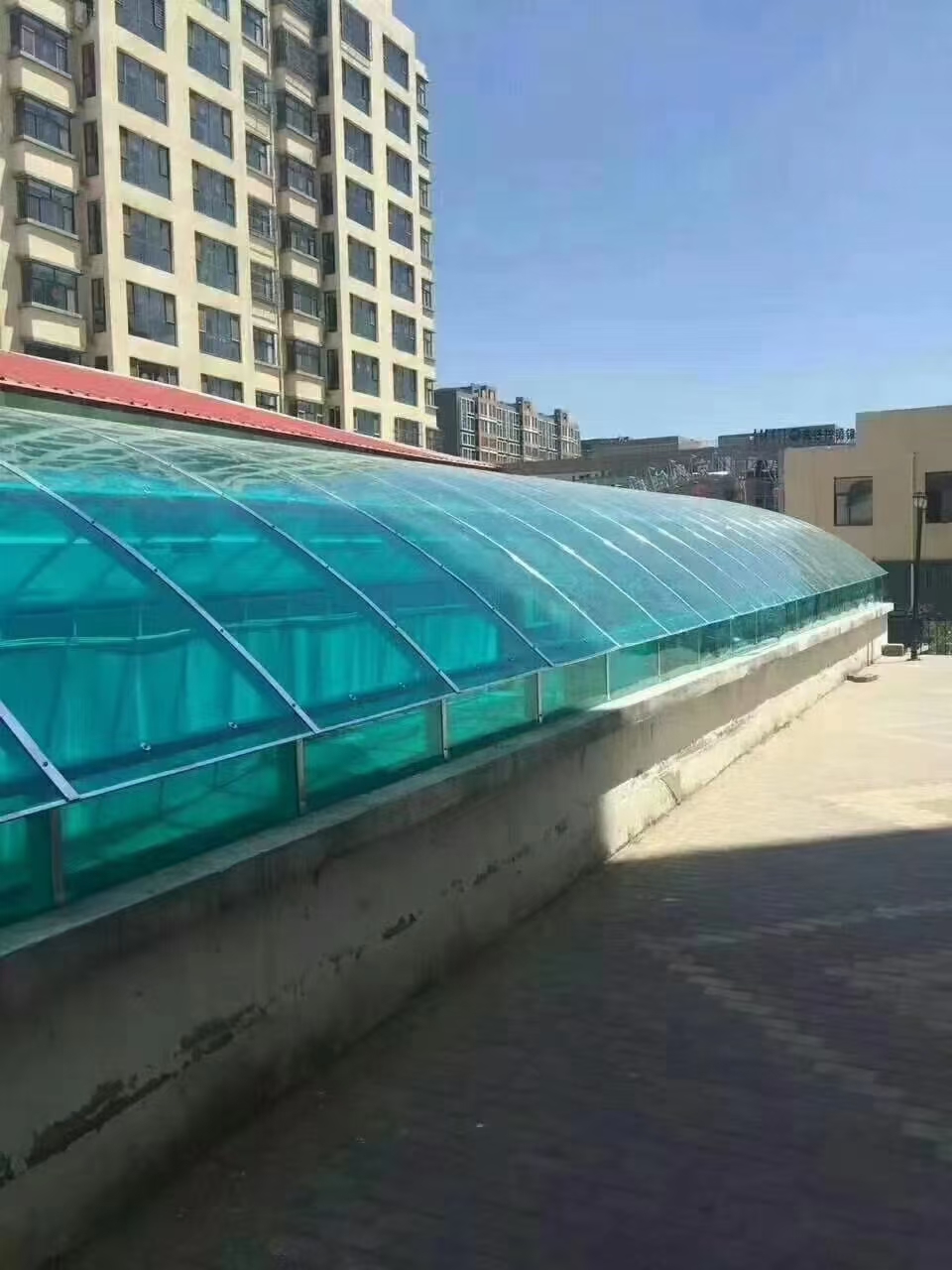
How Long Does Polycarbonate Sheet Last Outdoors?
2026年4月25日
How long does polycarbonate sheet last outdoors – lifespan factors, UV protection, warranty, maintenance tips for maximizing PC sheet outdoor life.
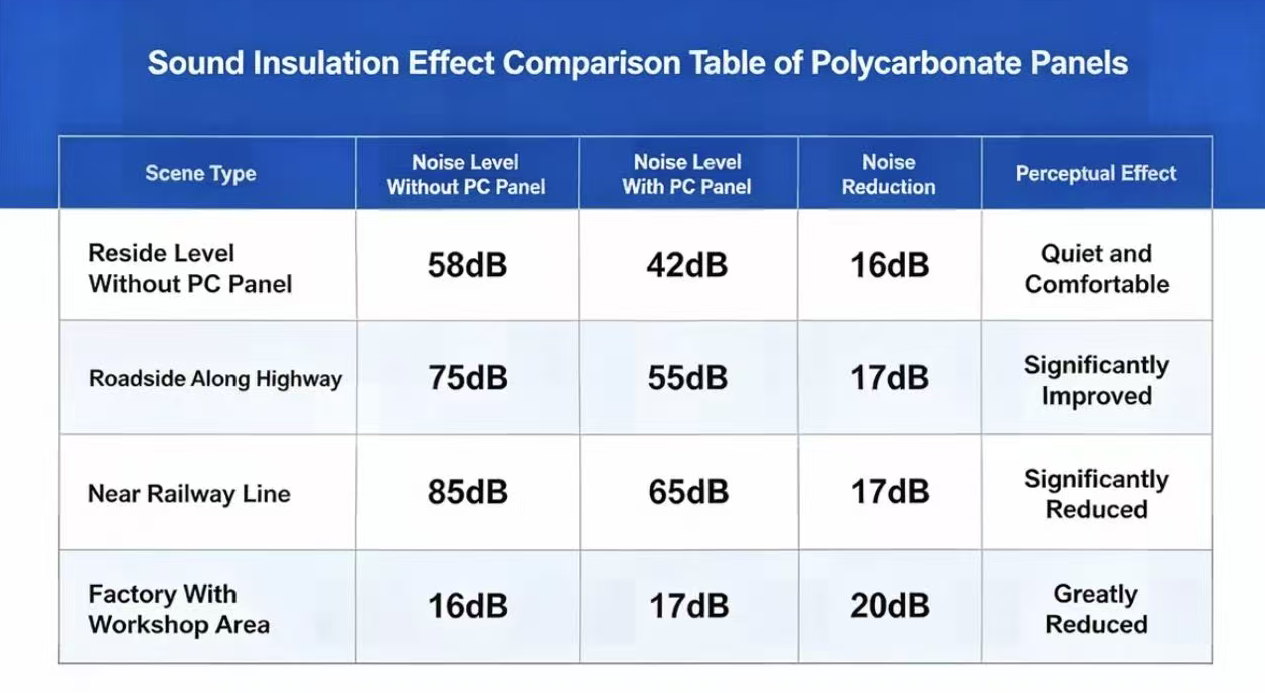
Sound Insulation Performance of Polycarbonate Sheet | Decibel Ratings
2026年4月23日
Sound insulation performance of polycarbonate sheets – decibel ratings, STC values, comparison with glass, and applications in noise barriers.
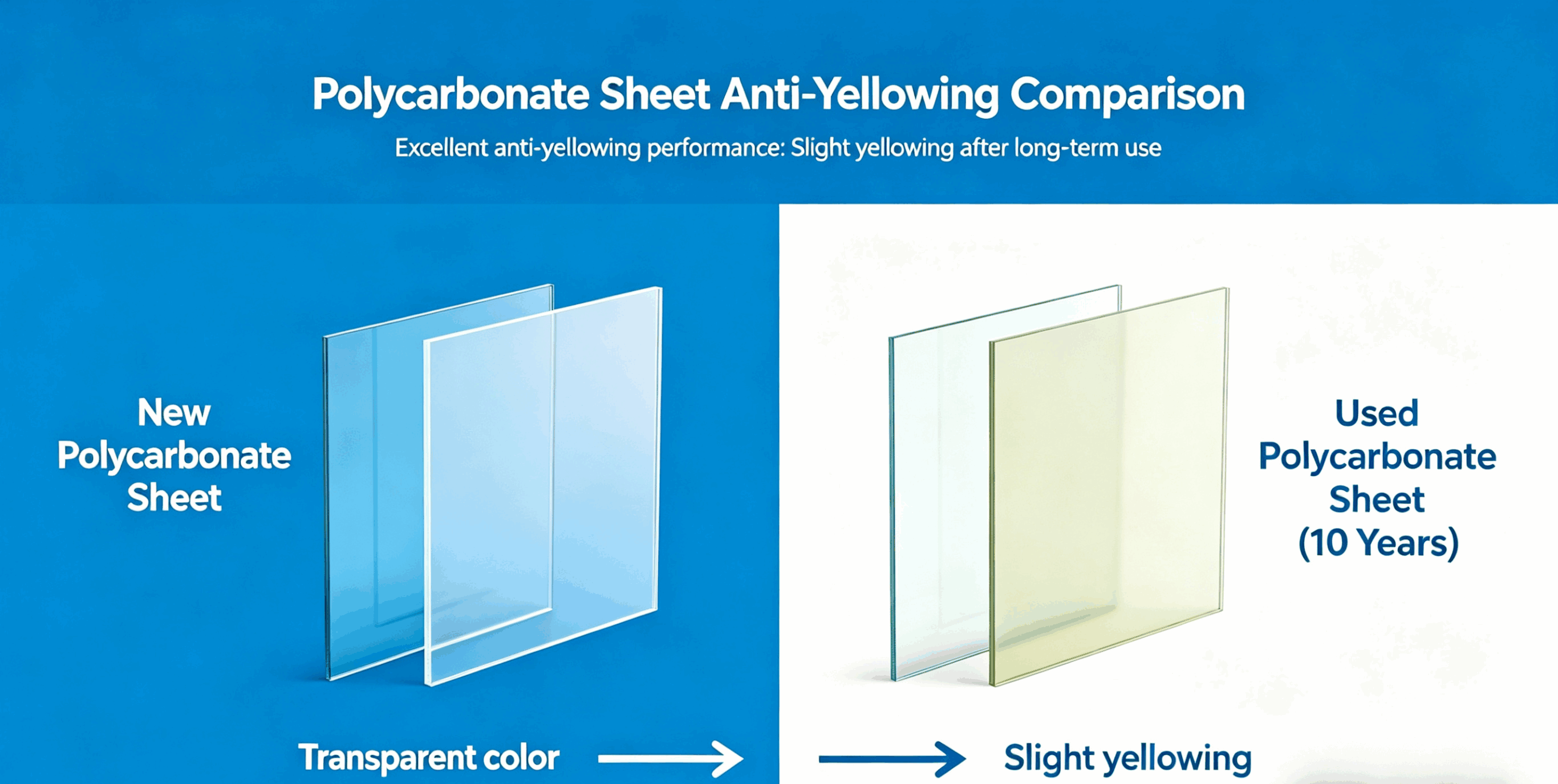
What Is UV Coating on Polycarbonate Sheet & Why It Matters
2026年4月23日
Learn what UV coating on polycarbonate sheets is, how co-extrusion creates permanent UV protection, lifespan and testing standards, and how to select the right UV-coated PC sheet for your project.
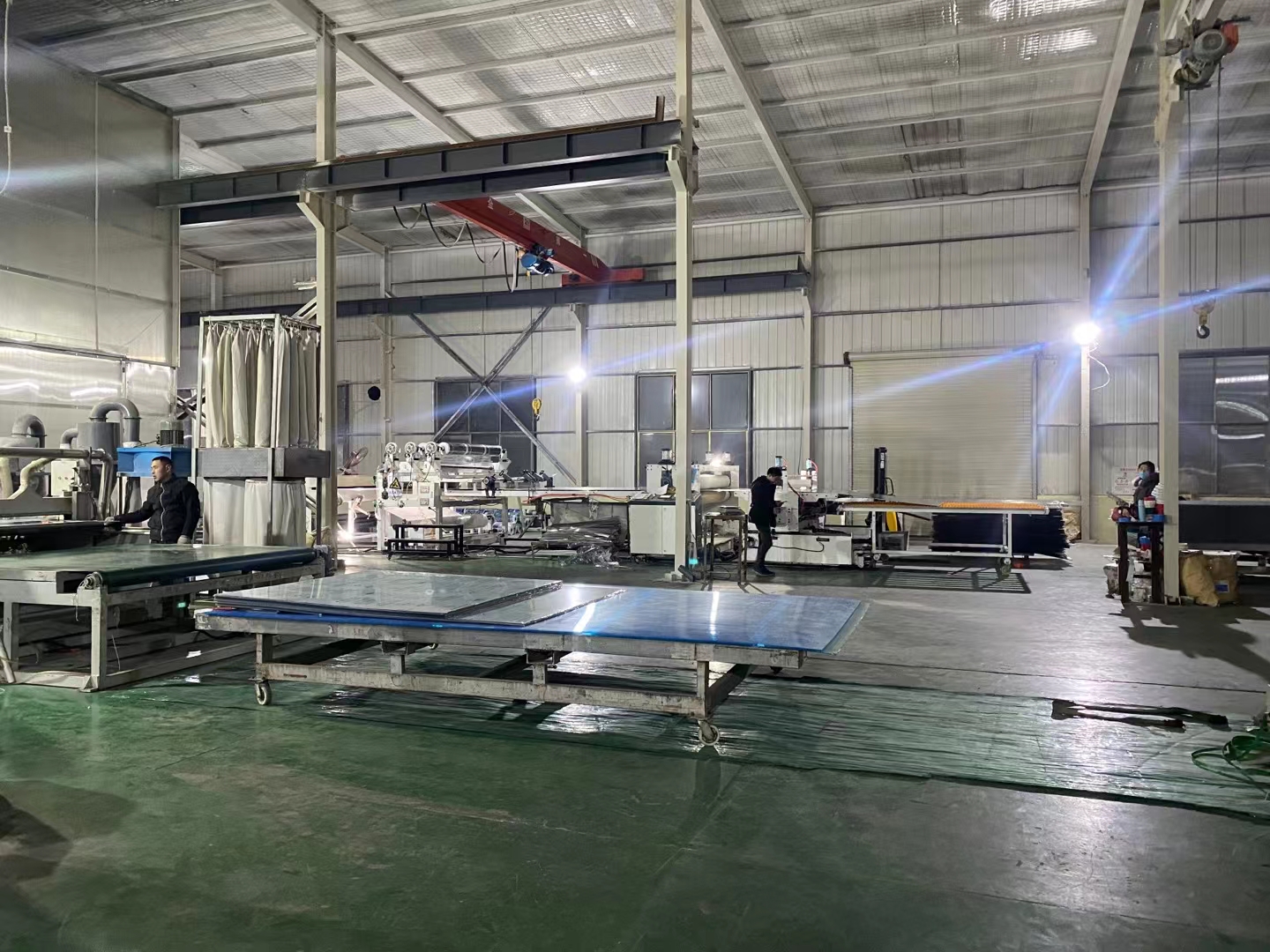
Polycarbonate Sheet Price Trends 2026 & Cost Analysis
2026年4月22日
Polycarbonate sheet price trends 2026 – cost analysis, raw material factors, market outlook, and buying tips for best value PC sheets.
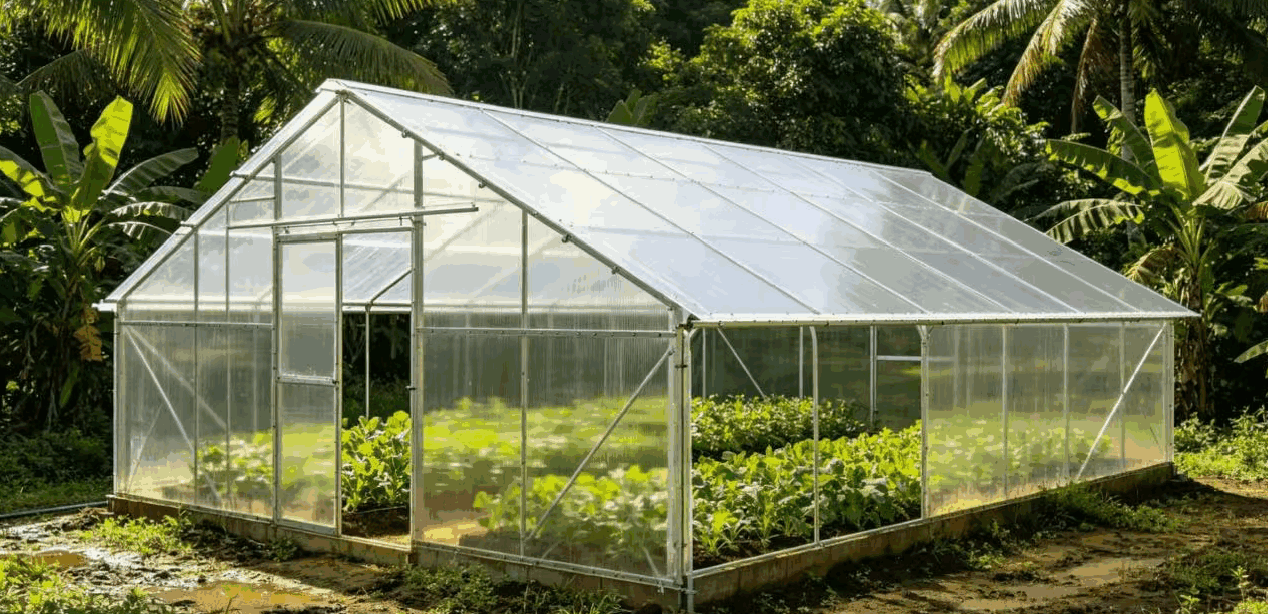
Why Southeast Asian Farmers Love Polycarbonate Greenhouse Sheets
2026年4月22日
Why Southeast Asian farmers love polycarbonate greenhouse sheets – heat protection, light diffusion, durability in tropical climate, and cost benefits.
How to Clean & Maintain Polycarbonate Sheet to Extend Service Life
2026年4月22日
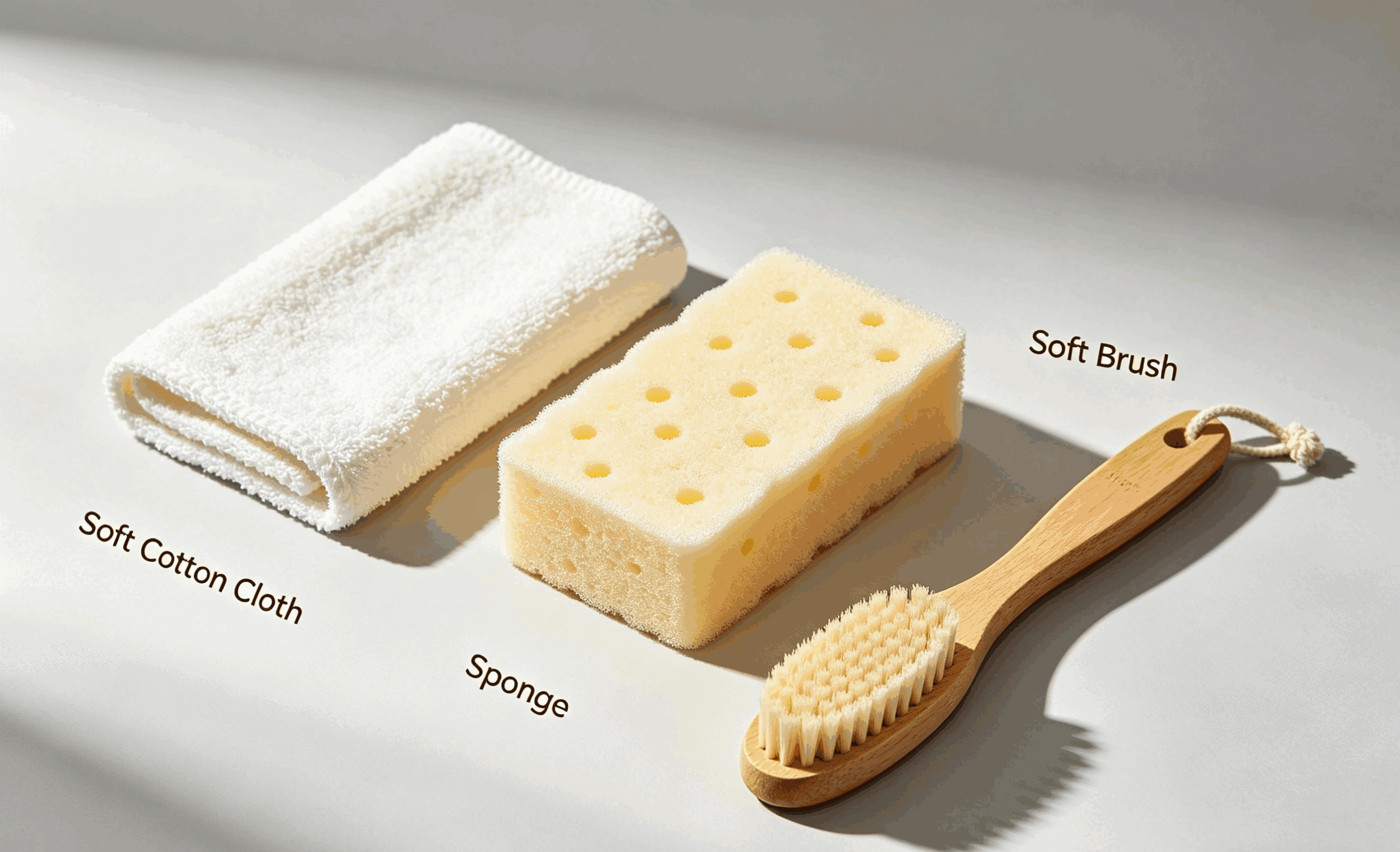
Introduction Polycarbonate sheets are prized for their exceptional impact resistance, light transmission, and long service life — often exceeding 15 years with proper care. However, in Southeast Asia’s hot, humid, and dusty climate, incorrect cleaning habits can cause permanent scratches, yellowing, hazing, and structural damage within just a few years. Many polycarbonate installations fail prematurely not because of material defects, but because of improper maintenance techniques. This comprehensive guide provides practical, region-specific best practices for cleaning and maintaining polycarbonate sheets. Whether you are caring for a greenhouse roof, carport canopy, skylight, or industrial glazing, these methods will preserve clarity, strength, and appearance for decades. We cover daily cleaning routines, products to avoid, stain removal techniques, scratch repair, seasonal inspection checklists, and protective film management. Daily Cleaning Routine Regular gentle cleaning is the most effective way to maintain polycarbonate sheet clarity and prevent dirt buildup that can trap moisture and promote microbe growth. Follow these simple steps for routine maintenance: Step 1 — Rinse with Water: Begin by rinsing the entire sheet surface with clean water or lukewarm water mixed with a small amount of mild neutral dish soap (pH 6–8). This removes loose dust, pollen, and bird droppings before any wiping contact. Use a garden hose with a gentle spray nozzle — avoid high-pressure washers. Step 2 — Wipe Gently: Using a soft cotton cloth, microfiber cloth, or a soft-bristle brush, gently wipe the surface in one direction (top to bottom, or left to right). Never use circular motions, which create microscratches that accumulate over time and make the sheet look hazy. Step 3 — Rinse Thoroughly: After wiping, rinse thoroughly with clean water to remove any soap residue. Soap left to dry on the surface can leave streaks and attract more dust. Step 4 — Air Dry Naturally: Allow…