Welcome to the official website of Jietai Boards(www.jtpcsheet.com)
April 13, 2026
Polycarbonate (PC) is favored for its transparency and durability, with UV protection as its core advantage. This guide simplifies its UV-resistant features, application scenarios and usage precautions for practical reference. UV radiation accelerates material aging and harms human health. For transparent materials, UV resistance is critical—and polycarbonate stands out as the top choice for outdoor and high-demand scenarios. 1. Why Polycarbonate Excels in UV Protection Compared with ordinary plastics and glass, polycarbonate has unique advantages in UV protection: Note: Thicker PC sheets and UV-coated products have better UV blocking effects. 2. UV Protection Application Scenarios 2.1 Architectural Field Used for daylighting roofs, canopies and exterior cladding, blocking UV rays while ensuring light transmission and preventing building material aging. 2.2 Agricultural Field Greenhouse covers filter harmful UV rays, protect crops, retain needed visible light, and improve yield and quality. 2.3 Electronic & Daily Necessities Used for outdoor electronic casings, sunshades and goggles, preventing equipment discoloration and protecting human skin/eyes. 2.4 Medical & Cultural Fields Protective covers and display cases made of PC block UV, protecting medical instruments and cultural relics without affecting observation. 3. Usage Precautions Conclusion Polycarbonate’s excellent UV protection makes it ideal for outdoor, agricultural, electronic and other scenarios. With 20 years of industry experience, we provide high-quality UV-resistant PC products and professional guidance to meet your project needs. Disclaimer: This guide is for reference only. Select products based on actual needs and consult professionals for customization.
April 13, 2026
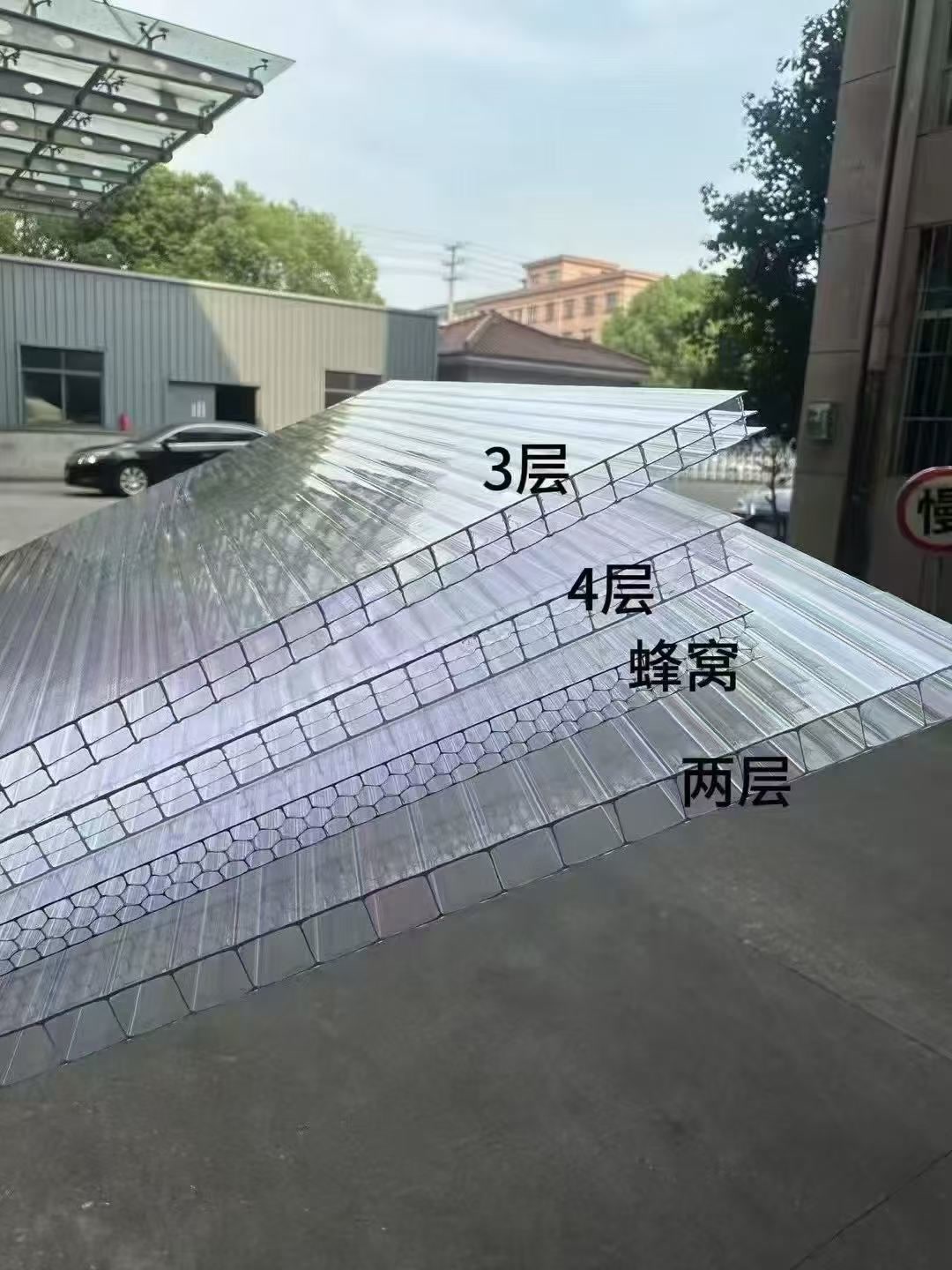
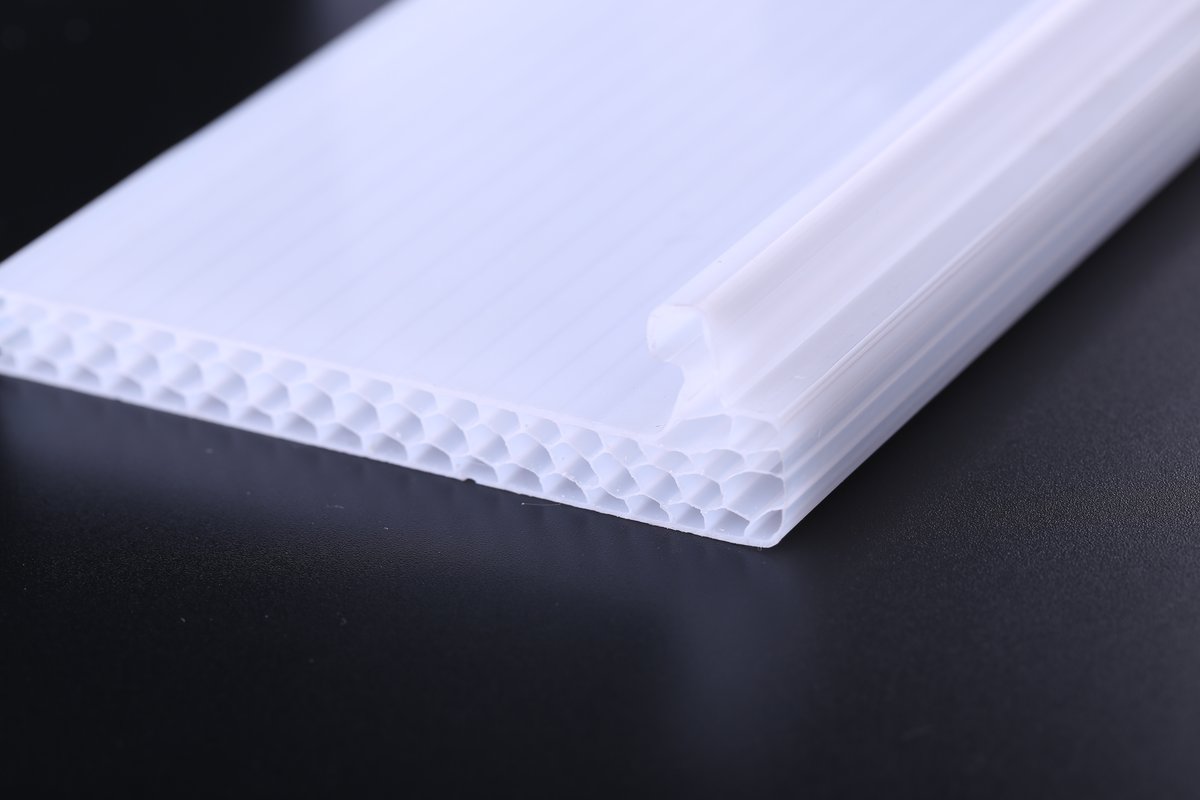
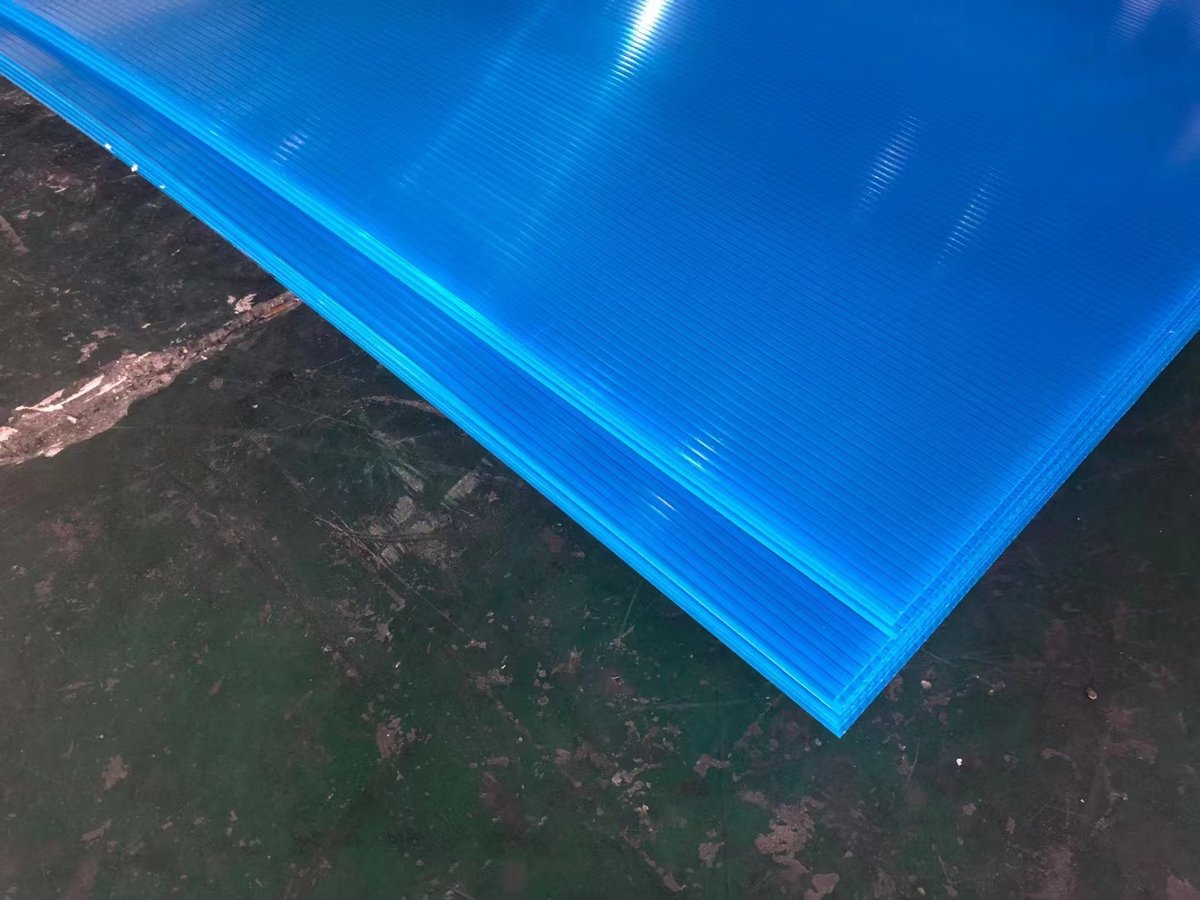
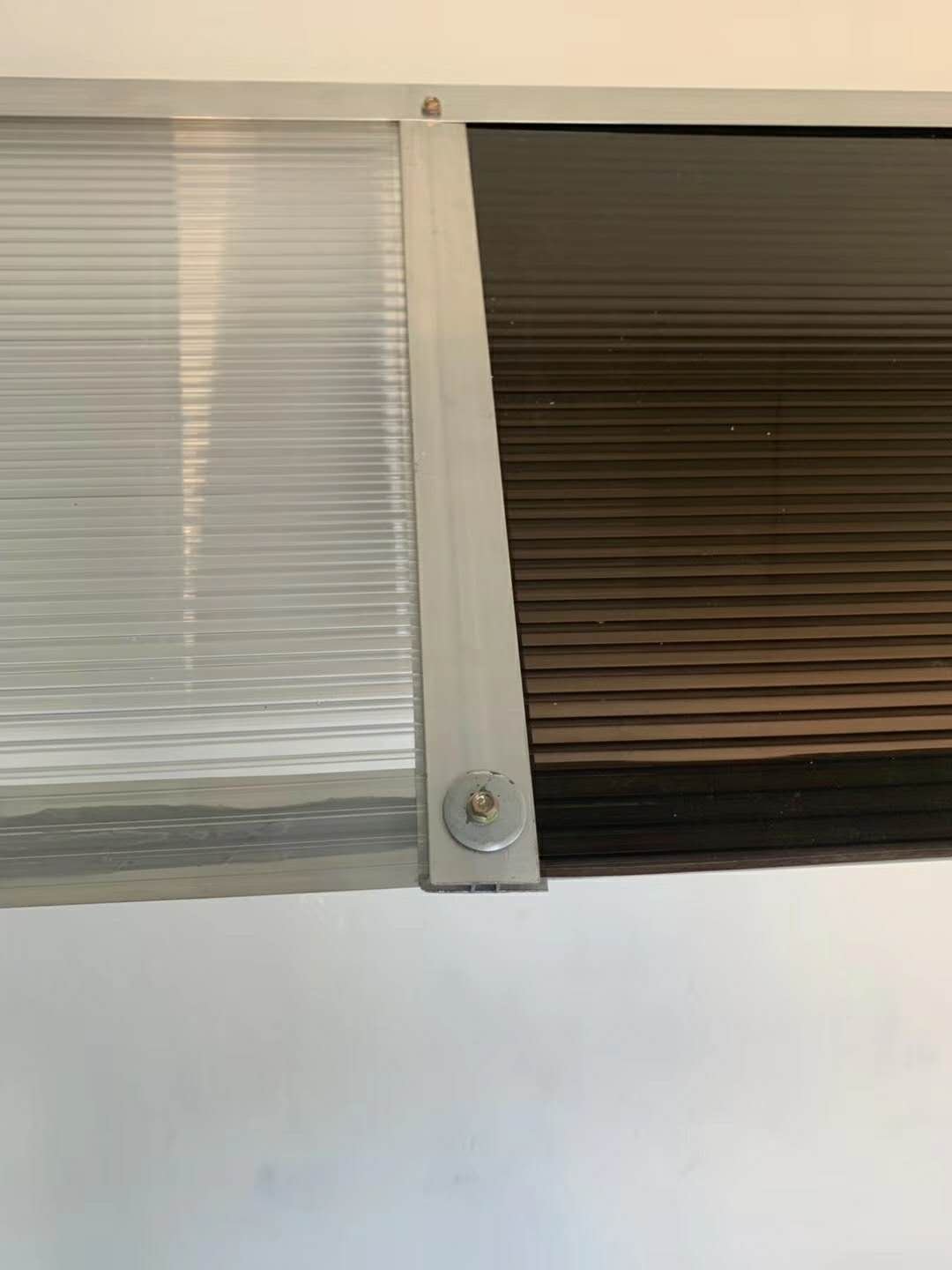
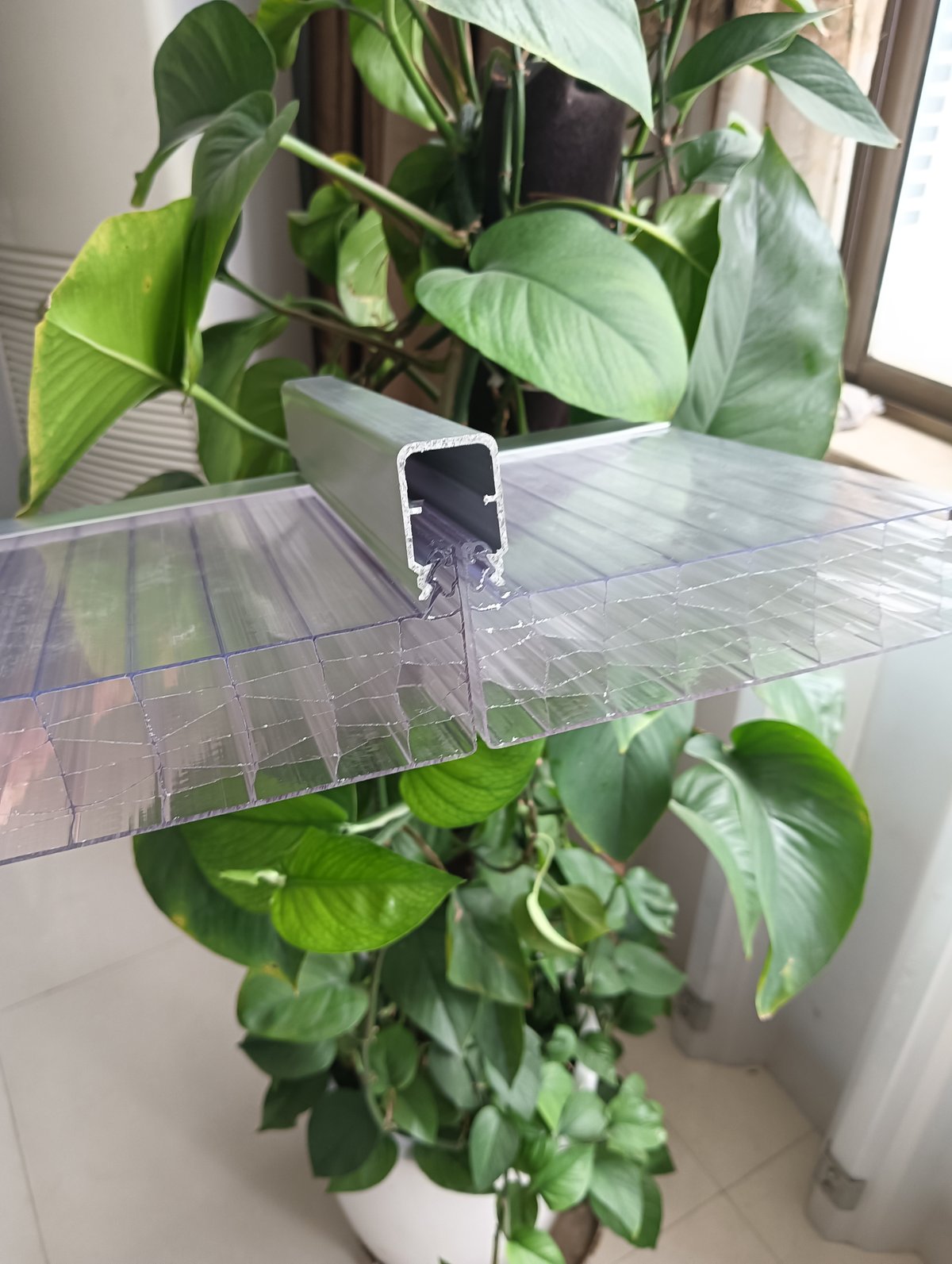
Hollow polycarbonate (PC) sheets are widely used in construction, agriculture, and commercial fields for their lightweight, thermal insulation, and durability. With various types available, this guide helps you choose the right one for your needs. 1. Common Types of Hollow Polycarbonate Sheets 1.1 Twin-Wall Polycarbonate Sheets The most widely used type, with two parallel panels connected by vertical ribs, forming a single hollow layer. It’s lightweight, cost-effective, and has good light transmittance (85%-90%). Suitable for small greenhouses, residential canopies, and indoor daylighting. Thickness ranges from 4mm to 10mm, ideal for basic insulation and light transmission needs. 1.2 Triple-Wall Polycarbonate Sheets With three panels and two hollow layers, it offers better thermal insulation and structural strength than twin-wall sheets. Suitable for commercial greenhouses, industrial workshops, and medium-sized daylighting projects. Thickness is 8mm-20mm, with strong UV resistance. 1.3 Multi-Wall Polycarbonate Sheets (4+ Walls) Designed for high-demand scenarios, with 4 or more panels and multiple hollow layers. It has excellent thermal insulation, soundproofing, and load-bearing capacity. Suitable for large-scale architectural daylighting, cold storage, and noise barriers. Thickness starts from 20mm. 2. Key Selection Factors 3. Practical Selection Guide Disclaimer: This guide is for reference only. Select products based on actual project requirements and consult professionals for customization.
April 13, 2026
When choosing materials for outdoor, industrial, or commercial glazing, heat resistance is crucial—especially for businesses in high-temperature regions. Polycarbonate (PC) sheets are a top choice due to their ability to withstand heat without deforming or cracking. This article explains the key reasons behind their heat resistance, core properties, and why they outperform other materials—essential information for buyers and procurement teams. The Science of Polycarbonate’s Heat Resistance Polycarbonate’s heat resistance stems from its unique molecular structure and advanced manufacturing processes, which keep it stable at elevated temperatures. 1. Molecular Structure & Glass Transition Temperature (Tg) Polycarbonate features rigid aromatic rings and strong carbonate linkages in its polymer backbone, which resist heat-induced molecular movement. Its Tg (145°C-150°C/293°F-302°F) means it remains rigid well above the tolerance of most plastics. Unlike crystalline plastics, it softens gradually above its Tg and only becomes fluid for processing at 220°C-250°C, maintaining structural integrity even during short bursts of 130°C. 2. Heat Deflection Temperature (HDT) & Long-Term Stability Polycarbonate’s HDT (130°C-145°C under 1.82 MPa) is significantly higher than that of PVC (85°C) or ABS (60°C). Its Relative Thermal Index (RTI) of 221°F (105°C) allows continuous exposure for thousands of hours, with a long-term service temperature range of -40°C to 120°C—making it suitable for both high and low-temperature environments. 3. UV Coating & Multiwall Structures Outdoor-grade PC sheets are equipped with a co-extruded UV layer (80μm thick) that blocks UV rays and reflects infrared radiation, reducing heat absorption by 10-15°C. Multiwall sheets (twin-wall, triple-wall) have internal air pockets that act as insulation, lowering heat transfer and preventing warping—making them ideal for industrial and commercial applications. Polycarbonate vs. Other Materials Key Applications Polycarbonate sheets are widely used in the following applications: Tips for Maximizing Heat Resistance Choose the Right Polycarbonate Sheets Polycarbonate’s unique properties make it ideal for demanding high-temperature…
April 13, 2026
In a global market focused on performance, sustainability, and innovation, polycarbonate (PC) sheets have become a high-growth engineering material, outperforming traditional alternatives like glass, acrylic, and conventional plastics. With exceptional impact resistance, light transmission, and flexibility, PC sheets are transforming industries from construction to electronics. Backed by market growth, technological progress, and evolving demands, their future is defined by expansion, diversified applications, and a shift toward green solutions—making them a strategic investment for global businesses. Global Market Growth: Driven by Key Sectors The global PC sheet market is on a steady upward path. Industry forecasts show it exceeded USD 4.17 billion in 2025 and will surpass USD 7.06 billion by 2035, growing at a CAGR of over 5.4%. This growth is fueled by core industries: Construction remains the top driver, with PC sheets used for glazing, skylights, and noise barriers. Multiwall PC sheets lead the agricultural sector (38% market share by 2035), with 8% annual demand growth for greenhouses. The electrical & electronics segment will hold a 46% market share by 2035, driven by demand for high-clarity, impact-resistant materials. Technological Innovation: Sustainable & High-Performance Innovation focuses on sustainability and enhanced functionality. As environmental regulations tighten (e.g., the EU’s EPD), manufacturers are developing 100% recyclable PC sheets (with up to 60% recycled content) and green production processes to reduce carbon emissions and eliminate hazardous materials. Advanced UV coatings block 99.9% of UV rays, boost scratch resistance 10 times, and add self-cleaning or anti-fog features. X-type multiwall designs improve thermal insulation by 25% compared to standard twin-wall sheets, meeting energy efficiency demands. Emerging Applications: Beyond Traditional Uses PC sheets are expanding into new industries. The electric vehicle (EV) sector grows at 18.7% annually, using PC for lightweight glazing and battery components to improve efficiency. Other emerging uses include solar PV panel protection,…
April 7, 2026
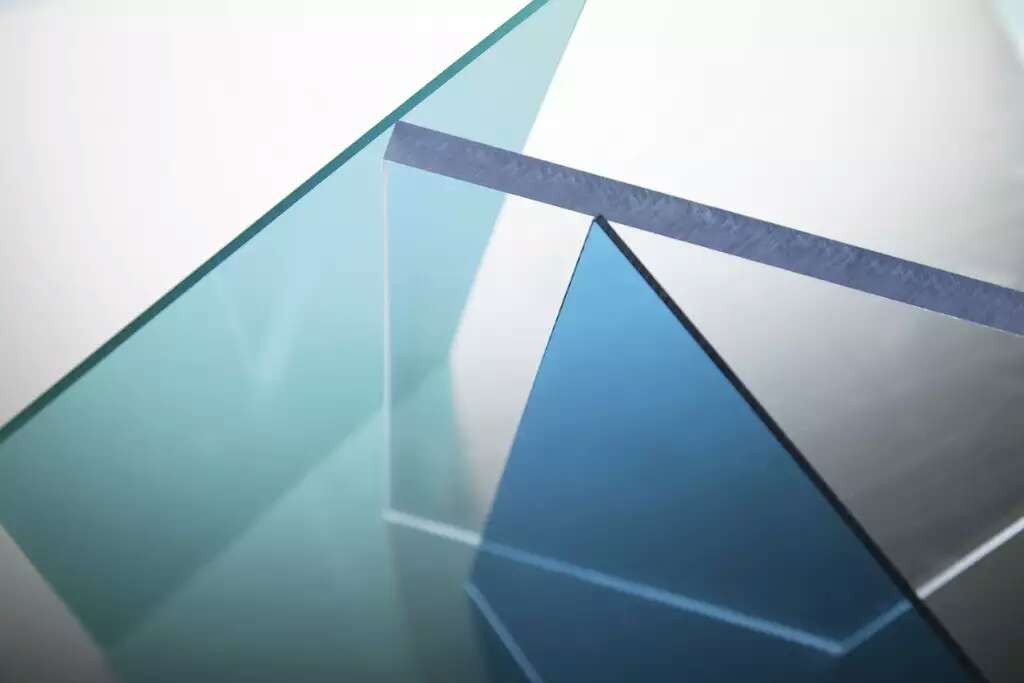
Solid polycarbonate (PC) sheets and traditional glass are mainstream transparent materials used in building lighting, equipment protection, and decoration. Both are light-transmitting and aesthetically pleasing but differ significantly in safety, durability, processability, and overall cost. This article simplifies their core differences to provide professional reference for accurate material selection. 1. Core Difference 1: Material Nature and Structure Material properties and structure determine their performance differences: Solid PC sheets are high-performance thermoplastic engineering plastics made from polycarbonate resin via extrusion. They have a solid, pore-free structure, are colorless, tasteless, and non-toxic, and high-quality products feature a UV protective layer for enhanced weather resistance[1][4]. Traditional glass is an inorganic non-metallic material produced by melting quartz sand, soda ash, and limestone. It is transparent but hard and brittle, lacks UV protection, and cannot be flexibly processed—even when tempered[2][5]. 2. Core Difference 2: Key Performance Comparison A simplified comparison of their key performances is provided below: Performance Dimension Solid Polycarbonate (PC) Sheets Traditional Glass Impact Resistance (Safety) Extremely tough and impact-resistant (250–300 times that of ordinary glass), with no sharp fragments when broken[1][5]. Brittle and easy to break, producing sharp fragments; tempered glass still poses safety risks[2][5]. Weather Resistance Excellent, UV-resistant, able to withstand temperatures from -40℃ to 120℃, with a service life of 15–25 years[1][4]. Poor, prone to yellowing and aging, with a service life of 5–8 years[2][5]. Light Transmittance 88%–92%, with soft light and slow transmittance attenuation[1][4]. Approximately 90%, with strong glare and significant transmittance decline over time[2][5]. Weight & Installation Lightweight (half the weight of glass), easy to transport and install, with low construction costs[1][4]. Heavy, requiring solid support, with high construction difficulty and costs[2][5]. Processability Easy to cut, bend, and splice, suitable for complex shapes[1][3]. Difficult to process, cannot be bent, and limited to simple shapes[2][5]. Overall Cost Higher initial…
April 7, 2026
With the growing demand for roof lighting, energy efficiency, and durability in the construction industry, polycarbonate (PC) lighting tiles and FRP (Fiberglass Reinforced Polyester) roofing materials have become mainstream choices for industrial plants, agricultural greenhouses, public buildings, and other scenarios. Both offer light transmission and light weight, but there are significant differences in material composition, performance, application scenarios, and long-term maintenance. This article briefly compares their core differences to provide professional reference for construction material selection and project procurement. 1. Core Difference 1: Different Material Compositions Differences in material composition are the root cause of all other discrepancies: Polycarbonate (PC) lighting tiles are made from polycarbonate resin through extrusion molding. High-quality products are co-extruded with a 50μm anti-ultraviolet (UV) layer on the surface, and some feature a hollow structure. They belong to the category of high-performance engineering plastics, which are environmentally friendly, durable, and free of toxic and harmful substance emissions[1][4]. FRP roofing materials, commonly known as fiberglass lighting tiles, are mainly composed of a surface film, unsaturated resin, and glass fiber. Unsaturated resin serves as the main base material, while glass fiber acts as a reinforcing agent. Styrene solvent is used in the production process; some inferior products may have slight residues of toxic substances, and the resin itself tends to decompose above 50℃, resulting in poor stability[1][4]. 2. Core Difference 2: Comparison of Key Performances A comprehensive comparison of the two materials across the core performance dimensions of roofing applications is provided below: Performance Dimension Polycarbonate (PC) Lighting Tiles FRP Roofing Materials Impact Resistance Extremely strong, known as “unbreakable plastic”—250 to 300 times stronger than ordinary glass. They are tough, resistant to breakage from hail or heavy impacts, and do not produce sharp fragments when damaged[5]. High in strength but insufficient in toughness, with much lower impact resistance…
April 6, 2026
1)UV Resistance Function: One side of the polycarbonate sheet is coated with a UV-resistant layer, while the other side is treated to prevent condensation. This design achieves multiple functions including UV resistance, heat insulation and anti-dripping. It effectively blocks UV transmission, making it ideal for protecting precious artworks and exhibits from UV damage. 2)Light Weight:Its specific gravity is only half that of glass, thereby saving costs on transportation, handling, installation and related supporting structures. 3)Flame Retardancy:According to the Chinese national standard GB50222-95, this polycarbonate sheet is classified as a Class B1 flame-retardant material (first-level fire resistance). Its ignition temperature is 580°C (1076°F). It is self-extinguishing when removed from the ignition source, emits no toxic gases during combustion, and does not promote the spread of fire. 4)Flexibility:In accordance with design drawings, the sheets can be cold-bent on-site to form finished products such as arched structures, semi-circular roofs or windows. The minimum bending radius is 175 times the thickness of the sheet used. Hot bending can also be adopted as an alternative processing method. 5)Sound Insulation Performance:Polycarbonate sheets offer excellent sound insulation. Compared with glass and acrylic sheets of the same thickness, they provide superior sound reduction. At equal thickness, polycarbonate sheets reduce noise by 3–4 dB more than glass. Internationally, polycarbonate is widely used as a material for highway sound barriers. 6)Remarkable Energy Saving Effect:It keeps interiors cool in summer and warm in winter. The thermal conductivity (K-value) of polycarbonate sheets is lower than that of ordinary glass and other plastic materials. Its thermal insulation performance is 7% to 25% higher than glass of the same thickness, greatly reducing heat loss. This material is ideal for heated buildings and is also environmentally friendly. 7)Temperature Resistance:Polycarbonate panels do not become brittle or fragile at temperatures as low as -100°C, nor do they…
April 6, 2026
Polycarbonate (PC) is a colorless, transparent thermoplastic polymer with carbonate groups in its molecular chain. Classified by structure as aliphatic, aromatic or aliphatic‑aromatic, only aromatic PC is industrially produced, as other types have limited mechanical properties. PC features high transparency, heat resistance, superior impact strength, B1 flame retardancy and good processability. It outperforms PMMA in impact resistance and refractive index; flame‑retardant grades meet UL94 V‑0. PMMA remains lower‑priced, but the gap is narrowing as PC production scales up. Properties: PC has moderate wear resistance (surface treatments available). It withstands −100°C to 135°C with stable mechanical performance, but is not resistant to strong acids, alkalis or long‑term UV exposure. Avoid prolonged contact with water above 60°C. Widely used in construction, electronics, sound barriers and protective applications.
April 6, 2026
Polycarbonate sheet is a solid panel produced by melting and extruding polycarbonate pellets, with a general thickness ranging from 1 mm to 18 mm. Thanks to the inherent properties of polycarbonate, it features excellent flame retardancy, light transmittance, and temperature adaptability. Compared with other sheets, it has more outstanding advantages, especially superior impact resistance. One may ask: How strong is the impact resistance of polycarbonate sheet? Let’s look at the data: The impact strength of polycarbonate sheet is 250–300 times that of ordinary glass, 30 times that of acrylic sheet of the same thickness, and 2–20 times that of tempered glass. These figures are remarkable. For a clearer comparison, tests were conducted using sheets of the same thickness placed on the ground and impacted by hammers dropped from a height of 2 meters. The maximum bearable weight is as follows: Although not highly precise testing, it is clear that polycarbonate sheet is an excellent choice for applications requiring high impact resistance in outdoor environments. With these properties, polycarbonate sheet is widely used in: road sound barriers, basketball backboards, police riot shields, explosion-proof glass, and even transparent viewing panels in large aquariums. Besides impact resistance, polycarbonate sheet also offers flame retardancy, temperature resistance, anti-aging performance, light weight, and flexibility, opening up broad application possibilities. It can be expected that polycarbonate sheet will become increasingly common in daily life.
April 5, 2026
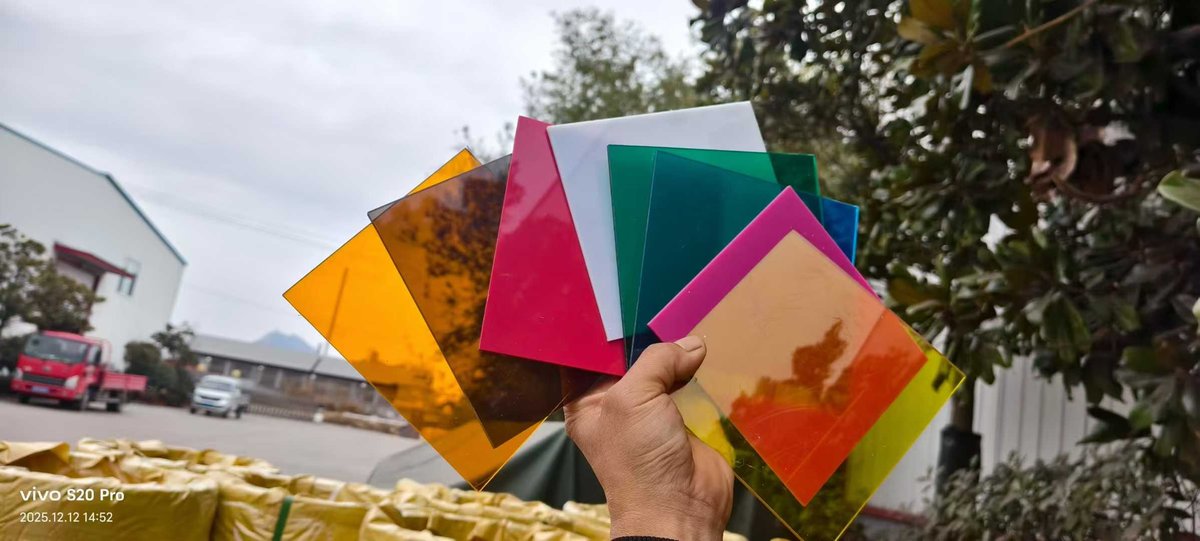
When it comes to high-performance building materials, PC polycarbonate sheet has become a top choice for builders, project contractors, and DIY enthusiasts around the world. As a professional PC polycarbonate sheet supplier with 15 years of export experience, we often get asked by overseas customers: What exactly is a PC polycarbonate sheet, and why has it gained such widespread popularity in the global market? Today, we will give you a detailed explanation, combining practical applications and product advantages, to help you fully understand this versatile material. What Is PC Polycarbonate Sheet? PC polycarbonate sheet, referred to as PC sheet for short, is a high-performance thermoplastic engineering material made of polycarbonate resin through extrusion, calendering and other professional processes. It is a kind of sheet material with excellent comprehensive performance, which is different from traditional glass, acrylic and other materials, and has unique advantages that are difficult to replace. To help you understand it more intuitively, we can compare it with common materials: In addition, PC polycarbonate sheet has good transparency (the light transmittance can reach 85%-90%, which is close to glass), and can be processed into various shapes such as hollow, solid, and corrugated according to different application scenarios, meeting the needs of different projects. Why Is PC Polycarbonate Sheet Popular in the Global Market? The reason why PC polycarbonate sheet can stand out in the global building materials market and be widely used in more than 50 countries and regions is closely related to its excellent performance and wide applicability. Here are the core reasons for its popularity: 1. Excellent Weather Resistance, Adapt to Various Climates One of the biggest advantages of PC polycarbonate sheet is its strong weather resistance. It can withstand extreme temperatures from -40℃ to 120℃, whether it is the hot and dry climate in the…