PC Polycarbonate Sheet: Top 6 Frequently Asked Questions Answered
Polycarbonate (PC) sheets are one of the most versatile building materials available today. Whether you are planning a greenhouse, carport, skylight, or industrial roofing project, you likely have questions about which type of PC sheet to choose and how to work with it. In this article, we answer the 6 most common questions about PC polycarbonate sheets.
1. What is the Difference Between Hollow and Solid Polycarbonate Sheets?
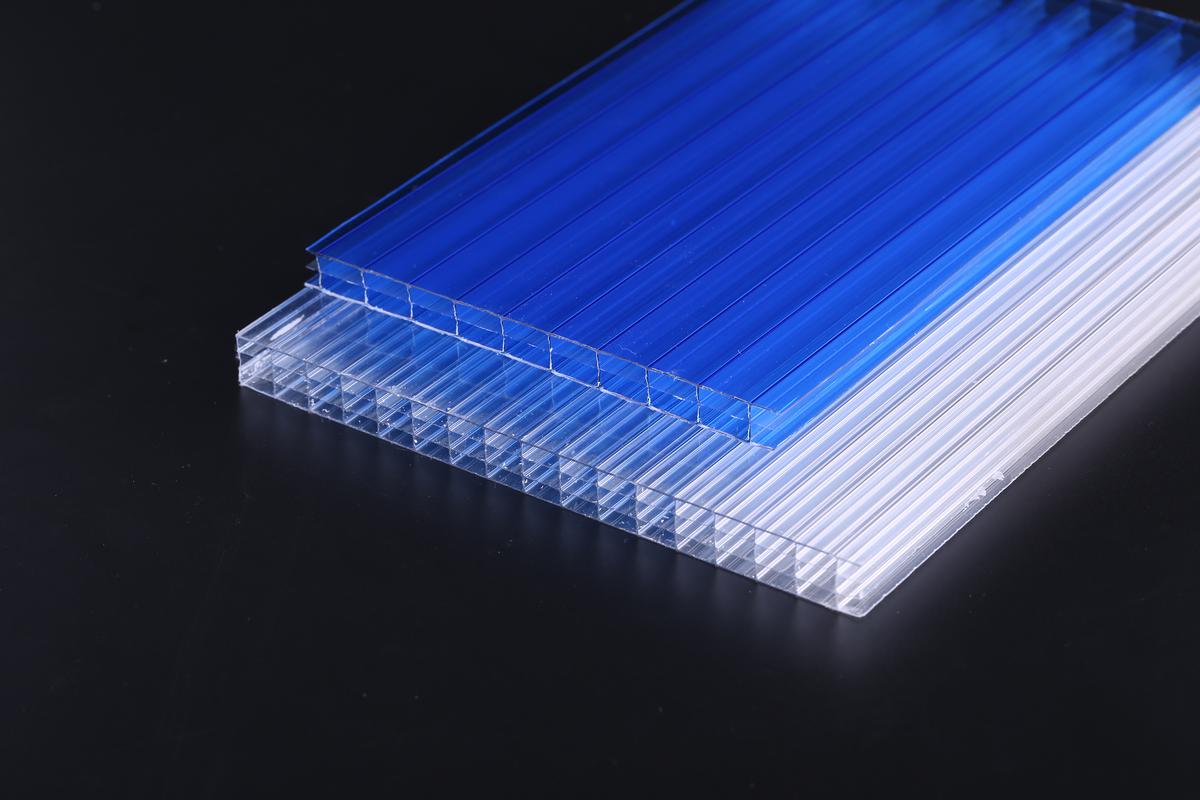
This is the most frequently asked question, and the answer depends on your specific application.
Hollow (Multiwall) Polycarbonate Sheets have a multi-layer structure with internal air channels. They are:
- Lighter — About 1/15 the weight of glass, reducing structural load
- Better insulated — The air channels provide excellent thermal insulation
- More affordable — Lower material cost compared to solid sheets
- Ideal for — Greenhouses, carports, skylights, patio covers, and sound barriers
Solid Polycarbonate Sheets are dense, single-layer panels. They are:
- Stronger — 200+ times stronger than glass, virtually unbreakable
- More transparent — Higher light transmission (up to 90%)
- Heavier — Require stronger support structures
- Ideal for — Security glazing, machine guards, storm windows, and high-traffic areas
Bottom line: For most construction and agricultural applications, hollow sheets offer the best balance of cost, insulation, and strength. For security and high-clarity needs, choose solid sheets.
2. How Long Do Polycarbonate Sheets Last?
With proper installation and maintenance, quality polycarbonate sheets from reputable manufacturers like Jietai can last 10 to 20 years or more.
Key factors affecting lifespan:
- UV protection — Sheets with co-extruded UV-resistant layers last significantly longer. Jietai PC sheets include a 30-50μm UV layer on one side.
- Installation quality — Proper sealing, correct screw spacing, and allowance for thermal expansion all extend service life.
- Cleaning — Regular gentle cleaning prevents dirt buildup that can degrade the surface over time.
- Material quality — Virgin polycarbonate material lasts much longer than recycled or low-grade alternatives.
Jietai offers a 10+ year warranty on our PC sheets, and many installations from 15+ years ago are still performing well.
3. Can Polycarbonate Sheets Be Used for Roofing?
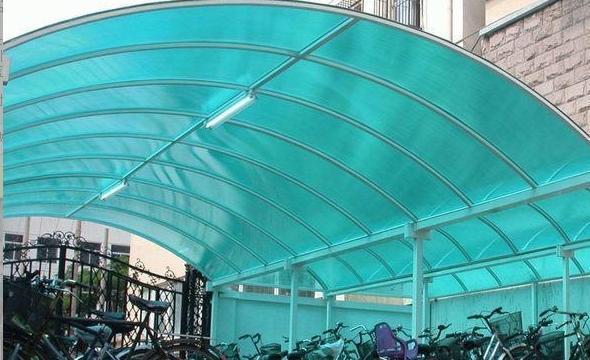
Absolutely. Polycarbonate sheets are one of the most popular roofing materials worldwide, especially for:
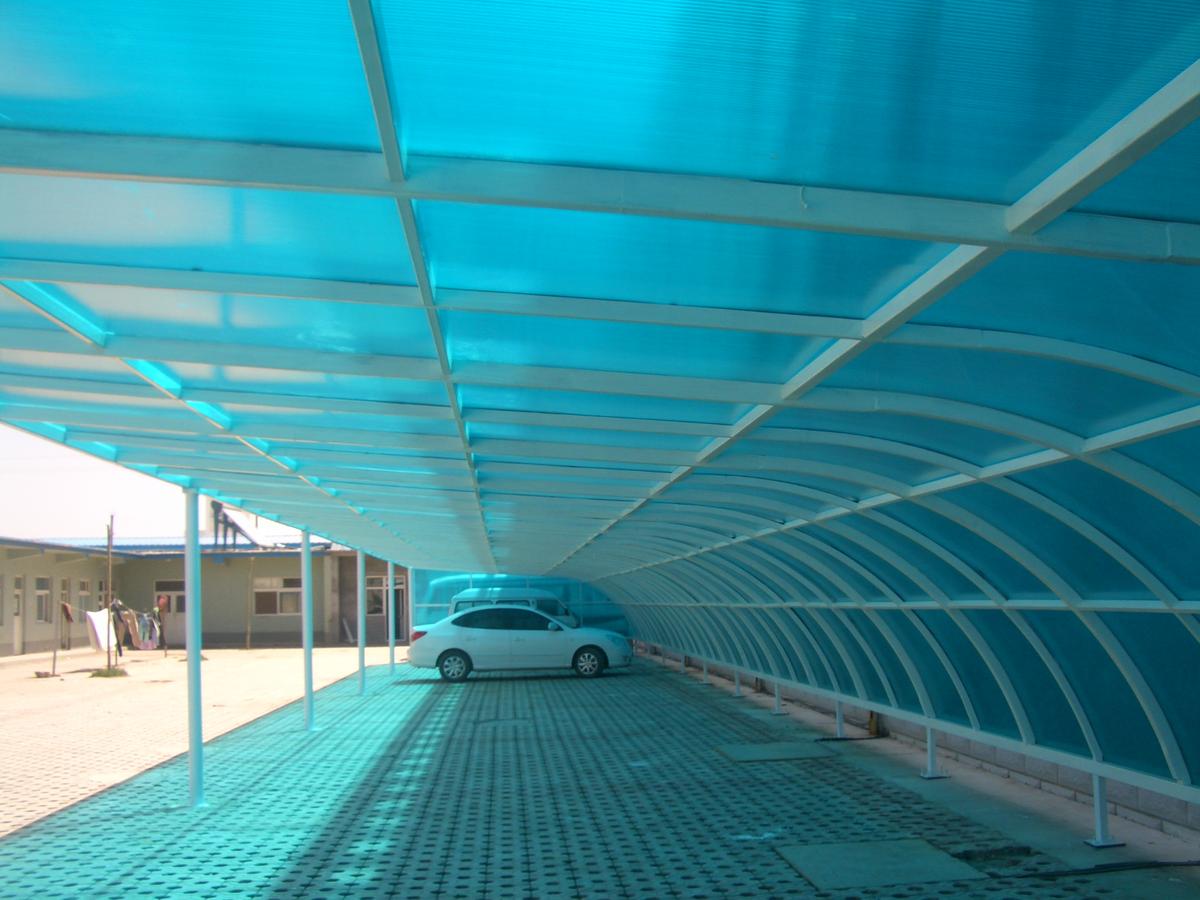
- Carports and parking shelters — Lightweight yet strong enough to withstand hail and snow loads
- Patio and pergola covers — Allows natural light while providing shade and weather protection
- Industrial skylights — Reduces electricity costs by letting in natural daylight
- Stadium and sports facility roofing — Used in major venues globally
- Walkway canopies — Protects pedestrians from rain while keeping areas bright
For roofing applications, we typically recommend 6mm to 16mm multiwall sheets depending on the span and load requirements. All Jietai PC roofing sheets come with UV protection to prevent yellowing.
4. How Do You Cut Polycarbonate Sheets?
Cutting polycarbonate sheets is straightforward with the right tools:
- Use a fine-toothed blade — A circular saw with a carbide-tipped blade (80+ teeth) or a jigsaw with a fine metal/plastic blade works best
- Cut at room temperature — Cold sheets are more brittle and may crack
- Support the sheet — Keep both sides of the cut line supported to prevent vibration and chattering
- Cut slowly — High speeds generate heat that can melt the edge
- Deburr the edge — Lightly sand the cut edge with fine-grit sandpaper to remove any sharp burrs
Important: Do not remove the protective film until after cutting and installation — it prevents scratches during handling.
5. Are Polycarbonate Sheets Suitable for Greenhouses?
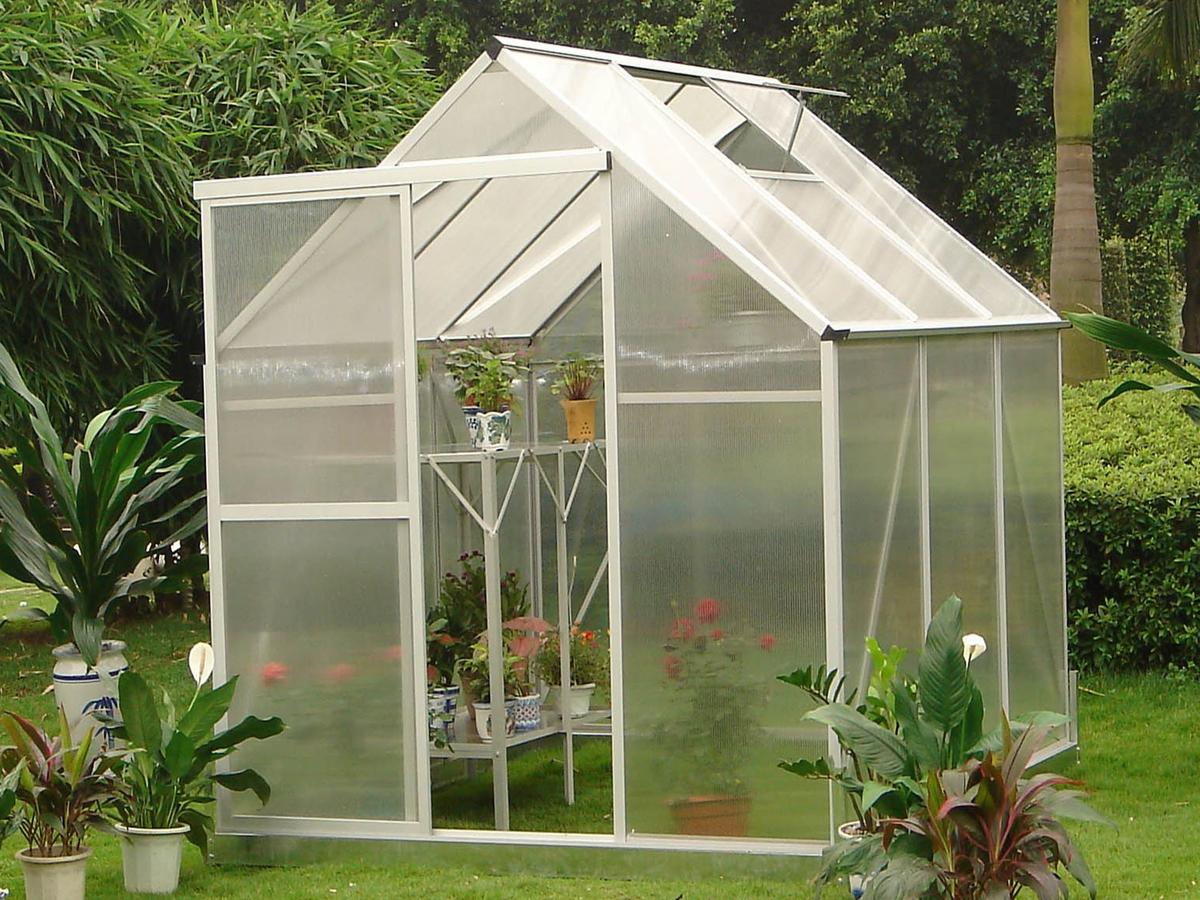
Yes — polycarbonate is actually the preferred material for modern greenhouses worldwide.
Here is why PC hollow sheets outperform glass and plastic film for greenhouse construction:
| Feature | PC Hollow Sheet | Glass | Plastic Film |
|---|---|---|---|
| Insulation | Excellent ★★★ | Poor ★ | Poor ★ |
| Light Diffusion | Excellent ★★★ | Poor ★ (direct) | Good ★★ |
| Durability | 15-20 years ★★★ | Indefinite ★★★ | 2-4 years ★ |
| Cost | $$ | $$$$ | $ |
| Weight | Very light | Very heavy | Very light |
The diffused light transmission of PC hollow sheets is especially valuable for greenhouses — it eliminates hot spots and distributes sunlight evenly, promoting healthier plant growth.
6. How to Clean and Maintain Polycarbonate Sheets?
Proper maintenance keeps your PC sheets looking clear and performing well for decades:
- Use mild soap and water — Mix a small amount of mild dish soap with lukewarm water
- Use a soft cloth or sponge — Never use abrasive scrubbers, wire wool, or scrapers that can scratch the surface
- Rinse thoroughly — Soap residue can cause streaking if left to dry
- Avoid harsh chemicals — Do not use ammonia-based cleaners, acetone, gasoline, or strong solvents
- Pressure wash on low setting — If using a pressure washer, keep it on low pressure and hold the nozzle at least 30cm away
For best results: Clean your PC sheets twice a year — once in spring and once in autumn.
Need More Help?
Every project is unique. If you have specific questions about which PC sheet type, thickness, or color is right for your application, our technical team is here to help.