Raw Material Costs Driving PC Sheet Prices in 2026
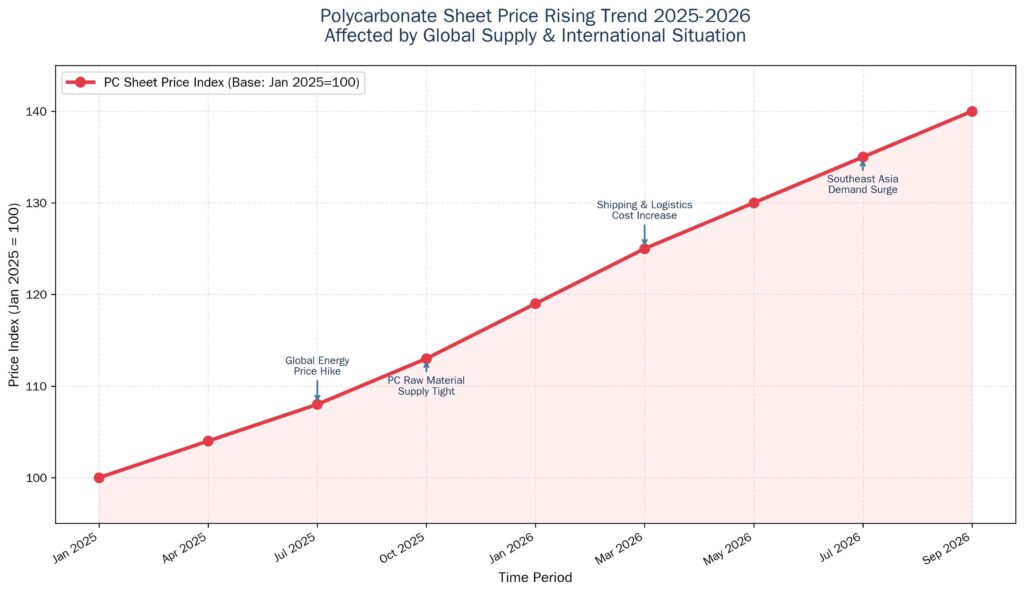
The global polycarbonate sheet market has experienced notable price shifts entering 2026, driven primarily by fluctuations in raw material costs. As a petroleum-derived thermoplastic, polycarbonate resin prices are closely tied to crude oil markets and the supply-demand balance of bisphenol A (BPA). In early 2026, rising feedstock costs pushed polycarbonate resin prices up approximately 8-12% year-over-year in major producing regions including China, South Korea, and the United States. This increase has directly impacted finished PC sheet pricing across all product types — solid sheets, multiwall panels, and corrugated profiles. Manufacturers with integrated production capabilities, such as Jietai, have been better positioned to absorb some of these cost pressures while maintaining competitive pricing for bulk buyers.
Key Factors Influencing Polycarbonate Sheet Pricing
Several factors beyond raw material costs determine the final price of polycarbonate sheets. Thickness and sheet dimensions are primary cost drivers — a 10mm multiwall PC sheet costs significantly more per square meter than a 4mm option due to higher material consumption. UV protection treatment adds 5-10% to the base price but extends product lifespan considerably, making it a worthwhile investment for outdoor applications. Fire rating certifications (such as UL 94 V-0 or Class A) also command a premium, typically adding 10-15% to standard pricing. Additionally, custom color matching, anti-static coatings, and specialized surface treatments can increase costs by 15-25%. Buyers should evaluate these factors against their specific project requirements to avoid over-specifying unnecessary features.
2026 Market Outlook for PC Sheets
The polycarbonate sheet market is projected to grow at a compound annual growth rate (CAGR) of 6-8% through 2030, with demand particularly strong in construction, agriculture, and transportation sectors. In 2026, Southeast Asian markets continue to drive significant demand for PC roofing and greenhouse panels, while North America and Europe show steady growth in architectural glazing applications. Supply chain improvements and increased production capacity in China are expected to moderate price increases in the second half of 2026. Industry analysts predict overall PC sheet prices may stabilize or see slight corrections of 3-5% if crude oil prices ease. However, sustained demand for lightweight, impact-resistant, and energy-efficient building materials will keep polycarbonate sheets competitively priced relative to alternatives like glass and acrylic.
Buying Tips for Best Value PC Sheets
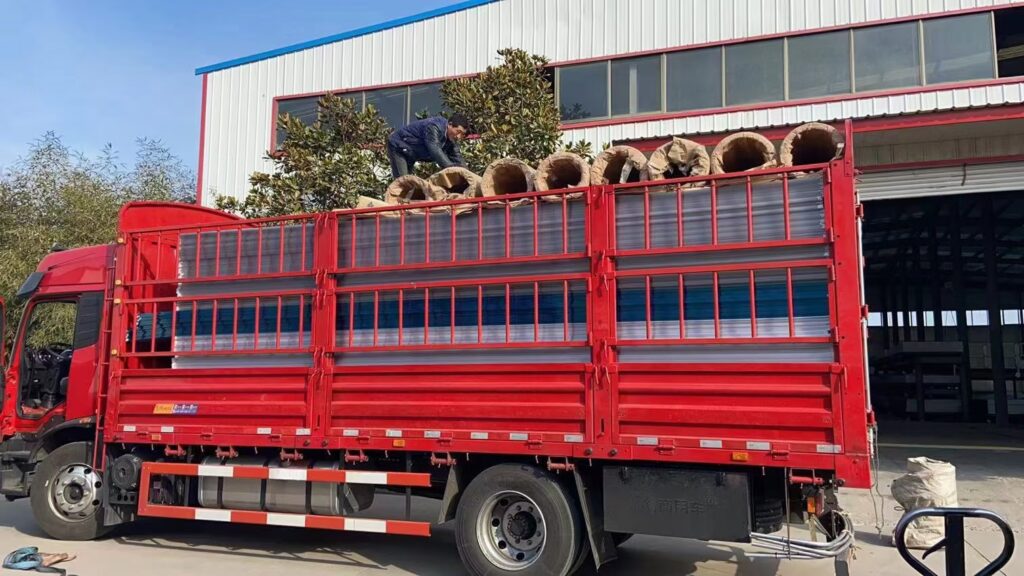
To get the best value when purchasing polycarbonate sheets, start by requesting quotes from multiple suppliers and comparing prices on a per-square-meter basis. Factory-direct manufacturers like Jietai typically offer 20-30% savings over distributor pricing. For large projects, negotiate bulk discounts — orders exceeding 500 sheets often qualify for tiered pricing. Check for warranty coverage, as reputable manufacturers offer 10-15 year warranties against yellowing and impact damage. Consider total lifecycle cost rather than upfront price; a slightly more expensive UV-stabilized sheet that lasts 15 years is far more economical than a budget option needing replacement in 5 years. Finally, verify that the quoted price includes standard sizes (typically 2.1m x 6m) and confirm shipping costs, as freight can add 10-20% for international orders.
How Jietai Can Help
Jietai Manufacturing offers factory-direct polycarbonate sheets at competitive 2026 prices, with over 15 years of experience serving global clients. Our product range includes solid PC sheets, multiwall panels, corrugated sheets, and custom profiles — all manufactured with UV protection and strict quality control. Contact us for a tailored quote, bulk pricing, and expert guidance on choosing the right polycarbonate sheet for your project.