Polycarbonate vs Glass for Roofing: A Comprehensive Comparison
When choosing roofing materials for your home or commercial building, both polycarbonate (PC) sheets and glass are popular options for areas that require natural light transmission. However, they differ significantly in performance, cost, and practicality. This article compares PC roofing sheets and glass across key factors to help you make the right decision.
Weight Comparison
One of the most significant advantages of polycarbonate sheets over glass is their weight. PC sheets are approximately 50% lighter than glass of the same thickness, making them much easier to transport, handle, and install. This reduces the structural load requirements and can lower overall building costs.
Impact Strength and Durability
Polycarbonate is virtually unbreakable — it has 250 times the impact resistance of glass and 30 times that of acrylic. PC roofing sheets can withstand hailstorms, falling branches, and accidental impacts without cracking or shattering. Glass, while strong under compression, is brittle and can break under sudden impact, posing safety risks.
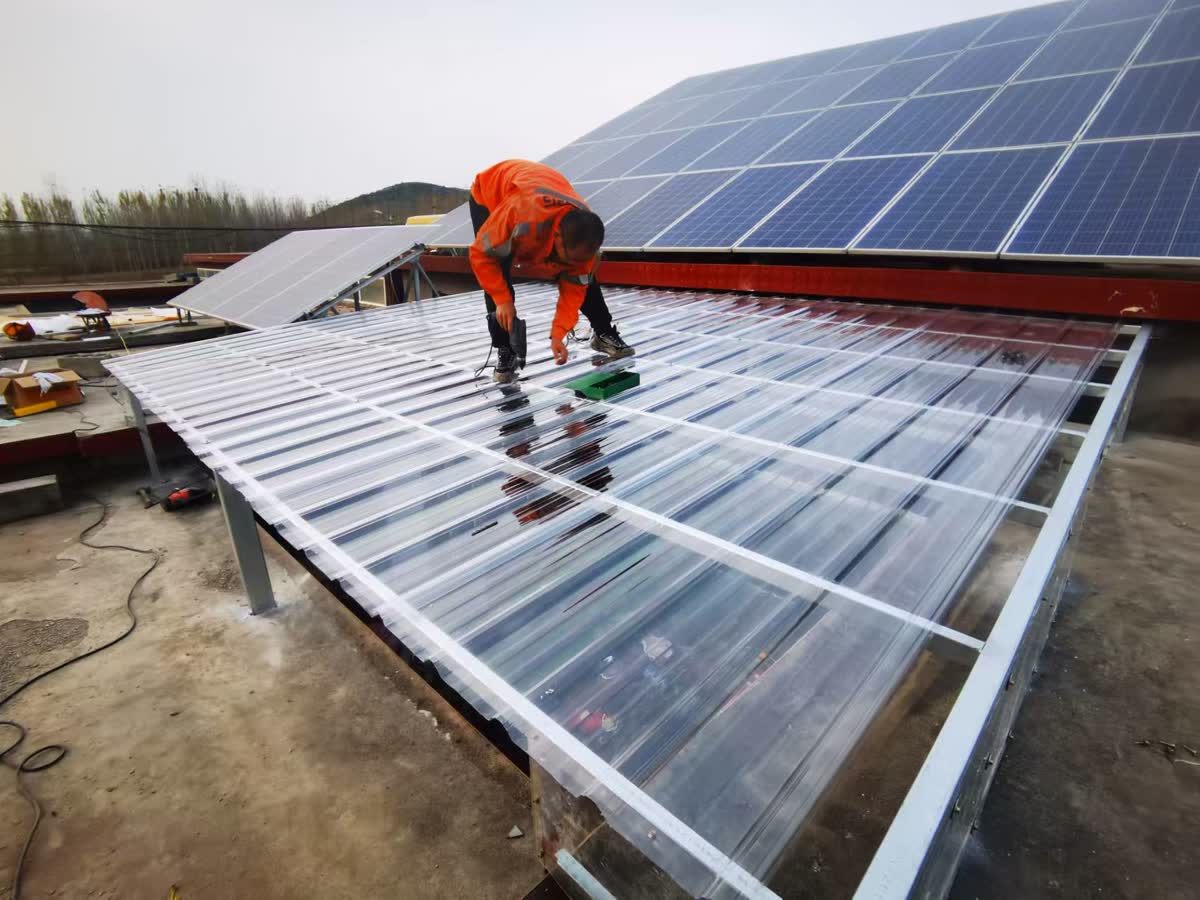
Polycarbonate wave sheets installed on a building rooftop — lightweight yet incredibly durable.
Thermal Insulation
Polycarbonate sheets offer superior thermal insulation compared to single-pane glass. Multi-wall PC sheets contain air pockets that act as insulators, reducing heat transfer and helping maintain comfortable indoor temperatures. This can lead to significant energy savings on heating and cooling.
UV Protection
High-quality polycarbonate roofing sheets come with UV protection coatings that block harmful ultraviolet rays while still allowing visible light to pass through. This protects both occupants and furnishings from sun damage. Glass can also block UV rays when specially treated, but typically at a higher cost.
Cost Effectiveness
When comparing costs, polycarbonate is clearly the more economical choice. PC sheets cost significantly less than glass per square meter, and when factoring in the reduced installation costs due to lighter weight and easier handling, the savings become even more substantial.
Light Transmission
While glass offers slightly higher light transmission (up to 90%), polycarbonate sheets still provide excellent natural lighting (up to 88% for clear sheets). For most roofing applications, this small difference is negligible, especially considering the added benefits of PC’s durability and insulation.
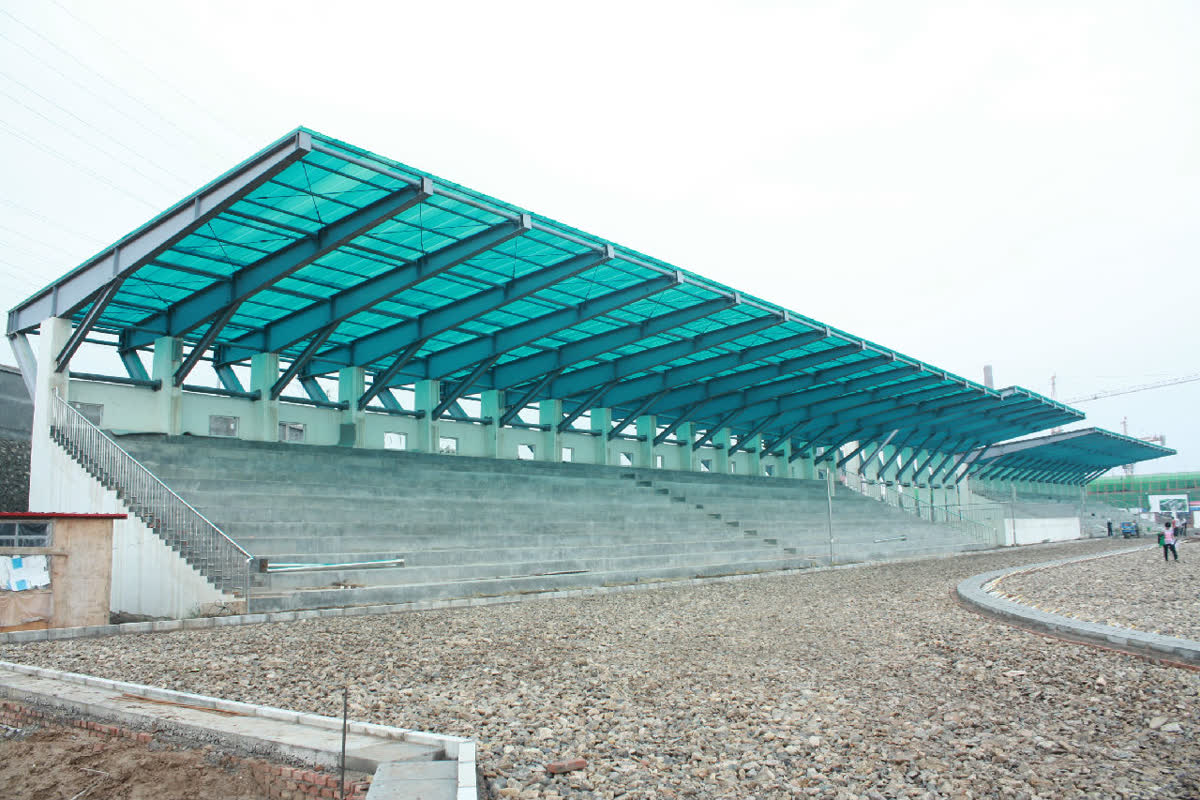
Another example of polycarbonate wave sheets used in roofing — offering natural light with superior protection.
Conclusion
For most roofing applications, polycarbonate sheets are the superior choice over glass. They offer:
- Lighter weight — easier installation and less structural load
- Higher impact resistance — virtually unbreakable
- Better thermal insulation — energy efficient
- UV protection — blocks harmful rays while transmitting light
- Lower cost — more affordable material and installation
Glass may still be preferred in certain aesthetic applications where maximum clarity is required, but for practical, durable, and cost-effective roofing solutions, polycarbonate is the clear winner.