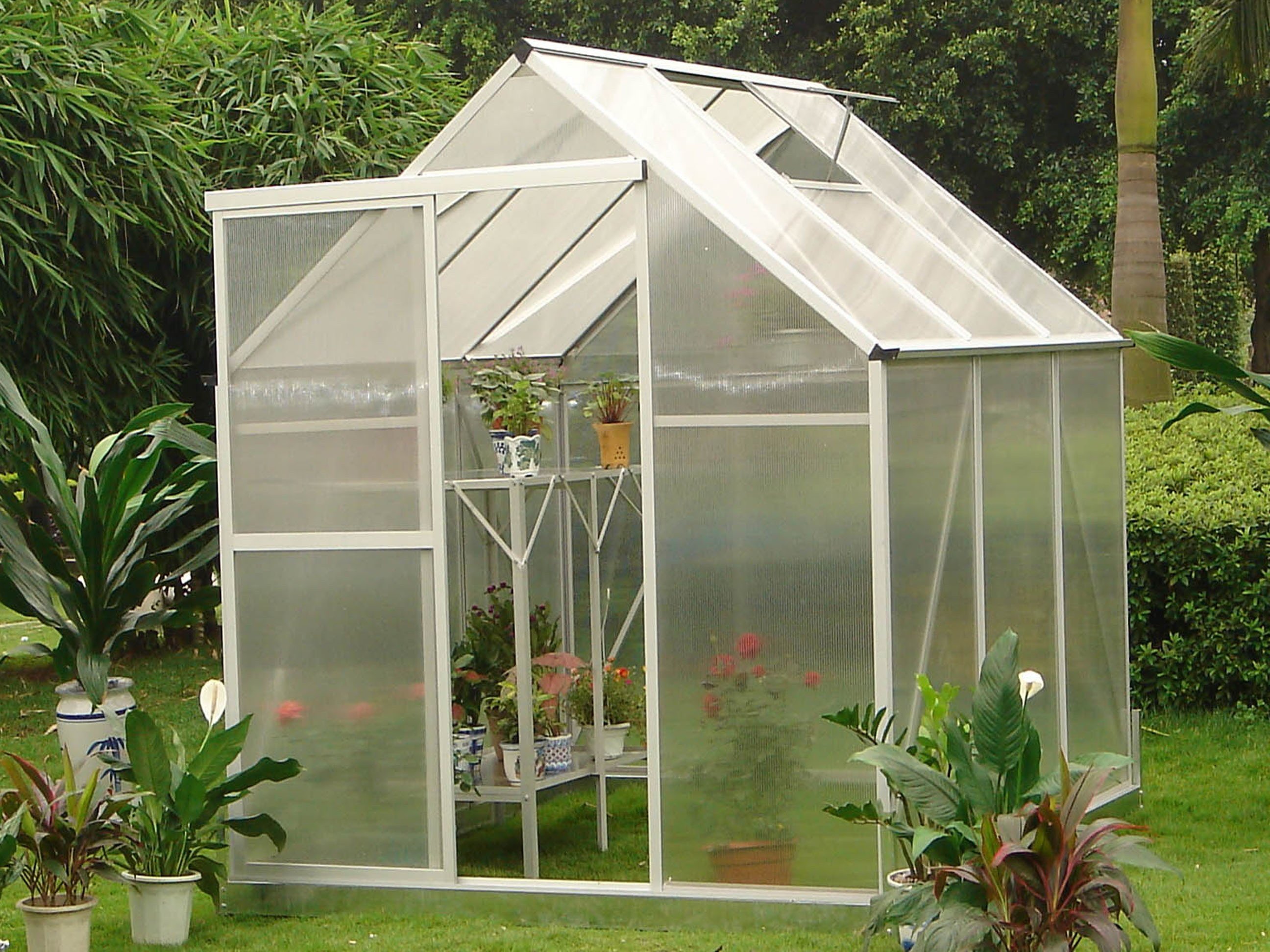
Why Choose Multiwall Polycarbonate Sheet For Greenhouse ?
2026年4月13日
Introduction Introduction to Why Choose Multiwall Polycarbo For greenhouse growers and agricultural businesses worldwide, choosing the right covering material is critical to maximizing crop yield, reducing energy costs, and ensuring long-term durability. While traditional materials like glass and single-layer plastic have been used for decades, multiwall polycarbonate sheets have emerged as the preferred choice for modern greenhouses. Lightweight, shatterproof, and thermally efficient, they address the key pain points of greenhouse operation—from temperature control to UV protection. In this article, we’ll break down the top reasons why multiwall polycarbonate sheets are the ideal investment for your greenhouse, tailored for buyers and procurement teams seeking reliable, cost-effective agricultural solutions. Superior Thermal Insulation Saves Energy & Stabilizes Temperature One of the biggest challenges in greenhouse management is maintaining a consistent internal temperature, especially in regions with extreme hot or cold weather. Multiwall polycarbonate sheets solve this with their unique internal structure—twin-wall, triple-wall, or honeycomb layers create air pockets that act as natural insulation barriers. Air is a poor conductor of heat, so these pockets reduce heat transfer between the inside and outside of the greenhouse. Compared to single-layer plastic (which offers almost no insulation) and glass (which conducts heat easily), multiwall polycarbonate sheets lower the U-value (a measure of heat loss) to 1.8-2.5 W/(m²·K) (depending on thickness). This means less energy is needed for heating in winter and cooling in summer, cutting your energy bills by 30-40% over time. Key Features and Benefits For commercial growers, this translates to significant cost savings and more stable growing conditions for temperature-sensitive crops like tomatoes, herbs, and flowers. Excellent Light Transmission & UV Protection Crop growth depends on high-quality light, and multiwall polycarbonate sheets deliver exceptional light transmission—80-90%, nearly matching glass. Unlike single-layer plastic, which yellows and becomes brittle over time, multiwall polycarbonate is equipped with…
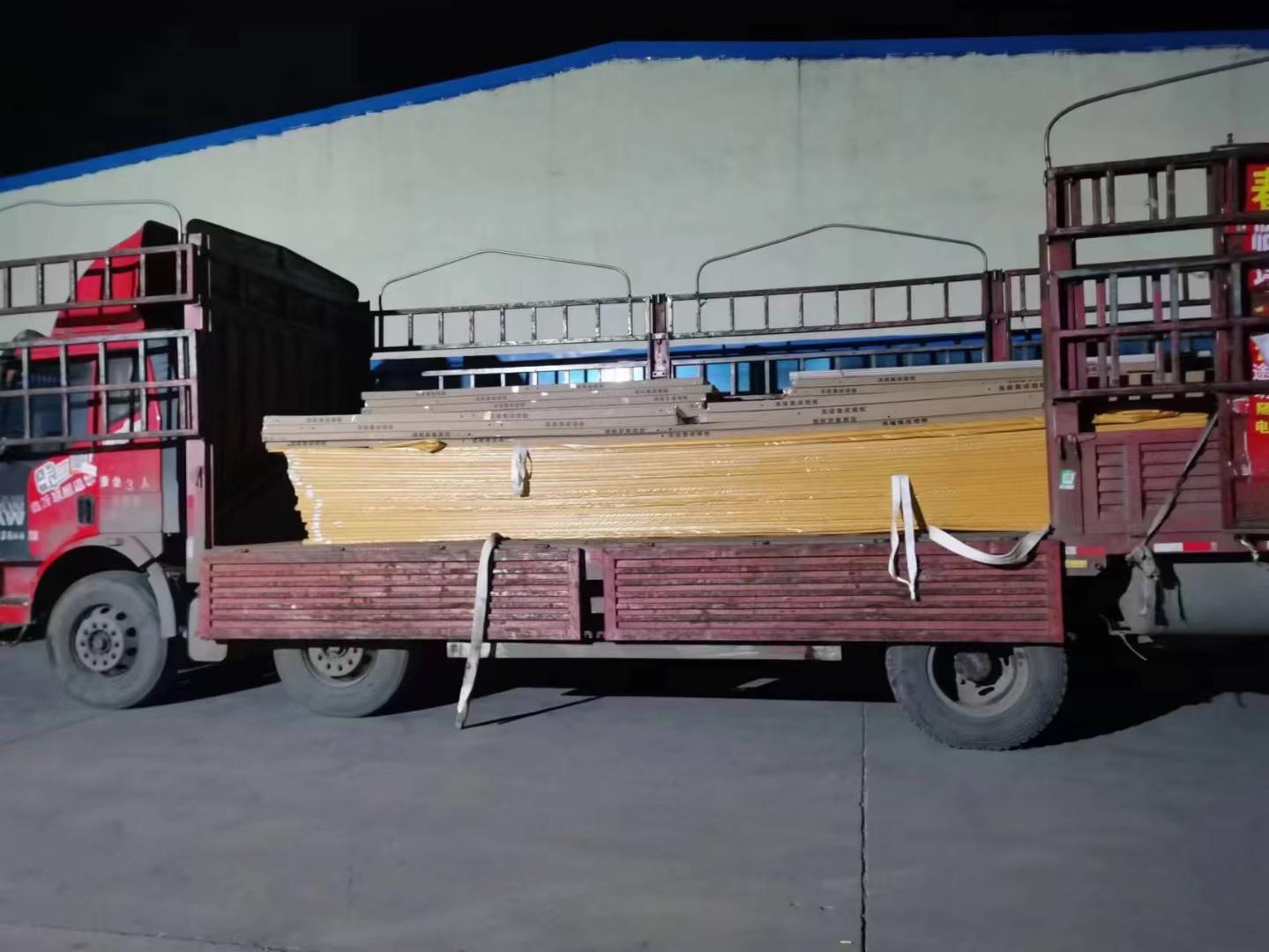
How To Transport The Polycarbonate Panels
2026年4月13日
Introduction Polycarbonate (PC) panels have become a staple in construction, industrial, and outdoor projects, thanks to their lightweight, high impact resistance, and superior light transmission. Yet, improper transportation often leads to avoidable damage—scratches, cracks, or deformation—that compromises product quality and drives up project costs. This practical guide simplifies the key steps, precautions, and type-specific tips for transporting PC panels, helping purchasers, logistics teams, and project managers ensure safe, intact delivery every time. Pre-Transport: Packaging – Your First Line of Protection The right packaging is critical to shielding PC panels from transit damage. Below are tailored tips for common panel types, plus universal best practices: All Panels: Keep the original factory protective film intact to guard against scratches and dust. Wrap edges and corners with foam strips or rubber sleeves (the most vulnerable areas to impact). Stack panels flat, secure tightly with waterproof stretch wrap, and label packages clearly with “Fragile”, “Keep Flat”, and “Waterproof” to guide logistics teams. Solid PC Panels: Use wooden pallets for stacking to avoid direct ground contact, which can cause moisture damage or scratches. Add extra padding between layers to prevent pressure indentation, as solid panels are prone to surface damage under heavy stacking. Multi-wall PC Panels: Protect the hollow structure by avoiding over-squeezing—leave small gaps between stacks. Use rigid cardboard covers on both sides to prevent bending, which can compromise the panel’s thermal insulation and structural integrity. Corrugated PC Panels: Stack along the corrugation direction to maintain shape. Use soft straps when securing, as hard straps can press into corrugated grooves and cause deformation. During Transport: Loading & Securing – Avoid Slips and Impacts Proper loading and securement are essential to prevent panels from sliding, bending, or colliding during transit. Follow these key rules: Load all PC panels horizontally—never vertically or at an angle. Vertical…
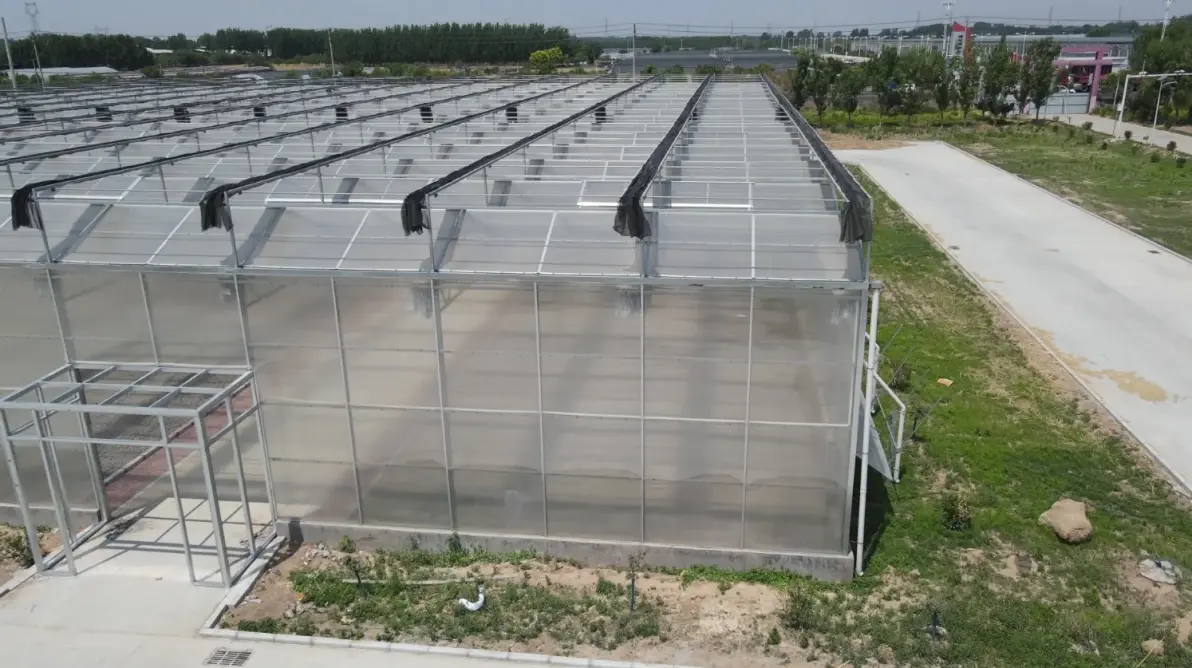
Polycarbonate Sheet VS Acrylic Sheet: Which Is Better for Your Project?
2026年4月13日
Introduction When it comes to choosing transparent or translucent materials for your construction or DIY project, two names stand out: polycarbonate (PC) and acrylic sheets. Both are excellent alternatives to glass, but they serve very different purposes. Choosing the wrong one can lead to premature failure, higher costs, or safety risks. This guide breaks down the key differences between polycarbonate and acrylic sheets – including impact resistance, UV protection, cost, weight, and applications – so you can confidently choose the best material for your project. Polycarbonate vs Acrylic: Key Differences at a Glance Here is a side-by-side comparison of the most important properties of polycarbonate and acrylic sheets: Property Polycarbonate (PC) Sheet Acrylic Sheet Impact Resistance Extremely tough – 250-300x stronger than glass, shatterproof Brittle, prone to cracking or shattering on impact UV Resistance Excellent with co-extruded UV coating, lasts 15-25 years outdoors Poor without coating; yellows and becomes brittle in 5-8 years outdoors Light Transmission 88-92% clarity (slightly lower, slightly diffused) 90-93% clarity (crystal clear, glass-like) Temperature Range -40C to 120C – stable in extreme heat and cold Sensitive to high temperatures, can deform above 80C Weight Lightweight – about half the weight of glass Lightweight – similar to polycarbonate Flexibility Highly flexible, can be cold-bent for curved structures Rigid, cannot be cold-bent; requires heating to shape Scratch Resistance Softer surface, scratches more easily Harder surface, more scratch-resistant and polishable Cost Higher initial cost, lower long-term cost due to durability Lower initial cost, higher replacement cost over time When to Choose Polycarbonate Sheets Polycarbonate sheets are the go-to choice for projects that demand high impact resistance, weather durability, and long-term performance. If your application is outdoors or in a high-risk environment, PC is almost always the better choice. Best applications for polycarbonate: Skylights and roof glazing: Withstands hail, falling…

What Are the Special Applications of Polycarbonate?
2026年4月13日
Introduction Polycarbonate (PC) is a high-performance engineering thermoplastic that offers a unique combination of toughness, transparency, heat resistance, and processability. Unlike ordinary glass or standard plastics, polycarbonate performs exceptionally well in extreme and demanding environments. This article explores the special applications of polycarbonate sheets across various industries — from construction and automotive to electronics and specialized industrial sectors. What Makes Polycarbonate Special for Construction Applications? In the construction industry, polycarbonate has become a go-to material where glass falls short. Its exceptional impact resistance — 250 to 300 times stronger than glass — combined with lightweight properties makes it ideal for large-scale roofing and glazing projects. Skylights and Atriums: Multiwall polycarbonate panels are widely used in stadiums, airports, shopping malls, and commercial atriums. They offer 88%–92% light transmittance while weighing only half as much as glass. This reduces structural load requirements and installation costs significantly. Noise Barriers: Polycarbonate sheets are installed along highways, bridges, and viaducts as effective noise barriers. They can reduce noise pollution by 30 to 40 decibels while maintaining visual transparency and aesthetic appeal. Greenhouse Coverings: PC panels provide superior thermal insulation compared to glass. They filter harmful UV radiation to protect plants while allowing optimal photosynthetically active radiation (PAR) to pass through. Greenhouses using polycarbonate can reduce energy consumption by 20%–30% compared to glass-covered structures. How Is Polycarbonate Used in the Automotive Industry? The automotive sector leverages polycarbonate’s lightweight, impact-resistant, and heat-resistant properties to improve fuel efficiency and passenger safety. Panoramic Sunroofs and Windows: Polycarbonate sunroofs are approximately 40% lighter than their glass counterparts, contributing to reduced fuel consumption and lower carbon emissions. In the event of a collision, PC glazing does not shatter into dangerous shards — it remains intact, enhancing occupant safety. Headlight Covers: Polycarbonate withstands temperatures exceeding 120°C while maintaining high optical clarity. Premium…
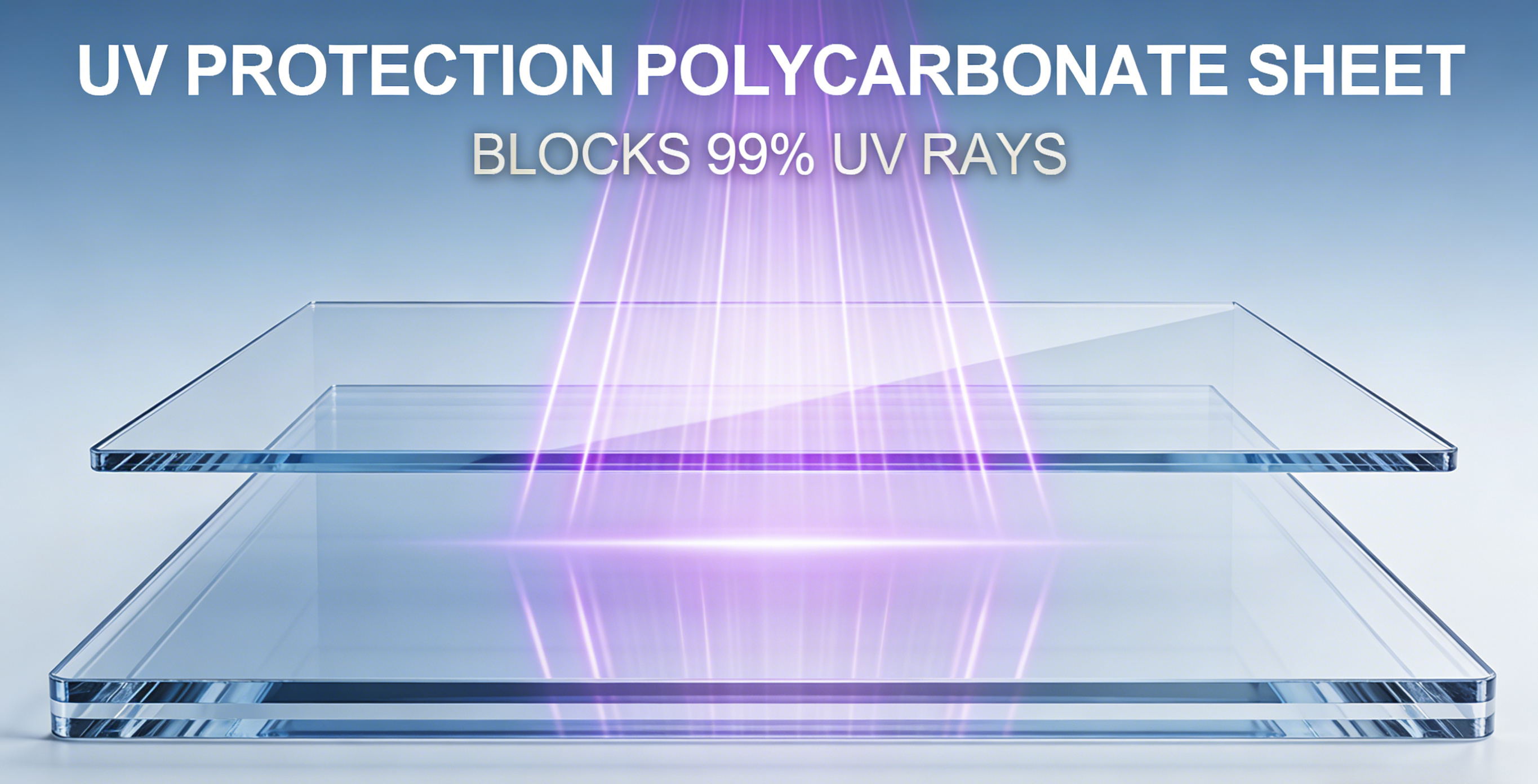
Polycarbonate And Protection From UV Radiation You Should Know
2026年4月13日
Introduction Polycarbonate (PC) is favored for its transparency and durability, with UV protection as its core advantage. This guide simplifies its UV-resistant features, application scenarios and usage precautions for practical reference. UV radiation accelerates material aging and harms human health, making UV-blocking materials essential for outdoor construction and agriculture. Key Features and Benefits For transparent materials, UV resistance is critical—and polycarbonate stands out as the top choice for outdoor and high-demand scenarios. Why Polycarbonate Excels in UV Protection Compared with ordinary plastics and glass, polycarbonate has unique advantages in UV protection: Inherent UV resistance: Its molecular structure can absorb and block most UV rays, protecting itself and surrounding objects from damage. Customizable protection: UV-coated PC sheets offer enhanced, long-lasting UV resistance for different scenarios, with co-extruded UV layers that resist yellowing for 10+ years. Performance Characteristics Long-term stability: It won’t yellow or become brittle under long-term sun exposure, unlike common materials. Note: Thicker PC sheets and UV-coated products have better UV blocking effects. UV Protection Application Scenarios: Architectural Field: Used for daylighting roofs, canopies and exterior cladding, blocking UV rays while ensuring light transmission and preventing building material aging. Common Applications Agricultural Field: Greenhouse covers filter harmful UV rays, protect crops, retain needed visible light, and improve yield and quality. The UV layer extends the greenhouse panel lifespan significantly. Electronic & Daily Necessities: Used for outdoor electronic casings, sunshades and goggles, preventing equipment discoloration and protecting human skin and eyes from UV damage. Medical & Cultural Fields: Protective covers and display cases made of PC block UV, protecting medical instruments and cultural relics without affecting observation. Why Choose Jietai Usage Precautions: Choose UV-coated PC products for outdoor use to ensure long-term protection. Check the sheet surface regularly; replace if damaged or yellowed. Avoid scratches during installation to maintain UV blocking…
Different Hollow Polycarbonate Types –How To Choose From?
2026年4月13日
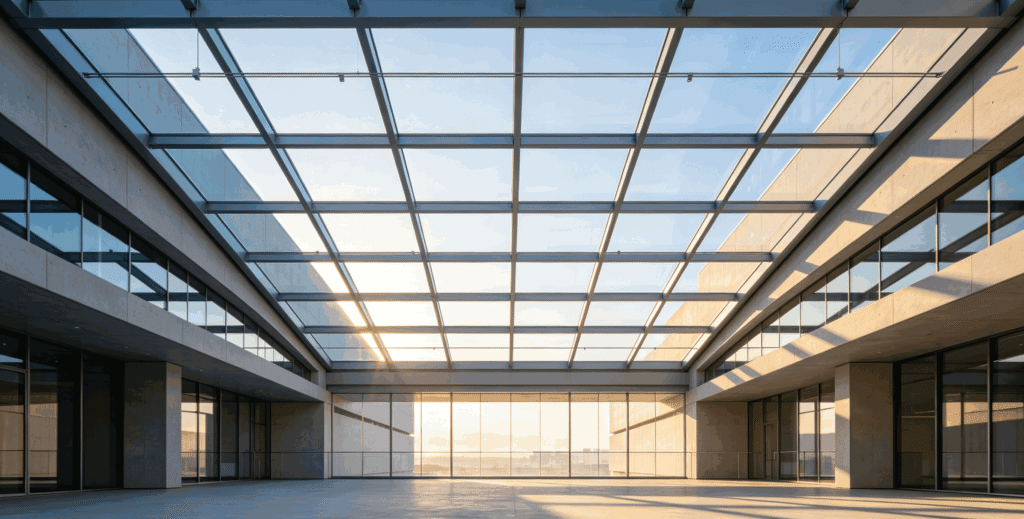
Introduction to Hollow Polycarbonate Sheets Hollow polycarbonate (PC) sheets are a versatile and lightweight building material widely used in construction, agriculture, and commercial applications. Unlike solid polycarbonate sheets, hollow variants feature internal ribbed structures that create air pockets, providing excellent thermal insulation while significantly reducing weight and material cost. Understanding the different hollow polycarbonate types is essential for selecting the right sheet for your specific project. The number of walls and hollow layers directly affects the sheet’s insulation performance, structural strength, light transmission, and overall cost. This guide breaks down the most common hollow polycarbonate types — twin-wall, triple-wall, and multi-wall — to help you make an informed decision. What Are Hollow Polycarbonate Sheets? Hollow polycarbonate sheets, also known as multiwall or structured polycarbonate panels, consist of multiple parallel layers (walls) connected by vertical ribs. The air gaps between the walls act as thermal barriers, giving hollow PC sheets significantly better insulation (U-value as low as 1.0 W/m²K) than solid panels. They are typically available in thicknesses from 4mm to 40mm, with 2 to 7 wall layers depending on the product series. Key advantages of hollow polycarbonate sheets include light weight (about 1/6 the weight of glass), high impact resistance (200-250 times stronger than glass), excellent light transmission (up to 90%), and effective UV protection when co-extruded with a UV-resistant layer. These properties make them the preferred choice for daylighting, greenhouse cladding, and architectural glazing worldwide. Types of Hollow Polycarbonate Sheets Twin-Wall Polycarbonate Sheets Twin-wall polycarbonate sheets are the most common and cost-effective hollow PC type. They feature two parallel panels connected by vertical ribs, forming a single hollow layer. Available in thicknesses from 4mm to 10mm, twin-wall sheets offer good light transmittance (85%-90%) while providing basic thermal insulation and impact resistance. Best for: Small greenhouses, residential canopies, porch roofs,…
How Do Polycarbonate Sheets Resist Heat?
2026年4月13日
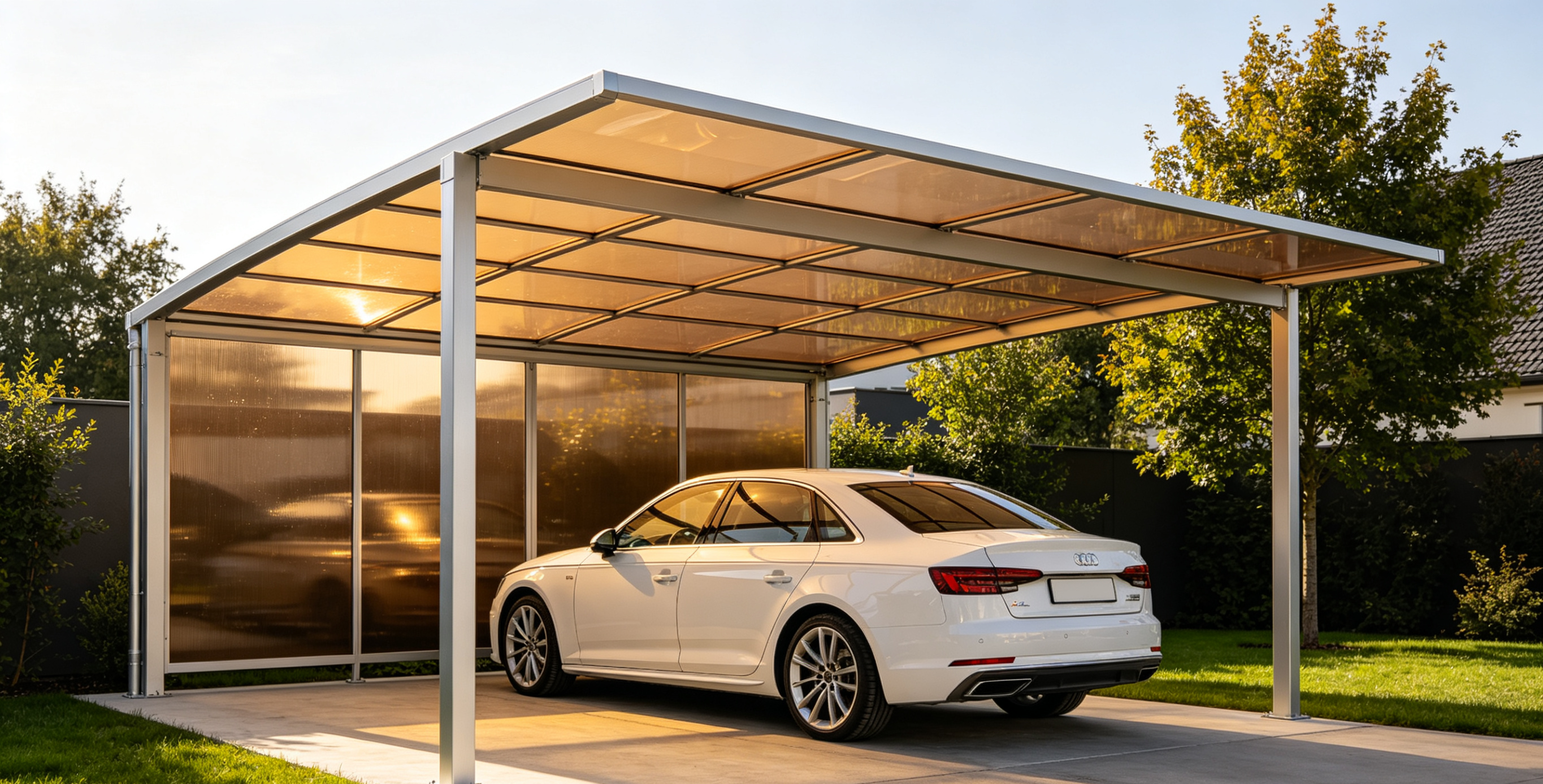
Introduction When selecting materials for roofing, skylights, industrial enclosures, or agricultural structures, heat resistance is one of the most important factors — especially for buyers operating in hot climates such as the Middle East, Southeast Asia, and Southern Europe. Polycarbonate (PC) sheets are widely recognized for their excellent thermal performance, but how exactly do they resist heat? This article answers the most common questions about polycarbonate heat resistance, covering temperature range, thermal stability, fire behavior, and practical tips for maximizing performance. How Do Polycarbonate Sheets Resist Heat? The heat resistance of polycarbonate sheets comes from their unique molecular structure. Polycarbonate is an amorphous thermoplastic with rigid aromatic rings and strong carbonate linkages in its polymer backbone. These molecular bonds resist thermal vibration and maintain stability at elevated temperatures. Key factors that contribute to PC heat resistance include: High Glass Transition Temperature (Tg): Polycarbonate has a Tg of 145-150C (293-302F), meaning it remains rigid and dimensionally stable well above the tolerance of most common plastics. Gradual Softening: Unlike crystalline plastics that melt sharply at a specific point, PC softens gradually above its Tg and only becomes fully fluid above 220C, maintaining structural integrity during short heat bursts up to 130C. Heat Deflection Temperature (HDT): PC sheets have an HDT of 130-145C (266-293F) under 1.82 MPa load — significantly higher than PVC (85C), acrylic (85C), or ABS (60C). What Temperature Can Polycarbonate Sheets Withstand? Polycarbonate sheets have a broad operating temperature range that makes them suitable for diverse climates and applications: Continuous service temperature: -40C to 120C (-40F to 248F) Short-term peak tolerance: Up to 130C (266F) for brief exposure Relative Thermal Index (RTI): 105C (221F) for long-term continuous exposure (thousands of hours) Glass Transition Temperature (Tg): 145-150C, where the material begins to soften Processing temperature: 220-250C — PC only becomes fluid…
The Future Outlook of Polycarbonate Sheets
2026年4月13日
The future outlook of polycarbonate sheets – market trends, innovations, sustainable manufacturing, and emerging applications in construction, automotive, and agriculture industries.
PC Lighting Tiles vs FRP Roofing – Key Differences Between Polycarbonate and FRP Materials
2026年4月7日
Compare polycarbonate (PC) lighting tiles vs FRP roofing materials – durability, light transmission, fire rating, cost, and lifespan. Complete guide for PC vs FRP selection.
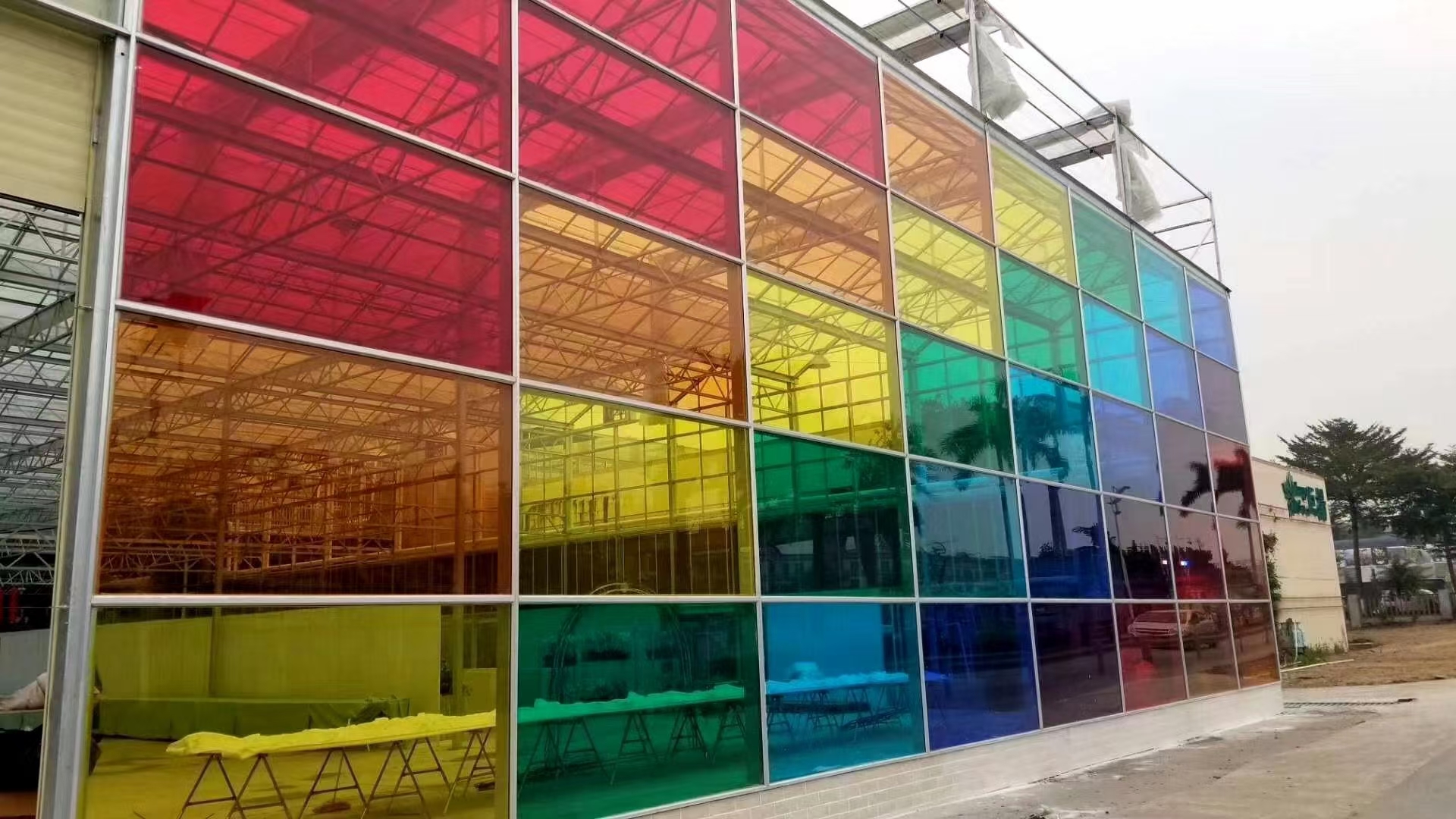
Comparison Between Solid Polycarbonate (PC) Sheets and Glass
2026年4月7日
Introduction Introduction to Comparison Between Solid Polyc Solid polycarbonate (PC) sheets and traditional glass are mainstream transparent materials used in building lighting, equipment protection, and decoration. Both are light-transmitting and aesthetically pleasing but differ significantly in safety, durability, processability, and overall cost. This article simplifies their core differences to provide professional reference for accurate material selection. Key Features and Benefits Core Difference 1: Material Nature and Structure Material properties and structure determine their performance differences: Solid PC sheets are high-performance thermoplastic engineering plastics made from polycarbonate resin via extrusion. They have a solid, pore-free structure, are colorless, tasteless, and non-toxic, and high-quality products feature a UV protective layer for enhanced weather resistance[1][4]. Traditional glass is an inorganic non-metallic material produced by melting quartz sand, soda ash, and limestone. Performance Characteristics It is transparent but hard and brittle, lacks UV protection, and cannot be flexibly processed—even when tempered[2][5]. Core Difference 2: Key Performance Comparison A simplified comparison of their key performances is provided below: Performance DimensionSolid Polycarbonate (PC) SheetsTraditional GlassImpact Resistance (Safety)Extremely tough and impact-resistant (250–300 times that of ordinary glass), with no sharp fragments when broken[1][5].Brittle and easy to break, producing sharp fragments; tempered glass still poses safety risks[2][5].Weather ResistanceExcellent, UV-resistant, able to withstand temperatures from -40℃ to 120℃, with a service life of 15–25 years[1][4].Poor, prone to yellowing and aging, with a service life of 5–8 years[2][5].Light Transmittance88%–92%, with soft light and slow transmittance attenuation[1][4].Approximately 90%, with strong glare and significant transmittance decline over time[2][5].Weight & InstallationLightweight (half the weight of glass), easy to transport and install, with low construction costs[1][4].Heavy, requiring solid support, with high construction difficulty and costs[2][5].ProcessabilityEasy to cut, bend, and splice, suitable for complex shapes[1][3].Difficult to process, cannot be bent, and limited to simple shapes[2][5].Overall CostHigher initial price but lower long-term costs (80% lower than…