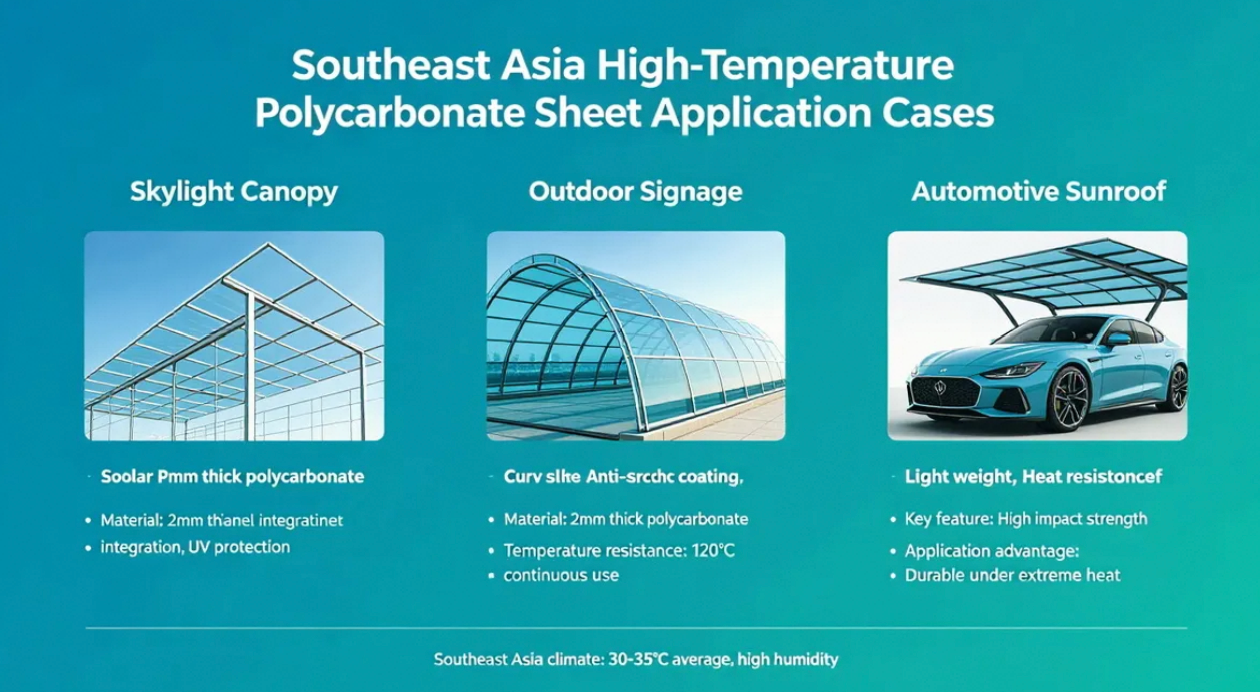
How High Temperature Affects Polycarbonate Sheet & How to Prevent Damage
2026年4月21日
How high temperature affects polycarbonate sheets and how to protect them – thermal expansion, heat deflection, UV synergy, and installation tips for hot climates.
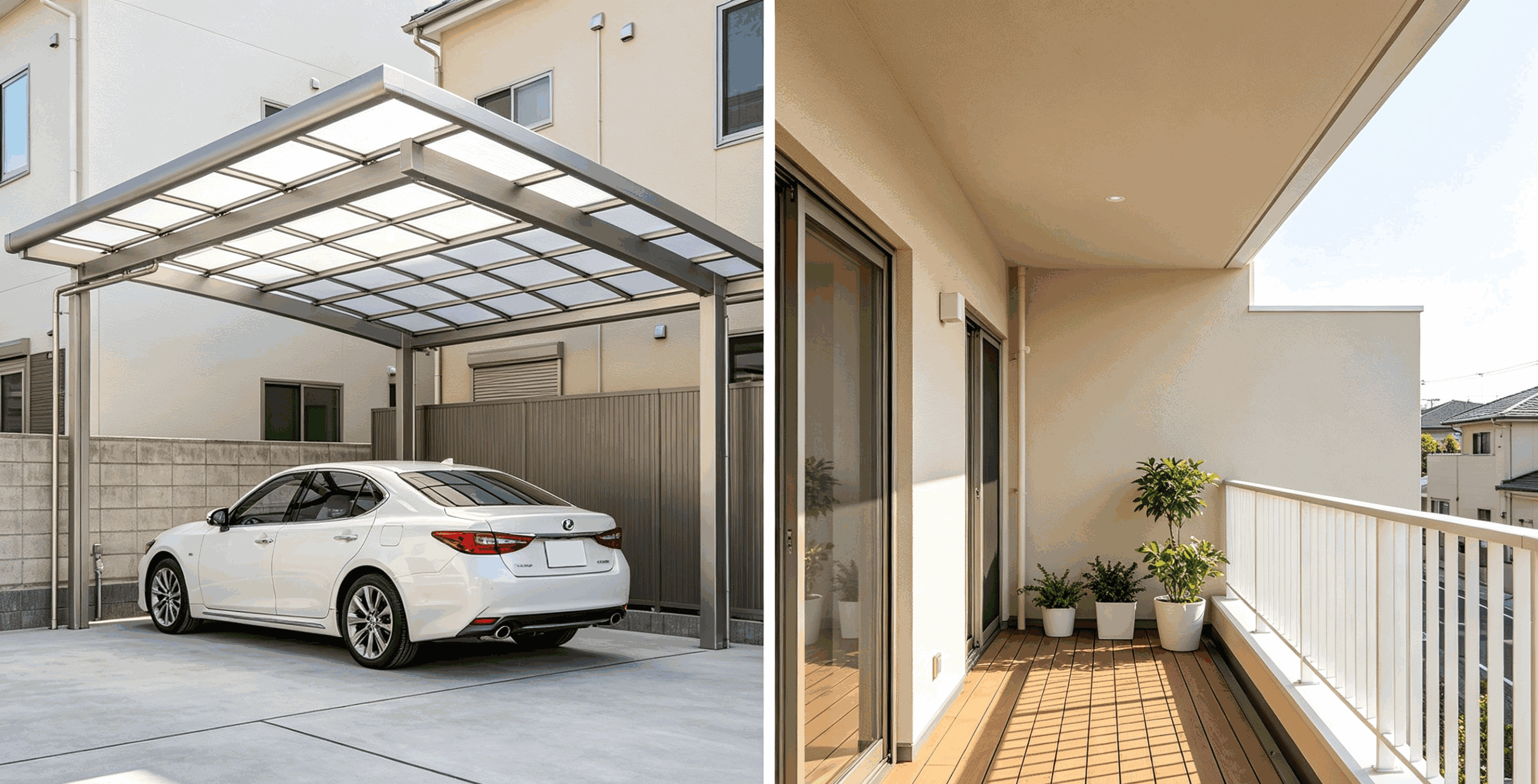
Top 7 Applications of Polycarbonate Sheet in Modern Construction
2026年4月21日
Introduction Polycarbonate sheets have transformed modern construction with their exceptional strength-to-weight ratio, impact resistance, light transmission, and weather durability. As architects and builders across Southeast Asia and worldwide seek materials that combine safety, performance, and cost-effectiveness, polycarbonate (PC) panels have become a go-to solution across dozens of building applications. Unlike glass, PC sheets are virtually unbreakable — offering 250 times the impact resistance while weighing only half as much. They also provide excellent thermal insulation, UV protection, and design flexibility that traditional materials cannot match. In this article, we explore the top seven applications of polycarbonate sheets in modern construction and why they are becoming indispensable in the building industry. Polycarbonate skylights bring natural daylight into commercial spaces 1. Skylights and Daylighting Roofing Systems Skylights are one of the most popular applications for polycarbonate sheets. PC panels allow natural sunlight to flood indoor spaces, reducing the need for artificial lighting and cutting energy costs by up to 40%. Unlike glass skylights, polycarbonate is shatterproof and can withstand impacts from hail, falling debris, or accidental foot traffic during installation and maintenance. Multiwall (hollow) polycarbonate sheets are especially popular for skylights because they add thermal insulation while diffusing light evenly, eliminating harsh shadows and glare. Available in clear, bronze, blue, and opal finishes, PC skylights can be tailored to any architectural style. Their lightweight nature also reduces the structural load on buildings, allowing for larger spans and more dramatic daylighting designs. Common applications include atrium roofs, shopping mall skylights, school gymnasiums, factory sawtooth roofs, and residential sunrooms. With co-extruded UV protection rated for 10+ years, polycarbonate skylights maintain their clarity and mechanical properties far longer than acrylic alternatives. Corrugated PC sheet carport providing weather protection 2. Carports and Outdoor Canopies Carports, patio covers, walkway canopies, and outdoor shelters demand a material that…
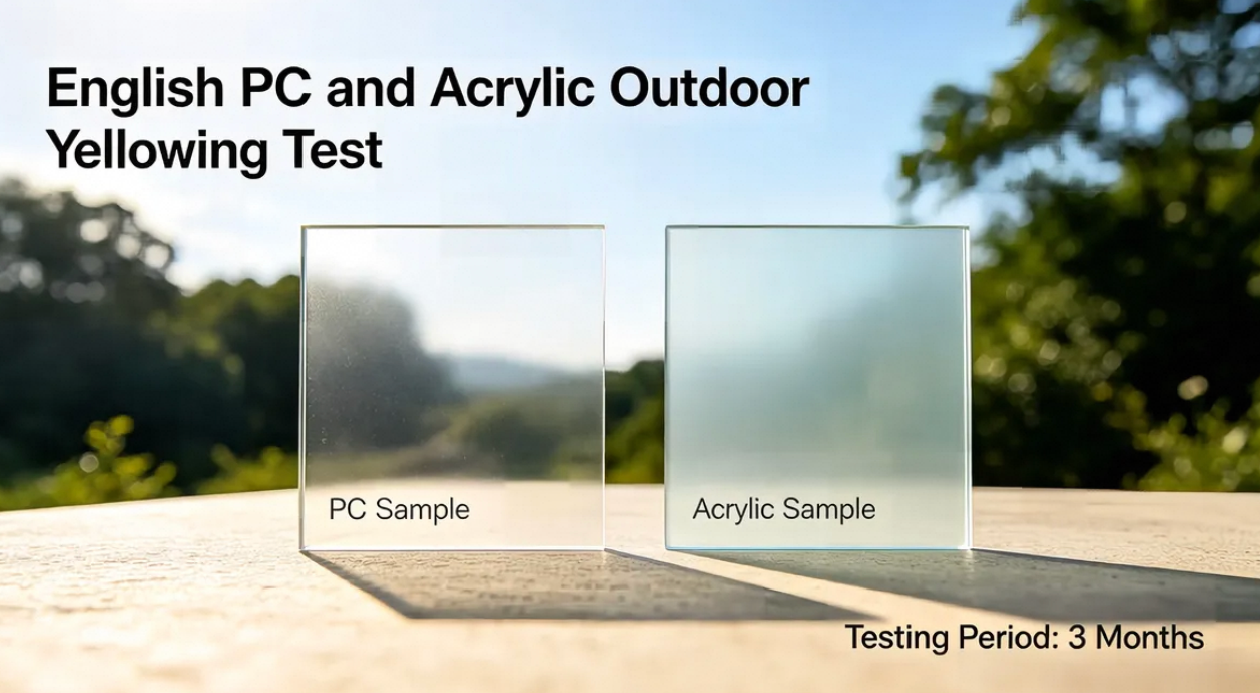
Polycarbonate (PC) vs Acrylic (PMMA): Which Is Better for Your Project?
2026年4月21日
Compare polycarbonate (PC) vs acrylic (PMMA) sheets – strength, UV resistance, cost, weight, applications. Which is better for your project?
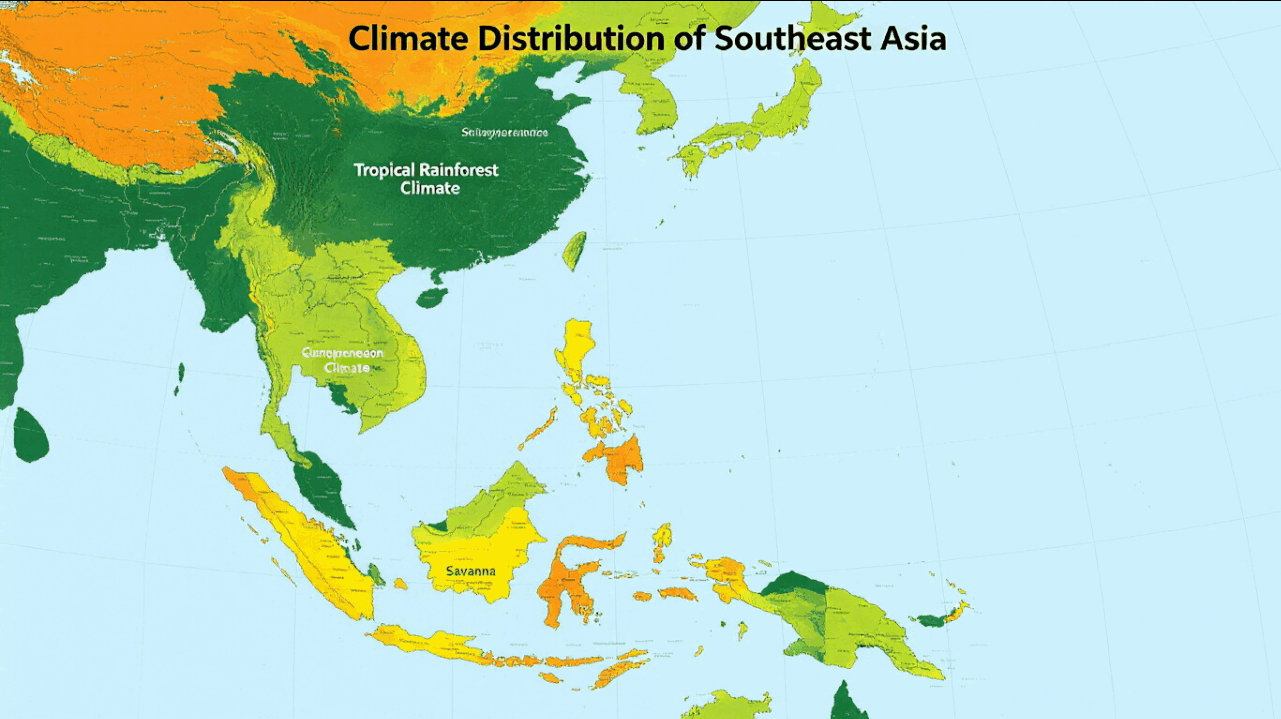
Best Thickness of Polycarbonate Sheet for Southeast Asian Weather
2026年4月21日
Complete guide on choosing the best polycarbonate sheet thickness for Southeast Asian weather conditions including heat, UV intensity, heavy rain, and humidity. Expert recommendations for carports, greenhouses, skylights, and security glazing.
Why Polycarbonate Sheet Turns Yellow & How to Choose Anti-Yellowing Sheets
2026年4月21日
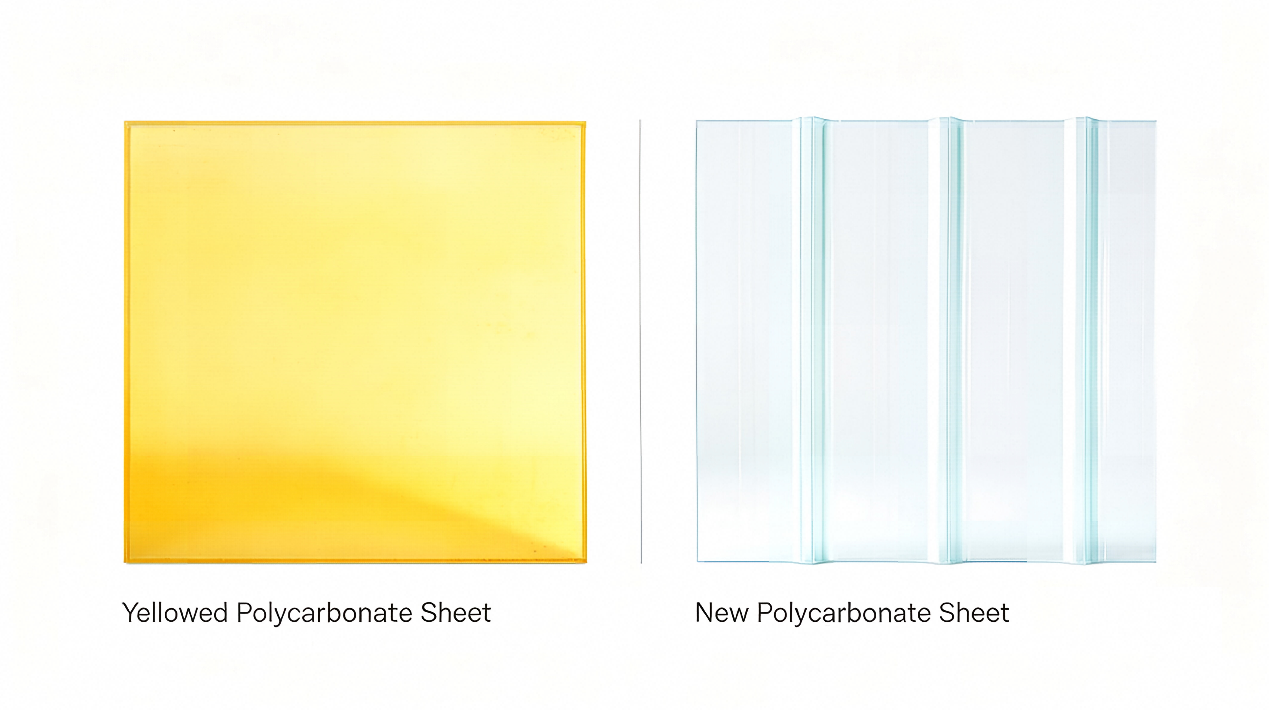
Introduction Many buyers in Southeast Asia have encountered PC sheet yellowing after just 1-2 years of outdoor use. The transparency decreases, the appearance becomes old and unsightly, and in severe cases the structural strength drops significantly. This phenomenon is one of the most common complaints about polycarbonate sheets, especially in tropical regions with intense sunlight exposure year-round. Understanding why polycarbonate turns yellow and how to choose anti-yellowing PC sheets is essential for anyone planning to use this material for roofing, greenhouses, carports, or any outdoor application. This guide examines the root causes of PC yellowing and provides practical advice for selecting sheets that stay clear and strong for years. What Causes Polycarbonate Sheet to Turn Yellow? Polycarbonate yellowing is primarily caused by UV degradation of the polymer molecular structure. When unprotected polycarbonate is exposed to sunlight, ultraviolet radiation breaks down the chemical bonds in the polymer chains. This process, known as photo-oxidation, creates chromophores — molecular structures that absorb visible light and give the material a yellow or amber appearance. There are several specific factors that accelerate yellowing: No UV Protective Layer — Low-cost sheets often lack a co-extruded UV protection layer. These sheets use recycled or low-grade materials and are not designed for long-term outdoor use. Without a UV barrier, degradation begins immediately upon exposure to sunlight. Use of Recycled Raw Materials — Recycled PC materials contain impurities, color contaminants, and degraded polymer chains. These unstable components break down much faster under sunlight, causing rapid yellowing within months rather than years. Quality PC sheets should use 100% virgin polycarbonate resin. Incorrect Installation Direction — Quality PC sheets have a UV-coated side that must face outward toward the sun. Installing the UV-coated side inward leaves the unprotected surface directly exposed to sunlight, accelerating aging dramatically. Many yellowing problems are actually…
How to Install Polycarbonate Roofing Sheet Correctly | Full Step-by-Step Guide
2026年4月21日
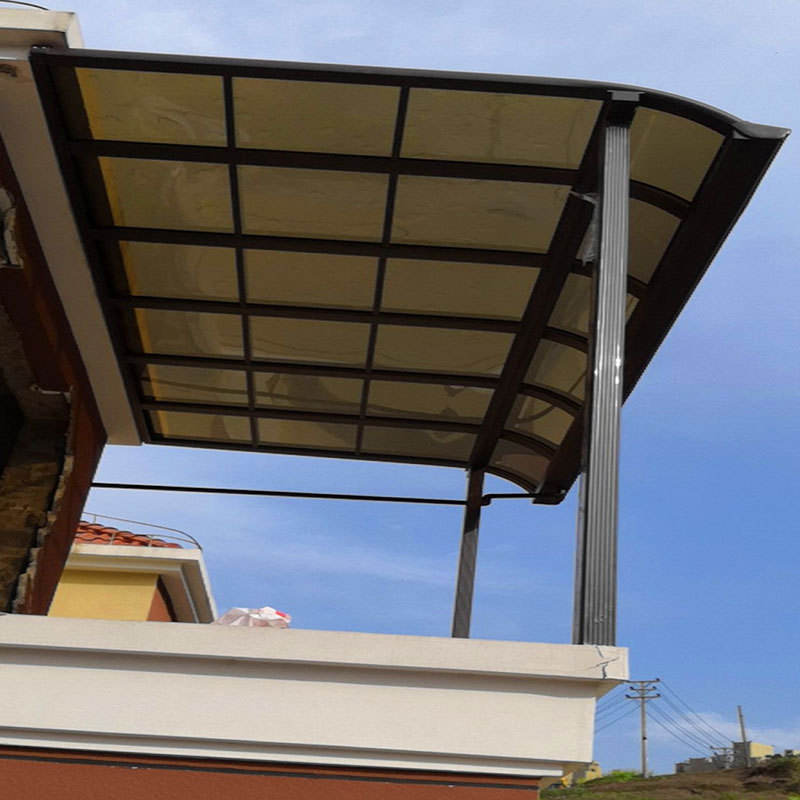
Introduction PC polycarbonate roofing sheet installation project Installing polycarbonate roofing sheets correctly is essential to maximize their service life, ensure waterproof performance, and maintain an attractive appearance. Many common problems — such as water leakage, panel cracking, premature yellowing, and wind damage — stem directly from improper installation techniques rather than product quality. Whether you are building a carport, greenhouse, factory roof, or skylight, following the correct installation procedure will protect your investment and ensure your PC roofing performs reliably for 10–15 years or more. This comprehensive guide covers everything you need to know: from choosing the right tools and materials to the step-by-step installation process, common mistakes to avoid, and ongoing maintenance tips. The instructions are specially adapted for the tropical climate of Southeast Asia, where high temperatures, heavy rainfall, and strong UV exposure place additional demands on roofing materials. Tools and Materials You’ll Need Solid polycarbonate sheet — ideal for flat roofing and skylight applications Before you begin installation, gather all the necessary tools and materials. Having everything ready beforehand will save time and prevent installation errors. Essential tools: Electric drill with sharp drill bits (high-speed steel or carbide-tipped) Circular saw or jigsaw with fine-tooth blade for cutting PC sheets Measuring tape, chalk line, and level for layout marking Utility knife for trimming and removing protective film Rubber mallet for gentle tapping without damaging the sheet Safety equipment: gloves, safety glasses, and non-slip shoes Required materials: Polycarbonate roofing sheets (multiwall, solid, or corrugated as per your project) Stainless steel self-tapping screws with EPDM rubber sealing washers Aluminum alloy or UPVC fixing profiles and rubber sealing strips Neutral silicone sealant (non-acidic, non-alkaline) Expansion joint filler or foam backer rod for end closures Aluminum tape or U-profile edge trim for finishing open ends Using high-quality, corrosion-resistant materials is especially important…
10 Key Benefits of Polycarbonate Sheet Over Traditional Glass
2026年4月21日
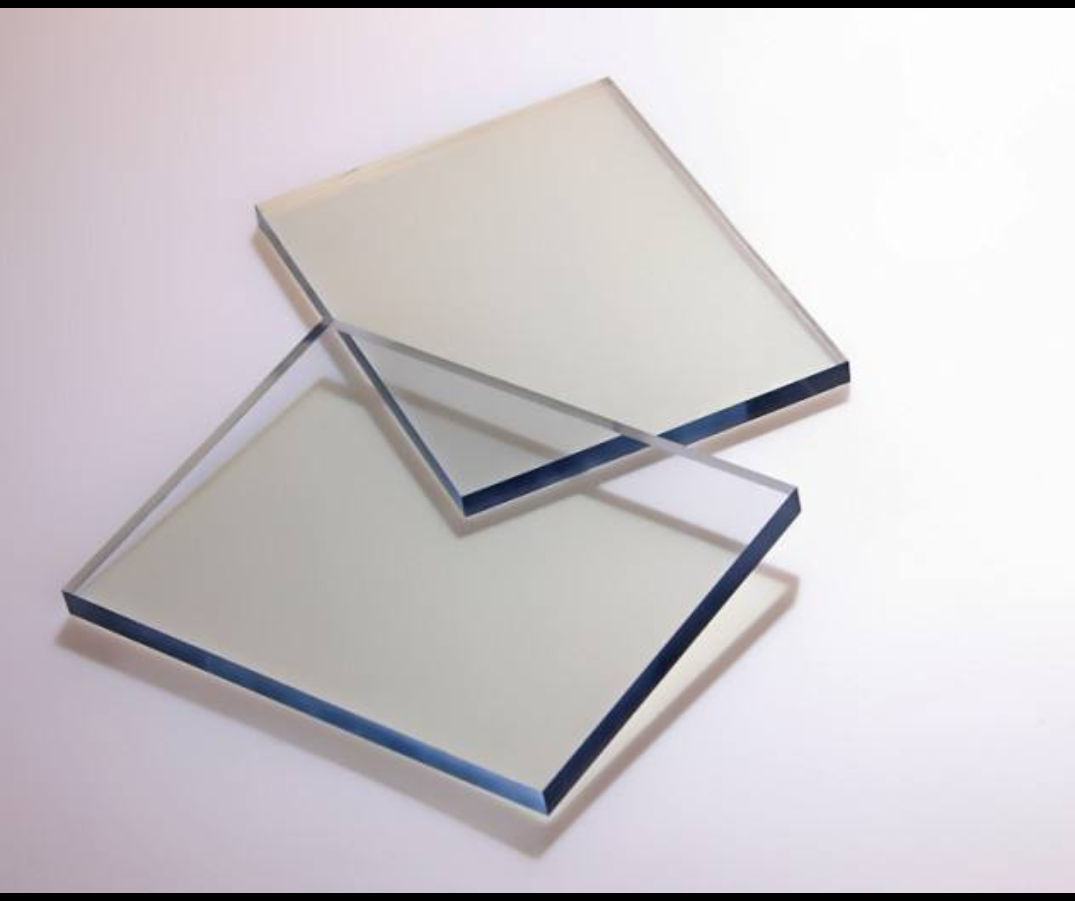
Introduction Polycarbonate sheets have emerged as a superior alternative to traditional glass in countless applications worldwide. From construction and agriculture to safety glazing and architectural design, PC sheets offer a unique combination of properties that glass simply cannot match. This article explores the 10 key benefits of polycarbonate sheets over traditional glass, helping you understand why more builders, architects, and homeowners are making the switch. 1. Superior Impact Resistance Polycarbonate sheets are approximately 250 times stronger than glass and 30 times stronger than acrylic. While glass shatters into sharp, dangerous fragments upon impact, PC sheets absorb impact energy and remain intact. This makes polycarbonate the ideal choice for safety-critical applications such as school windows, bank security glazing, public transportation shelters, and family balconies. In typhoon-prone regions like Southeast Asia, this impact resistance directly protects both property and lives. PC sheets also meet stringent safety standards including UL 972 for burglar-resistant glazing and comply with building codes requiring impact-safe materials. 2. Lightweight and Easy to Handle Polycarbonate weighs only half as much as glass of the same thickness. This significant weight reduction translates into lower transportation costs, reduced labor requirements during installation, and decreased structural load on buildings. For large-area applications such as roofing, stadium canopies, and greenhouse covers, the lightweight nature of PC sheets makes handling and installation far simpler and safer than working with heavy glass panels. Installation teams can carry and position PC panels without heavy lifting equipment, reducing overall project costs and timelines. 3. Excellent UV Protection High-quality polycarbonate sheets feature a co-extruded UV protective layer that blocks up to 99% of harmful ultraviolet rays. Unlike glass, which offers minimal UV protection and can contribute to fading of interior furnishings, PC sheets protect both people and property from UV damage. The UV layer also prevents yellowing and…
Solid vs Hollow Polycarbonate Sheet: Which One Should You Choose?
2026年4月20日
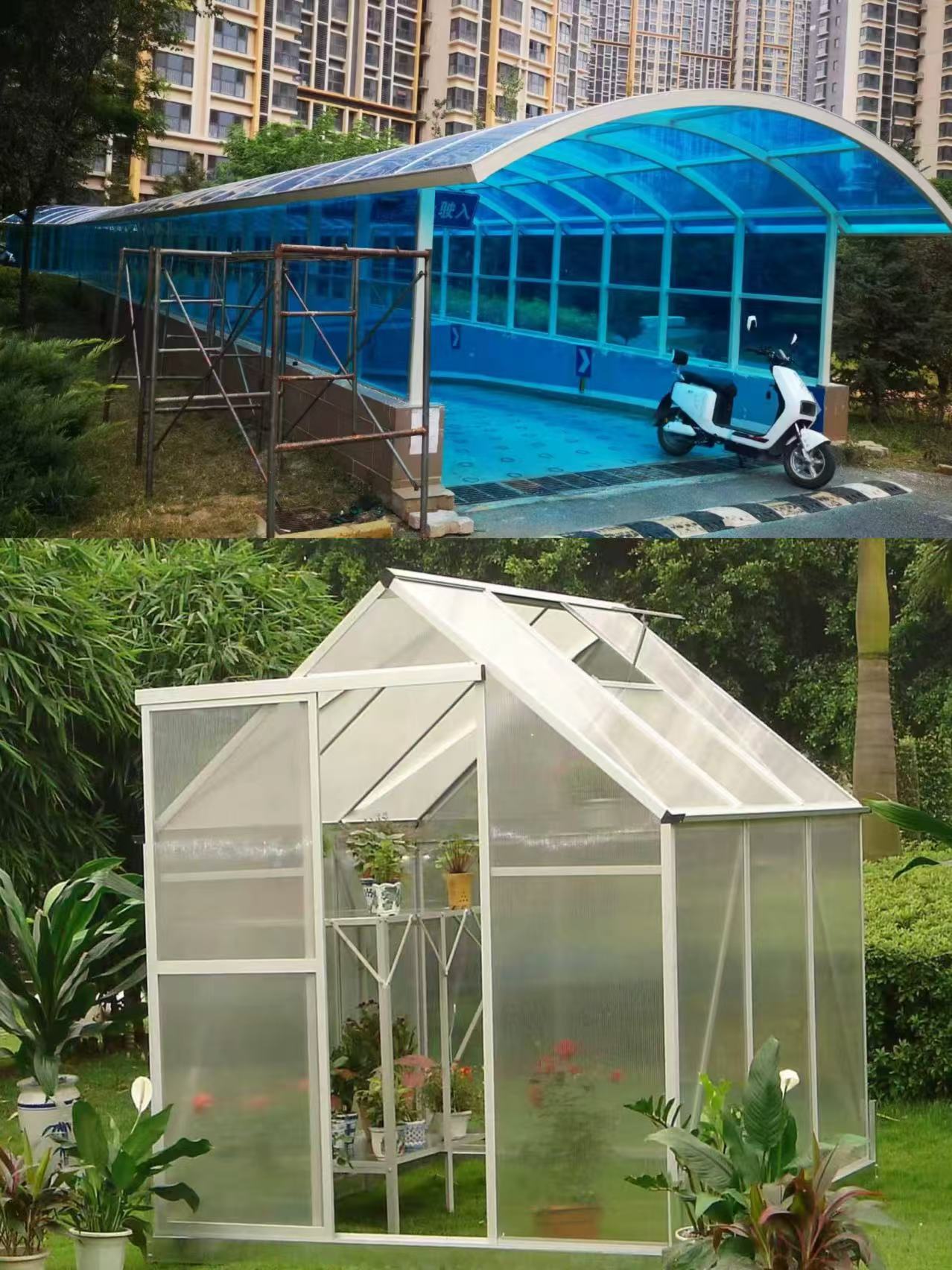
Compare solid vs hollow polycarbonate sheets – strength, insulation, light transmission, cost, and applications. Which one should you choose for your project?
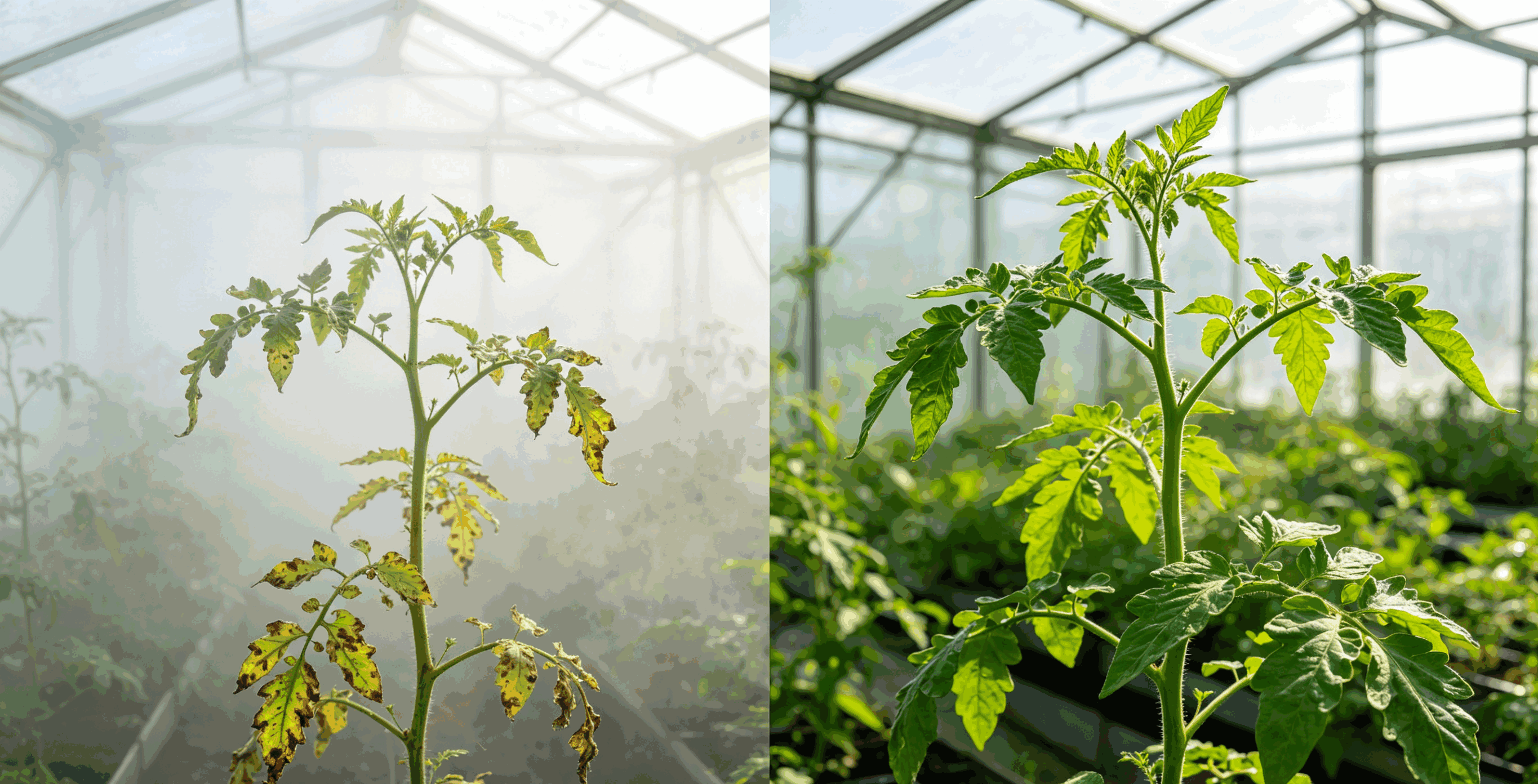
How to Choose the Right Polycarbonate Sheet for Your Greenhouse? Complete Buyer’s Guide
2026年4月20日
Introduction Choosing the right polycarbonate sheet is crucial to the performance, service life, and crop growth effect of a greenhouse. Many buyers make wrong decisions due to lack of professional knowledge, leading to problems such as rapid yellowing, condensation, and poor insulation. This guide will help you make the best choice based on actual needs. First, determine the structure type: twin-wall or triple-wall polycarbonate sheet. For small household greenhouses in Southeast Asia, 6mm–8mm twin-wall PC sheet is sufficient, offering low cost and good performance. For commercial large-scale greenhouses or high-cold regions, 10mm triple-wall sheet is recommended for better insulation and strength. Multiwall polycarbonate sheets provide excellent thermal insulation by trapping air between layers, reducing heating costs in winter and keeping temperatures stable. Key Features and Benefits Second, anti-fog (anti-condensation) function is very important for greenhouse applications. High humidity in Southeast Asia easily causes condensation on the inner surface of sheets. Anti-fog PC sheets can prevent water droplets from dripping onto crops, reducing disease and improving yield. If you plant high-value vegetables or flowers, anti-fog treated sheets are highly recommended. Third, UV protection is a must. Only PC sheets with co-extruded UV coating on one or both sides can be used outdoors for extended periods. Sheets without UV coating will yellow and become brittle within 1–2 years, significantly reducing light transmission and shortening service life. Always confirm the UV protection layer specification when purchasing. Performance Characteristics Fourth, light transmittance and diffusion. Clear polycarbonate sheets provide the highest light transmittance (up to 88%), suitable for most crops that require maximum sunlight. Opal or diffused sheets scatter light evenly across the greenhouse, reducing hotspots and preventing leaf burns on light-sensitive plants like orchids and seedlings. Fifth, thickness selection plays a vital role in structural integrity and insulation. 4mm sheets are economical but best…
Why Polycarbonate Sheet Is So Popular in Southeast Asia?
2026年4月20日
Introduction In recent years, polycarbonate (PC) sheet has become the most widely used building material in Southeast Asia’s construction, agriculture, and decoration industries, gradually replacing traditional glass, acrylic, and plastic films. This trend is not accidental but closely related to the region’s climate, environment, and application needs. Southeast Asia features a tropical climate with strong sunlight year-round, high temperatures averaging 25-35°C, heavy monsoon rainfall exceeding 2,000mm annually in many areas, and frequent typhoons in coastal regions like the Philippines, Vietnam, and Thailand. These harsh environmental conditions demand building materials that are durable, weather-resistant, and cost-effective — exactly the qualities that polycarbonate sheets excel at. From agricultural greenhouses in Indonesia to carport canopies in Malaysia, from skylights in Singapore to roofing solutions in Thailand, polycarbonate sheets have demonstrated their versatility and reliability across diverse applications throughout the region. Key Features and Benefits Polycarbonate sheet’s excellent UV resistance, weatherability, and impact resistance perfectly adapt to this demanding environment. High-quality PC sheets with co-extruded UV coating do not yellow, crack, or degrade for 10 years or more when exposed to intense tropical sunlight. In comparison, glass is fragile and prone to breakage during typhoons, while acrylic ages quickly under UV exposure, becoming brittle and discolored. Second, polycarbonate sheet is lightweight — only half the weight of glass and one-third the weight of acrylic of equivalent thickness. This significantly reduces transportation costs, structural load requirements, and installation time. In Southeast Asia, where labor and logistics costs continue to rise, this weight advantage translates directly into project savings. Additionally, PC sheet offers excellent thermal insulation. Hollow multiwall polycarbonate sheets provide superior insulation compared to glass or solid materials, helping maintain comfortable indoor temperatures in tropical heat and reducing air conditioning costs. The material’s impact resistance is 200-250 times stronger than glass, making it ideal for…