Introduction
Choosing the right polycarbonate sheet is crucial to the performance, service life, and crop growth effect of a greenhouse. Many buyers make wrong decisions due to lack of professional knowledge, leading to problems such as rapid yellowing, condensation, and poor insulation. This guide will help you make the best choice based on actual needs.
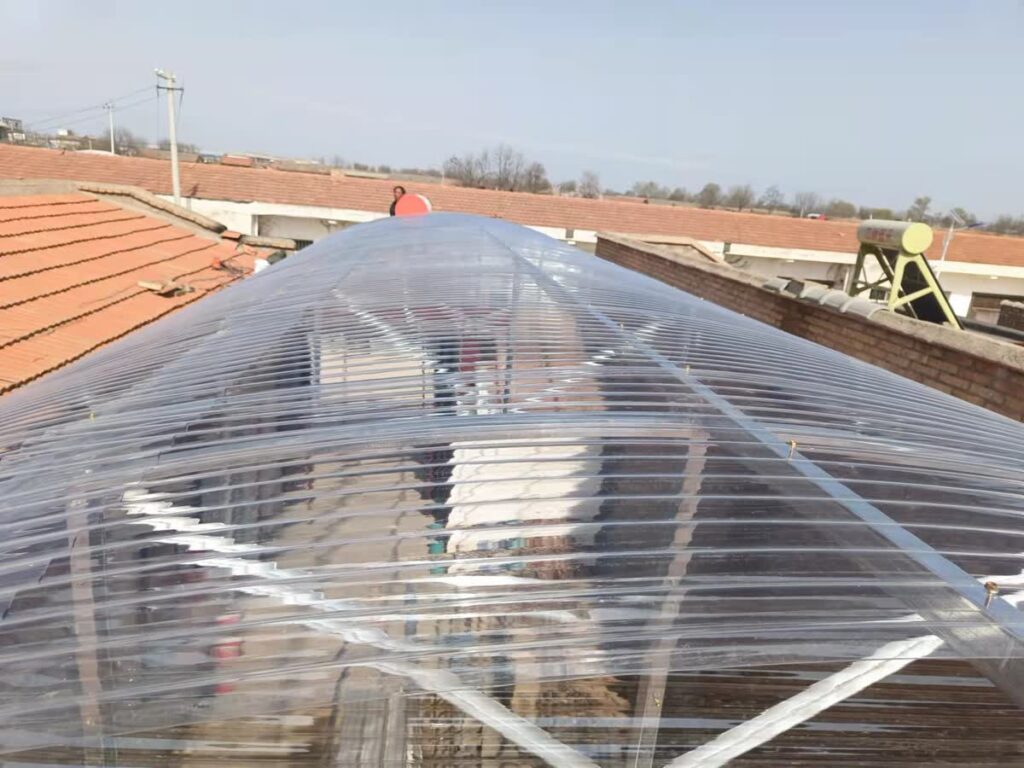
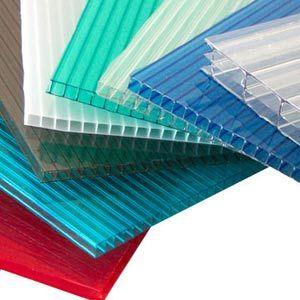
First, determine the structure type: twin-wall or triple-wall polycarbonate sheet. For small household greenhouses in Southeast Asia, 6mm–8mm twin-wall PC sheet is sufficient, offering low cost and good performance. For commercial large-scale greenhouses or high-cold regions, 10mm triple-wall sheet is recommended for better insulation and strength. Multiwall polycarbonate sheets provide excellent thermal insulation by trapping air between layers, reducing heating costs in winter and keeping temperatures stable.
Key Features and Benefits
Second, anti-fog (anti-condensation) function is very important for greenhouse applications. High humidity in Southeast Asia easily causes condensation on the inner surface of sheets. Anti-fog PC sheets can prevent water droplets from dripping onto crops, reducing disease and improving yield. If you plant high-value vegetables or flowers, anti-fog treated sheets are highly recommended.
Third, UV protection is a must. Only PC sheets with co-extruded UV coating on one or both sides can be used outdoors for extended periods. Sheets without UV coating will yellow and become brittle within 1–2 years, significantly reducing light transmission and shortening service life. Always confirm the UV protection layer specification when purchasing.
Performance Characteristics
Fourth, light transmittance and diffusion. Clear polycarbonate sheets provide the highest light transmittance (up to 88%), suitable for most crops that require maximum sunlight. Opal or diffused sheets scatter light evenly across the greenhouse, reducing hotspots and preventing leaf burns on light-sensitive plants like orchids and seedlings.
Fifth, thickness selection plays a vital role in structural integrity and insulation. 4mm sheets are economical but best for small tunnels or temporary greenhouses. 6mm is the most popular choice for general greenhouses. 8mm offers a good balance of strength and insulation for areas with heavy rain and wind. 10mm is used for large-span commercial greenhouses and high-standard agricultural facilities.
Common Applications
Polycarbonate greenhouse sheets are versatile and suit a wide range of agricultural and horticultural applications:
- Vegetable Greenhouses — Tomatoes, cucumbers, peppers, and leafy greens benefit from balanced light and temperature control
- Flower Nurseries — Orchids, roses, and ornamental plants require diffused light and stable humidity
- Seedling Propagation — High light transmission promotes rapid germination and healthy root development
- Hydroponic Farms — Clean, controlled environments for soilless cultivation systems
- Research Greenhouses — Precision agriculture labs and botanical research centers
Why Choose Jietai
When selecting a supplier, quality differences between raw materials are significant. Jietai PC sheets are manufactured from 100% virgin polycarbonate raw materials, offering superior impact resistance (250 times stronger than glass), excellent weather resistance, and long service life. In addition, choose reliable manufacturers — recycled material sheets have noticeably poorer performance and shorter lifespan.
By comprehensively considering factors like structure type, UV protection, light transmission, thickness, and anti-fog treatment, you can choose the most suitable polycarbonate greenhouse sheet and ensure the best investment return for your agricultural project. Contact Jietai for expert guidance and factory-direct pricing.