Introduction
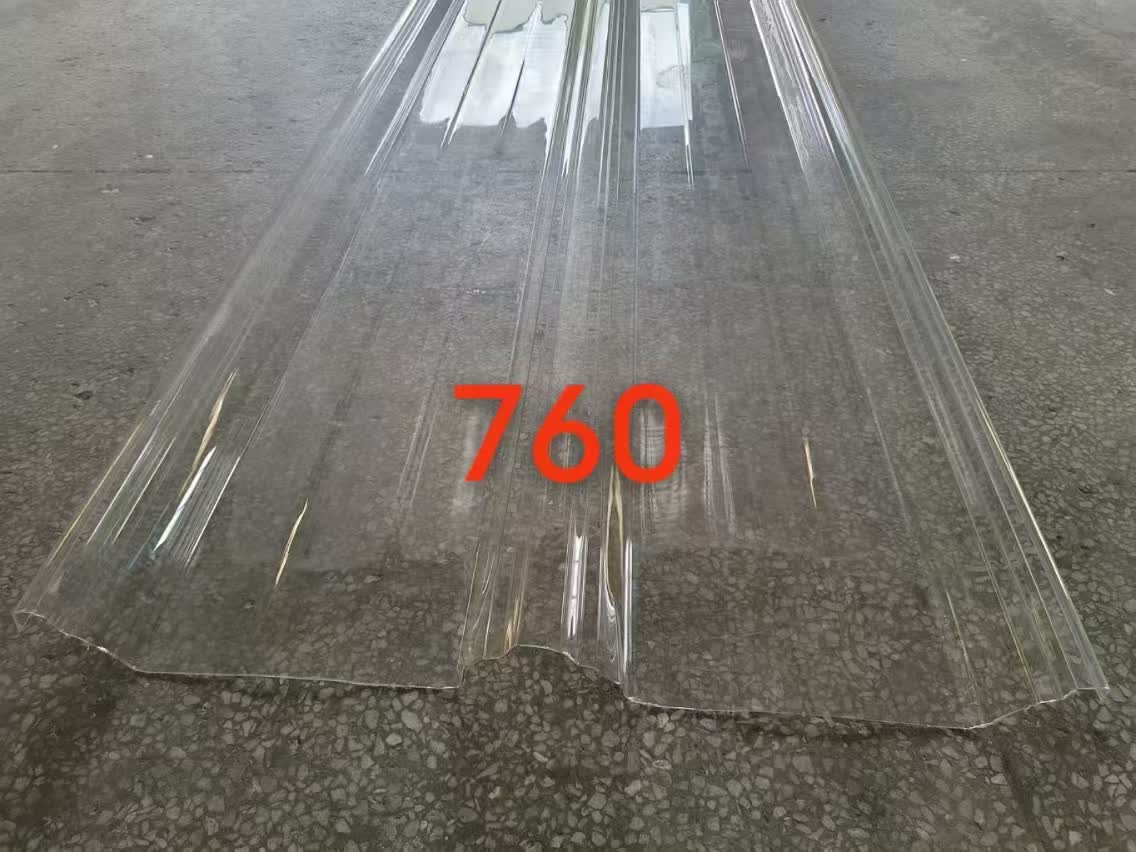
PC (polycarbonate) and acrylic (PMMA) are two of the most common transparent plastic sheets used in construction, signage, and industrial applications. While they may look similar at first glance, their physical properties, durability, and cost differ significantly.
This comprehensive comparison breaks down every key factor — impact resistance, light transmission, UV stability, temperature tolerance, scratch resistance, ease of fabrication, and cost — to help you choose the right material for your specific project. Whether you are selecting roofing for an industrial building, glazing for a school, or display cases for a retail space, understanding the PC vs acrylic trade-offs is essential.
1. Impact Resistance: PC Is Virtually Unbreakable
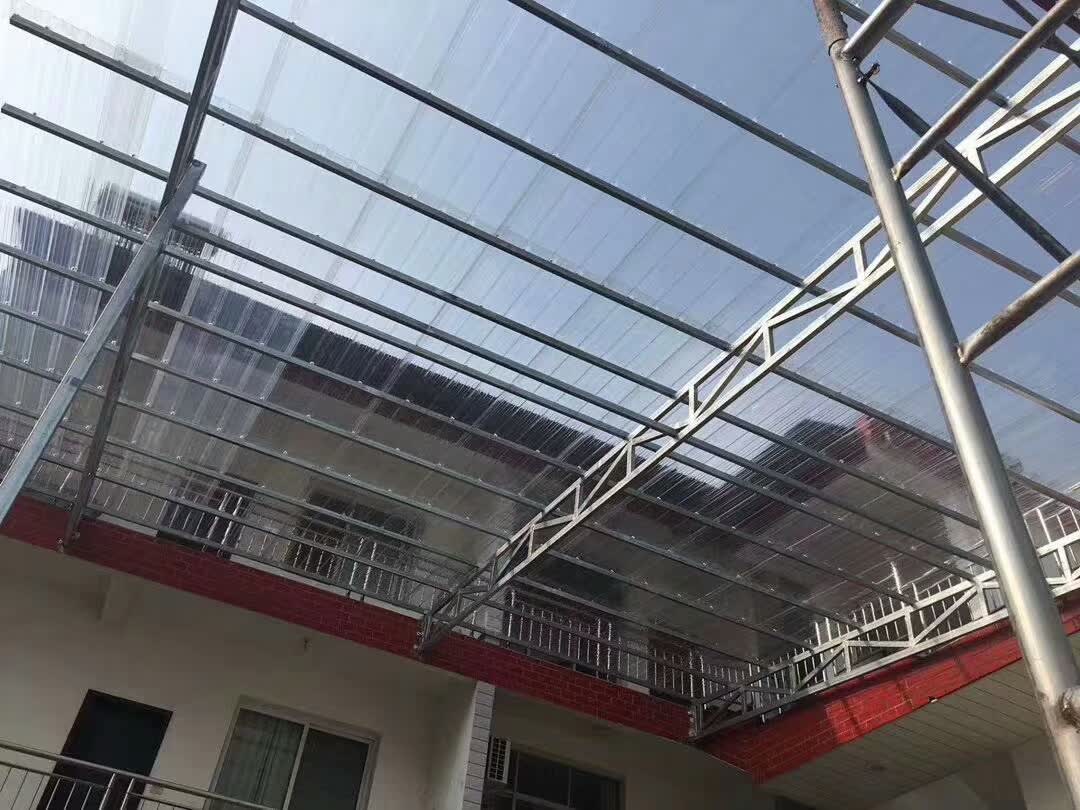
Polycarbonate is renowned for its extraordinary impact strength — approximately 250 times that of glass and over 30 times stronger than acrylic. A polycarbonate sheet can withstand severe hail, dropped tools, and even deliberate impact without cracking or shattering.
Acrylic, by contrast, is brittle and prone to cracking under stress. In applications where safety is a concern — such as school windows, bus shelters, or security barriers — PC is the clear winner. For roofing and canopy projects, PC’s impact resistance means long-term reliability even in storm-prone regions.
2. Light Transmittance and Optical Clarity
Standard clear polycarbonate sheets offer 82-92% light transmittance, while acrylic achieves up to 93%. Acrylic also retains higher clarity over time due to its superior surface hardness. For applications where maximum transparency is critical — such as display cases or aquariums — acrylic has a slight edge.
However, for most architectural daylighting applications, the difference is barely perceptible to the human eye. Polycarbonate’s light diffusion properties can even be an advantage in applications where uniform light distribution is desired, such as greenhouse roofing and sky lights.
Winner: Acrylic (slight advantage in clarity)
3. Weather Resistance and UV Stability
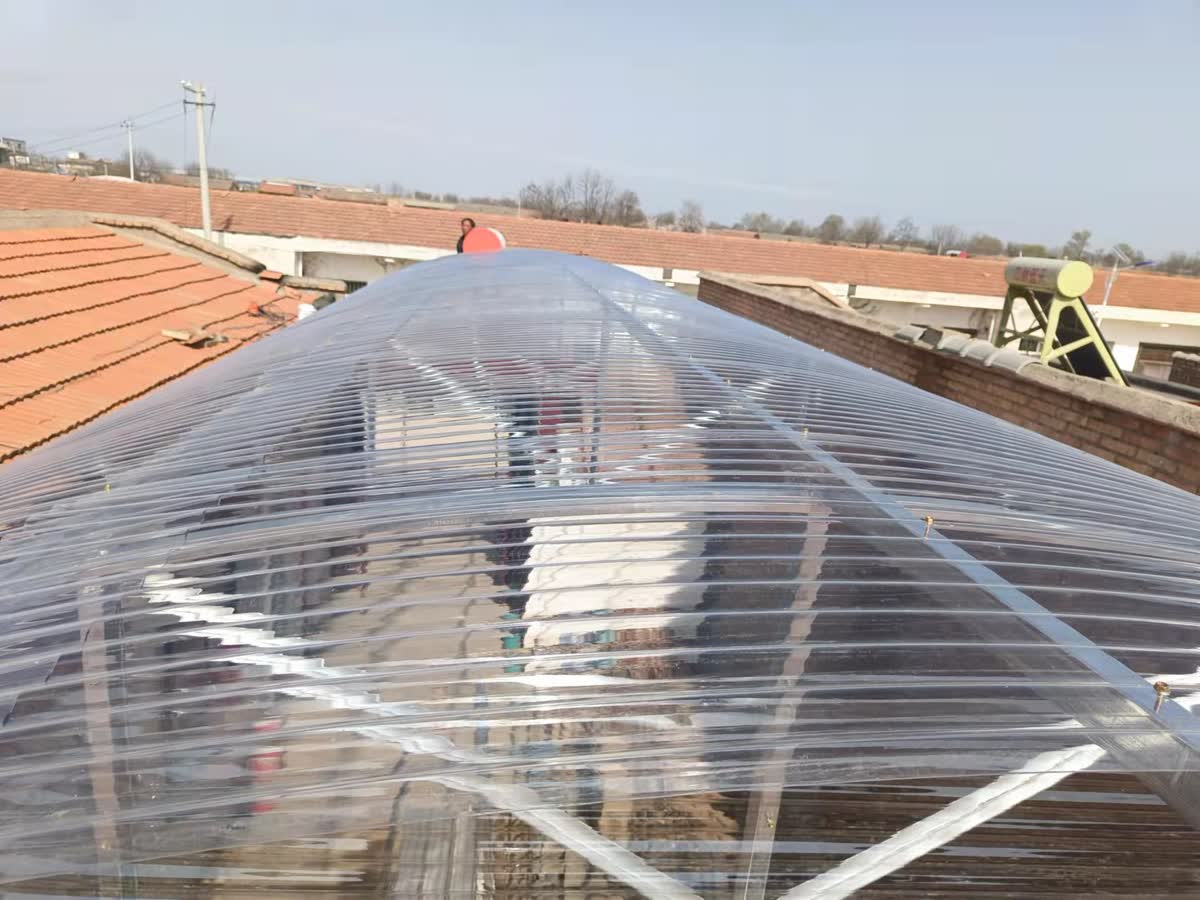
When used outdoors, polycarbonate sheets with UV-resistant coating can last 10+ years without yellowing or degrading. This makes PC the preferred material for roofing, greenhouses, and canopies in harsh tropical climates.
Acrylic, however, is susceptible to UV degradation — it tends to yellow, crack, and become brittle after just a few years of direct sun exposure. For outdoor projects in Southeast Asia, the Middle East, or any region with intense sun exposure, PC is the only reliable choice for long-term performance.
4. Temperature Resistance and Thermal Performance
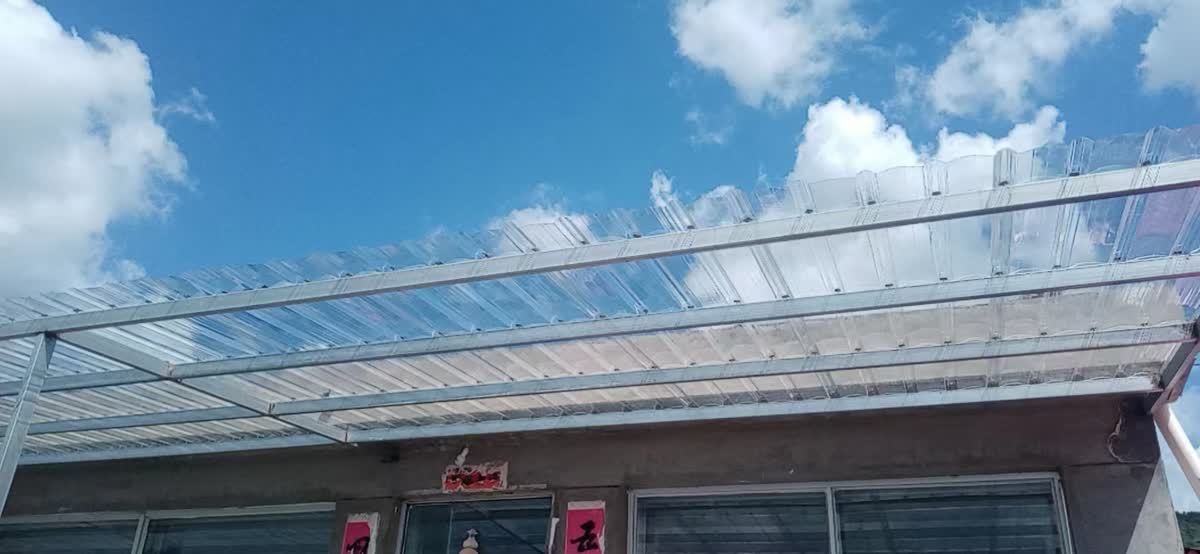
Polycarbonate maintains its structural integrity across an extreme temperature range of -40°C to 120°C, making it suitable for both freezing cold and scorching heat. Acrylic softens at around 70°C and can warp in high-temperature environments.
In factory and warehouse roofing applications, where heat build-up under metal decks is common, PC’s superior thermal stability ensures the panels remain flat and functional year after year. Polycarbonate multiwall sheets also offer excellent thermal insulation, with U-values comparable to double-glazed glass.
5. Scratch Resistance and Surface Hardness
Acrylic has better surface hardness and is more resistant to scratching in everyday use. Polycarbonate is softer and can scratch more easily, although hard-coat (HC) treated PC sheets significantly improve scratch resistance. If surface appearance and clarity retention are top priorities in a low-impact indoor environment, acrylic may be preferable.
For applications where the material will be handled frequently — such as machine guards, protective barriers, or signage — hard-coated polycarbonate offers the best balance of impact strength and surface durability.
6. Processing and Fabrication Ease
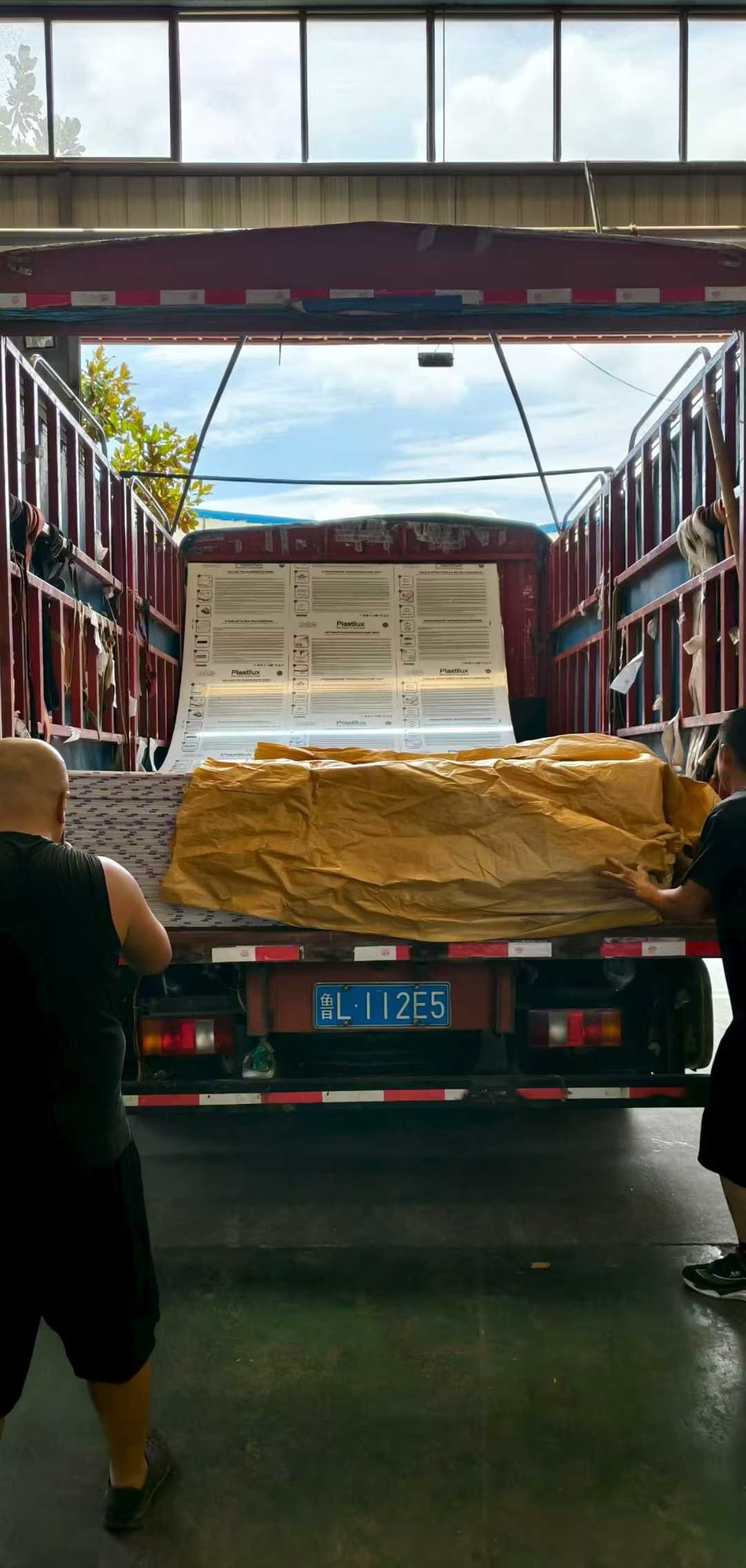
PC sheets can be cold-bent, cut, drilled, and thermoformed without cracking, offering great flexibility for custom installations. Acrylic is more rigid and prone to cracking during cutting, drilling, or bending. For complex architectural shapes or on-site modifications, PC is far easier to work with.
Additionally, polycarbonate can be installed with standard power tools and requires no special equipment for most fabrication tasks. Its flexibility also allows for curved roof designs and creative architectural applications that would be difficult or impossible with acrylic.
7. Cost Comparison
Acrylic is generally 20-30% cheaper than polycarbonate, making it attractive for budget-sensitive indoor projects. However, when factoring in the longer lifespan and superior durability of PC for outdoor applications, polycarbonate often delivers better value over the total project lifecycle.
The initial cost premium of PC is quickly offset by reduced replacement frequency, lower maintenance, and better performance under harsh conditions. For projects requiring a 10+ year service life, polycarbonate is the more economical choice.
Quick Comparison Table
| Property | Polycarbonate (PC) | Acrylic (PMMA) |
|---|---|---|
| Impact Resistance | ✅ Excellent (250x glass) | ❌ Moderate (brittle) |
| Light Transmittance | 82-92% | 93% (better) |
| UV Resistance (outdoor) | ✅ 10+ years with coating | ❌ Yellowing in 2-3 years |
| Temperature Range | -40°C to 120°C | -30°C to 70°C |
| Scratch Resistance | Low (HC coating helps) | ✅ Higher |
| Fabrication Ease | ✅ Flexible, easy to cut/bend | ❌ Brittle, prone to cracking |
| Relative Cost | Higher (20-30% more) | ✅ Lower |
| Best For | Outdoor roofing, safety glazing, greenhouses | Indoor displays, signage, aquariums |
Application Guide: Which Material for Which Project?
Choose Polycarbonate (PC) when:
- Impact safety is critical (schools, bus shelters, security barriers)
- The application is outdoors with direct sun exposure (roofing, canopies, greenhouses)
- Wide temperature fluctuations are expected (-40°C to 120°C)
- You need cold-bending or complex fabrication shapes
- Long-term durability (10+ years) is a priority
Choose Acrylic (PMMA) when:
- Maximum optical clarity and transparency are required
- The application is indoors with no impact risk
- Scratch resistance is more important than impact strength
- Budget is the primary constraint
- Aesthetic display applications (showcases, art framing, aquariums)
Why Choose Jietai
At Jietai, we specialize in manufacturing high-quality polycarbonate sheets for global projects — from multiwall PC sheets for greenhouses to solid PC panels for industrial glazing and corrugated PC roofing for factories. Every sheet is manufactured with UV-resistant coating for long outdoor service life and rigorously tested for impact strength and dimensional accuracy.