Introduction
When it comes to choosing transparent or translucent materials for your construction or DIY project, two names stand out: polycarbonate (PC) and acrylic sheets. Both are excellent alternatives to glass, but they serve very different purposes. Choosing the wrong one can lead to premature failure, higher costs, or safety risks. This guide breaks down the key differences between polycarbonate and acrylic sheets – including impact resistance, UV protection, cost, weight, and applications – so you can confidently choose the best material for your project.
Polycarbonate vs Acrylic: Key Differences at a Glance
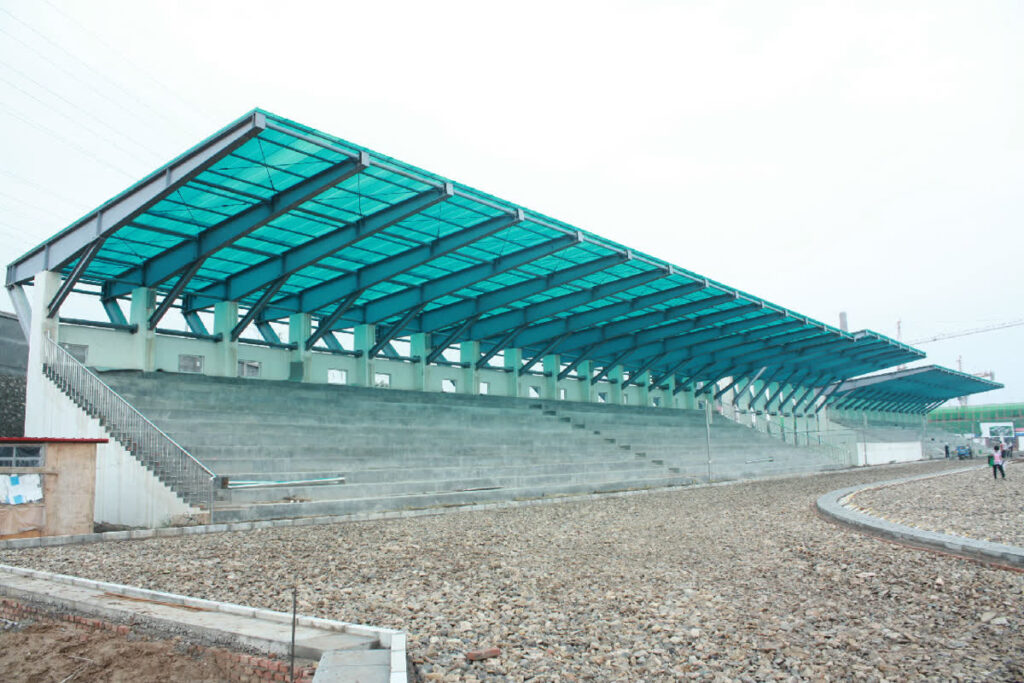
Here is a side-by-side comparison of the most important properties of polycarbonate and acrylic sheets:
| Property | Polycarbonate (PC) Sheet | Acrylic Sheet |
|---|---|---|
| Impact Resistance | Extremely tough – 250-300x stronger than glass, shatterproof | Brittle, prone to cracking or shattering on impact |
| UV Resistance | Excellent with co-extruded UV coating, lasts 15-25 years outdoors | Poor without coating; yellows and becomes brittle in 5-8 years outdoors |
| Light Transmission | 88-92% clarity (slightly lower, slightly diffused) | 90-93% clarity (crystal clear, glass-like) |
| Temperature Range | -40C to 120C – stable in extreme heat and cold | Sensitive to high temperatures, can deform above 80C |
| Weight | Lightweight – about half the weight of glass | Lightweight – similar to polycarbonate |
| Flexibility | Highly flexible, can be cold-bent for curved structures | Rigid, cannot be cold-bent; requires heating to shape |
| Scratch Resistance | Softer surface, scratches more easily | Harder surface, more scratch-resistant and polishable |
| Cost | Higher initial cost, lower long-term cost due to durability | Lower initial cost, higher replacement cost over time |
When to Choose Polycarbonate Sheets
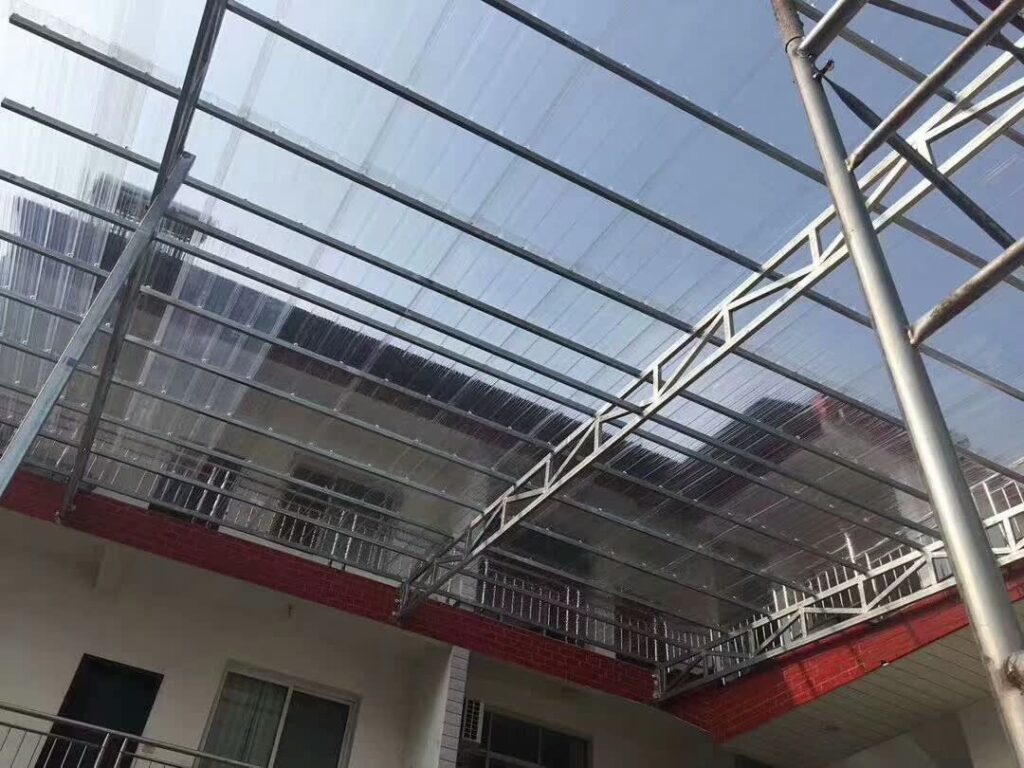
Polycarbonate sheets are the go-to choice for projects that demand high impact resistance, weather durability, and long-term performance. If your application is outdoors or in a high-risk environment, PC is almost always the better choice.
Best applications for polycarbonate:
- Skylights and roof glazing: Withstands hail, falling branches, and heavy snow loads without cracking.
- Carports and canopies: Flexible enough to create curved, modern structures that block UV while letting in natural light.
- Greenhouse covers: UV-coated polycarbonate diffuses sunlight evenly, promoting healthier plant growth while lasting 15+ years.
- Security and machine guards: Industry-standard for protective barriers in factories, schools, and public buildings where safety is critical.
- Sound barriers: Excellent noise reduction properties make PC ideal for highway and railway noise walls.
Polycarbonate sheets also offer excellent thermal insulation – multiwall PC panels can reduce heating costs in greenhouses and buildings by up to 30%.
When to Choose Acrylic Sheets
Acrylic sheets excel in indoor applications where optical clarity and aesthetics matter most. If your project lives indoors, does not face heavy impact risks, and requires crystal-clear transparency, acrylic is the more economical choice.
Best applications for acrylic:
- Indoor signage and displays: Acrylic glass-like clarity makes it the preferred material for backlit signs, retail displays, and museum exhibits.
- Interior partitions and decorations: Clean, modern look for office dividers, shower screens, and decorative panels.
- Picture frames and display cases: Scratch resistance and polishability keep acrylic looking new for years indoors.
- Aquariums and fish tanks: Acrylic is stronger and clearer than glass for small-to-medium aquariums.
- DIY and craft projects: Easy to cut, drill, and laser-engrave, making it a hobbyist favorite.
For indoor, low-impact applications, acrylic delivers excellent value at a lower upfront cost.
Cost and Longevity: Which Offers Better Value?
While polycarbonate sheets have a higher initial price (typically 30-50% more than acrylic), their longer lifespan and superior durability often make them more cost-effective in the long run.
Lifetime cost comparison (10-year outlook):
- Polycarbonate: Higher upfront cost, but lasts 15-25 years outdoors with minimal maintenance. No replacement needed for at least a decade.
- Acrylic: Lower upfront cost, but outdoor acrylic typically requires replacement after 5-8 years due to yellowing, cracking, or surface degradation. This means 1-2 replacements over the same 10-year period, often exceeding the cost of polycarbonate.
For indoor applications where UV exposure is not a factor, acrylic lower initial cost gives it a clear advantage – it can last 10+ years indoors without significant degradation.
Conclusion: How to Choose for Your Project
Still unsure whether to use polycarbonate or acrylic? Here is a simple rule of thumb:
- Choose polycarbonate if your project is outdoors, requires impact resistance, needs to withstand extreme temperatures, or demands long-term durability with minimal maintenance.
- Choose acrylic if your project is indoors, optical clarity is your top priority, impact risk is low, and budget is a primary concern.