Introduction
Polycarbonate (PC) is a high-performance engineering thermoplastic that offers a unique combination of toughness, transparency, heat resistance, and processability. Unlike ordinary glass or standard plastics, polycarbonate performs exceptionally well in extreme and demanding environments. This article explores the special applications of polycarbonate sheets across various industries — from construction and automotive to electronics and specialized industrial sectors.
What Makes Polycarbonate Special for Construction Applications?
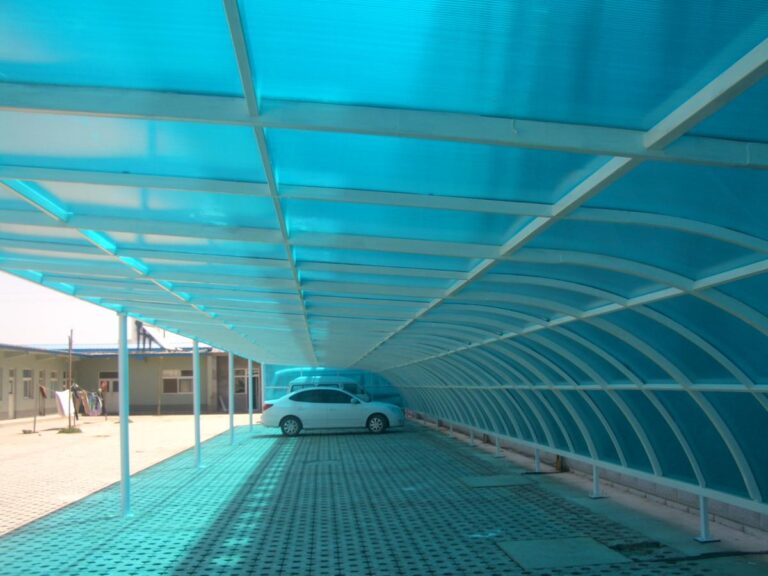
In the construction industry, polycarbonate has become a go-to material where glass falls short. Its exceptional impact resistance — 250 to 300 times stronger than glass — combined with lightweight properties makes it ideal for large-scale roofing and glazing projects.
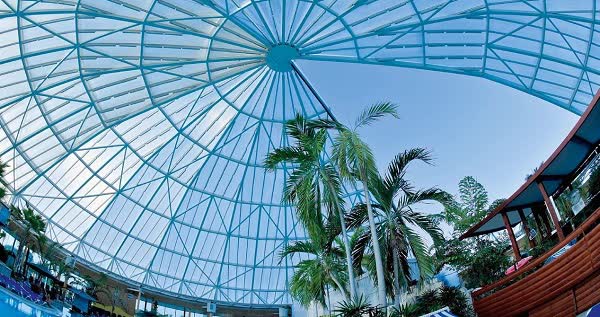
Skylights and Atriums: Multiwall polycarbonate panels are widely used in stadiums, airports, shopping malls, and commercial atriums. They offer 88%–92% light transmittance while weighing only half as much as glass. This reduces structural load requirements and installation costs significantly.
Noise Barriers: Polycarbonate sheets are installed along highways, bridges, and viaducts as effective noise barriers. They can reduce noise pollution by 30 to 40 decibels while maintaining visual transparency and aesthetic appeal.
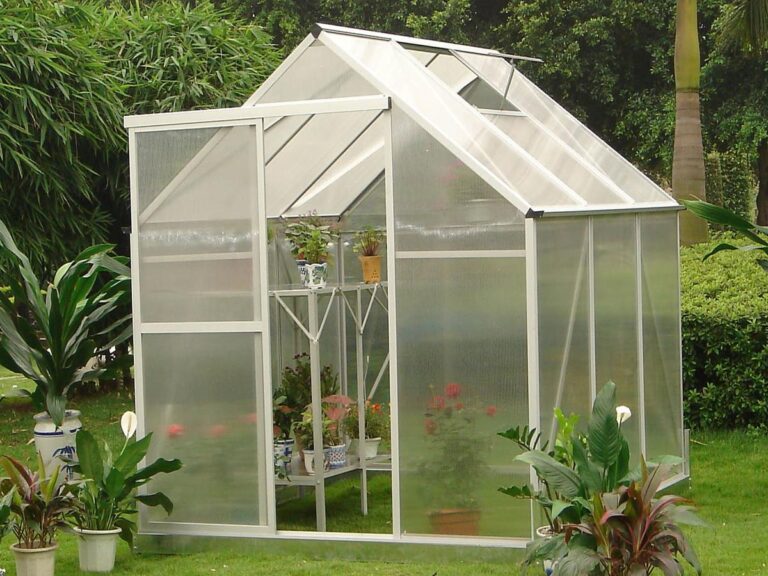
Greenhouse Coverings: PC panels provide superior thermal insulation compared to glass. They filter harmful UV radiation to protect plants while allowing optimal photosynthetically active radiation (PAR) to pass through. Greenhouses using polycarbonate can reduce energy consumption by 20%–30% compared to glass-covered structures.
How Is Polycarbonate Used in the Automotive Industry?
The automotive sector leverages polycarbonate’s lightweight, impact-resistant, and heat-resistant properties to improve fuel efficiency and passenger safety.
Panoramic Sunroofs and Windows: Polycarbonate sunroofs are approximately 40% lighter than their glass counterparts, contributing to reduced fuel consumption and lower carbon emissions. In the event of a collision, PC glazing does not shatter into dangerous shards — it remains intact, enhancing occupant safety.
Headlight Covers: Polycarbonate withstands temperatures exceeding 120°C while maintaining high optical clarity. Premium automotive brands like BMW and Audi use polycarbonate for headlight lenses due to its durability and design flexibility.
Interior Components: PC can be easily injection-molded into complex shapes for dashboards, center consoles, and trim panels, helping manufacturers achieve weight reduction targets without sacrificing strength.
What Are the Electrical and Electronic Applications of Polycarbonate?
Polycarbonate’s flame resistance, electrical insulation properties, and dimensional stability make it essential in the electronics industry.
Device Protection: PC sheets are used for phone and tablet screen covers, offering 3H to 4H surface hardness with excellent scratch resistance and optical clarity.
Electrical Enclosures: Polycarbonate with UL94 V-0 flame-retardant rating is the standard material for laptop housings, printer casings, and router enclosures. It provides reliable protection for sensitive electronics while meeting stringent fire safety codes.
Smart Grid and EV Charging Infrastructure: Polycarbonate components withstand extreme temperatures ranging from -40°C to 120°C, making them suitable for outdoor smart meters, EV charging stations, and electrical distribution equipment exposed to harsh weather conditions.
Specialized Industrial and Medical Applications
Polycarbonate excels in specialized industries where conventional materials cannot meet performance requirements.
Medical Equipment: FDA-approved polycarbonate grades are used for medical device housings — including ultrasound machines, patient monitors, and diagnostic equipment. PC resists disinfectants and sterilization processes commonly used in healthcare environments.
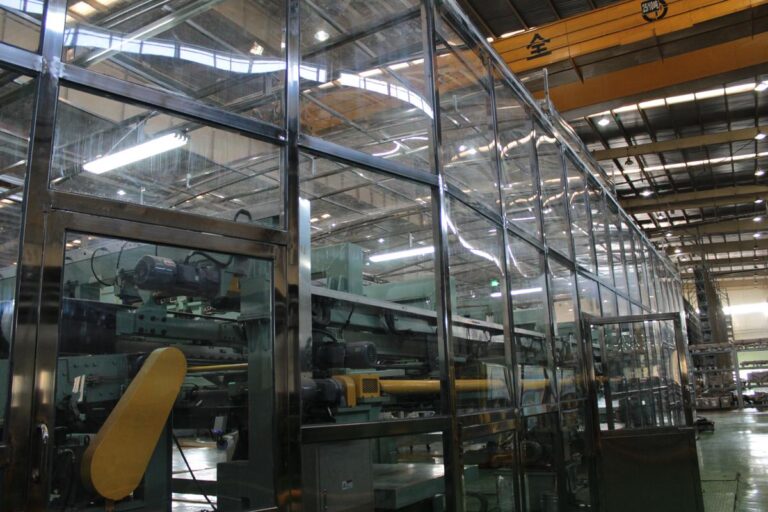
Machine Guards and Safety Shields: In industrial settings, polycarbonate sheets serve as transparent machine guards, safety shields, and instrument windows. They allow operators to safely observe machinery operation while providing robust protection against flying debris and accidental impact.
Heritage and Museum Displays: Major museums — including the Louvre — use polycarbonate for display cases and protective barriers. Its combination of optical clarity, UV filtering, and impact resistance helps preserve priceless artifacts while allowing unobstructed viewing.
Why Choose Jietai for Your Polycarbonate Needs?
Polycarbonate’s versatility — 250x+ impact resistance compared to glass, wide temperature tolerance (-40°C to 120°C), excellent light transmission, inherent flame resistance, and ease of fabrication — makes it the preferred material for demanding applications across nearly every industry.
At Jietai, we specialize in manufacturing high-quality polycarbonate sheets for diverse applications. Our products include multiwall PC sheets for greenhouse and skylight projects, solid PC sheets for safety glazing and machine guards, and corrugated PC sheets for roofing and cladding. We offer factory-direct pricing, custom sizes, and fast worldwide shipping.