U-Lock vs Traditional Interlocking Polycarbonate Panels: Which Is Right for Your Project?
When planning a polycarbonate panel project, one of the first decisions you will face is choosing between a U-Lock (vertical locking) system and a traditional interlocking (tongue-and-groove) system. While both are hollow multi-wall polycarbonate panels, their structural differences make them suited for very different applications.
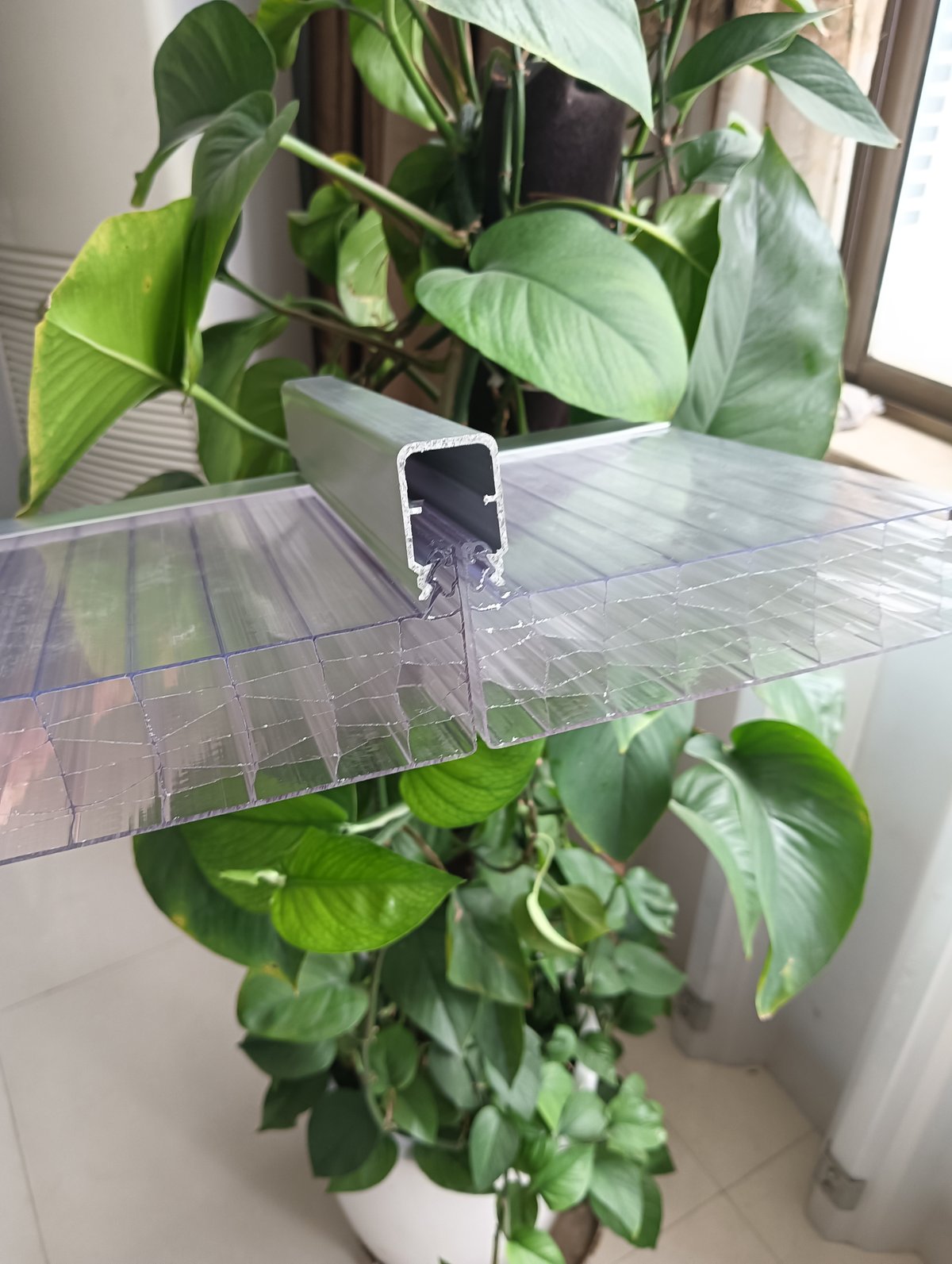
What Is a U-Lock Polycarbonate System?
A U-Lock polycarbonate system features a vertical locking mechanism where panels connect through a U-shaped channel system. The panel edges are designed with matching male and female profiles that lock together vertically, creating a watertight seal without requiring additional joint covers. This system is available in 600 mm and 1040 mm standard widths, with the 1040 mm being the most common for large commercial installations.
What Is a Traditional Interlocking Panel?
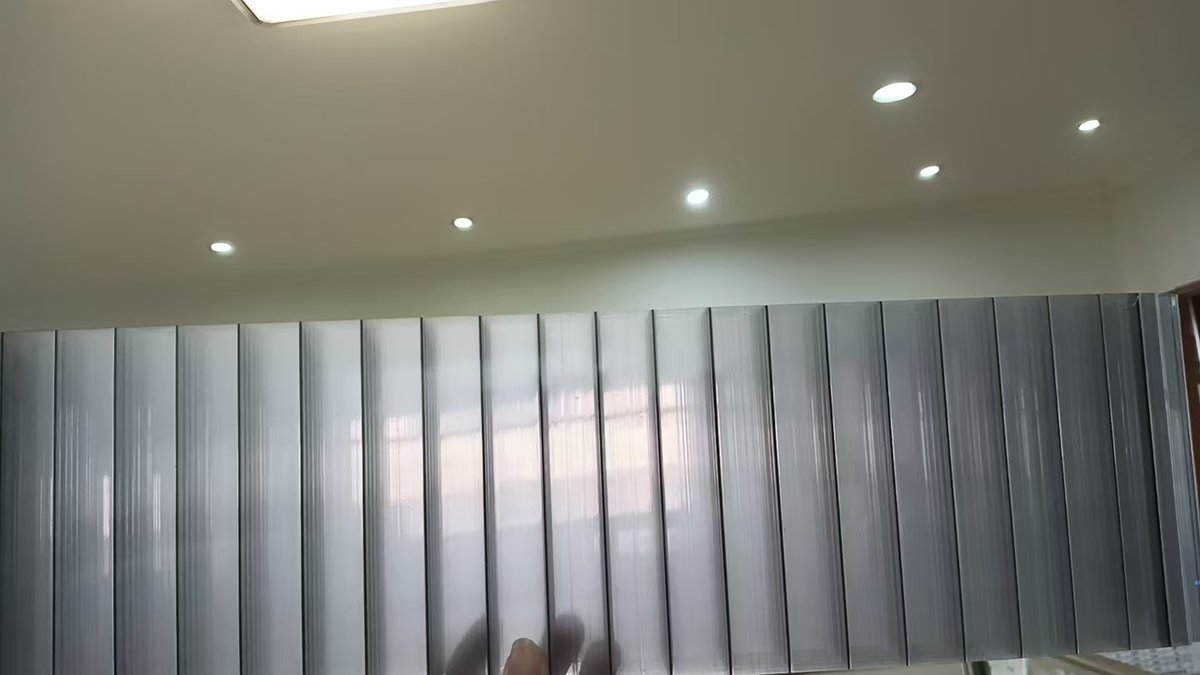
Traditional interlocking panels (also called tongue-and-groove panels) use horizontal male-female edges that slide together laterally. These panels are typically used for vertical facade applications where the load is distributed across multiple attachment points. They rely on the interlocking edges to transfer wind loads and require a supporting substructure for installation.
Key Differences at a Glance
| Feature | U-Lock System | Interlocking System |
|---|---|---|
| Connection Method | Vertical standing seam U-channel locking | Flat male-female tongue-and-groove |
| Primary Application | Large-span roofing, skylights, curved canopies | Vertical facades, curtain walls, shop fronts |
| Standard Width | 600 mm / 1040 mm | 500 mm |
| Key Accessories | Aluminum U-channel, sliding clips, EPDM gaskets, batten caps | Built-in T-shaped aluminum clips (concealed fixing) |
| Span Capability | Large-span, curved profiles available | Moderate spans, flat panels only |
| Waterproofing | Physical waterproof — standing seam U-rib creates dual water barrier, minimal sealant required | Flat joint seal for vertical surfaces only; not recommended for horizontal/roof applications |
When to Choose U-Lock Panels
U-lock panels excel in large-span roofing applications such as stadium skylights, industrial plant roofs, greenhouse covers, and transportation hub canopies. Their U-channel design creates a built-in drainage path that channels water away, making them naturally weather-resistant. The 20-40 mm thick reinforced options can handle significant snow loads and wind uplift.
When to Choose Interlocking Panels
Traditional interlocking panels are better suited for vertical applications like building facades, curtain walls, decorative partitions, and noise barriers. Their multi-chamber honeycomb structure provides excellent thermal insulation and sound dampening. The 10-50 mm thickness range offers flexibility for different facade requirements.
Can They Be Used Interchangeably?
Generally, no. U-lock panels are designed specifically for roof and overhead applications where gravity and water management are primary concerns. Interlocking panels are designed for vertical installation where wind load transfer and aesthetic appearance matter most. Using the wrong type can lead to leaks, structural failure, and voided warranties.
Contact Us for Expert Guidance
Not sure which system fits your project? Contact our team for a free consultation. We will help you evaluate your specific requirements and recommend the right polycarbonate solution.