Solid polycarbonate sheet — the solid, glazing-grade form of polycarbonate — is the toughest transparent sheet you can specify for impact, clarity and long outdoor life. Getting the specification right in 2026 is not about buying the thickest panel available; it is about matching thickness, colour and UV coating to the job. Here is the data you need to make that call quickly and confidently.
1. Thickness: Match It to the Load, Not the Guess
Thickness controls impact strength, rigidity and price. Jietai manufactures solid polycarbonate from 1 mm up to 30 mm, and the right choice depends on the span and the level of protection required.
| Thickness | Typical Applications | Notes |
|---|---|---|
| 1–2 mm | Display panels, light-box diffusers, signage | Light and easy to cold-form |
| 3–4 mm | Machine guards, protective glazing, light boxes | Good impact at low weight |
| 5–6 mm | Bus shelters, noise-barrier infill, skylights | Standard for public infrastructure |
| 8–10 mm | Anti-vandal glazing, safety screens, pool enclosures | High rigidity |
| 12–20 mm | Security glazing, ballistic-resistant substitutes | 200–250× glass impact |
| 25–30 mm | Heavy security, structural glazing | Highest rigidity |
2. Standard Widths and Sheet Sizes
Solid PC sheet comes in four standard widths — 1220 mm, 1560 mm, 1820 mm and 2100 mm — with 2500 mm available on request. Standard length is 6 m, and we cut to any length from 1 m up to 12 m; thin gauges can also be rolled up to 30 m. Buying to a standard width keeps off-cut waste low, so check your cutting list before you order.
3. Colour and Light Transmission
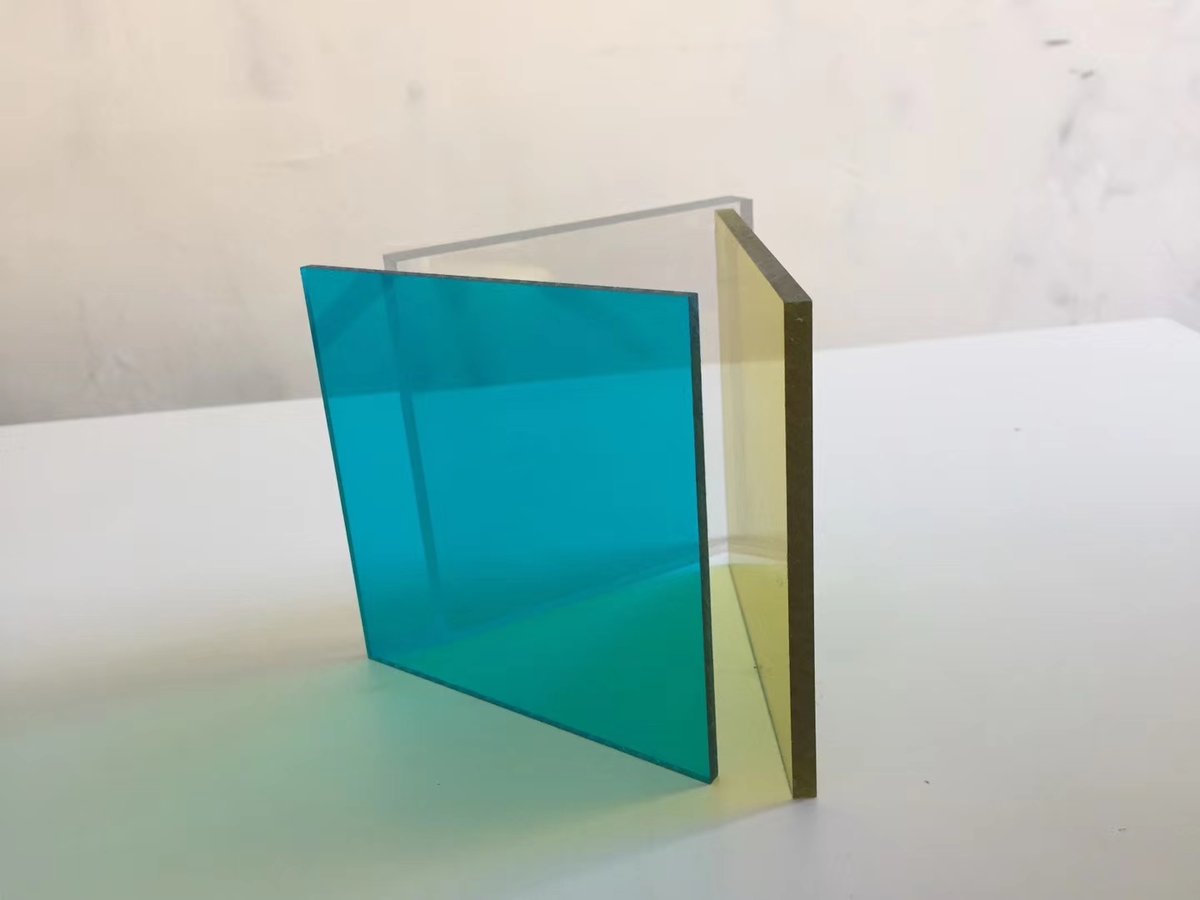
Clear sheet transmits up to 89% of light, the highest in the solid-polycarbonate range. Tinted grades — bronze, lake blue, grass green, grey, black and opal white — trade a little light for solar control, privacy or a specific look. Opal white diffuses light evenly, which is why it is the workhorse of backlit signage and light boxes.
4. UV Coating: Single Side or Double Side
Every solid sheet we ship carries a co-extruded UV layer on at least one face; it is what stops the panel from yellowing and turning brittle after a few years outdoors. For skylights, canopies and other single-face exposures, single-side UV is enough and costs less. For vertical glazing and noise barriers where both faces see the sun, double-side UV extends service life. Always install the UV-protected side facing the sun.
5. Impact Resistance and Safety
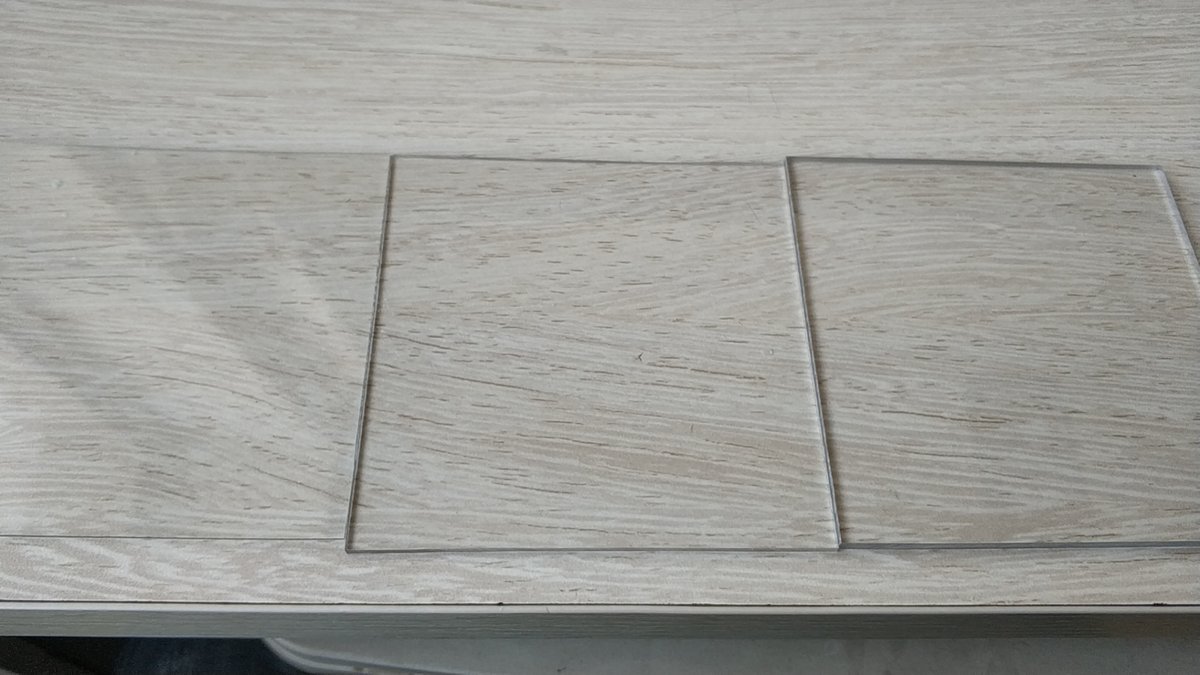
Polycarbonate is roughly 200 to 250 times tougher than glass of the same thickness. That is why solid PC sheet is the default choice for machine guards, security glazing and anti-vandal work — it absorbs energy and deforms instead of shattering into dangerous shards. Wherever a window must survive impact without breaking, this is the material to reach for.
6. Match the Application to the Grade
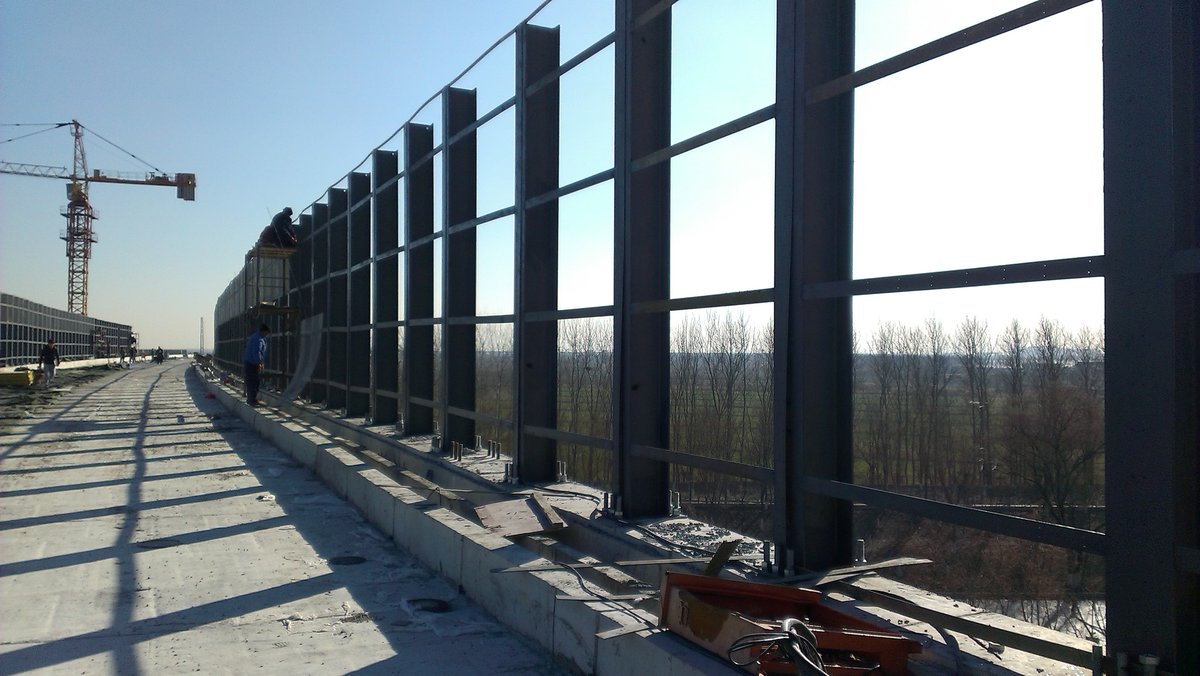
The same sheet solves very different problems once thickness and colour are dialled in. Machine guards want 3–6 mm clear; highway noise barriers want 6–10 mm in a tinted or clear grade; skylights want 4–8 mm with single-side UV; and security screens want 12 mm and up. Tell us the span, the load and the exposure, and we will specify the grade that fits — not just sell you what is in stock.
Why Jietai
Jietai is a polycarbonate sheet manufacturer serving distributors, fabricators and project buyers worldwide. We produce solid PC sheet in the full 1–30 mm range, in standard and custom widths, with single- or double-side UV and factory cutting. Because we make the sheet ourselves, we can match thickness, colour and coating to your specification and hold the tolerance on every panel.
Frequently Asked Questions
What thickness of solid polycarbonate sheet do I need for a machine guard?
Most machine guards use 3 mm to 6 mm sheet. For light splash and chip protection 3–4 mm is usually enough; for guards on presses or machining centres where impact is possible, step up to 5–6 mm.
What is the difference between single-side and double-side UV protection?
Single-side UV coats one face and is enough for skylights and canopies where only one side faces the sun. Double-side UV coats both faces and is recommended for vertical glazing and noise barriers so both exposed surfaces resist yellowing.
What are the standard widths of solid polycarbonate sheet?
The four standard widths are 1220 mm, 1560 mm, 1820 mm and 2100 mm, with 2500 mm available on request. Standard length is 6 m, and custom lengths from 1 m to 12 m are available.
How much light does clear solid polycarbonate transmit?
Clear solid polycarbonate transmits up to 89% of visible light, the highest in the solid range. Tinted grades transmit less, trading light for solar control and privacy.
Can solid polycarbonate sheet replace glass?
Yes. At roughly 200–250 times the impact strength of glass, solid polycarbonate is widely used to replace glass in machine guards, security glazing, noise barriers and anti-vandal applications where shatter resistance matters.