Bottom line first: choose solid polycarbonate when you need a flat, crystal-clear, impact-proof panel for security glazing, machine guards, signage or sound barriers. Choose multiwall polycarbonate when you need a lightweight, insulated panel for roofs, greenhouses, carports and skylights. This 2026 guide compares the two side by side so you can decide in minutes, not days.
The Basic Difference
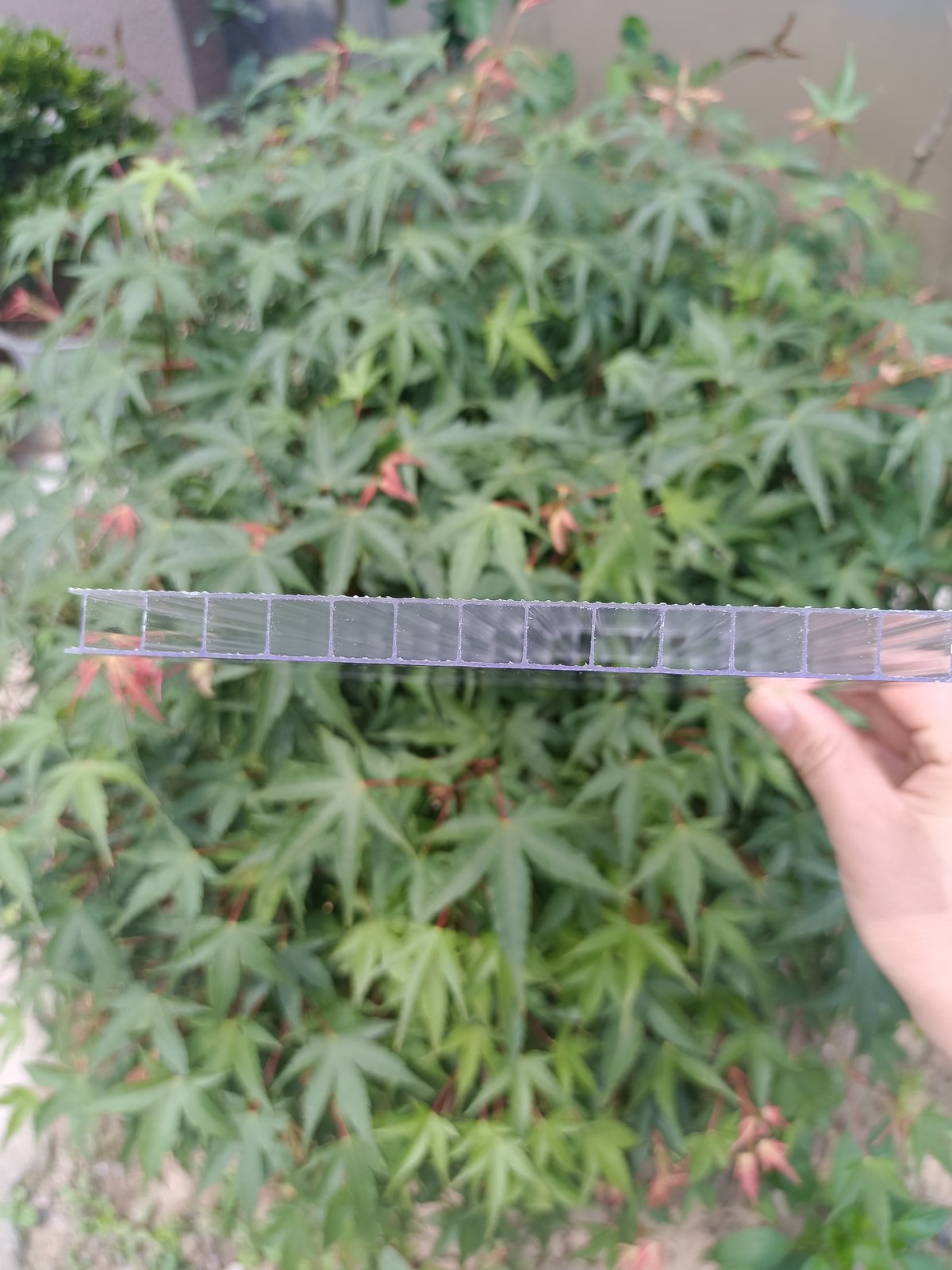
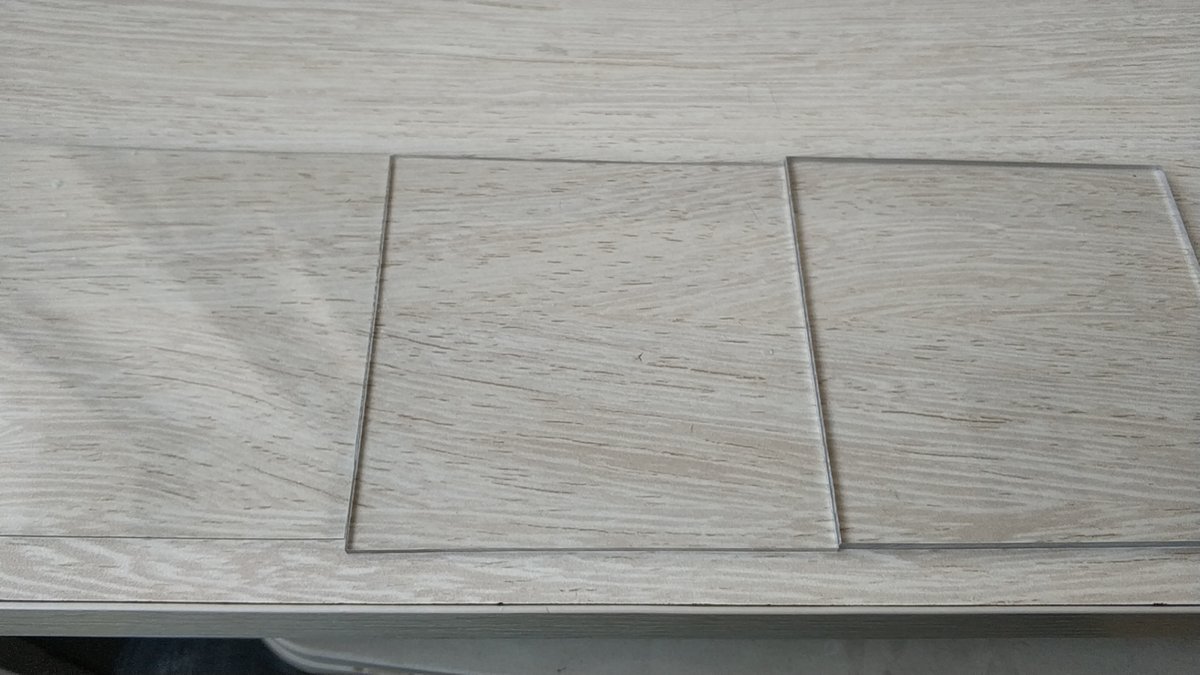
Solid polycarbonate is a single flat layer — essentially unbreakable glass, with impact resistance up to 200–250 times that of real glass. Multiwall polycarbonate (often called twin-wall) is built from two to five thin layers joined by vertical ribs. The air trapped inside those hollow chambers is what gives multiwall its thermal insulation, and the hollow core is also why it costs and weighs less per square meter.
Solid vs Multiwall: 2026 Specification Comparison
| Property | Solid Polycarbonate | Multiwall Polycarbonate |
|---|---|---|
| Structure | Single flat layer | 2–5 walls with hollow air channels |
| Thickness | 1–30 mm | 4–30 mm |
| Standard widths | 1220 / 1560 / 1820 / 2100 mm | 2100 mm mainstream (custom widths available) |
| Length | 6 m standard, up to 30 m | 6 m standard, custom 1–12 m |
| Weight | 1.2–7.2 kg/m² | 1.0–3.5 kg/m² |
| Light transmission | up to 89% (clear) | 25–82% |
| Thermal insulation (U-value) | Minimal (single layer) | 1.5–3.9 W/m²·K |
| Impact resistance | 200–250× glass | High |
| Fire rating | UL94 V-0 ~ V-2, B1 | B1, UL94 V-0 ~ V-2 |
| Service temperature | -40°C to +120°C | -40°C to +120°C |
When to Choose Solid Polycarbonate
Solid sheet is the go-to when the panel has to stay flat, stay clear and take a beating. Typical 2026 uses include:
- Machine guarding and safety screens on factory equipment
- Security glazing, bank counters and anti-vandal windows
- Sound barriers along highways and railways
- Advertising light boxes and backlit signage
- Swimming pool enclosures and flat overhead glazing
When to Choose Multiwall Polycarbonate
Multiwall wins whenever insulation or wide spans matter. The hollow structure holds heat in winter and softens direct glare, and its lower weight lets you use lighter framing. Common applications:
- Commercial greenhouses and agricultural tunnels
- Skylights and daylighting roofs for factories and warehouses
- Carports, canopies and walkway covers
- Stadium roofs and large-span translucent cladding
Frequently Asked Questions
Which is stronger, solid or multiwall polycarbonate?
For the same thickness, solid polycarbonate is stronger and stiffer because it has no hollow core. It absorbs impact of up to 200–250 times that of glass, which is why it is specified for machine guards and security glazing. Multiwall is still impact-resistant, but it is chosen for insulation rather than maximum strength.
Which is better for a greenhouse roof — solid or multiwall?
Multiwall (usually 6–10 mm twin-wall or triple-wall) is the standard for greenhouse roofs in 2026. Its air channels insulate against heat loss while light transmission of up to 82% still lets crops grow, and the diffused light prevents scorching. Solid sheet is rarely used for greenhouse roofs because it costs more and provides no insulation.
Which costs less per square meter?
Multiwall is cheaper per square meter than solid of comparable thickness, because the hollow core uses less resin for the same covered area. As a rough 2026 guide, twin-wall multiwall runs $5–14/m² while solid sheet starts around $10/m² and climbs with thickness.
Can I cold-bend solid and multiwall polycarbonate sheets?
Yes, both can be cold-formed. Solid sheet up to around 6 mm bends easily into curves, and multiwall bends along the rib direction to a minimum radius that depends on thickness. For tight curves, contact us first — the wrong radius can crack the sheet or crush the hollow walls.
Still unsure which sheet fits your project? Send us your dimensions and application, and our team will recommend the right type and thickness and return a quote within one business day.