Introduction
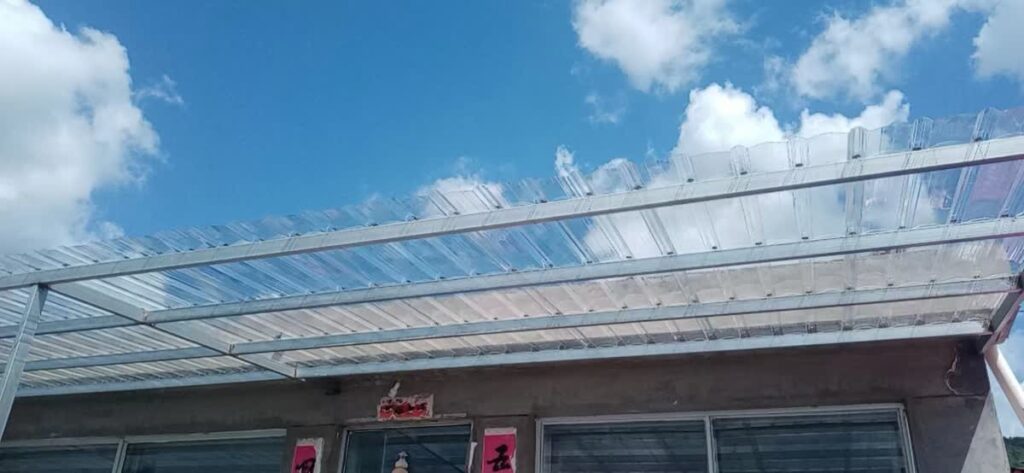
When selecting materials for roofing, skylights, industrial enclosures, or agricultural structures, heat resistance is one of the most important factors — especially for buyers operating in hot climates such as the Middle East, Southeast Asia, and Southern Europe. Polycarbonate (PC) sheets are widely recognized for their excellent thermal performance, but how exactly do they resist heat? This article answers the most common questions about polycarbonate heat resistance, covering temperature range, thermal stability, fire behavior, and practical tips for maximizing performance.
How Do Polycarbonate Sheets Resist Heat?
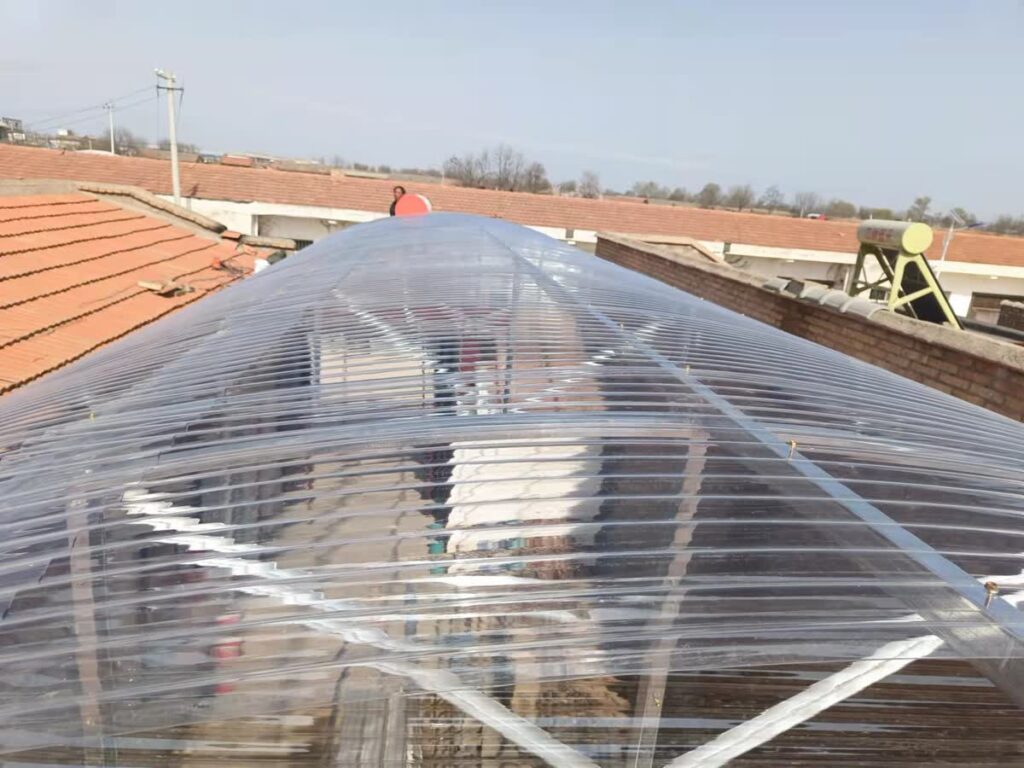
The heat resistance of polycarbonate sheets comes from their unique molecular structure. Polycarbonate is an amorphous thermoplastic with rigid aromatic rings and strong carbonate linkages in its polymer backbone. These molecular bonds resist thermal vibration and maintain stability at elevated temperatures.
Key factors that contribute to PC heat resistance include:
- High Glass Transition Temperature (Tg): Polycarbonate has a Tg of 145-150C (293-302F), meaning it remains rigid and dimensionally stable well above the tolerance of most common plastics.
- Gradual Softening: Unlike crystalline plastics that melt sharply at a specific point, PC softens gradually above its Tg and only becomes fully fluid above 220C, maintaining structural integrity during short heat bursts up to 130C.
- Heat Deflection Temperature (HDT): PC sheets have an HDT of 130-145C (266-293F) under 1.82 MPa load — significantly higher than PVC (85C), acrylic (85C), or ABS (60C).
What Temperature Can Polycarbonate Sheets Withstand?
Polycarbonate sheets have a broad operating temperature range that makes them suitable for diverse climates and applications:
- Continuous service temperature: -40C to 120C (-40F to 248F)
- Short-term peak tolerance: Up to 130C (266F) for brief exposure
- Relative Thermal Index (RTI): 105C (221F) for long-term continuous exposure (thousands of hours)
- Glass Transition Temperature (Tg): 145-150C, where the material begins to soften
- Processing temperature: 220-250C — PC only becomes fluid at these high temperatures for molding and extrusion
This wide range means PC sheets remain tough and functional in freezing winters (down to -40C) and perform reliably under intense summer sun or near industrial heat sources (up to 120C continuous).
Does Heat Cause Polycarbonate Sheets to Warp or Melt?
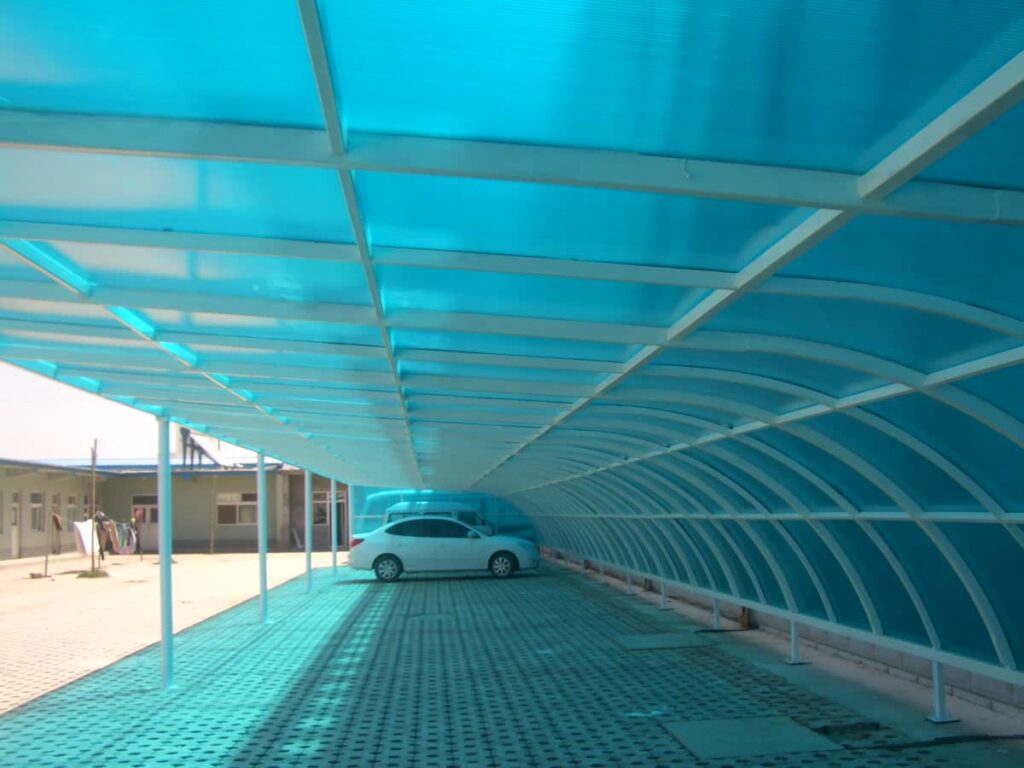
Under normal use conditions within the rated temperature range, polycarbonate sheets do not warp, melt, or deform. However, several factors can affect thermal stability in practice:
- UV protection: Outdoor-grade PC sheets feature a co-extruded UV layer (typically 80 microns thick) that blocks ultraviolet radiation and reflects infrared heat, reducing surface temperature by 10-15C compared to unprotected sheets.
- Multiwall insulation: Hollow multiwall PC sheets (twin-wall, triple-wall, or X-structure) contain internal air chambers that act as thermal barriers, significantly reducing heat transfer and minimizing the risk of warping under sustained sunlight.
- Thermal expansion allowance: PC sheets expand and contract with temperature changes. Proper installation with expansion gaps and flexible mountings prevents buckling or stress damage.
- Thickness matters: Thicker sheets (6mm and above) resist heat-induced deformation better than thin sheets, making them suitable for large-span roofing applications.
Tinted or opaque PC sheets absorb less solar radiation than clear sheets, further reducing surface temperature and thermal stress.
How Does Polycarbonate Compare to Other Materials?
| Material | Max Service Temp | Heat Deflection Temp | Impact Strength |
|---|---|---|---|
| Polycarbonate (PC) | 120C | 130-145C | Excellent (250x glass) |
| Acrylic (PMMA) | 85C | 70-85C | Moderate |
| PVC | 85C | 65-85C | Low-Moderate |
| ABS | 60C | 60-80C | Moderate |
| Glass | Very High | N/A | Brittle (shatters) |
As the table shows, polycarbonate offers the best balance of heat resistance, impact strength, and light transmission among transparent engineering plastics — making it the preferred choice for demanding applications.
Can Polycarbonate Sheets Catch Fire?
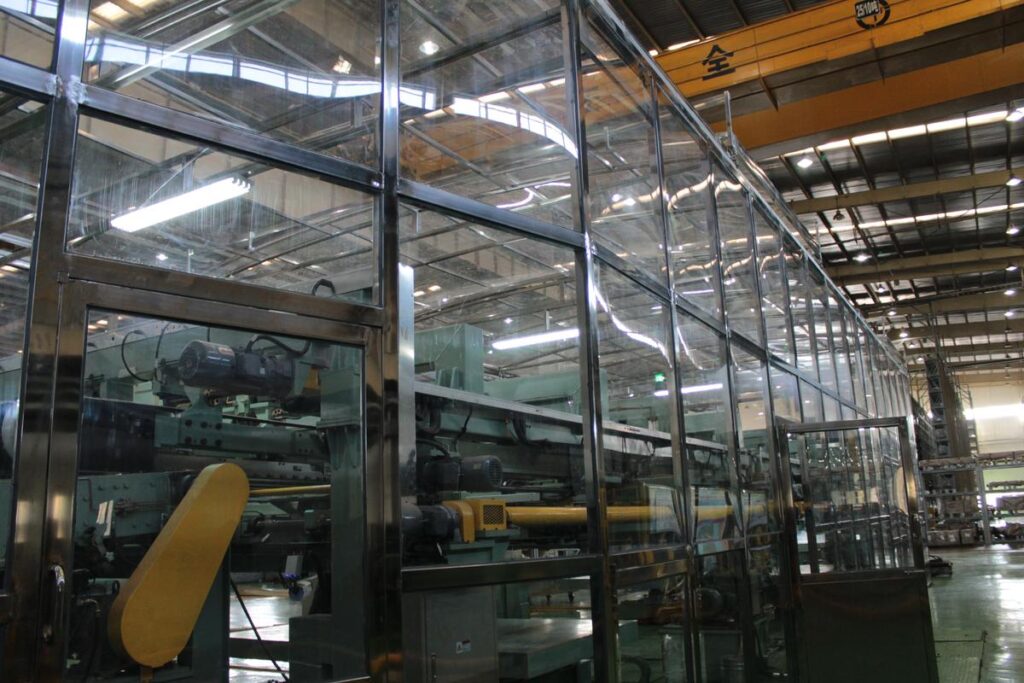
Polycarbonate is inherently flame-retardant and self-extinguishing. It does not ignite easily and stops burning when the flame source is removed. Key fire safety properties include:
- UL 94 V-2 / V-0 rating: Standard PC sheets achieve V-2 rating (burning stops within 25 seconds), while flame-retardant grades achieve V-0 (stops within 10 seconds, no flaming drips).
- High Limiting Oxygen Index (LOI): PC has an LOI of 25-32%, meaning it requires a higher oxygen concentration to sustain combustion than many other plastics.
- Low smoke emission: When exposed to flame, PC produces less smoke than many alternatives and does not drip burning material.
- BS 476 / Class 1 rating: PC sheets can achieve Class 1 fire rating for surface spread of flame, suitable for building code compliance.
For applications requiring enhanced fire safety — such as public buildings, tunnels, and industrial facilities — flame-retardant PC grades with UL 94 V-0 certification are recommended.
How to Maximize Heat Resistance of PC Sheets
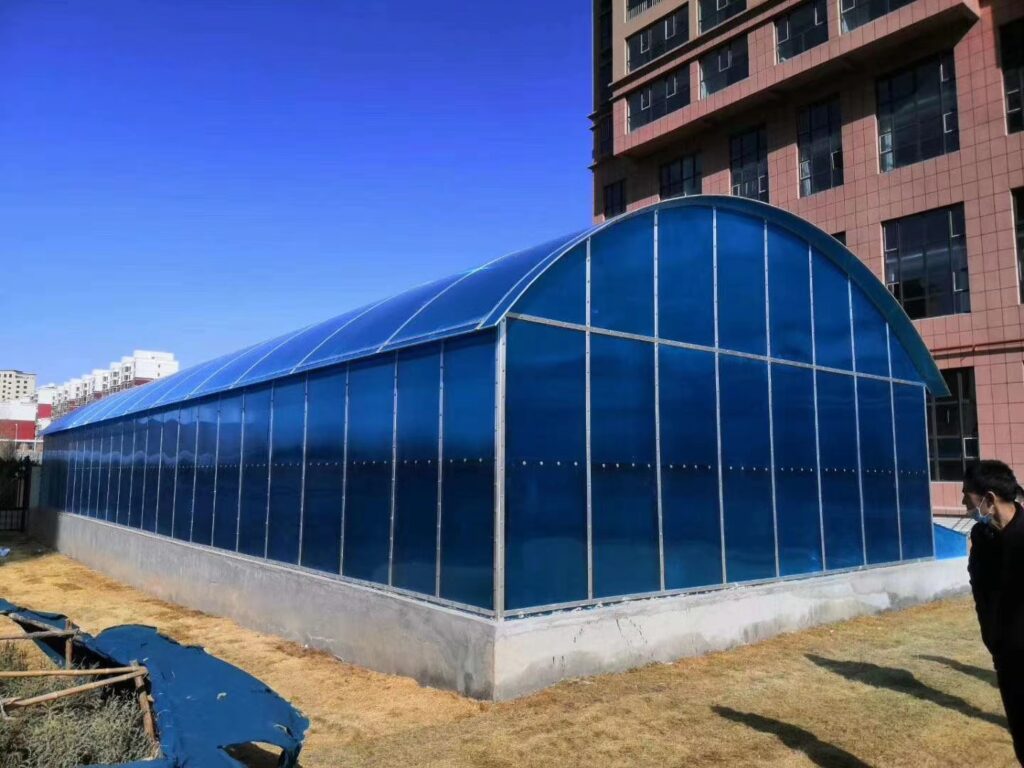
To get the best thermal performance from polycarbonate sheets in real-world installations:
- Choose UV-coated sheets: Co-extruded UV protection reduces heat absorption from sunlight and prevents yellowing over time.
- Select multiwall panels: Twin-wall or triple-wall PC sheets with internal air pockets provide superior insulation (lower U-value) compared to solid sheets.
- Use proper thickness: For roofing and large-span applications, choose 6mm or thicker sheets to resist thermal deformation.
- Install with expansion gaps: Leave 2-3mm per meter of panel length for thermal expansion and contraction, and use neoprene gaskets or EPDM sealing strips.
- Ensure ventilation: In enclosed structures like greenhouses or carports, air circulation behind PC panels reduces heat buildup and prevents thermal stress.
- Consider tinted or reflective options: Bronze, gray, or opal white PC sheets absorb significantly less solar heat than clear sheets, lowering interior temperatures.
Why Choose Jietai for Heat-Resistant PC Sheets
At Jietai, we manufacture polycarbonate sheets that meet the highest thermal performance standards:
- Co-extruded UV protection layer (80 micron) on all outdoor-grade sheets
- Full range of solid, multiwall, and corrugated PC sheets for diverse heat-related applications
- Products compliant with ASTM D3935, UL 94, and BS 476 standards
- Custom sizes and thicknesses available for large-scale projects
- Factory-direct pricing with global shipping