If you are sourcing polycarbonate sheets for the first time, you probably have a few questions. Here are the most common ones we hear from buyers — answered in plain language.
What is the difference between multiwall and solid polycarbonate?
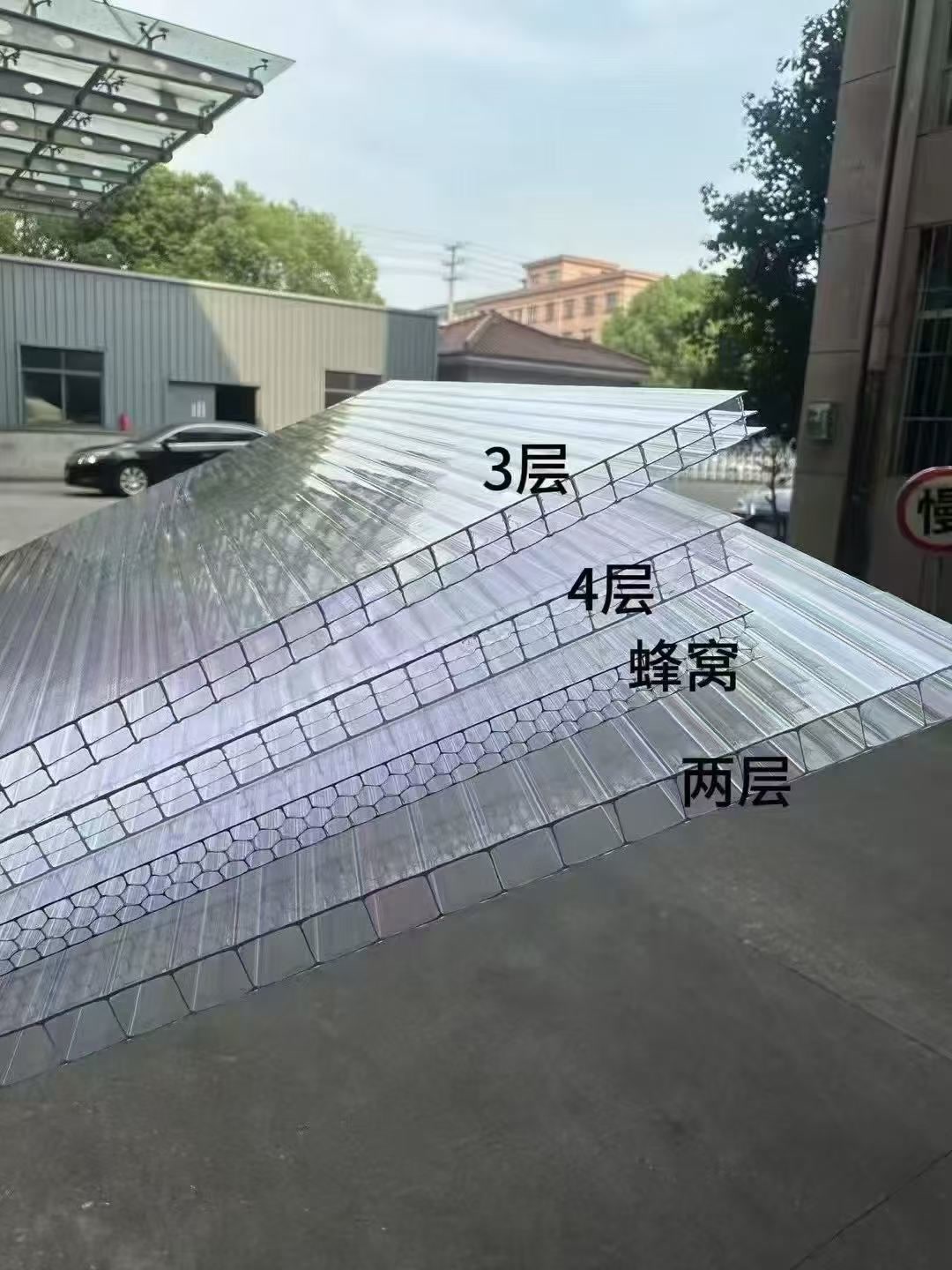
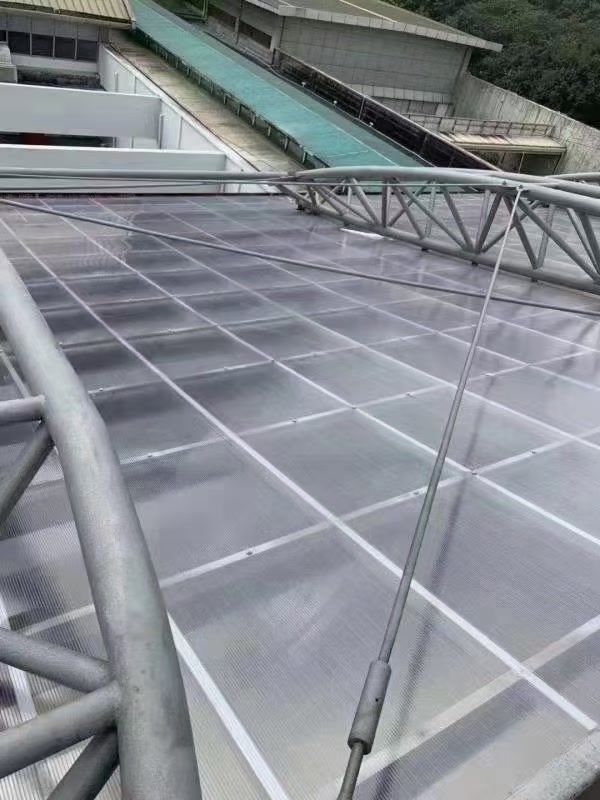
Multiwall sheets have a hollow structure with internal ribs — think of them as layered panels with air channels. They are lightweight, provide good thermal insulation, and are ideal for greenhouses, skylights, and roofing. Solid sheets are completely solid, like glass but much tougher. They offer maximum clarity and impact resistance, making them suitable for machine guards, noise barriers, and security glazing.
How long does polycarbonate sheeting last outdoors?
With dual-sided UV protection, quality polycarbonate sheets can last 10 years or more without significant yellowing or loss of strength. The key is the UV co-extruded layer — make sure your supplier provides UV protection on both sides, not just one. Sheets without UV coating may start yellowing within 1-2 years.
Can polycarbonate sheets be cut and drilled?
Yes. Polycarbonate can be cut with a circular saw, jigsaw, or even a utility knife for thinner sheets. Use a fine-tooth blade and go slow to avoid chipping. Drilling is also straightforward — use standard HSS drill bits, and drill between the ribs for multiwall sheets, not directly on them.
Are polycarbonate sheets fire resistant?
Standard polycarbonate achieves a B1 fire rating — it is self-extinguishing and does not produce flaming droplets. For projects with stricter fire codes, flame-retardant grades with higher oxygen index ratings are available. Always confirm the fire rating with your supplier before ordering.
What thickness should I choose?
It depends entirely on your application. For a simple patio cover or greenhouse, 4-6mm multiwall is usually sufficient. For commercial skylights or areas with snow load, 8-10mm provides better strength. For noise barriers along highways, 8-12mm solid polycarbonate is the standard choice. When in doubt, our team can help you select based on span, wind load, and insulation requirements.
Still have questions? Reach out to our team for a free consultation and quote.