Bottom line: corrugated polycarbonate and metal (color-coated steel) roofing each win in different situations, and in most industrial buildings they are installed together, with polycarbonate run as daylighting strips inside a metal roof. Choose polycarbonate wherever you need natural daylight, a rust-proof cover or a lighter structure; choose metal where you need the lowest cost, the longest spans and a fully opaque, fireproof deck. Treat the two as partners in a mixed roofing system, not as rivals.
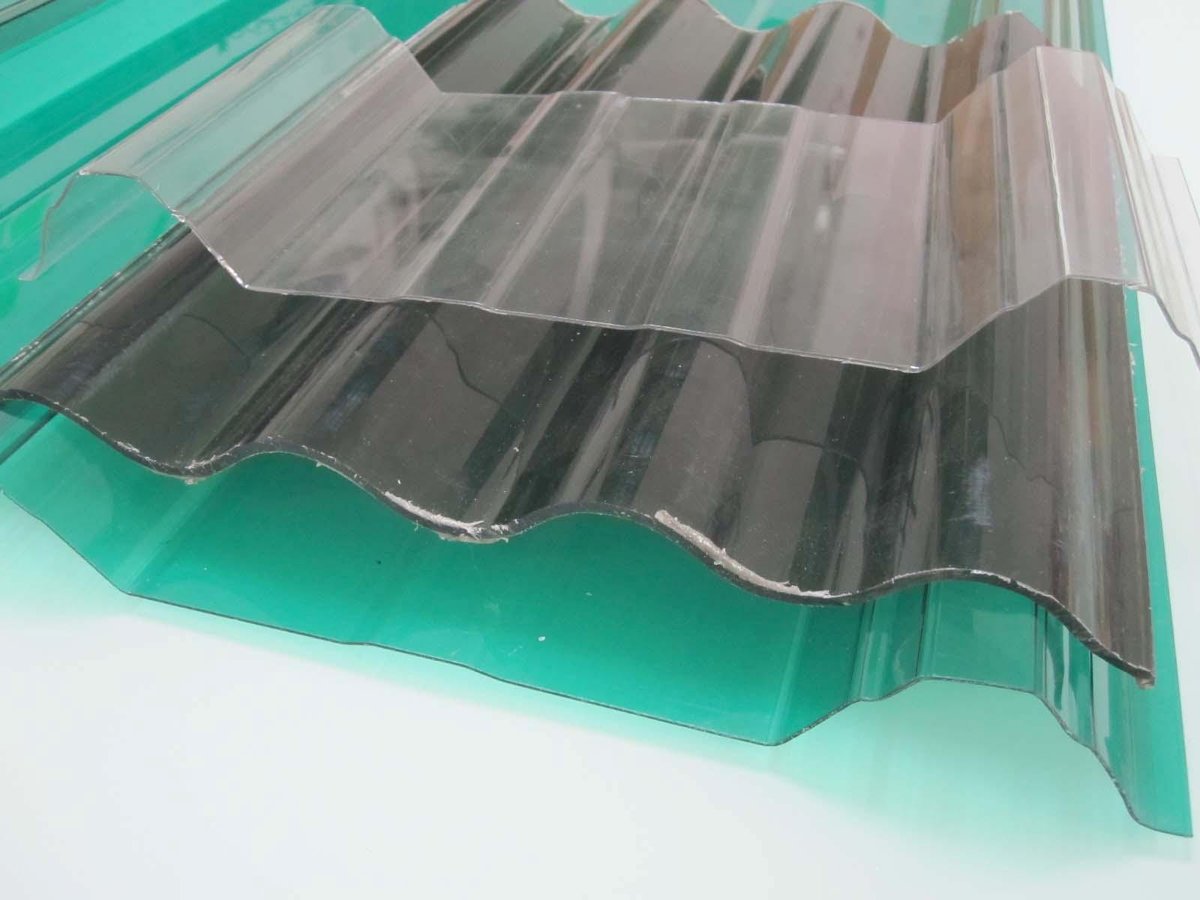
Corrugated polycarbonate vs metal roofing at a glance
The two materials differ most in what they do with light and weight. Polycarbonate is translucent, roughly one-fifth the weight of steel for the same area, and cannot rust. Metal is opaque, strong over long spans, and cheaper per square metre, but it dents under heavy hail, drums loudly in the rain and rusts once its coating is scratched.
| Dimension | Corrugated polycarbonate | Metal (color-coated steel) roofing |
| Natural light | 25–88% transmission (clear up to 88%) | 0% — fully opaque |
| Weight | 1.2–4.0 kg/m² | About 4–8 kg/m² |
| Corrosion | Rust-proof | Rusts if the coating is damaged |
| Impact resistance | About 200× the impact strength of glass | Dents under heavy hail |
| Noise in rain or hail | Quiet | Loud |
| Fire behaviour | B1 (GB 8624), UL94 V-2 | Non-combustible (Class A) |
| Typical span between purlins | Up to 1.0–1.5 m (by wave profile) | 2–3 m and more |
| Service life | 10-year UV warranty | 10–20 years with intact coating |
| Material cost | Higher per m² | Lower per m² |
| Best for | Daylighting, greenhouses, canopies, coastal or humid sites | Large industrial roofs, fully opaque enclosures |
Where corrugated polycarbonate wins
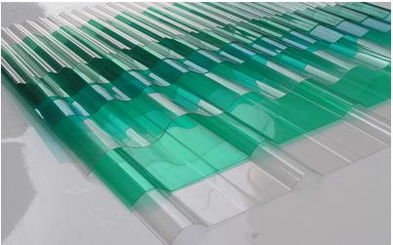
Polycarbonate earns its place wherever daylight matters. A clear sheet passes up to 88% of light, so a factory, workshop or greenhouse lit through polycarbonate runs fewer lamps during the day and cuts the electricity bill. Because it is rust-proof and co-extruded with a UV layer, it survives coastal salt spray, chemical fumes and high-humidity sheds that eat through painted steel. It is also light enough to carry and cut by hand, which shortens installation time on a small canopy or carport.
Where metal roofing wins
Metal wins on span, price and opacity. A color-coated steel sheet holds its own over purlins spaced 2–3 m apart, so a large warehouse needs less framing than the same area glazed in polycarbonate, and the material itself costs less per square metre. For buildings that must stay dark, keep heat out or meet a fully non-combustible specification, an opaque steel deck is the default choice.
How the two work together: daylighting strips
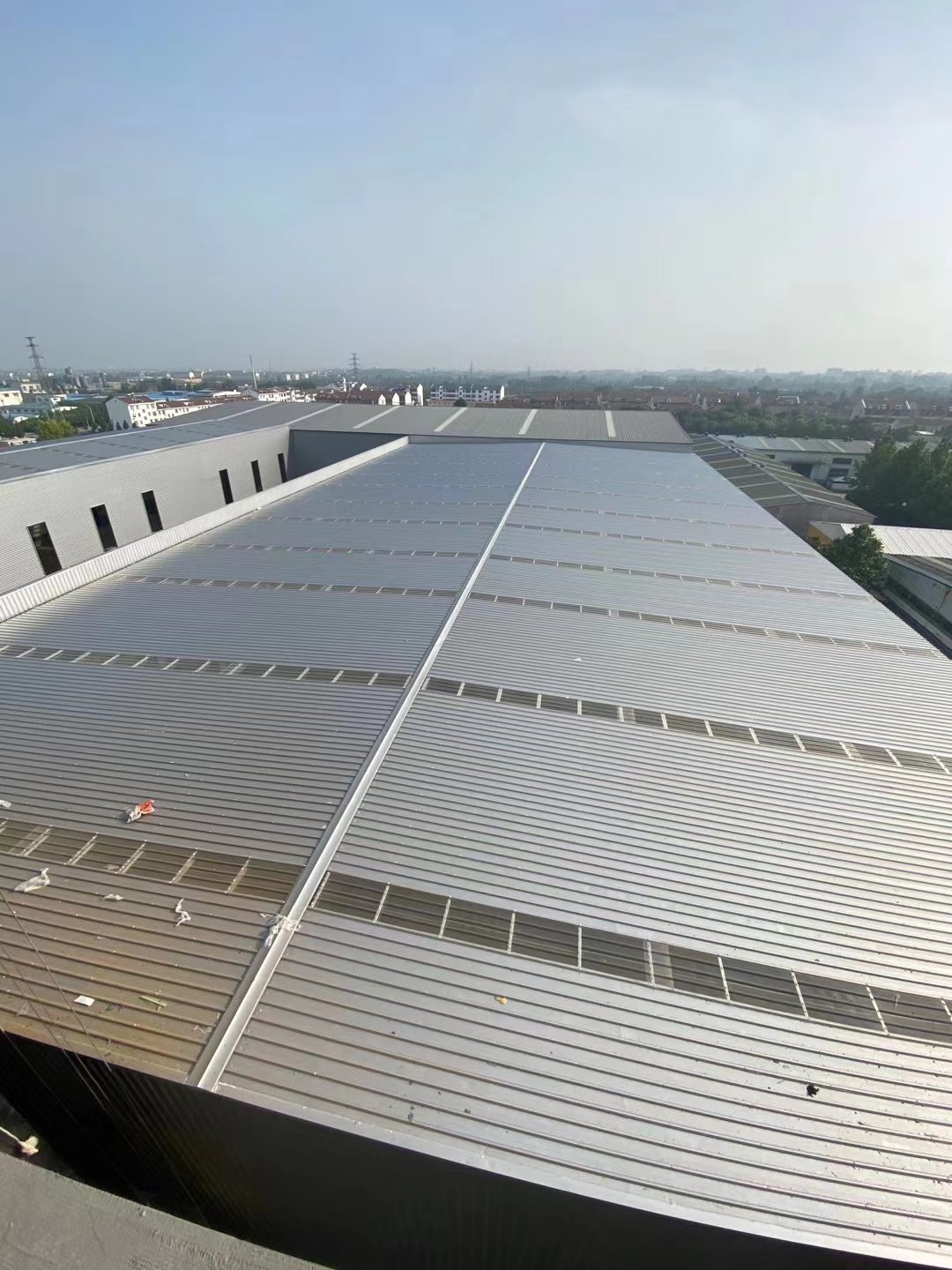
The most common installation is not one or the other, but both. Polycarbonate sheets are profiled to the same wave shapes as standard steel sheets, so a 840-type polycarbonate strip mates directly with 840-type steel panels. Contractors lay steel over most of the roof and run one or two polycarbonate strips as skylights down the ridge or along the eaves. This gives the cheap, strong, long-span deck of metal with the free daylight of polycarbonate.
Corrugated polycarbonate sheet specifications
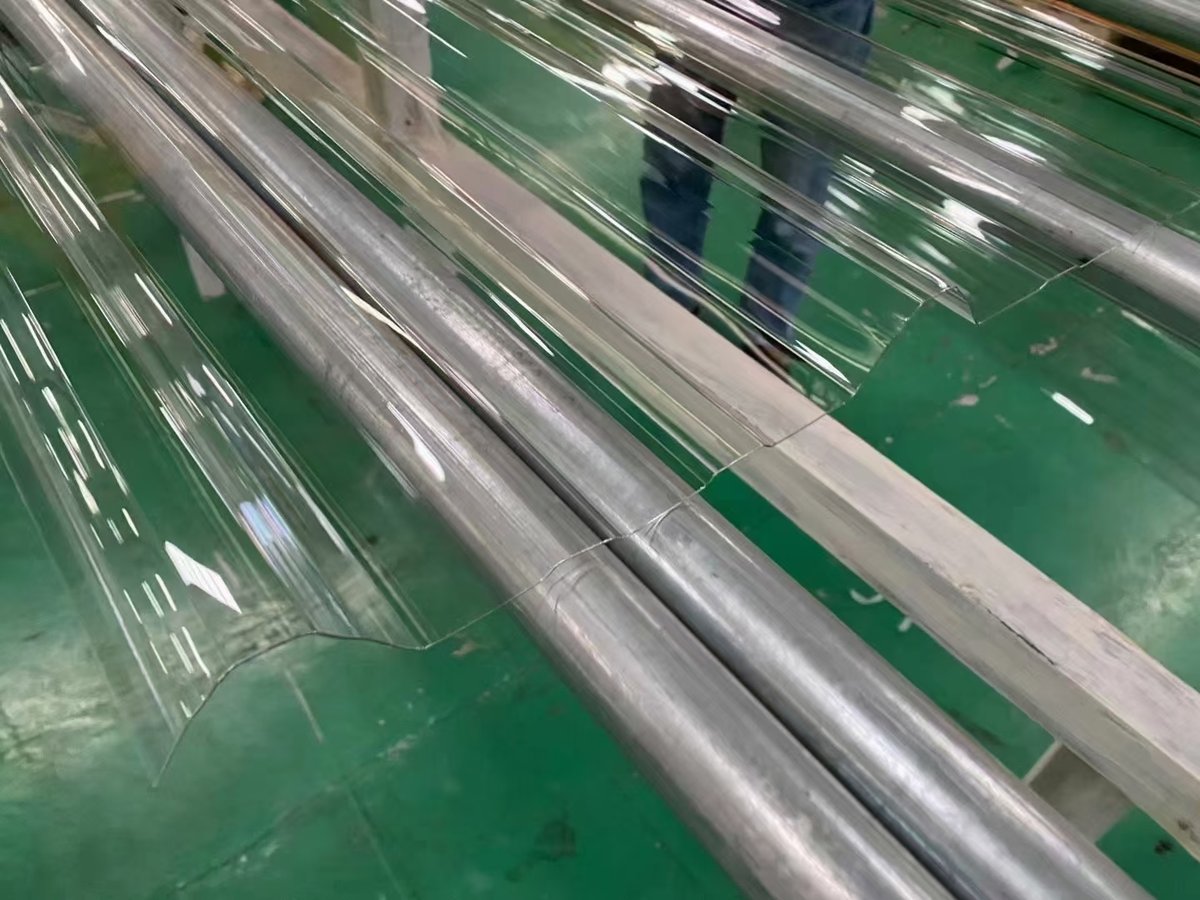
As a manufacturer we produce corrugated polycarbonate sheets to the industry-standard ranges below. Custom profiles, thicknesses, colours and cut-to-size lengths are available on request.
| Parameter | Range |
| Wave profile | 840 / 900 / 930 / 970 mm standard; 750 / 820 / 1050 mm on request |
| Thickness | 0.8 / 1.0 / 1.2 / 1.5 / 2.0 / 2.5 / 3.0 mm |
| Effective width | 840–1050 mm (by profile) |
| Wave height | 20–50 mm |
| Length | Cut to length, up to 12 m |
| Colours | Clear, lake blue, grass green, bronze, opal |
| Light transmission | 25–88% |
| UV protection | Co-extruded UV layer |
| Fire rating | B1 (GB 8624), UL94 V-2 |
| Service temperature | −40°C to +120°C |
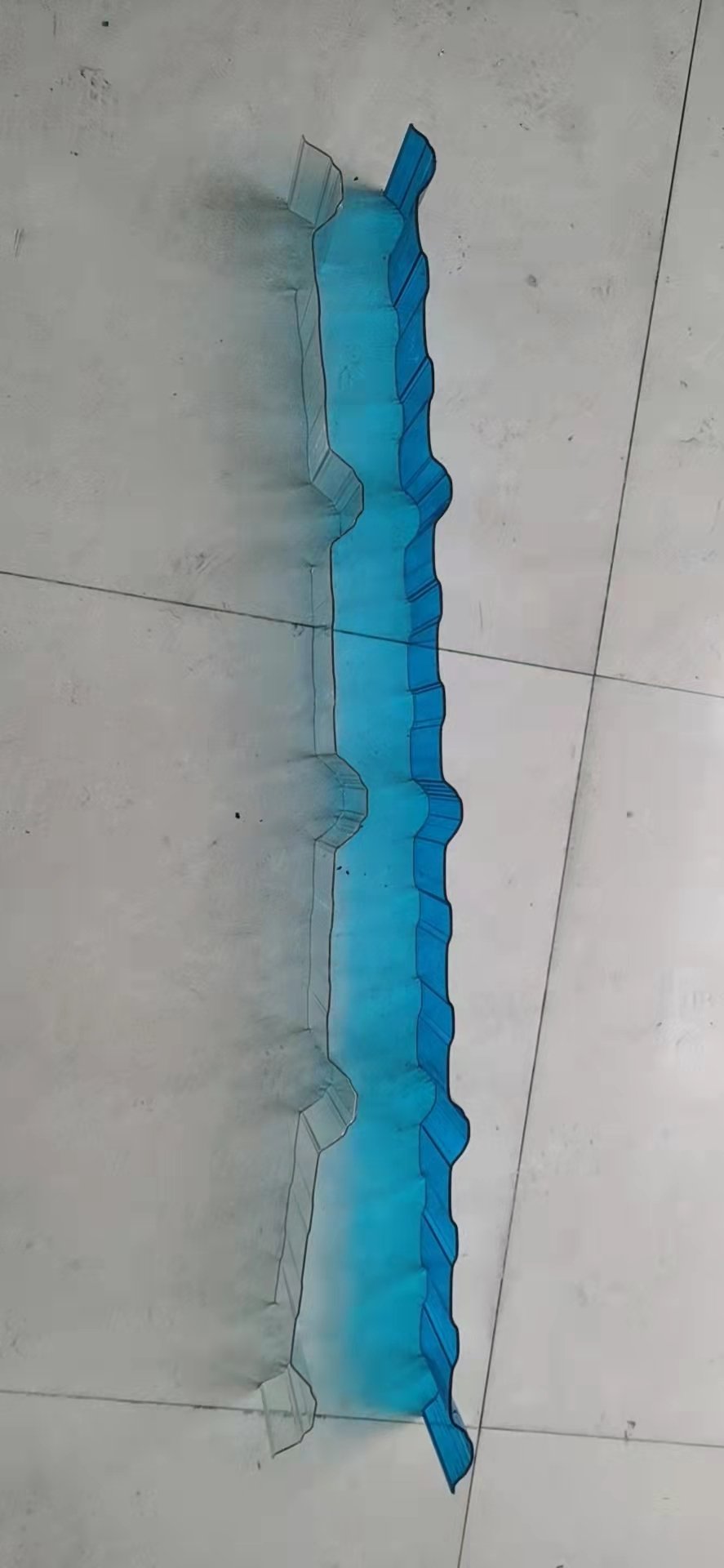
How to choose
Start from the roof’s job. If the space needs daylight or sits in a corrosive environment, lead with polycarbonate and add steel only where spans are long. If the space must stay dark, keep heat out or meet a strict fire spec, lead with steel and add a polycarbonate strip where you want free daylight. When the two share a roof, match the wave profile numbers exactly so the panels overlap and seal correctly, and follow the manufacturer’s guidance on fastening and overlap for the polycarbonate strips.
Frequently asked questions
Can corrugated polycarbonate replace metal roofing entirely?
Yes, for light-duty roofs such as greenhouses, carports, canopies and corridors, polycarbonate can be the whole covering. On large industrial roofs it is usually combined with steel, running as daylighting strips over a metal deck.
Is polycarbonate roofing strong enough compared with metal?
Polycarbonate is far tougher against impact (about 200 times the impact strength of glass), but it needs closer purlin spacing, typically 1.0–1.5 m. Metal carries more load over longer spans, so for wide roofs the two are used together.
Does corrugated polycarbonate go yellow or rust over time?
No. It cannot rust, and a co-extruded UV layer on the weather side protects it from yellowing, typically backed by a 10-year warranty. A scratched metal sheet, by contrast, will start to rust.
Which costs less, polycarbonate or metal roofing?
Metal is cheaper per square metre to buy. Polycarbonate costs more up front but pays back through daylight, which reduces daytime lighting electricity, and through rust-free maintenance in corrosive environments.
How do I match polycarbonate sheets to my existing metal roof?
Match the wave profile number. A 840-type polycarbonate sheet overlaps a 840-type steel profile, a 900-type matches 900, and so on. Confirming the profile number first is what keeps the overlap watertight.