What Are Polycarbonate Sheets?
Polycarbonate (PC) sheets are a versatile thermoplastic material widely used in construction, agriculture, and industrial applications. Known for their exceptional strength, light weight, and transparency, polycarbonate sheets have become a popular alternative to glass and acrylic in countless projects worldwide. This article explores the key advantages of polycarbonate sheets and why they are the preferred choice for modern building and design.
Exceptional Impact Resistance and Safety
Polycarbonate sheets are renowned for their incredible impact resistance — approximately 250 times stronger than glass and 30 times stronger than acrylic. This makes them virtually unbreakable under normal conditions, providing superior safety in applications where impact is a concern. Unlike glass, polycarbonate does not shatter into sharp fragments upon impact, significantly reducing the risk of injury. This impact-resistant property makes PC sheets ideal for security glazing, machine guards, school windows, and public buildings where safety is paramount.
UV Protection and Light Transmission
High-quality polycarbonate sheets feature a co-extruded UV-resistant layer on one side, which blocks up to 99.9% of harmful UV radiation. This protection prevents yellowing and degradation over time, ensuring long-term clarity and performance. At the same time, polycarbonate sheets offer excellent light transmission — up to 88% for clear sheets — allowing natural light to pass through while filtering out harmful rays. This combination of UV protection and light transmission makes PC sheets ideal for greenhouses, skylights, and canopies where plants need sunlight without UV damage.
Lightweight Design and Easy Installation
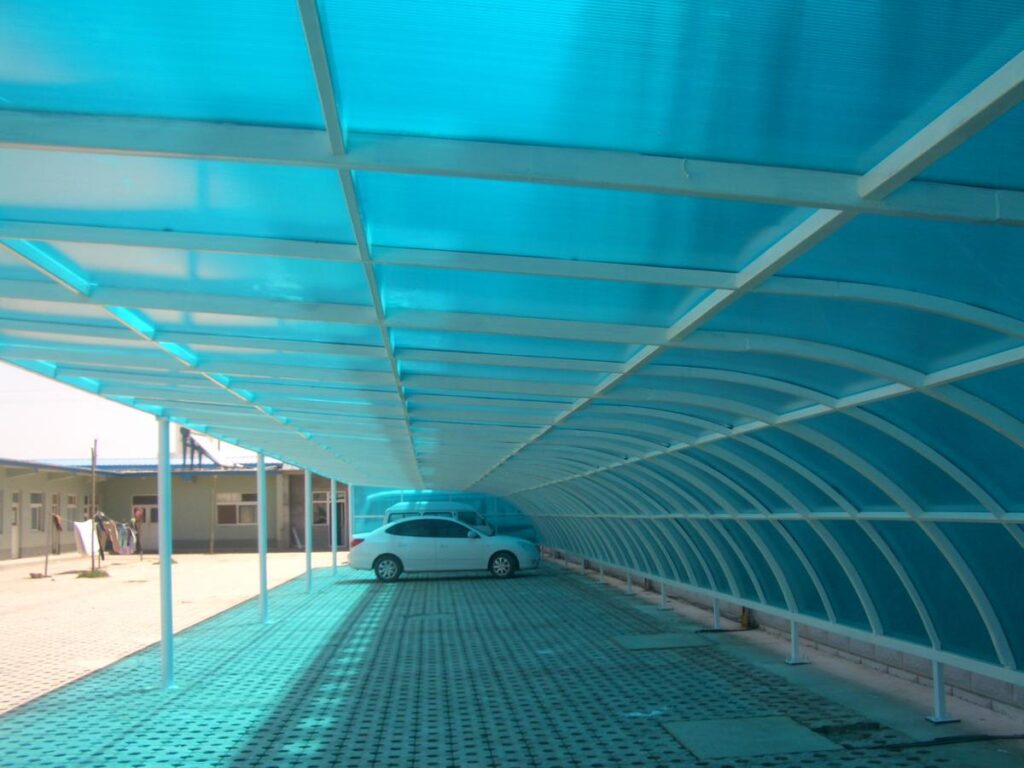
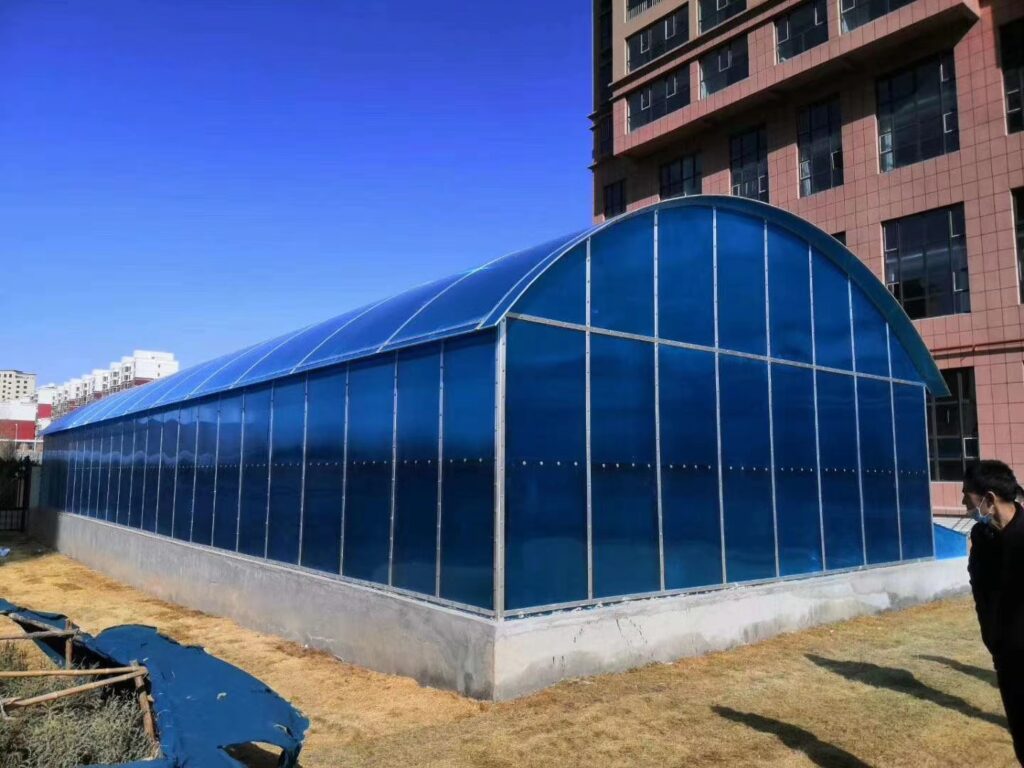
Polycarbonate sheets weigh only half as much as glass of the same thickness, making them significantly easier to transport, handle, and install. A standard 2m x 1m polycarbonate sheet at 4mm thickness weighs approximately 11 kg, compared to 20 kg for glass. This light weight reduces structural support requirements and lowers installation costs. Additionally, polycarbonate sheets can be cold-bent on-site to form arched structures, semi-circular roofs, or curved windows — the minimum bending radius is 175 times the sheet thickness. This flexibility enables creative architectural designs without specialized equipment.
Thermal Insulation and Energy Efficiency
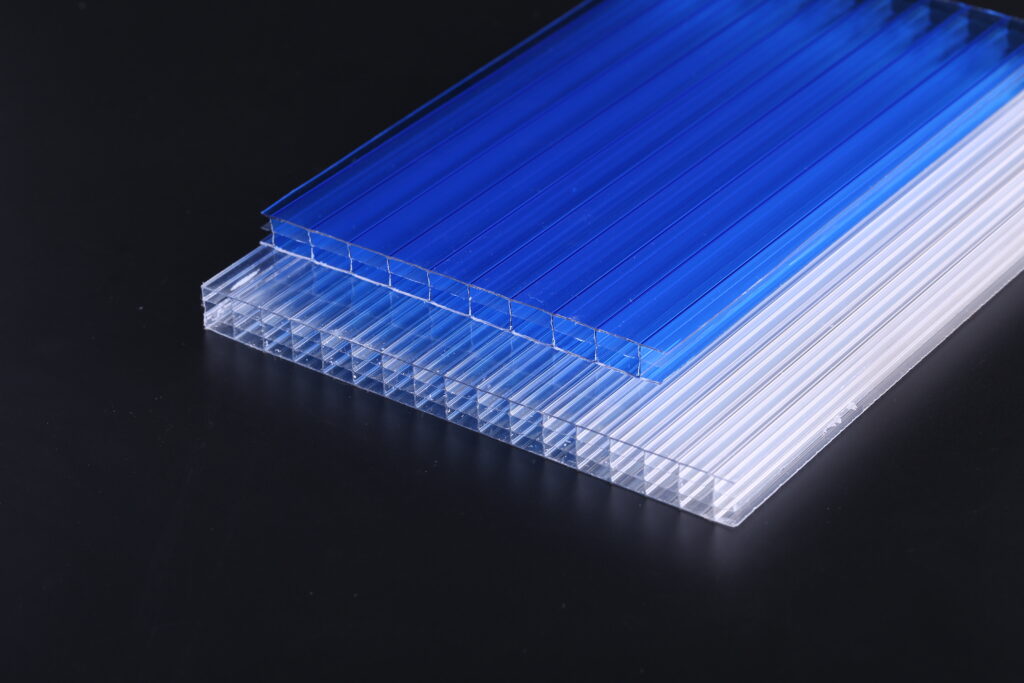
Polycarbonate sheets provide excellent thermal insulation, helping to maintain comfortable indoor temperatures year-round. The multi-wall structure of hollow polycarbonate sheets creates air pockets that act as natural insulators, reducing heat transfer. The thermal conductivity (K-value) of polycarbonate is lower than that of ordinary glass, meaning it keeps interiors cooler in summer and warmer in winter. This energy-efficient property can lead to significant savings on heating and cooling costs, making PC sheets an environmentally friendly choice for roofing, cladding, and greenhouse applications.
Flame Retardancy and Fire Safety
Polycarbonate is classified as a Class B1 flame-retardant material according to international building standards. Its ignition temperature is approximately 580 degrees Celsius. When removed from the ignition source, polycarbonate is self-extinguishing — it stops burning on its own. Importantly, it emits no toxic gases during combustion and does not promote the spread of fire. These fire-safety characteristics make polycarbonate sheets suitable for public buildings, schools, hospitals, and other structures where fire regulations are strict.
Long-Term Durability and Weather Resistance
Polycarbonate sheets are engineered to withstand extreme weather conditions, from -40 degrees Celsius to +120 degrees Celsius. They resist corrosion, chemicals, and moisture, making them suitable for outdoor applications in all climates. With proper UV protection, polycarbonate sheets maintain their mechanical properties and appearance for 10-15 years or more. Unlike acrylic, polycarbonate does not crack or turn yellow easily under prolonged sun exposure. This long-term durability translates to lower maintenance costs and fewer replacements over the lifetime of a project.
Sound Insulation Performance
Beyond thermal insulation, polycarbonate sheets also offer effective sound insulation. Compared with glass and acrylic sheets of the same thickness, polycarbonate provides superior noise reduction — reducing sound transmission by 3-4 dB more than glass at equal thickness. This makes PC sheets an excellent choice for highway sound barriers, office partitions, and noise-sensitive environments. In fact, polycarbonate is widely used internationally as a material for highway noise barriers due to its combination of sound dampening, impact resistance, and weather durability.