Why Choosing the Right PC Sheet Thickness Matters in Southeast Asia
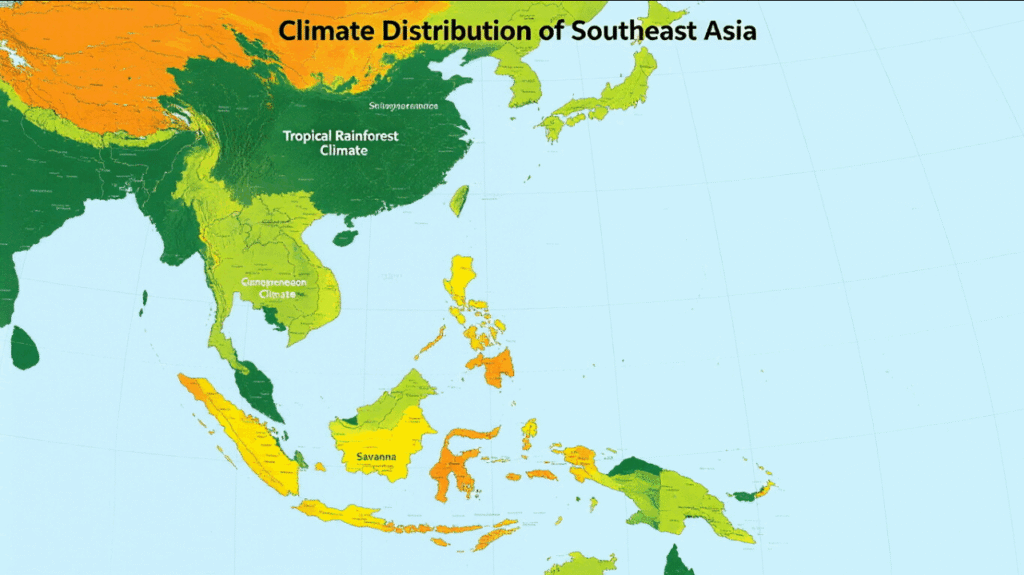
Southeast Asia’s tropical climate presents unique challenges for building materials — intense year-round UV radiation, heavy monsoon rains, high humidity, and extreme heat. When selecting polycarbonate sheets for projects in this region, choosing the correct thickness is critical to ensure long-term performance, structural integrity, and cost-effectiveness. This guide explains the best thickness options for polycarbonate sheets under Southeast Asian weather conditions, helping you make an informed decision for your specific application.
Key Factors to Consider for Southeast Asian Weather
Several climate-specific factors influence the ideal polycarbonate sheet thickness for projects in Southeast Asia:
UV Radiation Intensity: Countries like Thailand, Vietnam, Indonesia, and the Philippines experience high UV index levels year-round. Thicker polycarbonate sheets (6mm and above) typically feature co-extruded UV protection layers that resist yellowing and degradation over time. A thicker sheet also provides more material to absorb and diffuse UV radiation, protecting people and objects underneath.
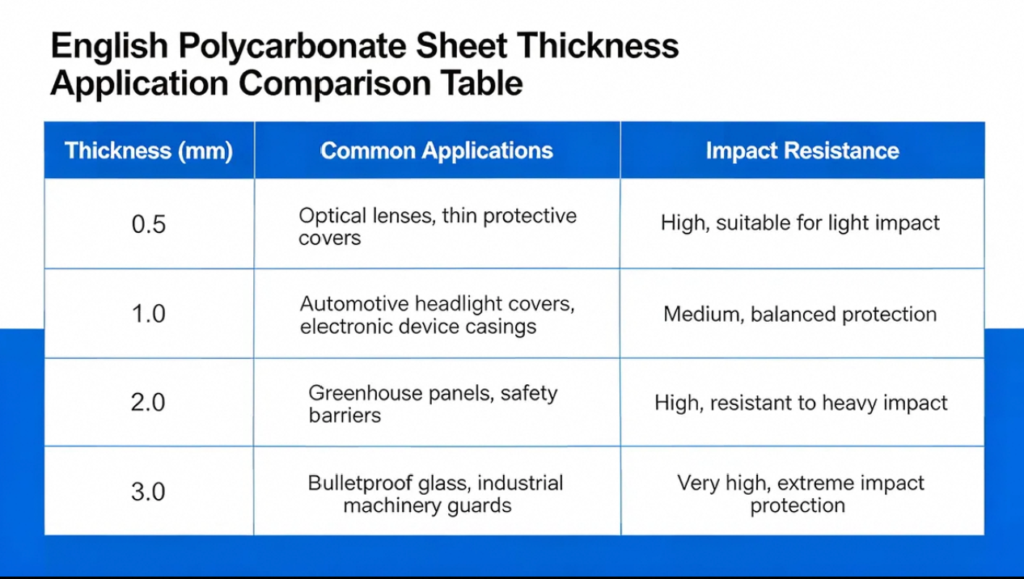
Heavy Rainfall and Impact Resistance: Monsoon seasons bring torrential downpours and occasional hail. A 6mm to 10mm multiwall polycarbonate sheet offers excellent impact resistance against falling debris and heavy rain loads. Solid polycarbonate sheets at 3mm to 6mm thickness provide even greater protection for security glazing and roofing applications.
Heat and Thermal Insulation: Tropical heat demands effective insulation. Multiwall polycarbonate sheets (also known as hollow or twin-wall sheets) trap air between layers, providing natural thermal insulation. Thicker panels (8mm to 16mm) offer superior heat reduction, keeping indoor spaces cooler and reducing air conditioning costs — a key advantage for greenhouses, carports, and industrial buildings in hot climates.
Recommended Thicknesses by Application
Different applications in Southeast Asia require different polycarbonate thicknesses for optimal performance:
Carports and Canopies (6mm–10mm multiwall): For carport roofing, 6mm to 8mm twin-wall polycarbonate provides an ideal balance of strength, light transmission, and heat insulation. In areas prone to heavy rain or falling branches, 10mm is recommended for extra safety margin.
Greenhouses and Agricultural Structures (6mm–8mm multiwall): Greenhouses need sufficient light transmission while reducing heat buildup. A 6mm or 8mm hollow polycarbonate sheet offers excellent diffusion of sunlight, preventing hot spots while protecting plants from UV damage. The air gap within the panels also helps maintain stable internal temperatures.
Skylights and Roofing (8mm–16mm multiwall): For large-span skylight installations, 10mm to 16mm multiwall sheets provide the structural strength to handle wind uplift and rain loads while maximizing natural daylight. The thicker panels also deliver superior thermal performance in tropical office buildings and warehouses.
Security Glazing and Sound Barriers (6mm–12mm solid): Solid polycarbonate sheets at 6mm to 12mm thickness offer bullet-resistant and vandal-proof protection for banks, embassies, and commercial buildings. Their high impact strength exceeds glass and acrylic, making them ideal for high-security applications in urban Southeast Asian environments.
Partition Walls and Decorative Panels (3mm–5mm solid): For interior partitions, balcony railings, and decorative screens in the tropics, 3mm to 5mm solid polycarbonate provides lightweight transparency with good weather resistance at a lower cost.
How Jietai Can Help You Choose the Right Thickness
With over 15 years of experience manufacturing polycarbonate sheets for global markets including Southeast Asia, Jietai offers a full range of thicknesses from 2mm to 16mm for solid sheets and 4mm to 16mm for multiwall sheets. All our PC sheets feature co-extruded UV protection, high impact resistance, and are available in standard or custom sizes with factory-direct pricing.