Introduction
Polycarbonate sheets have emerged as a superior alternative to traditional glass in countless applications worldwide. From construction and agriculture to safety glazing and architectural design, PC sheets offer a unique combination of properties that glass simply cannot match. This article explores the 10 key benefits of polycarbonate sheets over traditional glass, helping you understand why more builders, architects, and homeowners are making the switch.
1. Superior Impact Resistance
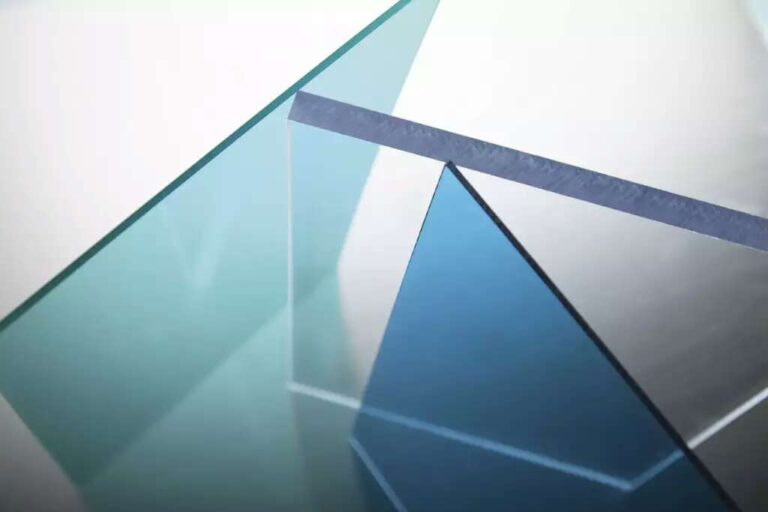
Polycarbonate sheets are approximately 250 times stronger than glass and 30 times stronger than acrylic. While glass shatters into sharp, dangerous fragments upon impact, PC sheets absorb impact energy and remain intact. This makes polycarbonate the ideal choice for safety-critical applications such as school windows, bank security glazing, public transportation shelters, and family balconies. In typhoon-prone regions like Southeast Asia, this impact resistance directly protects both property and lives. PC sheets also meet stringent safety standards including UL 972 for burglar-resistant glazing and comply with building codes requiring impact-safe materials.
2. Lightweight and Easy to Handle
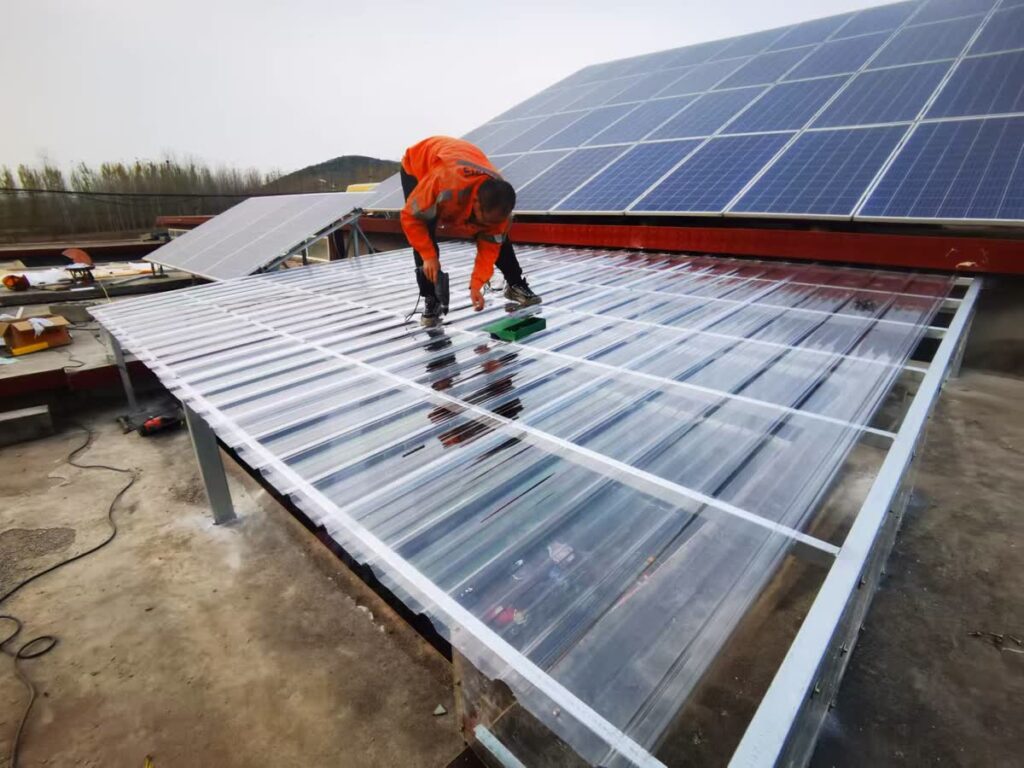
Polycarbonate weighs only half as much as glass of the same thickness. This significant weight reduction translates into lower transportation costs, reduced labor requirements during installation, and decreased structural load on buildings. For large-area applications such as roofing, stadium canopies, and greenhouse covers, the lightweight nature of PC sheets makes handling and installation far simpler and safer than working with heavy glass panels. Installation teams can carry and position PC panels without heavy lifting equipment, reducing overall project costs and timelines.
3. Excellent UV Protection
High-quality polycarbonate sheets feature a co-extruded UV protective layer that blocks up to 99% of harmful ultraviolet rays. Unlike glass, which offers minimal UV protection and can contribute to fading of interior furnishings, PC sheets protect both people and property from UV damage. The UV layer also prevents yellowing and degradation of the sheet itself, ensuring that PC panels maintain their clarity and mechanical properties for 10 to 15 years or more of continuous outdoor exposure. This long-term UV stability is a critical advantage for greenhouse agriculture, where consistent light quality directly affects crop yields.
4. Outstanding Thermal Insulation
Multiwall hollow polycarbonate sheets offer exceptional thermal insulation performance, reducing heat transfer by 40% to 60% compared to single-pane glass. The multi-layer structure traps air between walls, creating an effective thermal barrier. In hot climates, this helps keep buildings cooler and reduces air conditioning energy consumption. In colder regions, it minimizes heat loss through windows and skylights. The U-value of multiwall PC sheet (typically 2.0-3.0 W/m²K) is significantly better than single-pane glass (5.7 W/m²K), making PC sheets far more energy-efficient in most building applications.
5. High Light Transmission
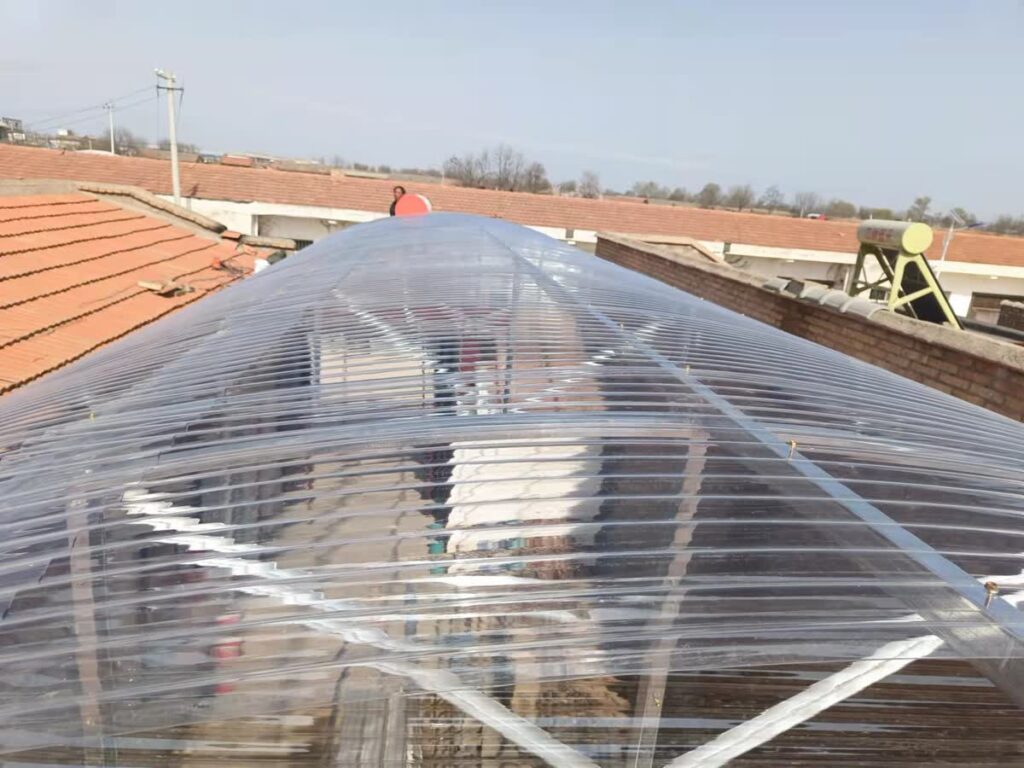
Clear polycarbonate sheets achieve light transmittance of 82% to 92%, which is remarkably close to glass. This means buildings, greenhouses, and carports can enjoy abundant natural lighting without sacrificing durability or protection. Unlike glass, which can create harsh glare and hot spots, PC sheets diffuse light more evenly, creating a comfortable illuminated environment. Various grades are available with different transparency levels to suit specific application needs, from ultra-clear architectural panels to diffused light sheets for controlled agriculture environments.
6. Sound Insulation Performance
Multiwall polycarbonate sheets provide excellent acoustic insulation, reducing noise transmission by 20 to 35 decibels. This makes PC sheets ideal for highway sound barriers, airport noise walls, railway soundproofing, and residential area fencing. Glass, while offering some sound reduction, is heavier, more expensive to install in large-scale barrier applications, and poses safety risks in high-traffic locations. The combination of sound insulation and impact resistance makes polycarbonate the preferred material for noise barriers worldwide.
7. Flexible Processability
Polycarbonate sheets can be easily cut, drilled, cold-bent, and thermoformed into curved surfaces and special shapes without cracking or breaking. This design flexibility allows architects and builders to create complex structures, curved roofs, domed skylights, and custom-fabricated components that would be extremely difficult or impossible with glass. Glass requires factory-level precision cutting and specialized equipment, and any attempt to modify it on-site risks breakage. PC sheets can be worked with standard construction tools, enabling on-site customization that significantly reduces project delays and costs.
8. Excellent Weather Resistance
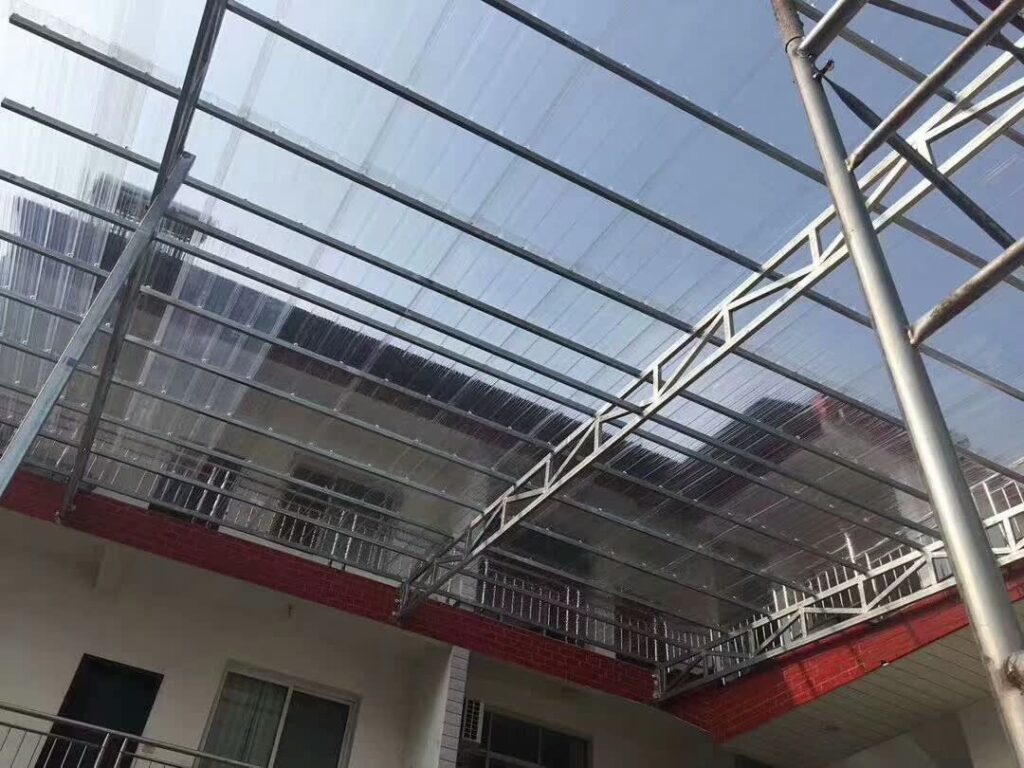
Polycarbonate sheets perform reliably across an extremely wide temperature range, from -40 degrees C to +120 degrees C. This makes them suitable for use in virtually any climate, from the freezing winters of Northern Europe to the scorching summers of the Middle East. Glass is prone to thermal stress and can self-explode under extreme temperature differentials, especially when containing nickel sulfide inclusions. PC sheets expand and contract with temperature changes without structural failure, providing long-term reliability in all weather conditions including heavy snow loads and high winds.
9. Low Maintenance Costs
Polycarbonate sheets require minimal maintenance over their lifespan. They are resistant to scratching, staining, and chemical corrosion. Simple cleaning with water and mild soap is sufficient to maintain their appearance. Unlike glass, which may require specialized cleaning products to prevent etching or streaking, PC sheets are forgiving of standard cleaning methods. Their durability means fewer replacements and lower lifetime costs, especially in applications where glass would need frequent replacement due to breakage.
10. Overall Cost-Effectiveness
When all factors are considered including material cost, transportation, installation labor, structural requirements, energy efficiency, maintenance, and replacement frequency, polycarbonate sheets offer superior value compared to glass. While the upfront cost of PC sheets may be comparable to or slightly higher than standard glass for some applications, the total cost of ownership is significantly lower. Reduced breakage losses, energy savings from better insulation, lower insurance premiums due to safety ratings, and extended service life all contribute to the economic advantage of polycarbonate over glass.
Why Choose Jietai Polycarbonate Sheets
Jietai Manufacturing has been producing premium polycarbonate sheets for over 15 years, serving customers in more than 30 countries worldwide. Our PC sheets feature genuine co-extruded UV protection on both sides, consistent quality control throughout the production process, and competitive factory-direct pricing. We offer a complete range of solid, multiwall, and corrugated polycarbonate sheets in various thicknesses, colors, and custom sizes. All products come with comprehensive warranties and our technical team is available to support your project from specification through installation. Contact us today for samples, technical data sheets, or a customized quotation for your next project.