Introduction
Solid and hollow polycarbonate sheets are the two most common types of polycarbonate panels used in construction and industrial applications. While both are made from the same basic material — polycarbonate resin — their structural designs differ dramatically, resulting in very different performance characteristics. Choosing the right type directly affects your project’s durability, thermal efficiency, cost, and overall success. This guide provides a detailed comparison to help you make an informed decision.
Key Features and Benefits
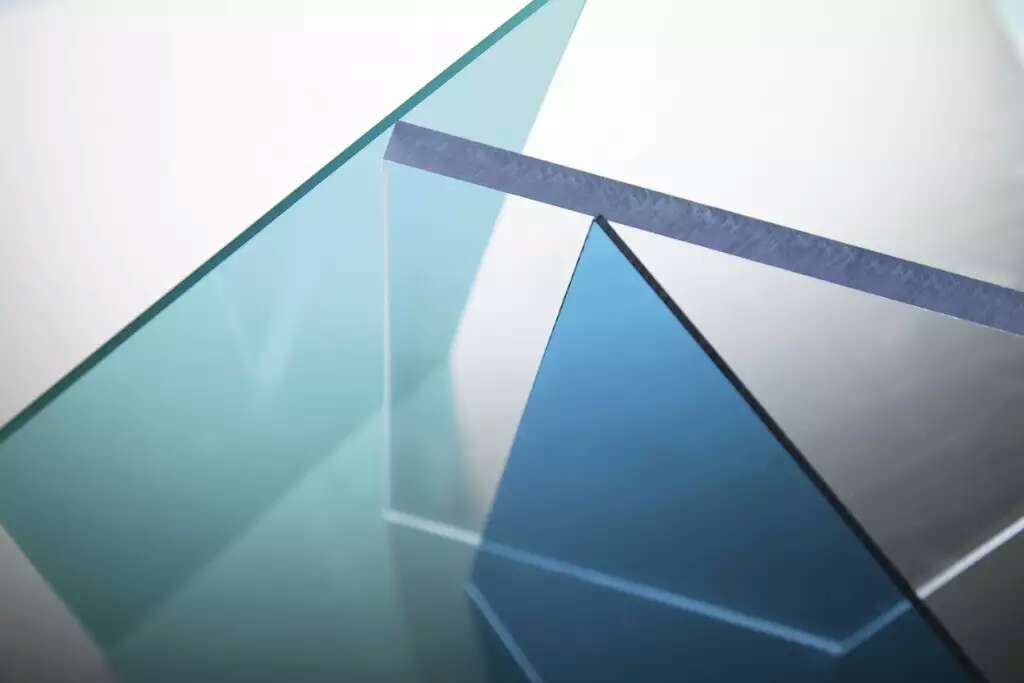
Solid Polycarbonate Sheets
Solid polycarbonate sheet is a single-layer flat panel with high transparency, ultra-high impact resistance (250 times stronger than glass), and excellent rigidity. It is virtually unbreakable under normal conditions and offers superior weather resistance with UV protection. Solid sheets are ideal for applications requiring maximum strength and clarity, such as security glazing, bank barriers, machine guards, and balcony enclosures. They are available in thicknesses from 2mm to 20mm and come in clear, bronze, blue, milky white, and other colors.
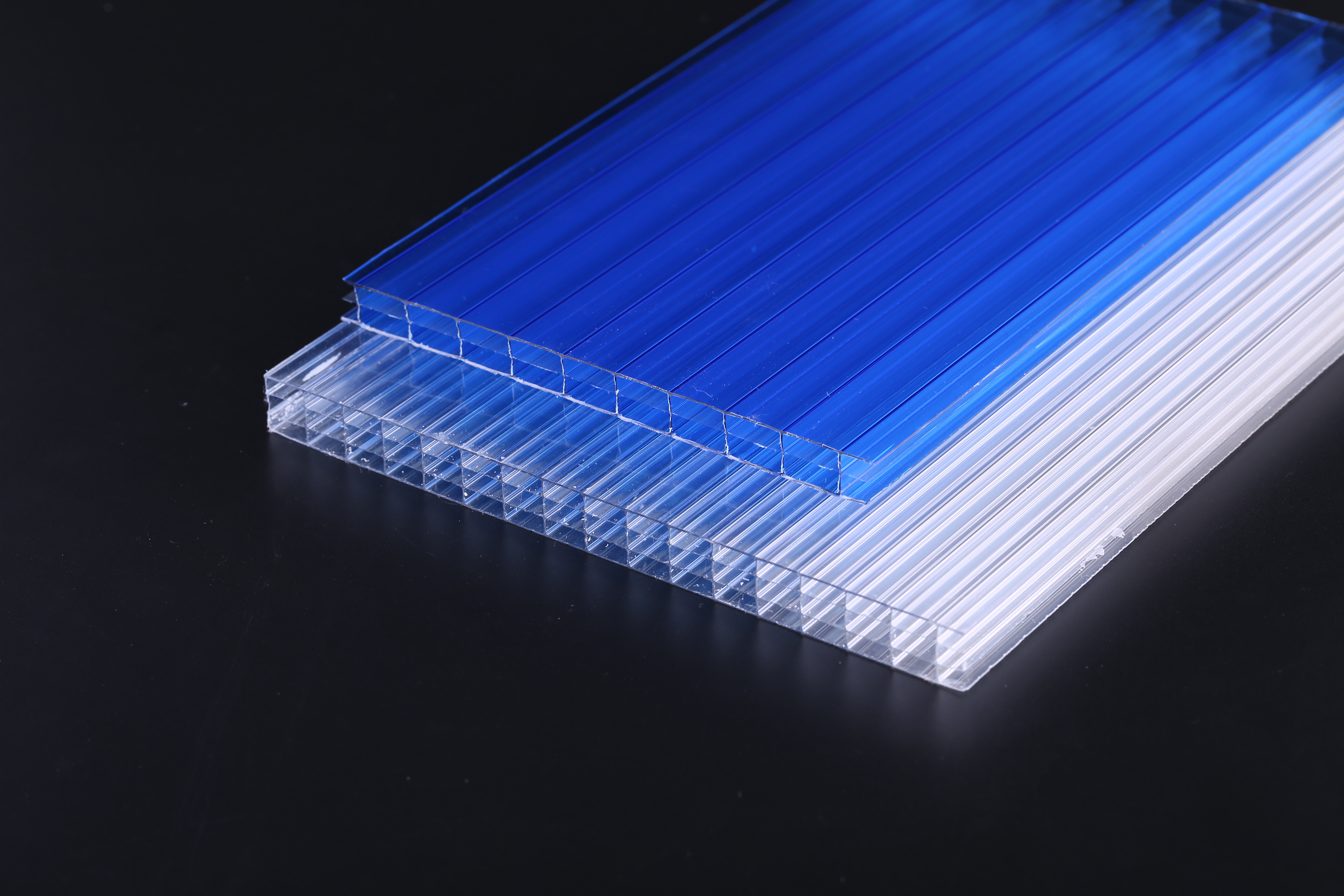
Hollow (Multiwall) Polycarbonate Sheets
Hollow polycarbonate sheet, also known as multiwall or twin-wall polycarbonate, features a multi-layer hollow structure with internal ribs that provide strength while keeping the panel lightweight. This design offers excellent thermal insulation (comparable to double-glazed glass), diffused light transmission, and significant cost savings. Hollow sheets are the preferred choice for roofing, canopies, carports, greenhouses, and noise barriers. They are available in thicknesses from 4mm to 16mm, with 2-wall, 3-wall, and 4-wall configurations.
Performance Characteristics: Solid vs Hollow Comparison
| Property | Solid PC Sheet | Hollow PC Sheet |
|---|---|---|
| Impact Resistance | ★★★★★ Excellent (250× glass) | ★★★★ Very Good (200× glass) |
| Light Transmission | 85-90% (clear) | 75-82% (clear) |
| Thermal Insulation (U-value) | 3.5-4.0 W/m²K | 2.5-3.2 W/m²K |
| Weight | Heavy (2.4 kg/m² per mm) | Light (0.8-1.5 kg/m²) |
| Cost | Higher | Lower |
| Rigidity | Very High | Moderate |
| Sound Insulation | Good | Better (hollow chambers dampen noise) |
| UV Protection | Co-extruded UV layer | Co-extruded UV layer |
When choosing between solid and hollow polycarbonate, consider your project’s priorities. If maximum strength and clarity are critical, go with solid sheets. If thermal insulation, weight savings, and budget are more important, hollow sheets are the better choice.
Common Applications
Solid PC Sheet Applications: Security windows and bank teller barriers, sound barriers along highways, machine safety guards, architectural glazing, storm shutters, skylight glazing, and balcony railings.
Hollow PC Sheet Applications: Greenhouse roofing and walls, carport and canopy roofing, skylights and atriums, swimming pool enclosures, patio roofs, agricultural buildings, and decorative partitioning.
Conclusion: Which One Should You Choose?
In summary, both solid and hollow polycarbonate sheets have their place in construction. For maximum security, clarity, and load-bearing strength — choose solid PC sheets. For thermal insulation, light weight, and cost-effective large-area roofing — choose hollow multiwall PC sheets. At Jietai, we manufacture both types with strict quality control, co-extruded UV protection, and competitive factory-direct pricing. Contact us today for expert advice and a free quote for your project.