Introduction
Introduction to Why Choose Multiwall Polycarbo
For greenhouse growers and agricultural businesses worldwide, choosing the right covering material is critical to maximizing crop yield, reducing energy costs, and ensuring long-term durability. While traditional materials like glass and single-layer plastic have been used for decades, multiwall polycarbonate sheets have emerged as the preferred choice for modern greenhouses. Lightweight, shatterproof, and thermally efficient, they address the key pain points of greenhouse operation—from temperature control to UV protection. In this article, we’ll break down the top reasons why multiwall polycarbonate sheets are the ideal investment for your greenhouse, tailored for buyers and procurement teams seeking reliable, cost-effective agricultural solutions. Superior Thermal Insulation Saves Energy & Stabilizes Temperature
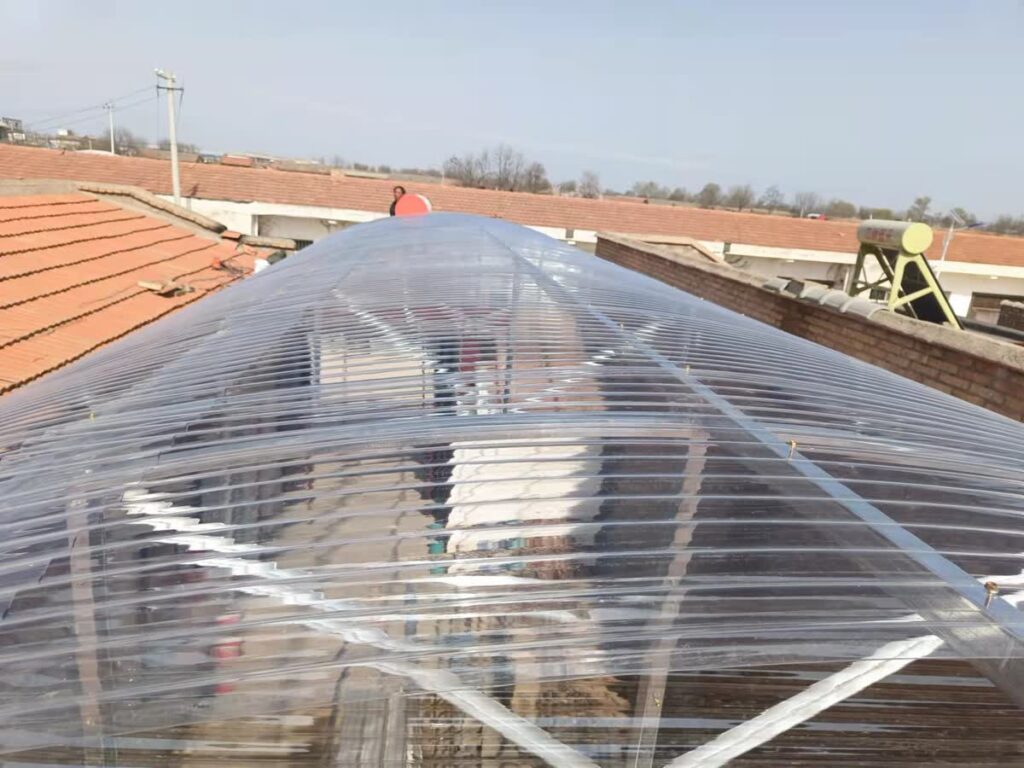
One of the biggest challenges in greenhouse management is maintaining a consistent internal temperature, especially in regions with extreme hot or cold weather. Multiwall polycarbonate sheets solve this with their unique internal structure—twin-wall, triple-wall, or honeycomb layers create air pockets that act as natural insulation barriers. Air is a poor conductor of heat, so these pockets reduce heat transfer between the inside and outside of the greenhouse. Compared to single-layer plastic (which offers almost no insulation) and glass (which conducts heat easily), multiwall polycarbonate sheets lower the U-value (a measure of heat loss) to 1.8-2.5 W/(m²·K) (depending on thickness). This means less energy is needed for heating in winter and cooling in summer, cutting your energy bills by 30-40% over time.
Key Features and Benefits
For commercial growers, this translates to significant cost savings and more stable growing conditions for temperature-sensitive crops like tomatoes, herbs, and flowers. Excellent Light Transmission & UV Protection
Crop growth depends on high-quality light, and multiwall polycarbonate sheets deliver exceptional light transmission—80-90%, nearly matching glass. Unlike single-layer plastic, which yellows and becomes brittle over time, multiwall polycarbonate is equipped with a co-extruded UV protective layer (80μm thick) that blocks 99% of harmful UV radiation. This dual benefit is critical: the UV layer prevents crop damage (such as leaf burn and stunted growth) while protecting the sheet itself from degradation. The sheets remain transparent for 10-15 years, ensuring consistent light penetration for your crops. Additionally, the diffused light effect of multiwall structures eliminates hot spots, distributing light evenly across the greenhouse and promoting uniform crop growth—no more uneven ripening or shaded areas. Shatterproof & Durable, Reducing Maintenance Costs
Greenhouses are exposed to harsh weather—hail, strong winds, and falling debris can easily damage fragile materials like glass. Multiwall polycarbonate sheets are 250 times more impact-resistant than glass and 10 times more than single-layer plastic. They won’t shatter into dangerous shards, reducing the risk of crop damage and injury to workers.
Performance Characteristics
These sheets are also resistant to corrosion, chemical damage (from fertilizers and pesticides), and extreme temperatures (ranging from -40°C to 120°C). Unlike plastic films that need to be replaced every 1-2 years, multiwall polycarbonate has a lifespan of 10-15 years with minimal maintenance. You’ll spend less time and money on replacements and repairs, allowing you to focus on growing your crops. Lightweight & Easy to Install
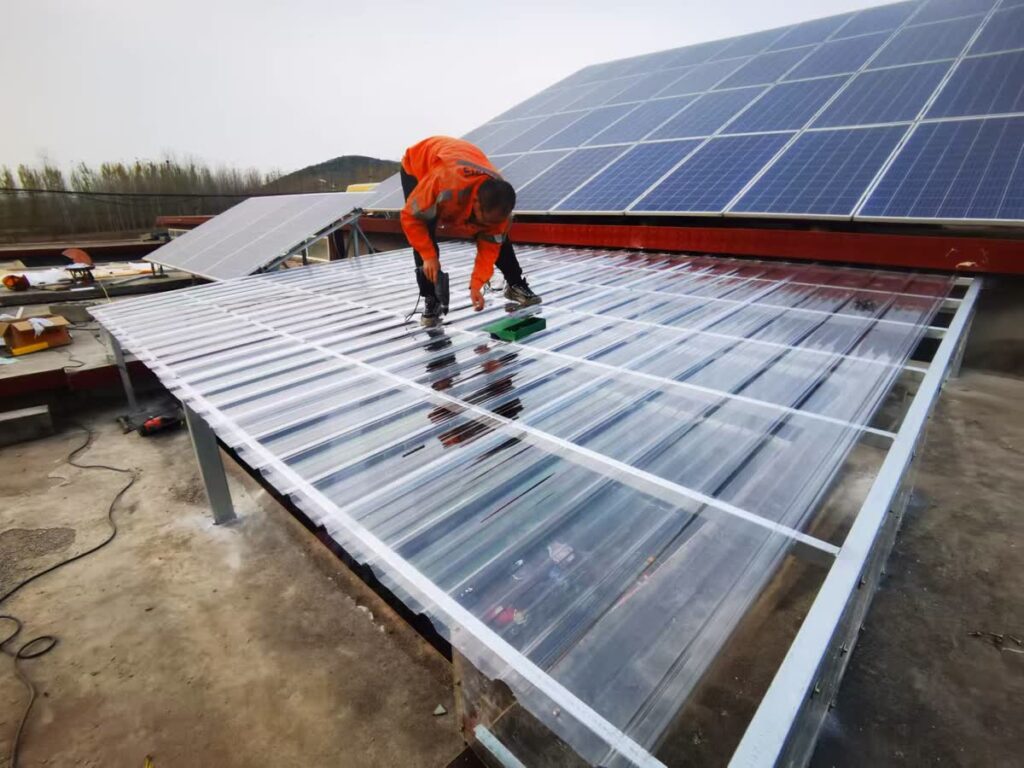
Glass is heavy and requires a robust, expensive frame to support its weight—adding to the overall cost of greenhouse construction. Multiwall polycarbonate sheets are 50% lighter than glass, meaning you can use a lighter, more cost-effective frame (such as aluminum or steel). This reduces construction time and labor costs, making it easier to expand or modify your greenhouse as your business grows. The sheets are also easy to cut, drill, and install without specialized tools. Most come with pre-drilled holes and interlocking edges, ensuring a tight, weatherproof seal. Whether you’re building a new greenhouse or retrofitting an existing one, multiwall polycarbonate simplifies the installation process and gets your greenhouse up and running faster.
Common Applications
Cost-Effective in the Long Run
While multiwall polycarbonate sheets may have a higher initial cost than single-layer plastic, their long lifespan and energy savings make them far more cost-effective over time. Let’s break it down: a single-layer plastic film costs less upfront but needs replacement every 1-2 years, plus higher energy costs. Glass has a long lifespan but is expensive to install, heavy, and prone to breakage. Multiwall polycarbonate combines the best of both worlds: low maintenance, long lifespan, and energy efficiency. Over 5 years, it typically saves growers more than the initial cost difference compared to other materials. For commercial agricultural businesses, this long-term value is a key reason to choose multiwall polycarbonate for greenhouses. Environmentally Friendly & Sustainable
Sustainability is a growing concern for agricultural businesses worldwide, and multiwall polycarbonate sheets align with eco-friendly practices. They are made from 100% recyclable materials, reducing plastic waste. Their energy efficiency also lowers carbon emissions from heating and cooling, helping you reduce your environmental footprint.
Why Choose Jietai
Additionally, the long lifespan of multiwall polycarbonate means fewer replacements, further reducing waste. For growers looking to adopt sustainable practices without sacrificing performance, multiwall polycarbonate is an ideal choice. Why Multiwall Polycarbonate Beats Other Greenhouse Materials
To help you make an informed decision, here’s a quick comparison of multiwall polycarbonate with other common greenhouse covering materials:
Glass: High light transmission but heavy, brittle, expensive to install, and poor insulation. Single-layer Plastic Film: Low cost but short lifespan (1-2 years), no insulation, and prone to yellowing/breakage. Acrylic: Good light transmission but less impact-resistant than polycarbonate and more expensive. Choose the Right Multiwall Polycarbonate for Your Greenhouse
Multiwall polycarbonate sheets are available in different thicknesses (6mm-25mm) and structures (twin-wall, triple-wall, honeycomb) to suit your specific needs. For cold regions, thicker triple-wall sheets offer better insulation; for warm regions, twin-wall sheets balance insulation and light transmission. At [Your Company Name], we offer high-quality multiwall polycarbonate sheets tailored for greenhouses. All our products meet international standards (ASTM D3935, ISO 9001) and are manufactured with 100% virgin raw materials, ensuring durability and performance.