Introduction
Introduction to Comparison Between Solid Polyc
Solid polycarbonate (PC) sheets and traditional glass are mainstream transparent materials used in building lighting, equipment protection, and decoration. Both are light-transmitting and aesthetically pleasing but differ significantly in safety, durability, processability, and overall cost. This article simplifies their core differences to provide professional reference for accurate material selection.
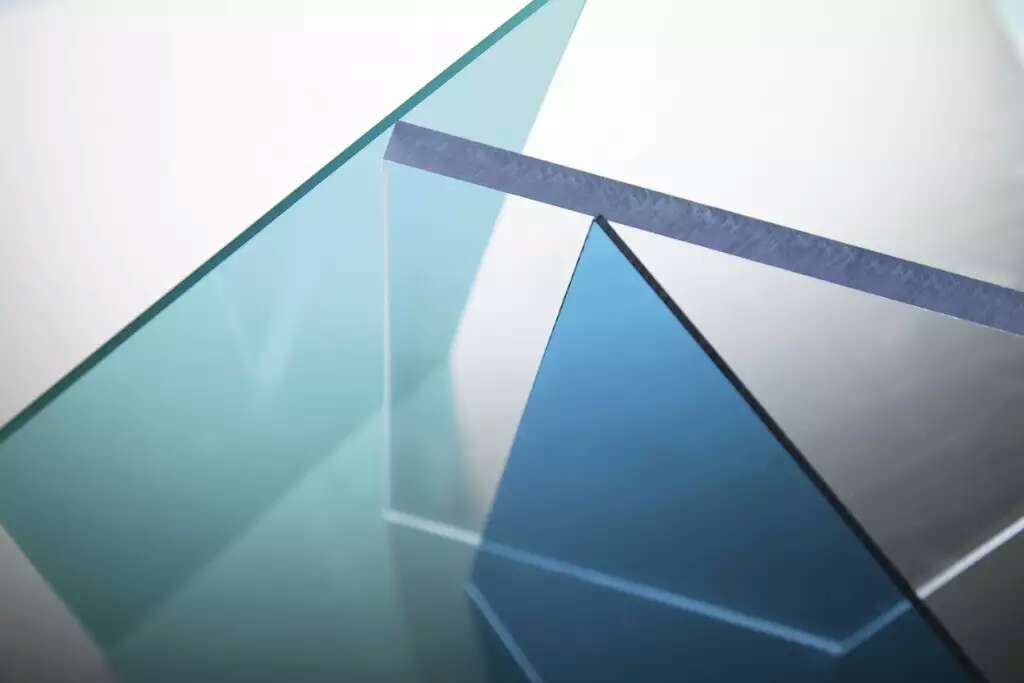
Key Features and Benefits
Core Difference 1: Material Nature and Structure
Material properties and structure determine their performance differences:
Solid PC sheets are high-performance thermoplastic engineering plastics made from polycarbonate resin via extrusion. They have a solid, pore-free structure, are colorless, tasteless, and non-toxic, and high-quality products feature a UV protective layer for enhanced weather resistance[1][4]. Traditional glass is an inorganic non-metallic material produced by melting quartz sand, soda ash, and limestone.
Performance Characteristics
It is transparent but hard and brittle, lacks UV protection, and cannot be flexibly processed—even when tempered[2][5]. Core Difference 2: Key Performance Comparison
A simplified comparison of their key performances is provided below:
Performance DimensionSolid Polycarbonate (PC) SheetsTraditional GlassImpact Resistance (Safety)Extremely tough and impact-resistant (250–300 times that of ordinary glass), with no sharp fragments when broken[1][5].Brittle and easy to break, producing sharp fragments; tempered glass still poses safety risks[2][5].Weather ResistanceExcellent, UV-resistant, able to withstand temperatures from -40℃ to 120℃, with a service life of 15–25 years[1][4].Poor, prone to yellowing and aging, with a service life of 5–8 years[2][5].Light Transmittance88%–92%, with soft light and slow transmittance attenuation[1][4].Approximately 90%, with strong glare and significant transmittance decline over time[2][5].Weight & InstallationLightweight (half the weight of glass), easy to transport and install, with low construction costs[1][4].Heavy, requiring solid support, with high construction difficulty and costs[2][5].ProcessabilityEasy to cut, bend, and splice, suitable for complex shapes[1][3].Difficult to process, cannot be bent, and limited to simple shapes[2][5].Overall CostHigher initial price but lower long-term costs (80% lower than glass over 15 years)[1][4].Lower initial price but higher long-term costs due to frequent replacement[2][5]. Core Difference 3: Application Scenarios
Solid PC sheets are suitable for high-safety, complex scenarios: building lighting roofs, sunrooms, equipment shields, stadiums, outdoor billboards, etc.[1][3][5].
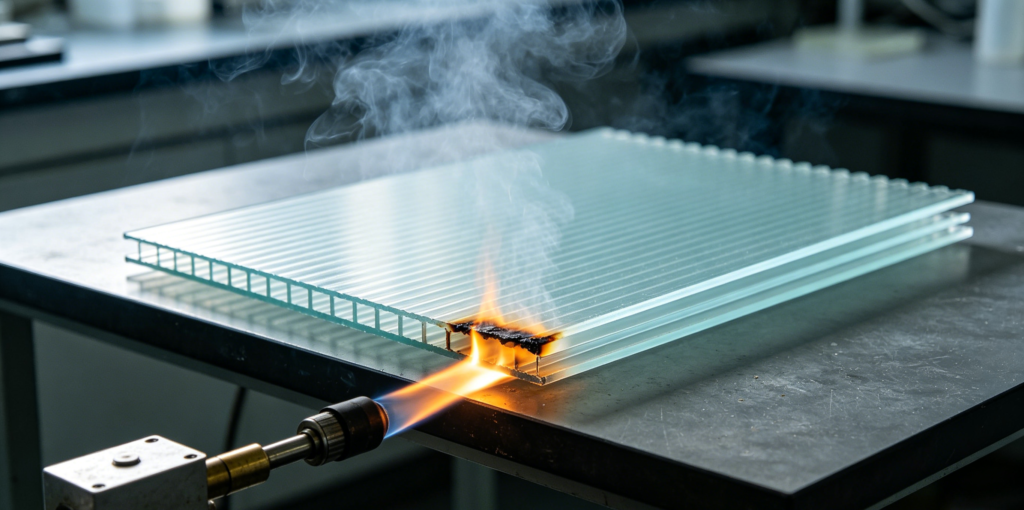
Common Applications
Traditional glass is suitable for conventional indoor scenarios with low requirements: interior doors/windows, small display cabinets, etc.[2][5]. Purchasing Suggestions
Prioritize PC sheets for outdoor, high-altitude, or impact-prone scenarios; choose glass for indoor, low-budget scenarios[1][2][5]. Choose PC sheets for large-area installations or complex shapes; select glass for small, flat installations[1][2].
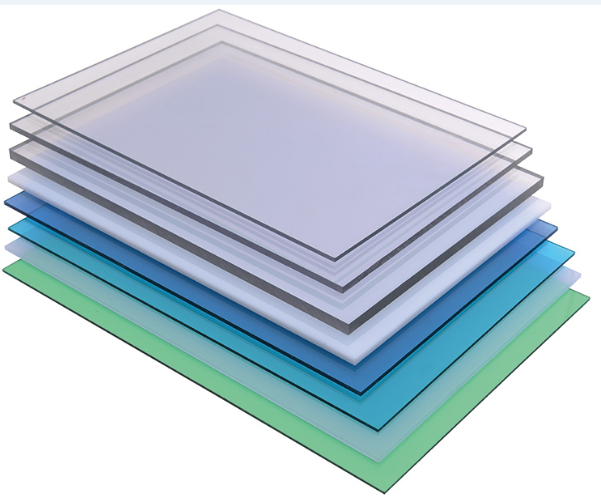
Why Choose Jietai
Opt for high-quality PC sheets (with a UV layer) for long-term use; choose glass for short-term applications[1][2][4]. Select regular manufacturers with test reports to avoid inferior products[1][2][5]. Conclusion
Solid PC sheets excel in safety, durability, and processability for high-demand scenarios, while glass is cost-effective for conventional indoor use.