Greenhouse growers know the problem well: on a cold morning, water droplets form on the underside of the roof and drip down onto the plants below. Besides being a nuisance, that dripping water can damage seedlings, spread disease and block light. Anti-drip (also called anti-condensation) coating on polycarbonate sheets is designed to stop exactly this. Here is how it works and whether it is right for your greenhouse.
Why Condensation Is a Problem in Greenhouses
Warm, moist air inside a greenhouse rises and hits the cooler roof panels. When it does, the water vapor condenses into droplets on the underside of the sheet. Without any treatment, those droplets grow until they are heavy enough to fall.
Dripping water causes three problems for growers:
- Plant damage: cold droplets landing on leaves and seedlings cause spotting and cold shock.
- Disease: standing moisture on foliage creates the humid conditions that fungal diseases need to spread.
- Light loss: water droplets scatter light unevenly, so crops grow less evenly.
How Anti-Drip Coating Works
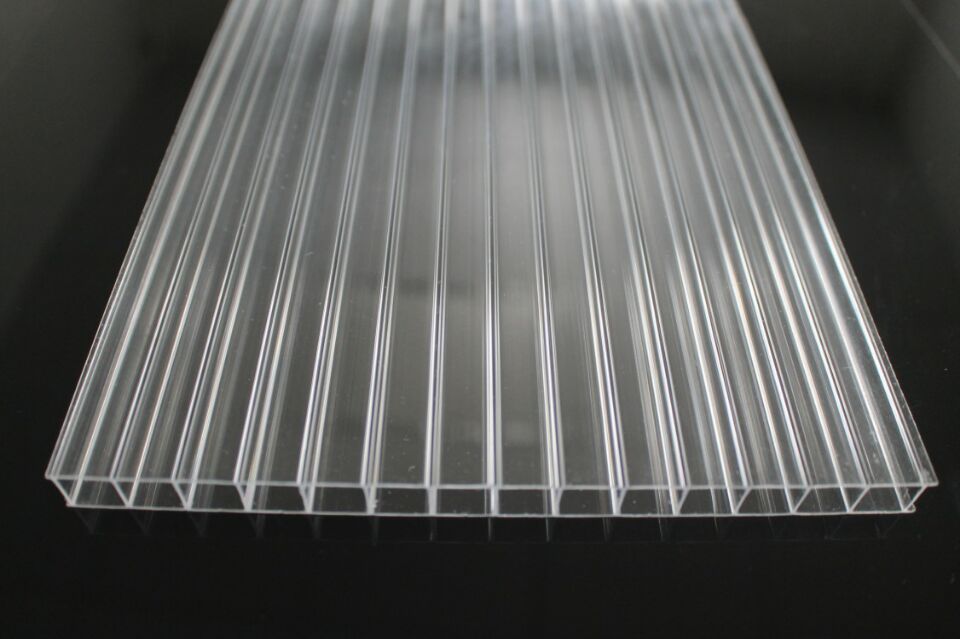
Anti-drip coating is a hydrophilic (water-loving) treatment applied to the inner surface of a multiwall polycarbonate sheet. Instead of letting water bead up into droplets, the coating lowers the surface tension so condensation spreads into a thin, even film.
That thin film stays on the panel and slides down the slope of the roof instead of falling onto the crops. The result is a drier growing area, more even light and healthier plants.
Multiwall sheets are naturally suited to this because their hollow channels add insulation, which reduces the temperature difference that causes condensation in the first place.
Which Sheets Carry Anti-Drip Coating
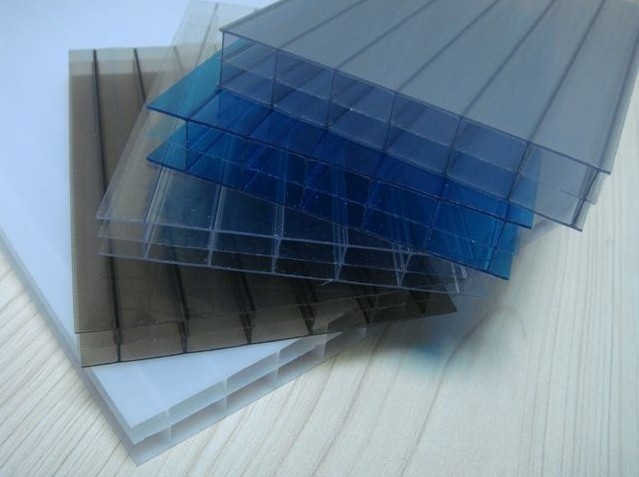
Anti-drip treatment is an optional add-on for multiwall polycarbonate sheets, most commonly in the 6 mm to 16 mm range used for greenhouse roofing. It is applied to one side of the sheet — the side that faces down into the greenhouse — so correct orientation during installation matters. If you plan to install anti-drip panels, tell your supplier so the coating is applied to the right face.
The coating is designed to last for the working life of the sheet and does not affect light transmission or insulation performance.
Is Anti-Drip Coating Worth It?
If you grow seedlings, flowers or disease-sensitive crops, anti-drip coating usually pays for itself. The situations where it helps most are:
- Greenhouses in humid climates where condensation is heavy
- Nurseries propagating young plants that are easily damaged
- Structures where dripping water would fall on walkways, equipment or displays
Frequently Asked Questions
Does anti-drip coating wear off?
A quality anti-drip coating is co-extruded or bonded to the sheet surface and is designed to last for the service life of the panel. Cheaper spray-on treatments may fade sooner, so it is worth confirming with your supplier how the coating is applied.
Can I add anti-drip coating to existing sheets?
After-market anti-drip sprays are available, but they need re-application and rarely perform as well as a factory-applied coating. For new builds, factory-coated sheets are the reliable option.
Does anti-drip coating reduce light transmission?
No. The coating is essentially invisible and does not measurably reduce the light that reaches your plants.
Choose the Right Sheet for Your Greenhouse
Anti-drip coating is one of several decisions that go into a good greenhouse roof — thickness, UV protection and support spacing all matter too. Contact our team for a quote and we will help you put together the right package for your climate and crops.