Introduction
Polycarbonate (PC) panels have become a staple in construction, industrial, and outdoor projects, thanks to their lightweight, high impact resistance, and superior light transmission. Yet, improper transportation often leads to avoidable damage—scratches, cracks, or deformation—that compromises product quality and drives up project costs. This practical guide simplifies the key steps, precautions, and type-specific tips for transporting PC panels, helping purchasers, logistics teams, and project managers ensure safe, intact delivery every time.
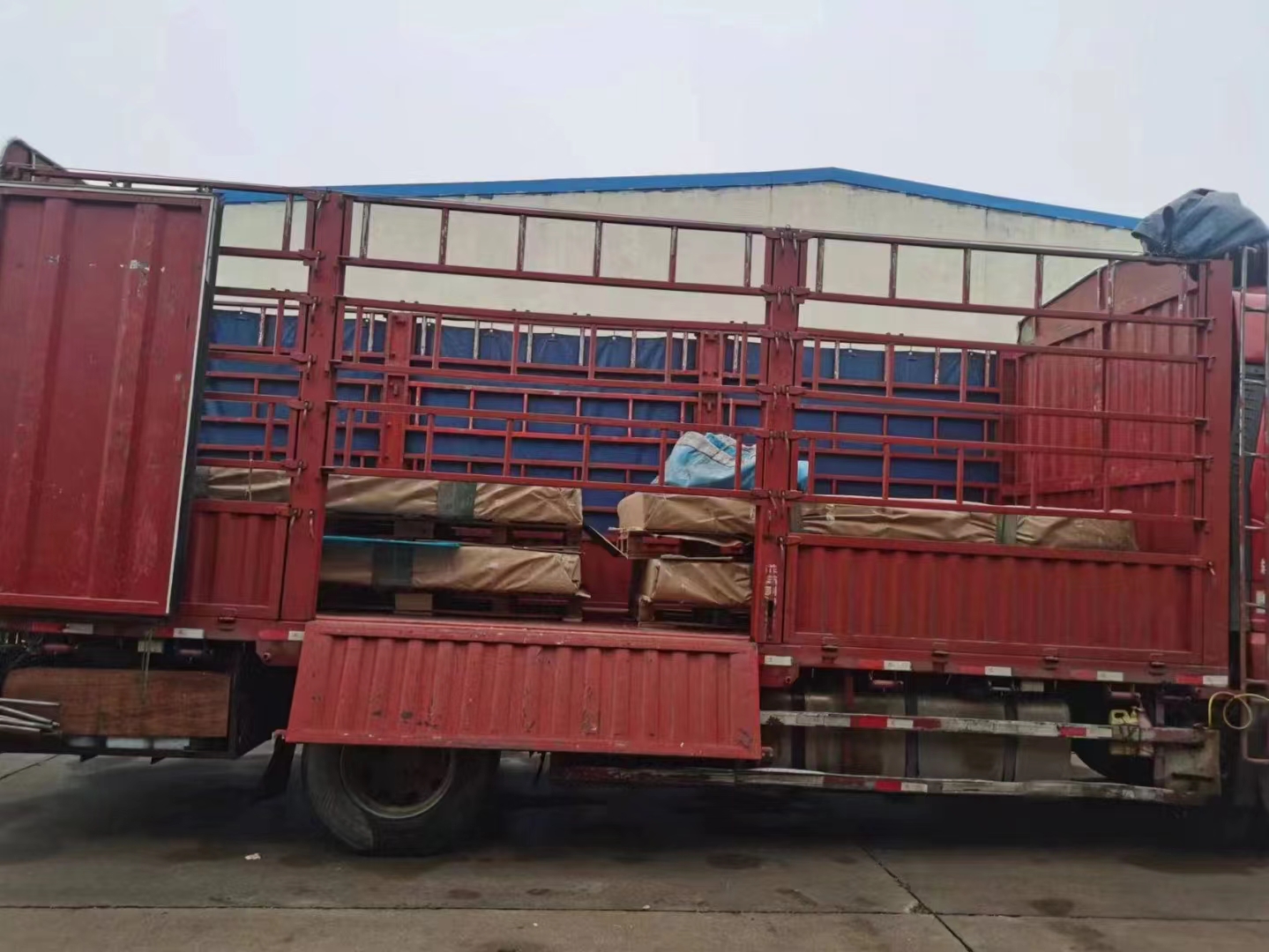
Pre-Transport: Packaging – Your First Line of Protection
The right packaging is critical to shielding PC panels from transit damage. Below are tailored tips for common panel types, plus universal best practices:
All Panels: Keep the original factory protective film intact to guard against scratches and dust. Wrap edges and corners with foam strips or rubber sleeves (the most vulnerable areas to impact). Stack panels flat, secure tightly with waterproof stretch wrap, and label packages clearly with “Fragile”, “Keep Flat”, and “Waterproof” to guide logistics teams.
Solid PC Panels: Use wooden pallets for stacking to avoid direct ground contact, which can cause moisture damage or scratches. Add extra padding between layers to prevent pressure indentation, as solid panels are prone to surface damage under heavy stacking.
Multi-wall PC Panels: Protect the hollow structure by avoiding over-squeezing—leave small gaps between stacks. Use rigid cardboard covers on both sides to prevent bending, which can compromise the panel’s thermal insulation and structural integrity.
Corrugated PC Panels: Stack along the corrugation direction to maintain shape. Use soft straps when securing, as hard straps can press into corrugated grooves and cause deformation.
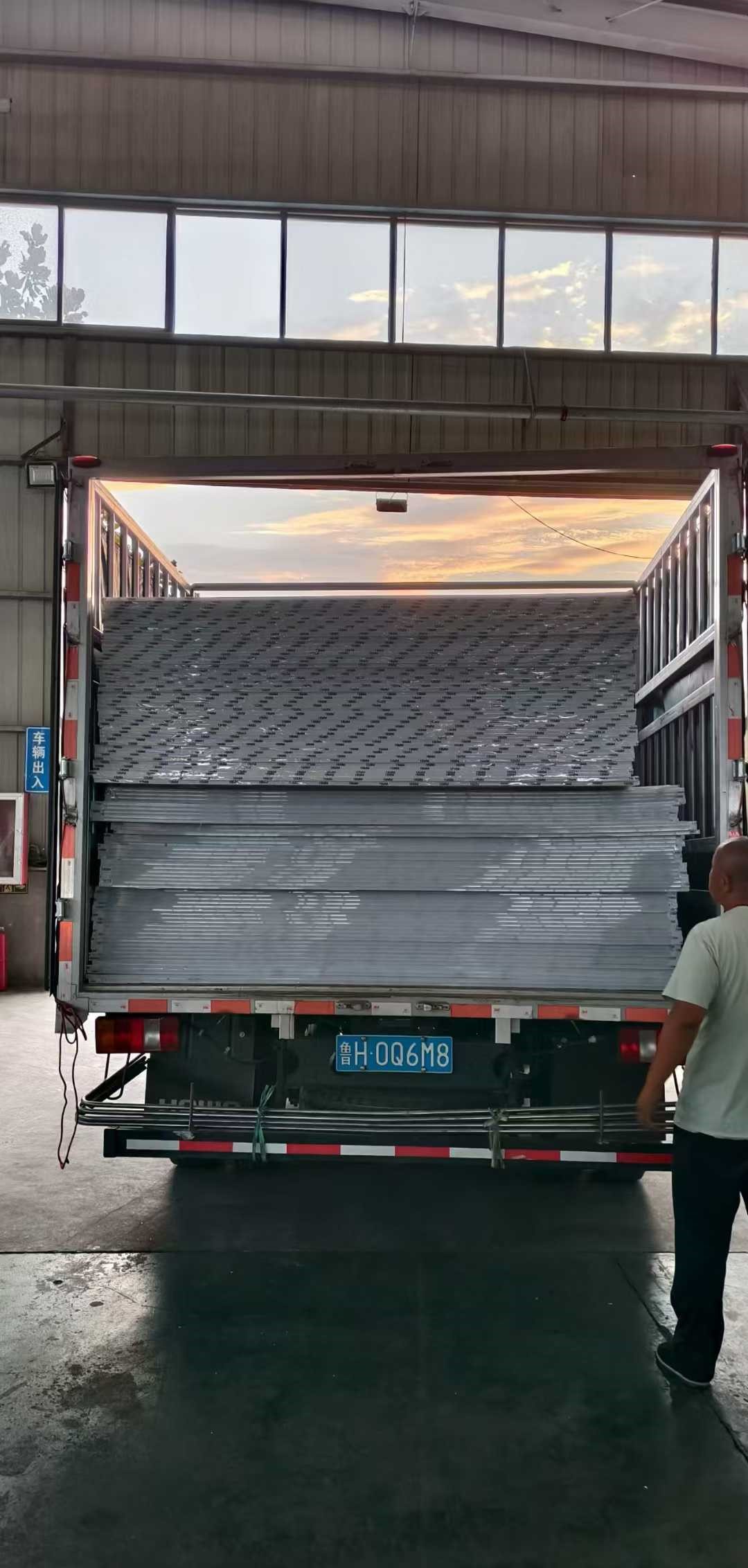
During Transport: Loading & Securing – Avoid Slips and Impacts
Proper loading and securement are essential to prevent panels from sliding, bending, or colliding during transit. Follow these key rules:
Load all PC panels horizontally—never vertically or at an angle. Vertical loading can cause bending, while oblique placement increases the risk of sliding. For panels longer than 6 meters, use a flatbed truck with fixed brackets to prevent sagging.
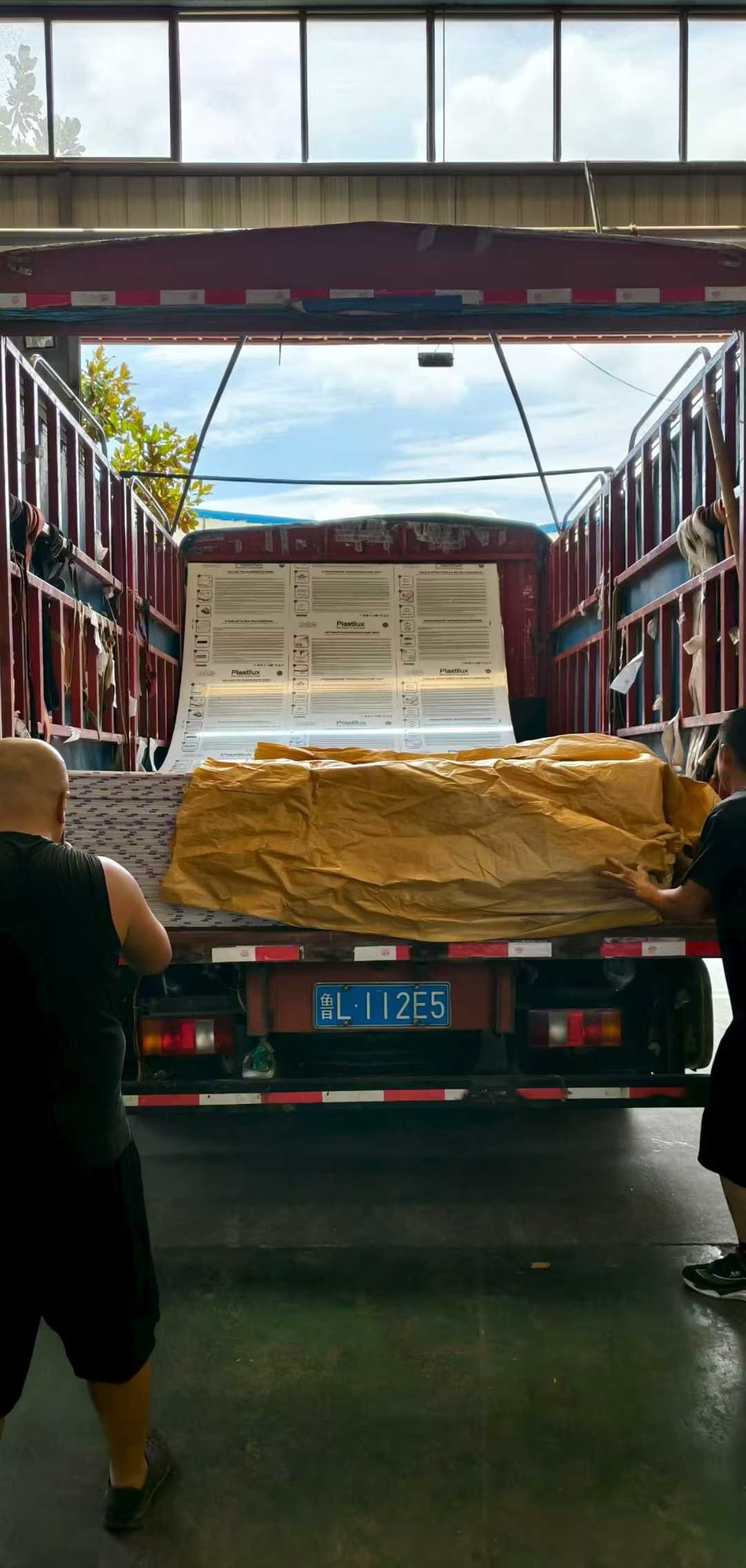
Never stack heavy goods on top of PC panels. For multi-wall and corrugated panels, limit stack height to 1.2 meters to avoid structural damage from excessive weight. Secure stacks with straps paired with soft rubber pads to prevent friction scratches. Keep straps tight enough to avoid movement, but not so tight that they damage panel edges.
Avoid transporting panels in extreme weather—heavy rain (risk of moisture damage) or temperatures above 60°C (risk of thermal deformation). Choose smooth, stable routes to minimize sudden acceleration, braking, or sharp turns, which can cause panels to shift.
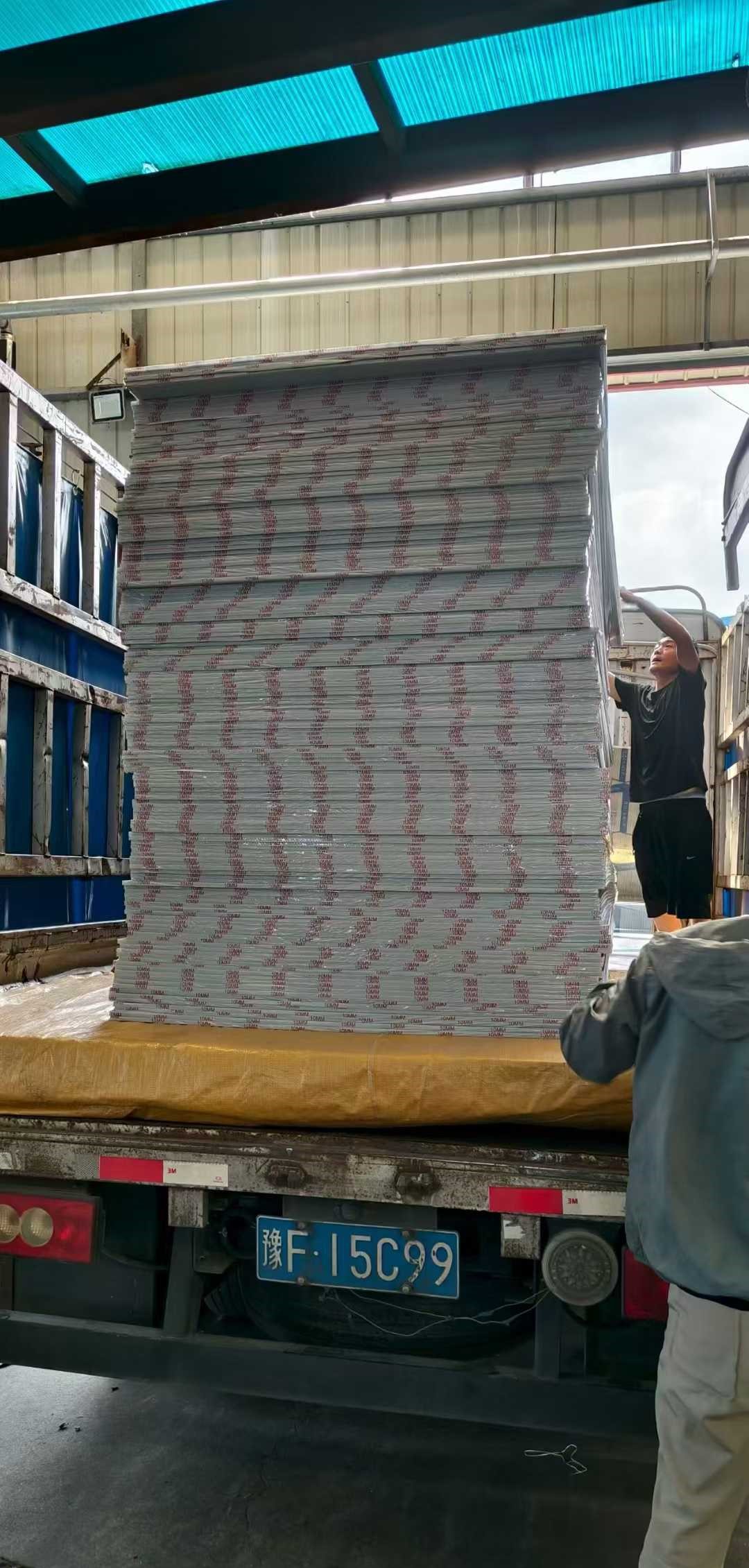
Post-Transport: Unloading & Inspection – Ensure Intact Delivery
The final step to safe transport is careful unloading and thorough inspection. Here’s how to do it right:
Use a forklift or crane with soft attachments for unloading. For small quantities, carry panels by the edges (never the surface) to avoid scratches. Never drag panels on the ground—this will damage both the surface and edges.
Inspect packaging first for tears, moisture, or signs of impact. Then, open packages and check each panel for scratches, cracks, or deformation. Document any damage immediately to resolve it with your supplier or logistics provider.
For temporary storage: Keep panels in a dry, shaded warehouse, laid flat on wooden pallets. Multi-wall and corrugated panels must stay flat to prevent sagging, which can ruin their structure.
Common Mistakes to Avoid
Many transit damages are caused by simple errors. Steer clear of these common pitfalls:
- Tearing off the protective film before transport (leaves panels vulnerable to scratches)
- Loading panels vertically or over-squeezing multi-wall/corrugated panels (causes bending or structural damage)
- Using hard straps directly on panel surfaces (leaves indentations or scratches)
- Transporting in extreme weather or on rough routes (increases impact and moisture risk)
- Dragging or dropping panels during unloading (damages edges and surfaces)
Conclusion
Transporting PC panels doesn’t have to be complicated—success lies in tailored packaging, standard loading, and careful handling, especially when dealing with different panel types. By following these simple, practical steps, you can avoid costly damage, protect product quality, and keep your projects on track.
With 20 years of experience in the polycarbonate panel industry, we offer one-stop solutions, including custom packaging, transport guidance, and reliable after-sales support. For personalized advice on your specific panel transport needs, reach out to our team today.
Disclaimer: This article is for general guidance only. Adjust transport methods based on panel size, quantity, and distance. For special panel specifications, consult a professional logistics provider for customized solutions.