What is Polycarbonate Sheet?
Polycarbonate sheet is a high-performance thermoplastic material known for its exceptional impact resistance, light weight, and optical clarity. Made from polycarbonate resin, this engineering plastic offers 250 times the impact strength of glass while weighing only half as much. Available in solid, hollow, and corrugated profiles, polycarbonate sheets are widely used in construction, agriculture, signage, and security applications worldwide.
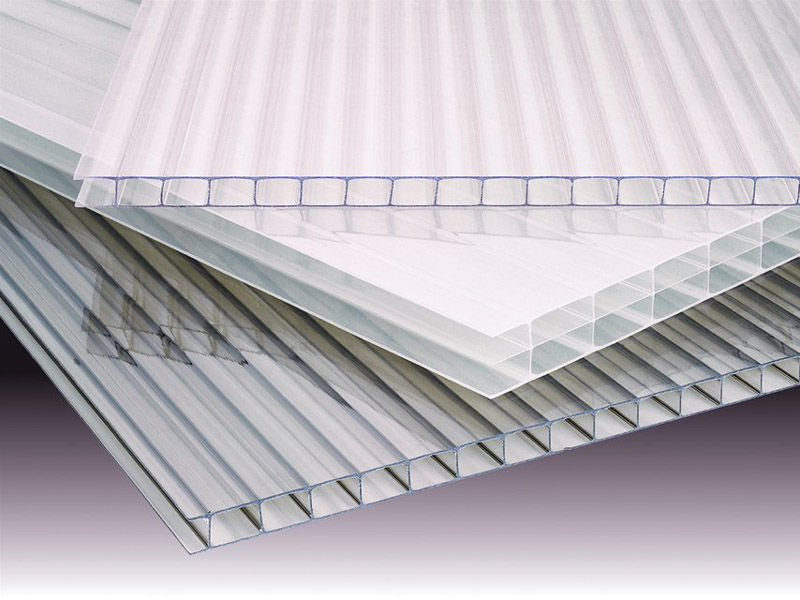
Key Properties of Polycarbonate Sheets
Polycarbonate sheets offer a unique combination of properties: impact resistance that exceeds glass and acrylic, high light transmission up to 90%, UV protection through co-extruded layers, fire resistance ratings of UL94 V-2 or B1, and excellent performance across a wide temperature range from -40°C to +120°C. These properties make PC sheets suitable for demanding environments where safety and durability are priorities.
Types of Polycarbonate Sheets
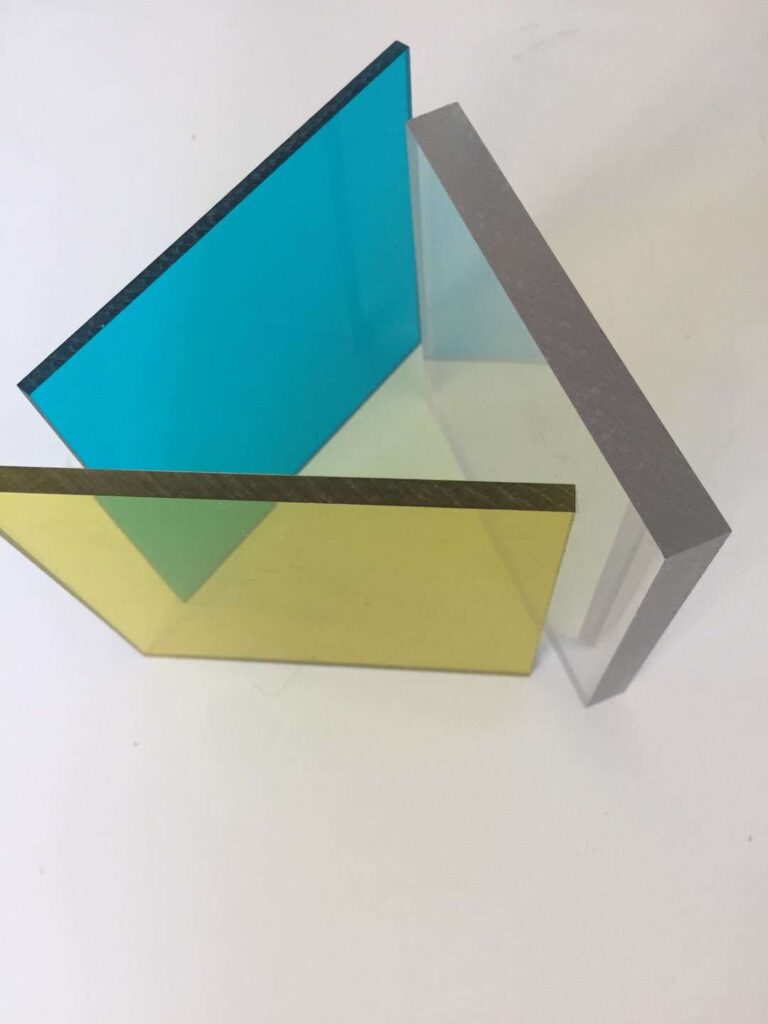
There are three main types of polycarbonate sheets: solid sheets (PC) for maximum strength and clarity, multiwall or hollow sheets (PC) for thermal insulation and light diffusion, and corrugated sheets (PC) for roofing applications. Each type serves specific purposes and is available in various thicknesses, colors, and surface finishes.
Common Applications
Polycarbonate sheets are used in skylights and roof glazing, greenhouse construction, security glazing for banks and buildings, sound barriers along highways, machine guards in factories, carports and patio covers, and advertising signage and lightboxes. The versatility of PC sheets makes them a preferred material across dozens of industries.
Advantages Over Traditional Materials
Compared to glass, polycarbonate sheets offer superior impact resistance, lighter weight, easier installation, and better insulation. Compared to acrylic, PC sheets provide higher impact strength, better fire resistance, and wider temperature tolerance. Compared to metal roofing, PC sheets allow natural light transmission while providing weather protection.
Why Choose Jietai Polycarbonate Sheets
Jietai is a leading manufacturer of polycarbonate sheets in China with over 15 years of production experience. Our factory-direct pricing, strict quality control, and custom cutting services ensure you get the best value. All our PC sheets come with co-extruded UV protection and comprehensive warranties. Contact us for samples, technical data, or bulk pricing.