Advertising light boxes and backlit signs do a hard job. They sit outdoors through sun, rain and wind, take knocks from crowds and shopping carts, and still have to deliver bright, even, readable light night after night. Solid polycarbonate sheet is the panel many sign makers reach for because it handles that workload without cracking, yellowing or losing its clarity. That is why it has become a standard material for bus stop light boxes, storefront sign faces, channel letters and illuminated displays.
Why Solid Polycarbonate Works for Light Boxes
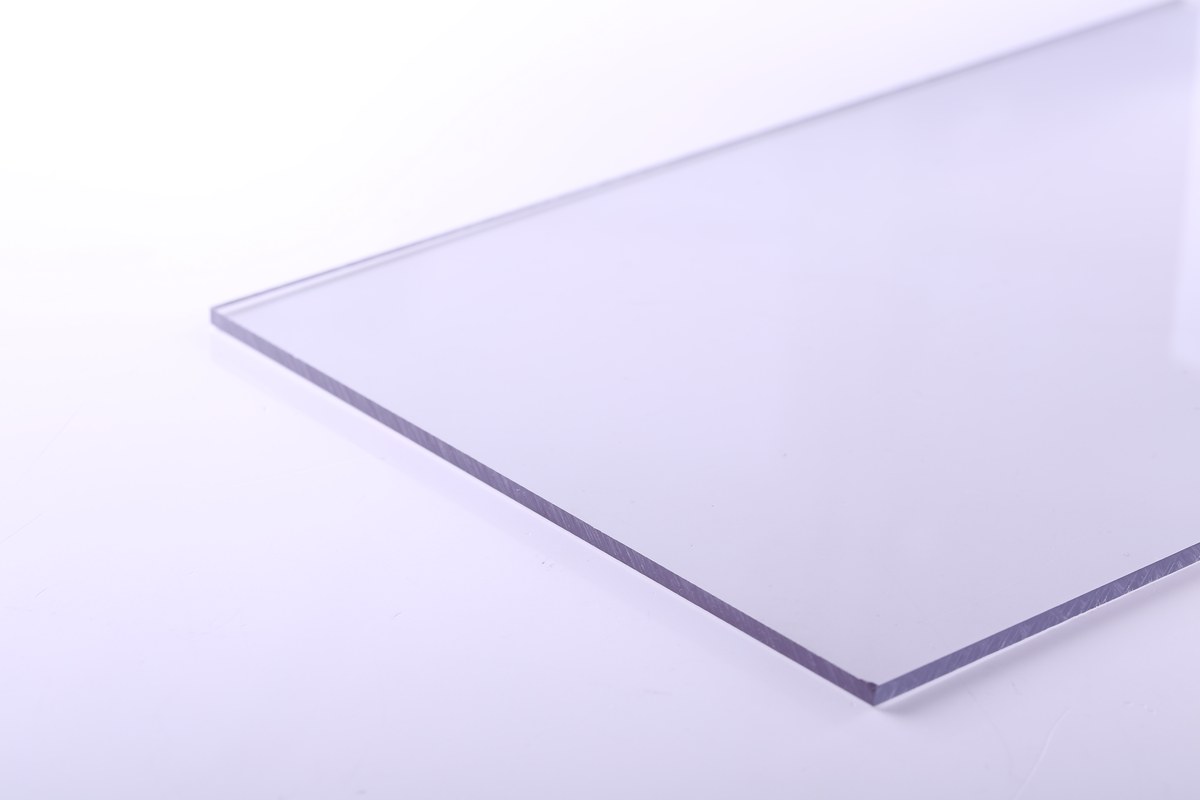
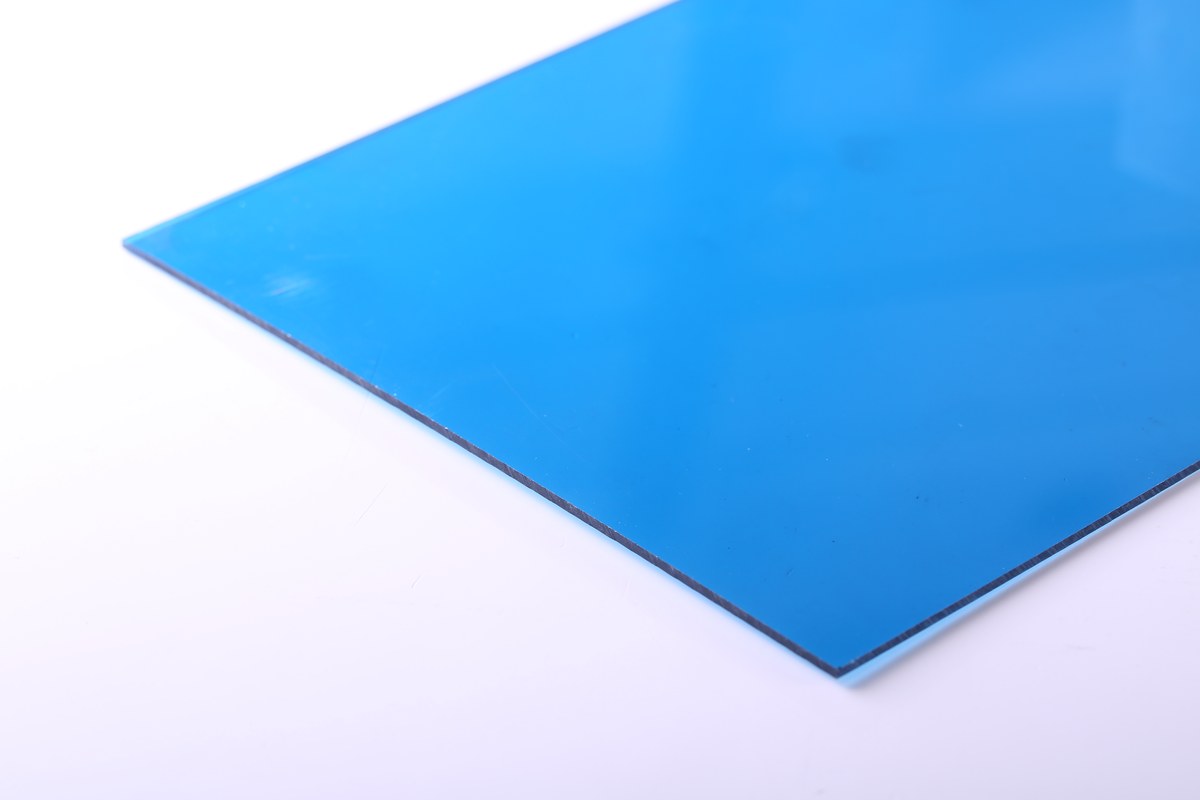
Light box panels need two things: strength and light handling. Clear solid polycarbonate is used for the front face because it is roughly 200 to 250 times more impact-resistant than glass, so a stray stone, a scooter handlebar or an attempted smash does not leave a shattered sign. Its surface stays optically clear for years, and a co-extruded UV layer on one or both sides stops the panel from yellowing under constant sunlight.
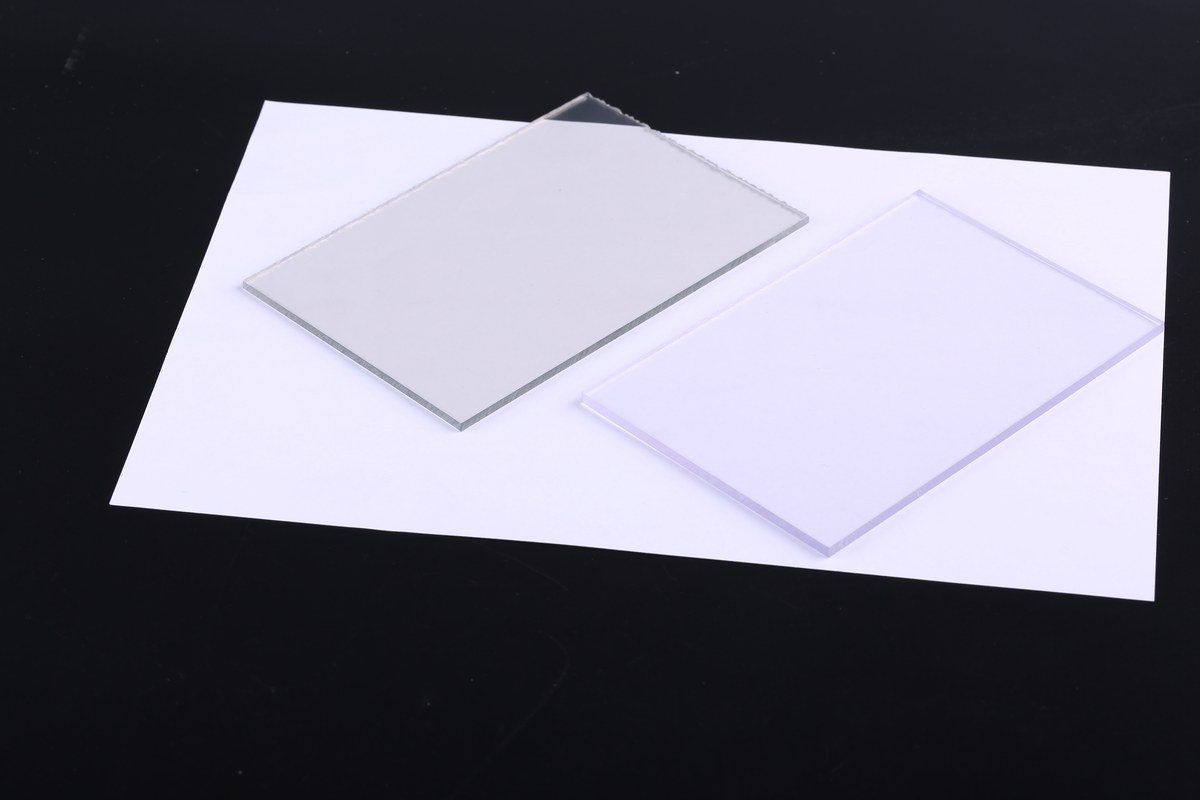
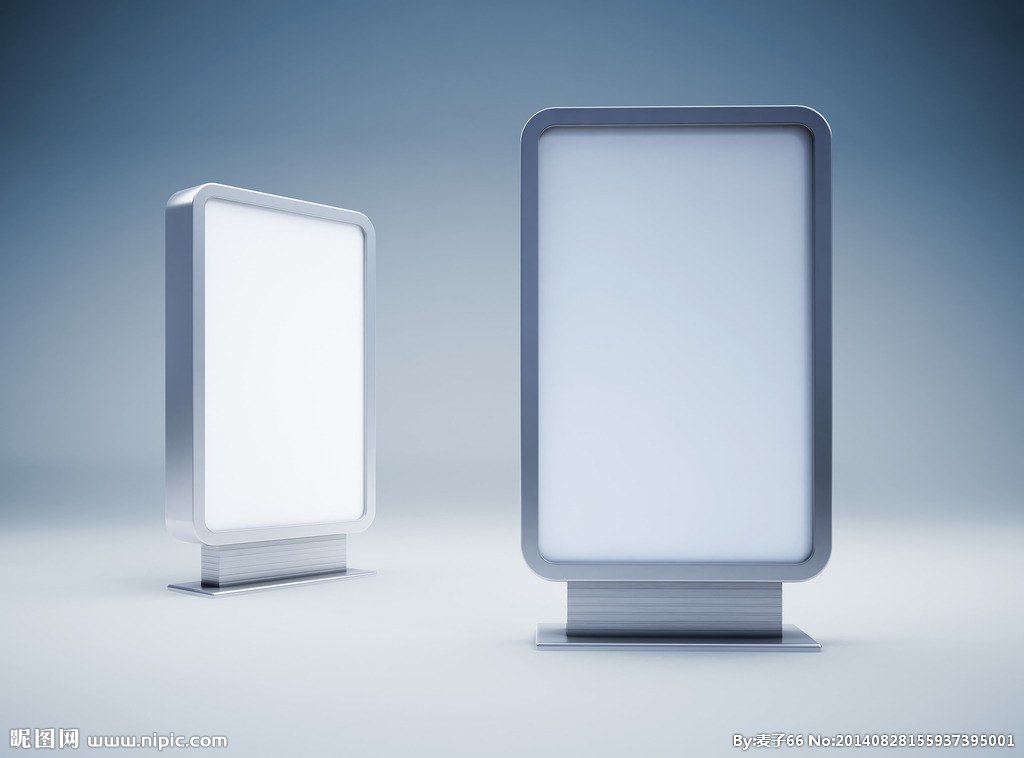
For the diffuser layer behind the graphics, opal and milky white polycarbonate spreads light evenly so individual LEDs and fluorescent tubes do not show through as bright spots. The result is a smooth, readable glow across the whole sign face, which is exactly what advertisers and municipal transit operators want from a light box.
Key Features
- Impact resistance 200-250x glass — survives knocks, hail and minor vandalism without shattering.
- Co-extruded UV protection — single- or double-sided UV layer keeps panels from yellowing outdoors.
- Up to 89% light transmission — clear grades let backlighting through with minimal loss.
- Opal and milky white diffuser grades — hide LED hotspots and produce an even, uniform glow.
- Lightweight — a fraction of glass weight, so frames and fixings can be simpler.
- Thermoformable — bends and forms for curved sign faces and channel letters.
Technical Specifications
| Thickness | 1, 1.5, 2, 3, 4, 5, 6, 8, 10, 12, 15, 20, 25, 30 mm |
| Width | 1220 / 1560 / 1820 / 2100 mm standard; custom up to 2500 mm |
| Length | 6 m standard; custom 1-12 m; up to 30 m in rolls |
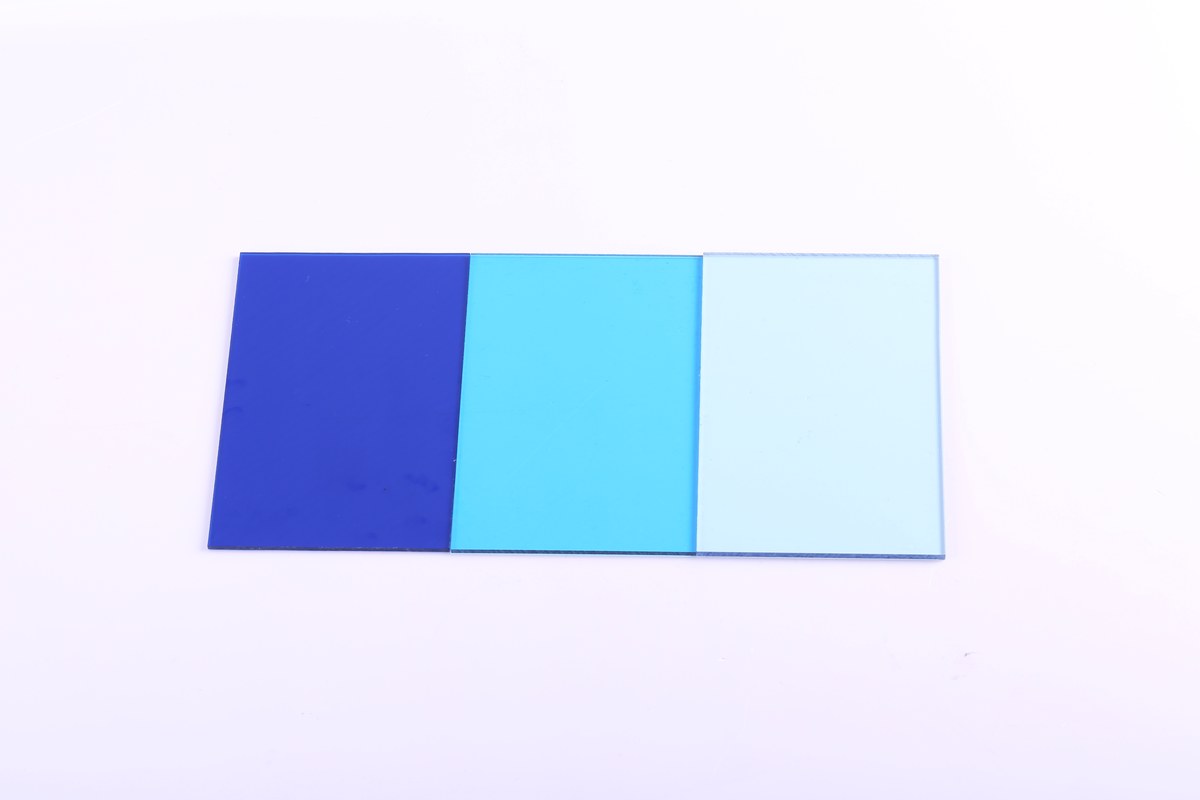
| Colors | Clear, opal / milky white, bronze, lake blue, grass green, red, orange, grey, black; custom on request |
| UV protection | Co-extruded UV layer, single or double side |
| Light transmission | Up to 89% (clear grades) |
| Impact resistance | 200-250x that of glass |
| Fire rating | UL94 V-0 to V-2, B1 |
| Weight | 1.2-7.2 kg/m² depending on thickness |
Common Applications
- Bus stop and transit advertising light boxes
- Storefront sign faces and channel letters
- Backlit menu boards and shopping mall signage
- Illuminated logo panels and fascia signs
- Vending machine and display front panels
Why Source from Jietai
We supply solid polycarbonate in the full industry range of thicknesses, widths and colors, so you are not locked into a single factory’s production line. Clear and opal diffuser grades are both available, panels can be cut to size, and UV protection is applied where outdoor longevity matters. Tell us the sign size, the lighting layout and where the box will be installed, and we will match the right sheet for the job.
Contact our team for a quote on clear and opal polycarbonate panels for your next light box or signage project.
Frequently Asked Questions
Which thickness should I use for a light box panel?
For small indoor signs, 2-4 mm is common; for larger outdoor transit light boxes exposed to impact and wind load, 4-6 mm or thicker is usual. We can advise based on panel size and mounting.
Can you supply opal sheets for even backlighting?
Yes. Opal and milky white diffuser grades are available in the standard thickness range and spread light evenly so LED hotspots do not show through.
Will solid polycarbonate yellow outdoors?
With a co-extruded UV layer, solid polycarbonate resists yellowing and keeps its clarity through years of outdoor exposure, which is why it is widely used in permanent outdoor signage.