Natural daylight is one of the most cost-effective ways to reduce energy consumption in commercial buildings. Warehouses, factories, shopping malls, and office atriums all benefit from skylights that let in sunlight while blocking heat and UV radiation. At the core of an effective daylighting system is the right glazing material — and multiwall polycarbonate sheets deliver the ideal balance of light transmission, thermal insulation, and structural durability that commercial projects demand.
Why Multiwall Polycarbonate for Skylights?
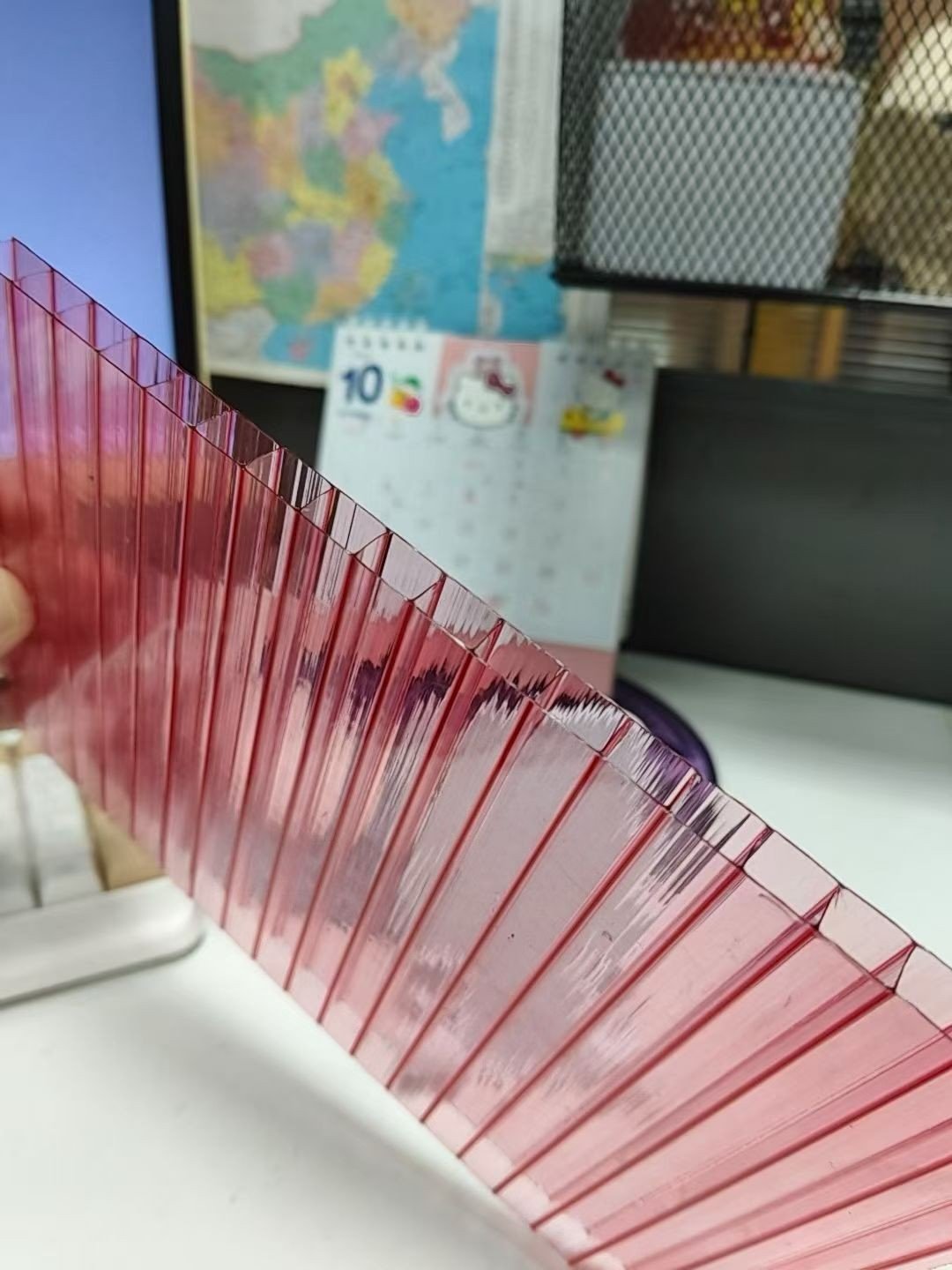
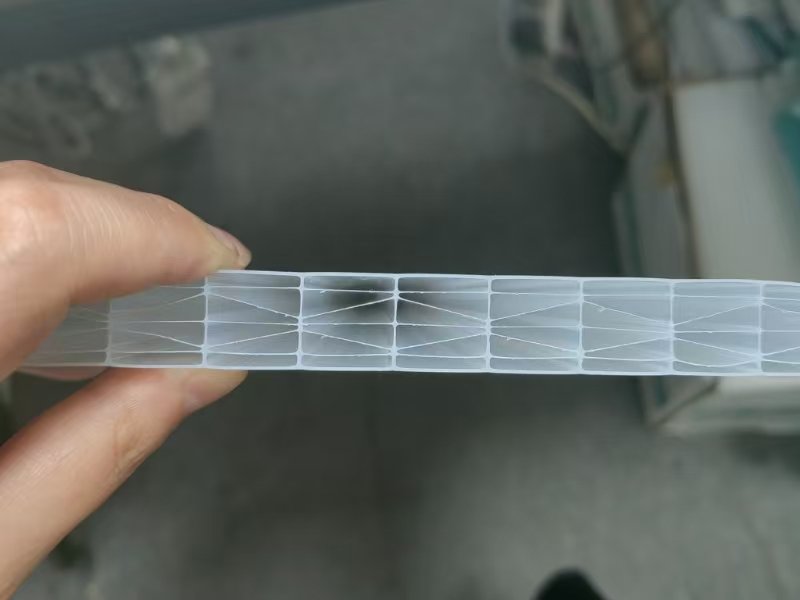
Multiwall polycarbonate sheets are structured panels with two or more parallel walls connected by internal ribs. This multi-chamber design creates an insulating air gap that significantly reduces heat transfer — a critical advantage for climate-controlled commercial spaces. Unlike single-layer materials such as glass or solid polycarbonate, multiwall sheets provide thermal insulation without sacrificing light transmission.
Key Features for Commercial Daylighting
- High Light Transmission (25-82%) — Multiwall PC sheets let through the right amount of natural light. Clear panels achieve up to 82% light transmission, reducing the need for artificial lighting during daytime hours. Translucent and opal options provide diffused light for glare-sensitive environments.
- Thermal Insulation (U-Value 1.5-3.9 W/m²·K) — The multi-chamber structure traps air between walls, creating a thermal barrier. Triple-wall and X-structure panels offer even higher insulation values, making them suitable for temperature-controlled warehouses and retail spaces where HVAC costs are a concern.
- UV Protection via Co-Extrusion — A 30-50μm UV protection layer is co-extruded onto one or both sides of the sheet during manufacturing. This prevents yellowing, embrittlement, and loss of light transmission over years of sun exposure. Without this layer, unprotected polycarbonate degrades within 3-5 years.
- Impact Resistance — Polycarbonate is 200-250 times stronger than glass of equivalent thickness. Multiwall sheets withstand hail, wind-borne debris, and accidental impacts that would shatter glass or crack acrylic. This reduces maintenance and replacement costs for commercial skylight systems.
- Lightweight Design — At 1.0-3.5 kg/m², multiwall sheets weigh a fraction of glass. This reduces the structural load on steel or aluminum support frames, allowing for lighter, more cost-effective framing designs without compromising safety.
Technical Specifications
| Parameter | Available Range |
|---|---|
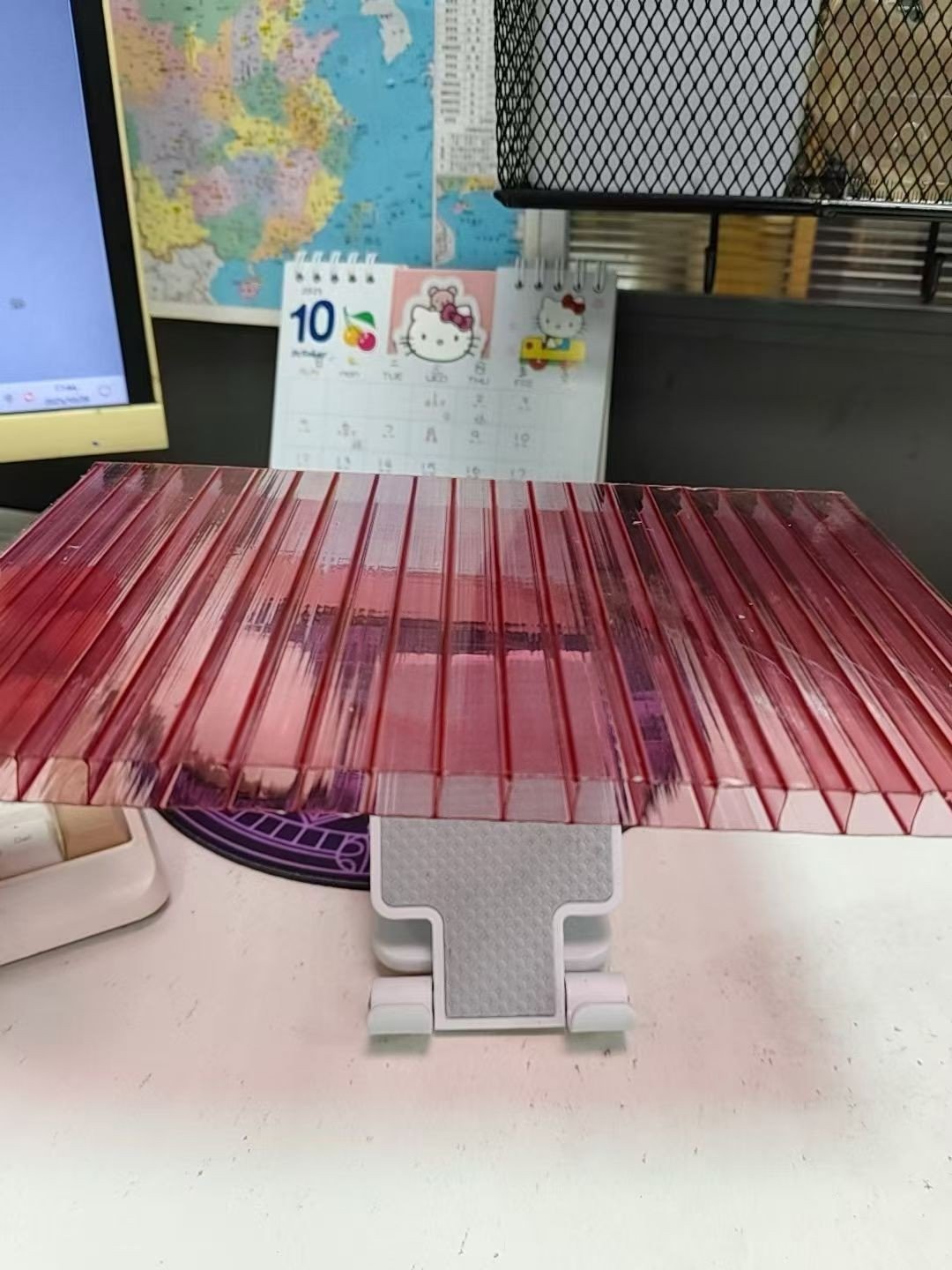
| Thickness | 4mm, 6mm, 8mm, 10mm, 12mm, 14mm, 16mm, 20mm, 25mm, 30mm |
| Structure | Twin-wall (2-wall), Triple-wall (3-wall), Four-wall (4-wall), Five-wall X-structure, Honeycomb |
| Width | 2100mm (standard); 1220mm, 1560mm, 1820mm available |
| Length | 6m standard; custom 1-12m available |
| Weight | 1.0-3.5 kg/m² |
| Light Transmission | 25-82% (varies by color and thickness) |
| U-Value | 1.5-3.9 W/m²·K |
| Fire Rating | B1, UL94 V-0 to V-2 |
| Temperature Range | -40°C to +120°C |
| UV Protection | Co-extruded UV layer, single or double side, 30-50μm |
| Colors | Clear, Opal, Lake Blue, Grass Green, Bronze, Red, Orange, Custom RAL |
Application Scenarios
Warehouse & Factory Skylights
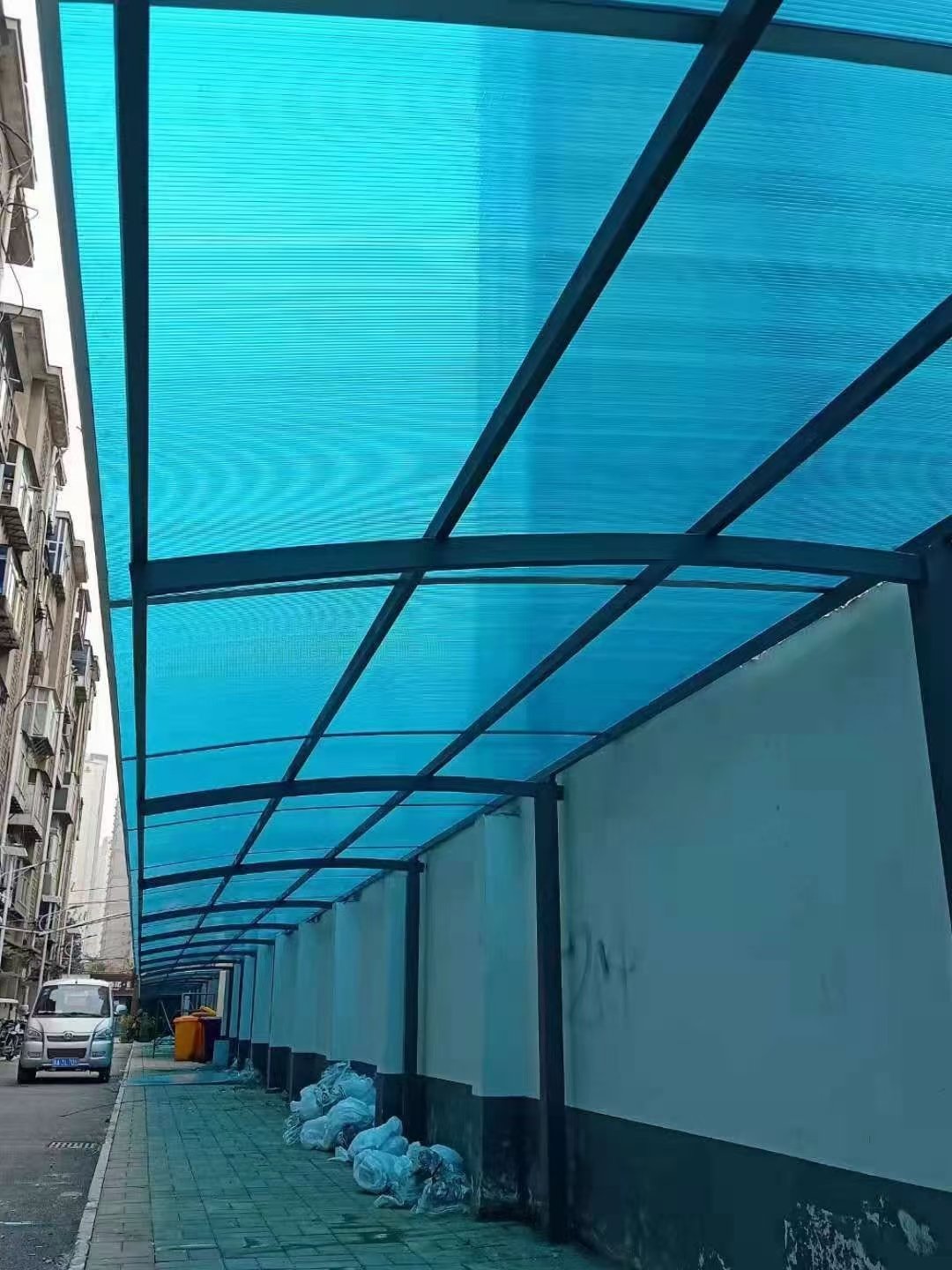
Large-span industrial buildings benefit most from multiwall daylighting. A 10mm or 12mm twin-wall sheet installed as continuous ridge or barrel-vault skylights can illuminate a 2,000m² warehouse floor during daylight hours, cutting lighting electricity costs by 40-60%. Triple-wall or four-wall panels add insulation for climate-controlled facilities.
Shopping Mall Atriums & Galleria Roofs
Retail environments use natural light to create inviting spaces that increase dwell time and sales. Multiwall sheets in opal or bronze tints diffuse sunlight evenly across wide atrium spans, eliminating harsh shadows and hot spots. The insulating properties keep air-conditioning costs manageable even under large glass-substitute roofs.
Office Building Daylighting
Modern office designs increasingly incorporate central atriums and light wells. Multiwall PC sheets in clear or lightly tinted options bring daylight deep into floor plans while meeting energy code requirements for roof glazing U-values. Five-wall X-structure panels provide the highest insulation for buildings targeting LEED or BREEAM certification.
Sports Facility & Gymnasium Roofs
Indoor sports venues need bright, even light without the glare that disrupts players. Opal multiwall sheets diffuse sunlight uniformly across courts and playing fields. The impact resistance protects against stray balls and equipment — a glass skylight in the same application would be a safety hazard.
Installation Considerations
- Thermal Expansion — Polycarbonate expands and contracts with temperature changes. Allow 3-5mm expansion gaps per meter of sheet length. Use slotted fixing holes and EPDM washers to accommodate movement without stressing the sheet.
- Orientation — Install sheets with internal ribs running in the direction of the roof slope for drainage. The UV-protected side (marked by protective film or printing) must face outward toward the sun.
- Minimum Slope — Skylight installations require a minimum slope of 5° (approximately 1:12) for proper water drainage. For low-slope applications, consult the manufacturer for sealing recommendations.
- Support Spacing — For standard 10mm twin-wall sheets, purlin spacing should not exceed 1,050mm. Thicker sheets (16mm+) can span up to 1,500mm between supports. Always refer to load tables for your specific panel and snow/wind conditions.
- Sealing & Accessories — Use compatible aluminum H-profiles for sheet joining, U-channels for edge finishing, and non-acidic silicone sealants. Anti-dust tape on open flute ends prevents insect intrusion and internal condensation buildup.
Frequently Asked Questions
How long do multiwall polycarbonate skylights last?
With proper UV protection (co-extruded layer), multiwall polycarbonate sheets typically last 10-15 years before significant yellowing or loss of light transmission occurs. Premium sheets with thicker UV layers can exceed 15 years. Regular cleaning and inspection of seals and fasteners extend service life further.
What thickness should I use for a commercial skylight?
For most commercial skylight applications, 10mm twin-wall is the minimum recommended thickness — it provides adequate structural strength for spans up to ~1m between supports. For larger spans or higher insulation requirements, 16mm triple-wall or 20mm four-wall panels are preferred. Cold-climate projects should use 20mm+ panels with U-values below 2.0 W/m²·K to prevent condensation and meet energy codes.
Can multiwall sheets replace glass in existing skylight frames?
Yes, multiwall polycarbonate is a common retrofit material for aging glass skylights. The sheets are significantly lighter (1/6 the weight of equivalent glass), so existing support structures usually have adequate capacity. However, the glazing bar system may need modification since multiwall sheets are thicker than single-pane glass. An on-site assessment by a qualified installer is recommended before proceeding with any retrofit project.
Do multiwall sheets block UV radiation?
Yes. The co-extruded UV protection layer blocks 98-99% of harmful UV radiation (290-380nm). This not only protects the sheet itself from degradation, but also protects merchandise, furnishings, and occupants underneath the skylight from UV exposure. Clear sheets still transmit visible light while blocking UV.
Why Choose Jietai for Your Skylight Project?
As an experienced supplier of polycarbonate sheets serving both domestic and international markets, we understand what commercial projects need: consistent quality, reliable specifications, and on-time delivery. Our multiwall polycarbonate sheets are sourced from established manufacturers with proven track records in commercial daylighting projects across Asia, the Middle East, and Europe.
We offer the full thickness range from 4mm economy panels to 30mm high-insulation panels, in twin-wall, triple-wall, four-wall, and honeycomb structures. Standard colors are available from stock, and custom RAL colors can be arranged for bulk orders. Every sheet undergoes quality inspection before dispatch, and we provide full technical documentation including load tables, U-value certificates, and fire rating reports.
Contact our team for a quote on your next commercial skylight or daylighting project. We’ll help you select the right sheet specification based on your span requirements, climate zone, and budget.