Interior wall cladding defines the character of a space. Architects and interior designers seeking a material that combines visual impact, durability, and design flexibility increasingly turn to interlocking polycarbonate panels as an alternative to traditional wall finishes such as paint, wallpaper, wood paneling, or glass.
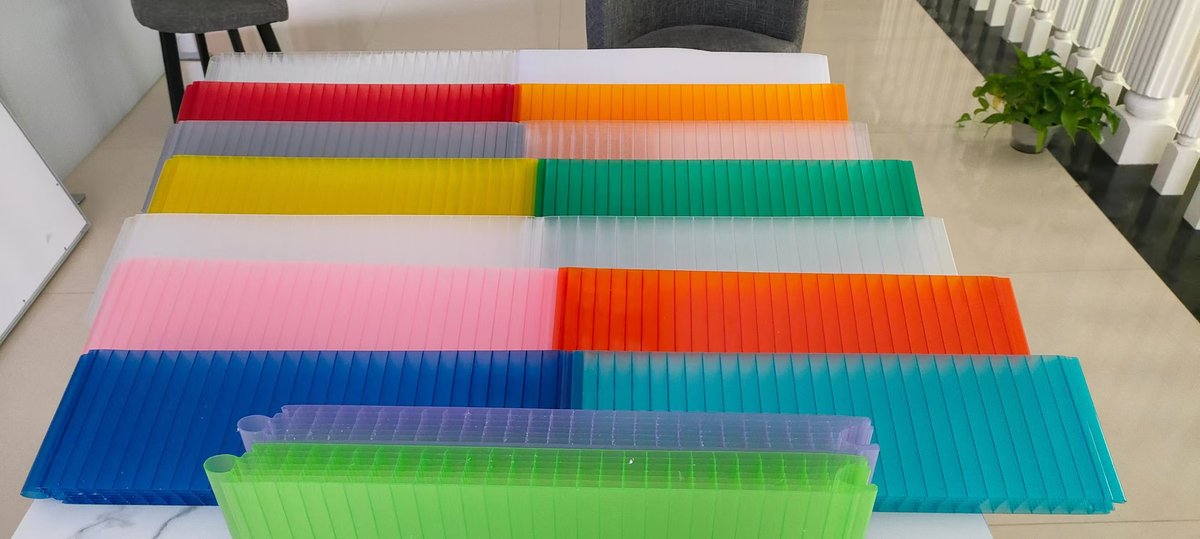
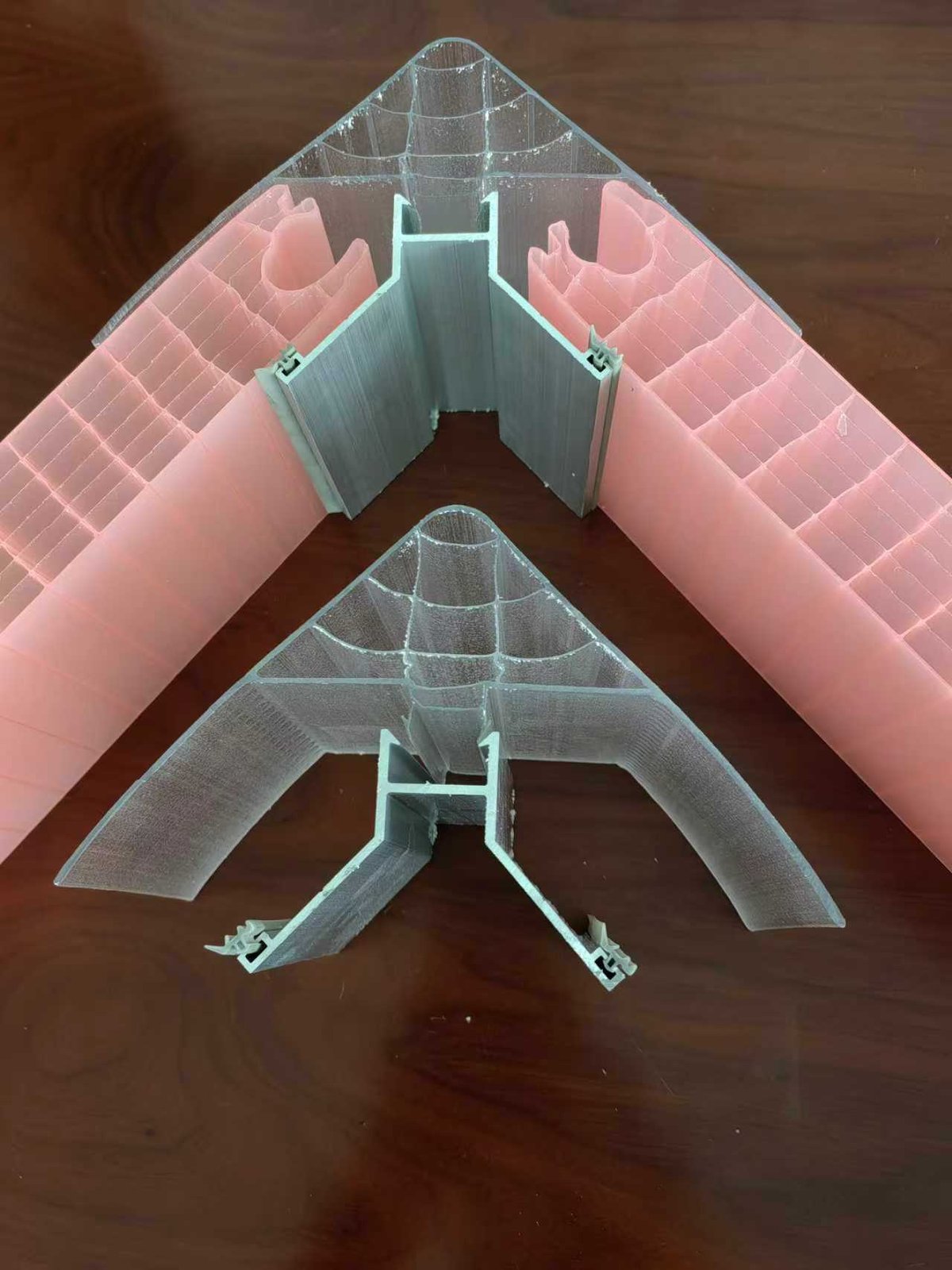
Interlocking polycarbonate panels are hollow multiwall sheets joined through a precision tongue-and-groove edge profile. Unlike conventional wall cladding materials that require adhesives, fasteners, or specialized tools for installation, these panels click together seamlessly to create a continuous, flush wall surface with no visible hardware. When applied as interior feature walls, lobby accent walls, or decorative room dividers, they introduce translucency, color, and texture while maintaining structural integrity and thermal performance.
Why Choose Interlocking PC Panels for Interior Wall Cladding?
The unique combination of physical properties makes interlocking polycarbonate an ideal material for interior decorative applications:
- Translucent Aesthetic — The multi-wall cellular structure diffuses light evenly across the panel surface, creating a soft, ambient glow when backlit. This makes interlocking panels an exceptional choice for lobby feature walls, reception backdrops, and illuminated brand walls where dramatic lighting effects are desired.
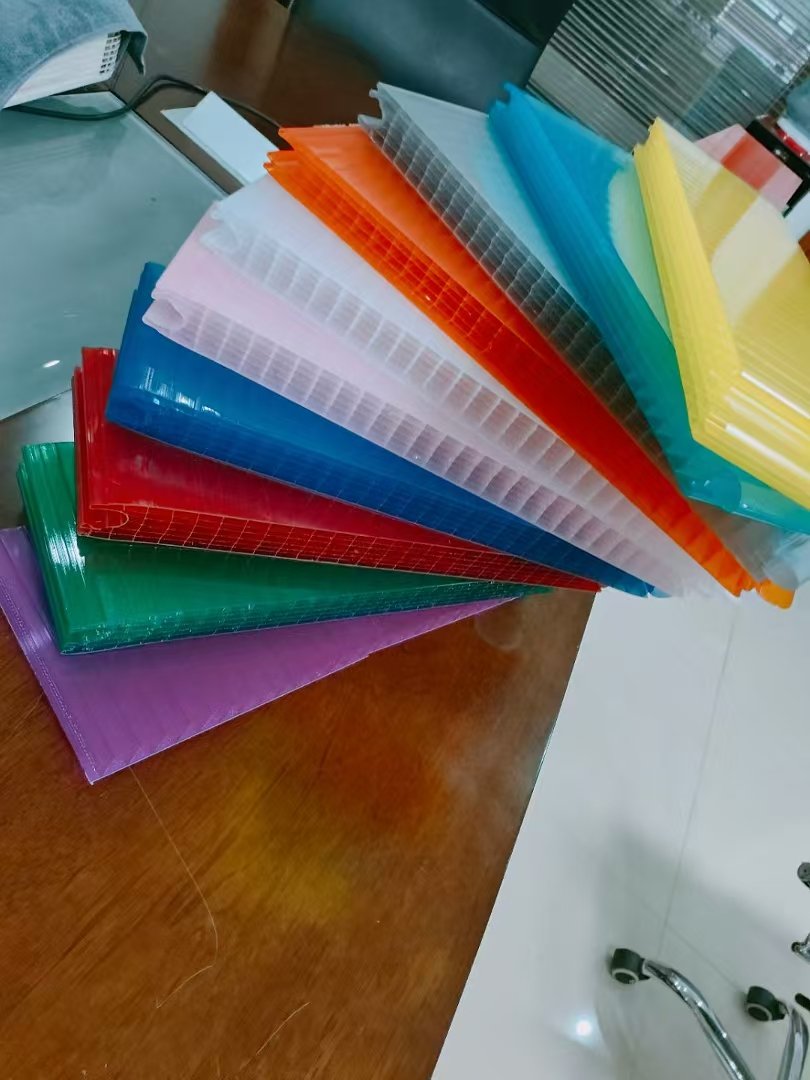
- Vibrant Color Options — Available in a wide spectrum including transparent, opal white, bronze, blue, green, yellow, pink, red, orange, and custom RAL colors. The color is integral to the panel material, not a surface coating, ensuring consistent appearance throughout the panel life.
- Impact Resistance — Polycarbonate is 200 times stronger than glass and significantly more impact-resistant than acrylic or traditional wall panels. In high-traffic commercial interiors such as hotel lobbies, retail spaces, and office corridors, this durability translates to lower maintenance and replacement costs.
- Lightweight Construction — At approximately 2.5-4.5 kg/m² depending on thickness, interlocking panels impose minimal load on interior walls and ceiling structures. This allows installation on lightweight partition frames without structural reinforcement.
- Design Flexibility — Panels can be cut to custom dimensions, combined in multi-color arrangements, and arranged in horizontal, vertical, or checkerboard patterns. The interlocking system allows panels to be removed and reconfigured, making it ideal for spaces that undergo periodic redesign.
Technical Specifications for Interior Cladding Applications
| Property | Specification |
|---|---|
| Panel Width | 500 mm (standard interlocking module) |
| Panel Thickness | 30 mm, 40 mm, 50 mm |
| Core Structure | 7-layer multiwall honeycomb |
| Standard Length | 6,000 mm (custom up to 12,000 mm) |
| Light Transmission | 12% to 82% depending on color and thickness |
| Fire Rating | B1 (DIN 4102) / Class 1 (BS 476) |
| Operating Temperature | -40°C to +120°C |
| UV Protection | Co-extruded UV layer on exposed side |
| Weight | 2.5 – 4.5 kg/m² |
Ideal Applications in Interior Design
Lobby and Reception Feature Walls
The lobby is the visual centerpiece of any commercial building. Interlocking polycarbonate panels create a dramatic first impression when used as a backlit feature wall behind reception desks. The translucent material diffuses ambient or LED backlighting to produce a uniform, sophisticated glow. Custom colors can be specified to match corporate branding or interior design themes, with panels arranged in layered, stepped, or geometric patterns for added visual depth.
Office Room Dividers and Partitions
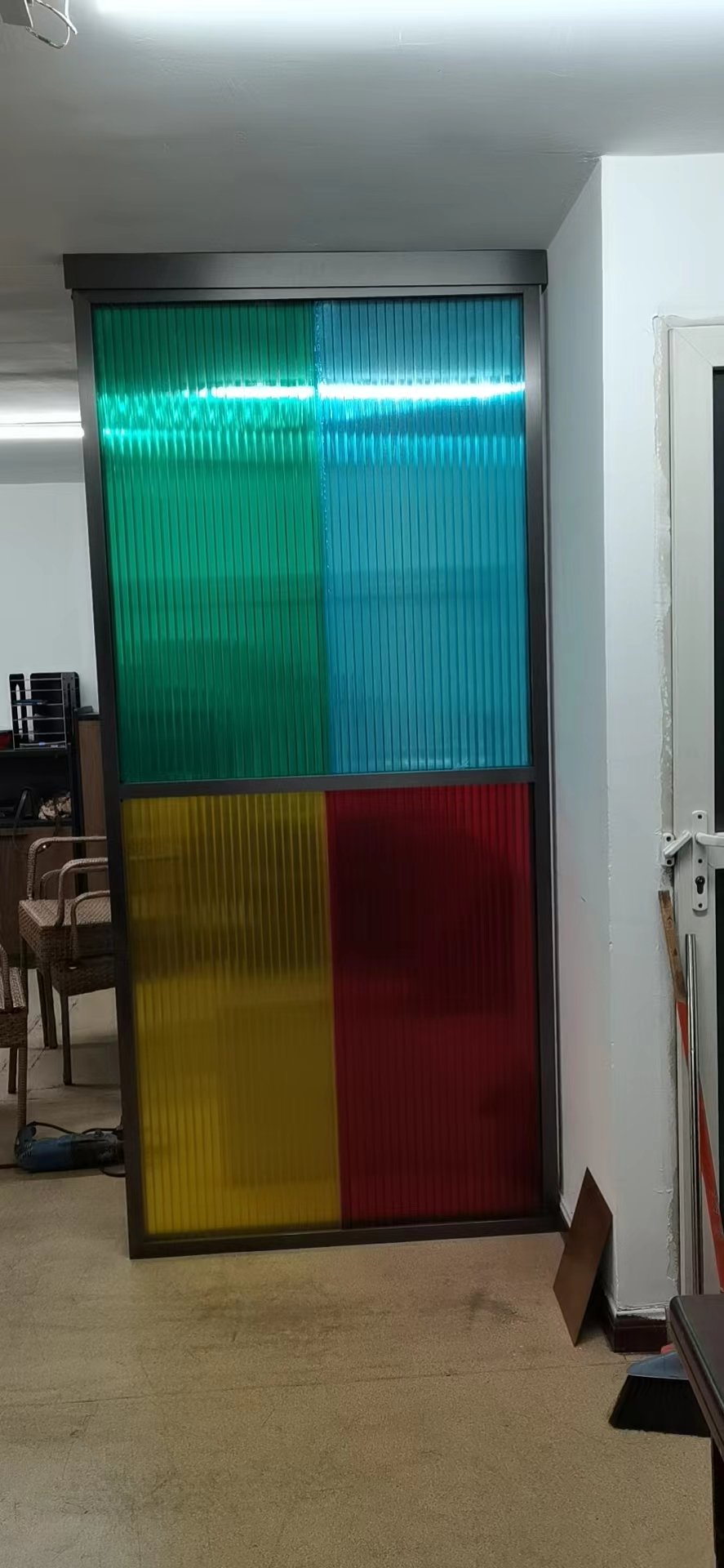
Modern open-plan offices require flexible space division that preserves an open, airy feel. Interlocking panels serve as semi-transparent dividers that define zones without blocking natural light. Opal white and frosted finishes provide visual privacy while maintaining brightness, eliminating the need for additional artificial lighting in partitioned areas.
Retail Store Displays and Brand Walls
Retail environments demand materials that attract attention and reinforce brand identity. Interlocking panels can be used as backdrop walls for product displays, fitting room partitions, or branded feature walls. The ability to combine multiple colors and create illuminated brand logos directly on the panel surface makes them a versatile tool for retail interior design.
Restaurant and Hospitality Interiors
Restaurants, cafes, and hotels use interlocking polycarbonate panels for decorative ceiling soffits, partition screens between dining areas, and accent walls in lounge spaces. The warm diffused light effect created by backlit colored panels enhances the ambiance and creates distinct dining zones without full-height walls.
Exhibition and Trade Show Booths
Temporary exhibition structures benefit from the modular, tool-free assembly of interlocking panels. The same panels used for booth walls can be disassembled and reconfigured for different shows, offering significant cost savings compared to custom-built display walls. The lightweight nature reduces transport costs and setup labor.
Installation for Interior Wall Cladding
Installing interlocking polycarbonate panels as interior wall cladding follows a straightforward process:
- Prepare the substructure — Aluminum U-channels or L-brackets are fixed to the existing wall or floor-to-ceiling framework at standard 600 mm intervals.
- Mount the first panel — The first panel is positioned vertically in the starting channel, ensuring it is plumb and level.
- Interlock subsequent panels — Each additional panel slides its male edge into the female groove of the previous panel. A rubber mallet can be used to ensure tight seams without damaging the material.
- Edge finishing — End caps, trim profiles, or silicone sealant is applied to exposed edges for a polished appearance.
- Optional backlighting — LED strip lights can be installed behind the panels before mounting, with wiring concealed within the substructure.
No adhesives, welding, or specialized tools are required. A single installer can typically complete 20-30 m² per day.
Comparison with Traditional Wall Cladding Materials
| Feature | Interlocking PC Panels | Glass Panels | Wood Paneling | Paint / Wallpaper |
|---|---|---|---|---|
| Weight | 2.5-4.5 kg/m² | 12-25 kg/m² | 8-15 kg/m² | N/A |
| Installation Speed | 1 day per 30 m² | 2-3 days | 2-4 days | 1-2 days |
| Impact Resistance | ★★★★★ Excellent | ★★★ Moderate | ★★★ Moderate | ★★ Low |
| Light Transmission | 12-82% | 85-90% | 0% | 0% |
| Reconfigurable | 100% reusable | Difficult | Not reusable | Not reusable |
| Maintenance | Wipe clean | Streak-prone | Requires sealing | Repaint/rewallpaper |
| Cost per m² | $25-45 | $80-150 | $40-100 | $5-30 |
Customization Options
- Color matching — Custom RAL color matching for brand-consistent interior design
- Surface finish — Gloss, matte, frosted, or textured finishes
- Panel thickness — 30 mm for standard feature walls, 40-50 mm for acoustic separation
- Custom dimensions — Panels pre-cut to project-specific heights and widths
- Backlighting integration — Designed to accommodate LED strip lighting behind panels
- Accessories — Aluminum channels, end caps, gaskets, and mounting clips
Frequently Asked Questions
Q: Can interlocking PC panels be used in wet areas like bathrooms or spas?
A: Yes. Polycarbonate is moisture-resistant and will not warp, rot, or delaminate in humid environments. Proper edge sealing is recommended for areas with direct water exposure.
Q: How do I clean interlocking wall panels?
A: Clean with mild soap and water using a soft cloth or sponge. Avoid abrasive cleaners, ammonia-based products, and scrubbing pads that may scratch the surface.
Q: Can the panels be painted or printed on?
A: Yes. Interlocking PC panels accept UV printing, screen printing, and vinyl graphics. For painted finishes, use paints specifically formulated for polycarbonate with proper surface preparation.
Q: Are fire-rated panels available for commercial interiors?
A: Yes. Our panels carry B1 (DIN 4102) and Class 1 (BS 476) fire ratings, making them suitable for commercial and public building interiors where fire safety compliance is required.
Q: Can I install these panels over existing wall finishes?
A: Yes. Because the panels are lightweight and mount onto a framework, they can be installed over existing drywall, tile, or concrete walls without demolition. The cavity behind the panels can also conceal wiring and insulation.
Why Choose Jietai for Interior Wall Cladding Panels
Shandong Jietai New Material Technology Co., Ltd. specializes in supplying high-quality interlocking polycarbonate panels for interior design applications worldwide. Our factory-direct pricing, consistent batch quality, and fast shipping ensure your project stays on schedule and on budget. We work with interior designers, architects, contractors, and building owners to deliver the right panel specifications for each unique space.
Contact our team for a quote on interlocking polycarbonate panels for your next interior design project. We provide free samples, technical datasheets, and installation guidance to help you achieve the perfect result.