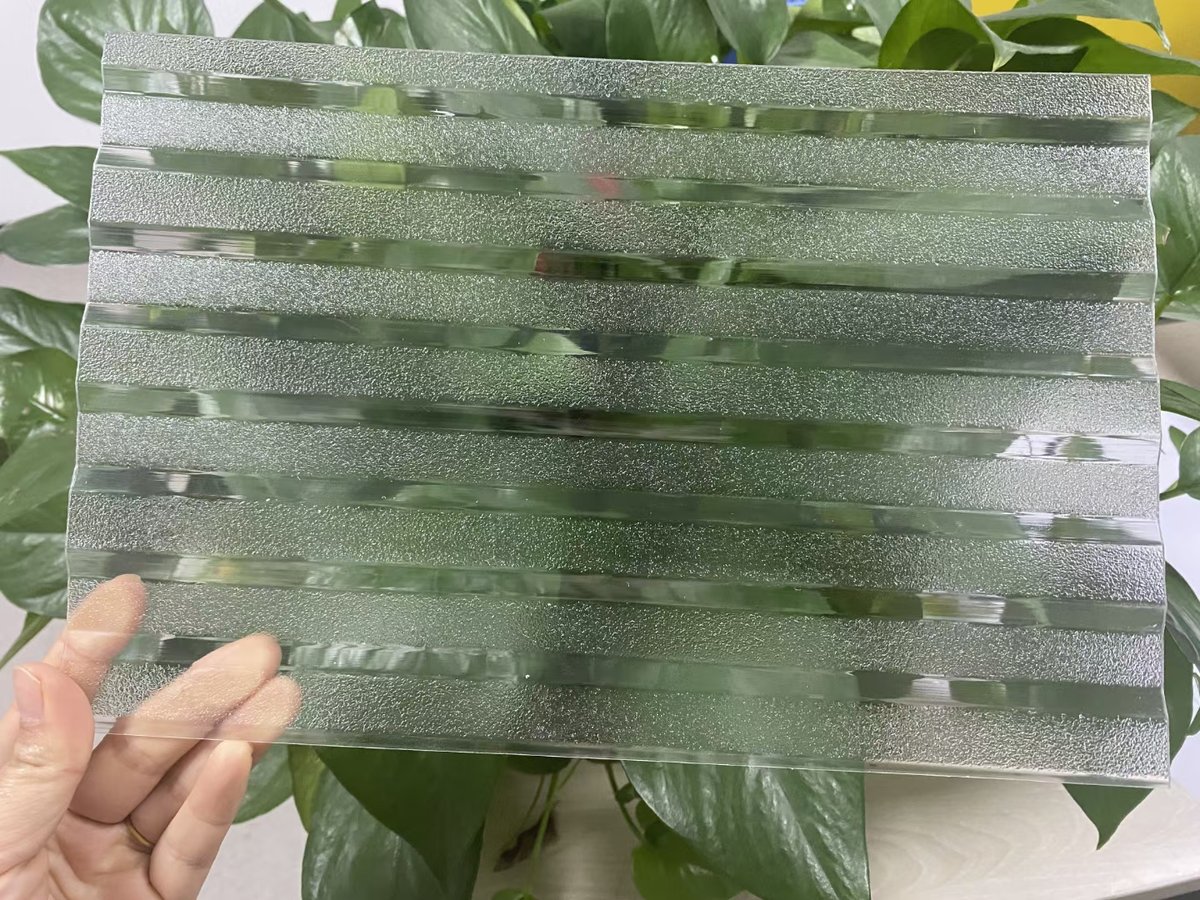
Bottom line: a light-diffusing polycarbonate sheet is an optical PC panel engineered to spread light from LED point sources into a soft, uniform illuminated surface. It is supplied in thicknesses from 0.5 mm to 12 mm and standard widths of 1220 mm, 1560 mm, 1820 mm and 2100 mm, in opal white plus translucent custom colours, with a light transmission of 60–88% and a haze of 60–95%. That combination hides individual LED dots and kills glare while keeping useful light output, which makes it the standard diffuser for panel lights, downlights, light boxes and backlit signage. This guide lists the complete thickness, width, transmission, haze and application data so you can specify the right diffuser grade.
What Is a Light-Diffusing Polycarbonate Sheet?
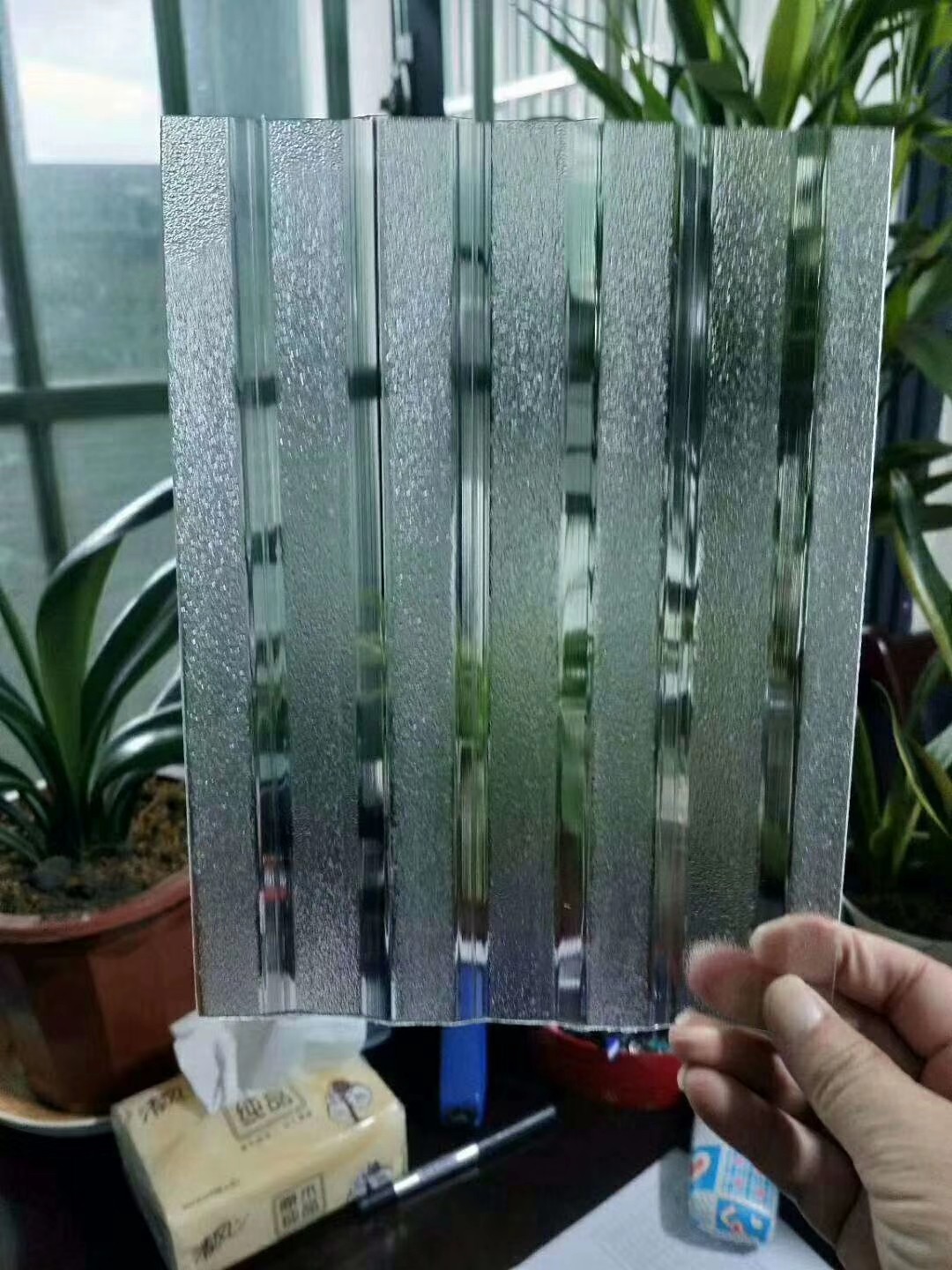
A light-diffusing polycarbonate sheet is a solid PC panel whose optical surface scatters transmitted light instead of passing it straight through. Where a clear PC sheet passes up to 89% of light in a single unbroken beam, a diffuser spreads that light evenly across the panel face, so the bright points of individual LEDs blur into one continuous glow. The panel keeps the core toughness of solid polycarbonate — roughly 200–250 times the impact strength of glass at about half the weight — which is why it is preferred over acrylic and PMMA diffusers for luminaires that must survive handling, shipping and installation.
Key Features
- Even diffusion: 60–88% light transmission with 60–95% haze, no LED hot spots
- High light output: keeps useful lumens while hiding the light source
- Glare control: soft, comfortable illumination without harsh bright points
- Impact resistance: roughly 200–250× the impact strength of glass
- Light weight: density around 1.2 g/cm³, about half the weight of glass
- Easy fabrication: cuts, drills, thermoforms and cold-bends like standard PC sheet
- UV option: co-extruded UV layer for outdoor-grade diffusers
How Light Diffusion Works: Opal vs Micro-Structure
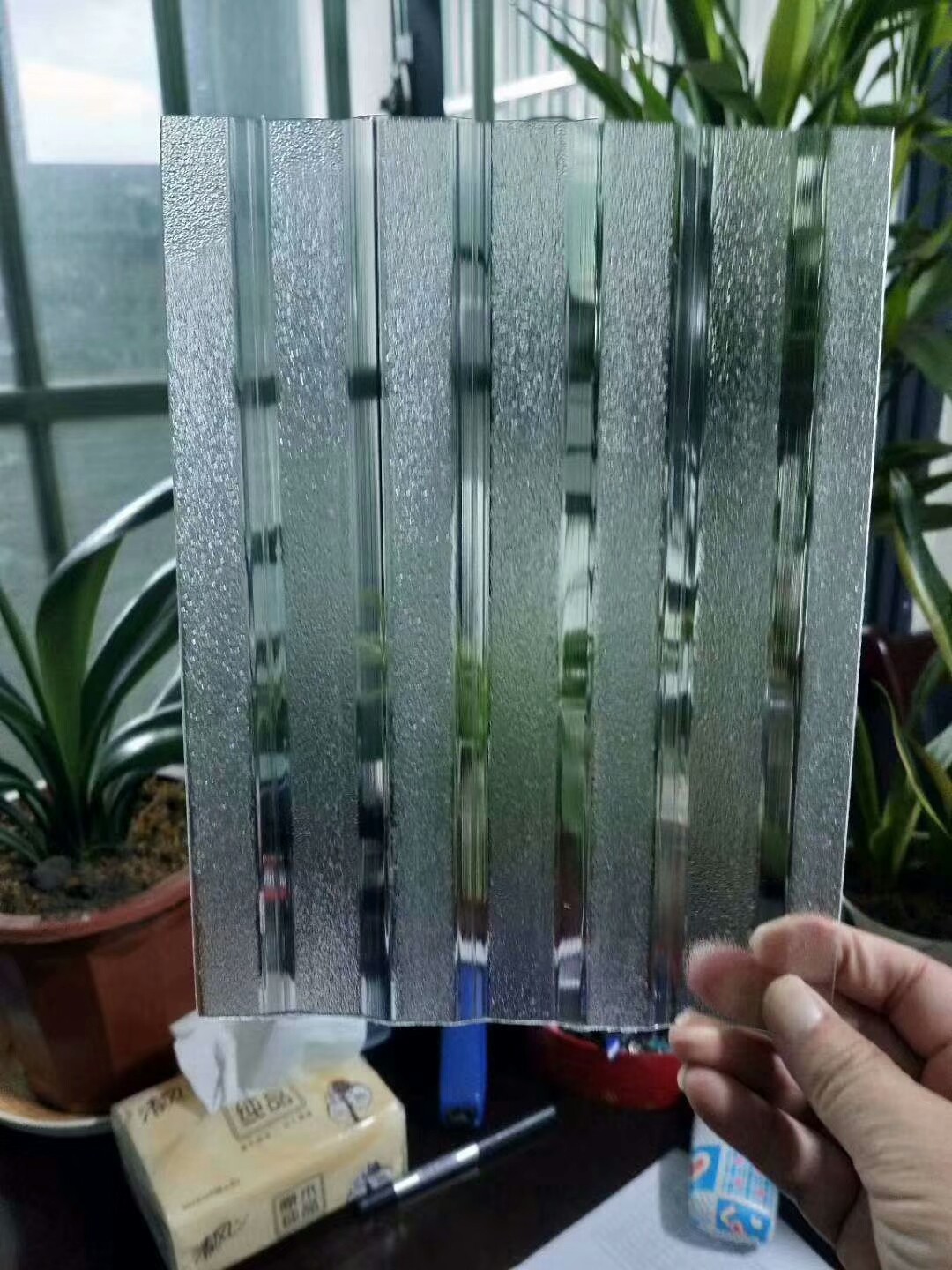
Two diffusion technologies cover most lighting projects, and they are often combined.
| Type | How it works | Best for |
|---|---|---|
| Opal-white additive | Diffusion particles mixed into the melt scatter light uniformly through the full sheet | LED panel lights, uniform backlighting, hot-spot hiding |
| Micro-structure (ribbed / reeded / pebbled) | A prismatic or textured surface refracts light at the face of the sheet | Light boxes, decorative lighting, privacy glazing |
Transmission and haze work together and should be specified as a pair. Transmission measures how much visible light gets through; haze measures how strongly that transmitted light is scattered. A high-haze opal grade (typically 90–94% haze at 82–88% transmission) is the workhorse for hiding LEDs, while a lower-haze micro-structured sheet suits applications where some visibility or a decorative pattern is wanted.
Technical Specifications
| Parameter | Range |
|---|---|
| Thickness | 0.5 / 1 / 1.5 / 2 / 2.5 / 3 / 4 / 5 / 6 / 8 / 10 / 12 mm |
| Standard width | 1220 mm, 1560 mm, 1820 mm, 2100 mm |
| Standard sheet size | 1220 mm × 2440 mm (4 ft × 8 ft); thin grades in rolls |
| Colour | Opal white (standard); translucent custom colours |
| Surface | Matte/matte, glossy/matte, fine matte, micro-prismatic (ribbed / reeded / pebbled), frosted |
| Light transmission | 60–88% (typical LED grade 82–88%) |
| Haze | 60–95% (typical LED grade 90–94%) |
| Density | ~1.2 g/cm³ |
| Impact strength | ~200–250× that of glass |
| Fire rating | UL94 V-2 to V-0 (per grade) |
| Operating temperature | −40 °C to +120 °C |
| UV protection | Co-extruded UV layer, single or double side (outdoor grade) |
Custom thicknesses, widths, colours and optical grades are produced on request. These are industry-standard ranges; as a manufacturer we match the exact transmission, haze and surface your luminaire needs.
Applications
| Application | Why light-diffusing PC |
|---|---|
| LED panel lights | Uniform backlight, hides LED dots |
| Downlights and ceiling lights | Soft even glow with no glare |
| Light boxes and illuminated signage | Even illumination across large faces |
| Backlit displays | Consistent brightness edge to edge |
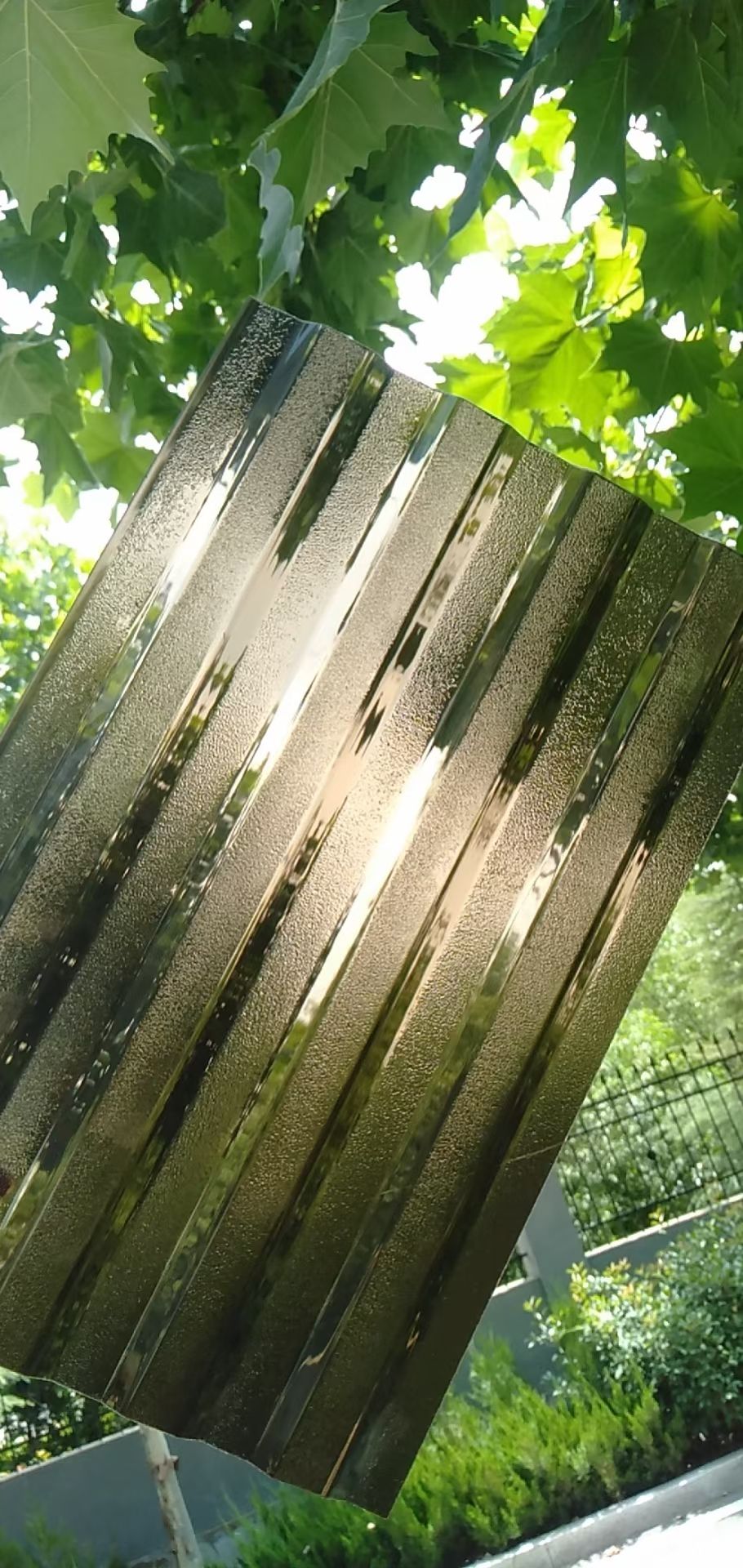
| Architectural and privacy glazing | Soft daylight with an obscured view |
Why Choose Jietai
As a polycarbonate sheet manufacturer, Jietai extrudes light-diffusing sheet in-house and can match opal-white or micro-structured grades, custom thicknesses, custom widths, and UV-stabilised outdoor grades to your luminaire. We supply standard sheets, rolls and cut-to-size diffuser panels. Contact our team for a quote, samples and current lead times.
Frequently Asked Questions
What is light-diffusing polycarbonate sheet used for?
It is used wherever an LED light source must be turned into soft, uniform illumination – mainly LED panel lights, downlights and ceiling lights, light boxes and illuminated signage, backlit displays, and architectural or privacy glazing that scatters daylight.
What is the difference between light transmission and haze?
Transmission measures how much visible light passes through the sheet, while haze measures how strongly that transmitted light is scattered away from its original direction. High transmission keeps the luminaire efficient; high haze hides LED dots and reduces glare, so the two are specified together.
Will a diffuser sheet hide LED hot spots on its own?
Not always. Hiding power also depends on LED spacing, the distance from the LED board to the diffuser, and luminaire depth. A high-haze grade hides sources best, but the full optical stack should be tested together for uniform output.
What thickness of light diffuser sheet should I choose?
0.5-1 mm suits thin luminaire covers and light boxes; 1.5-3 mm balances rigidity and optical performance for larger panels; 4-6 mm suits structural lighting covers; and 8-12 mm is used for thick architectural diffuser panels. Optical performance must be confirmed at the chosen thickness.
Can light-diffusing polycarbonate sheet be used outdoors?
Yes. With a co-extruded UV layer on one or both sides, light-diffusing PC resists yellowing and weathering, so an outdoor grade works for illuminated signage, architectural glazing and exterior luminaires.