Polycarbonate sheet resists dilute acids, most alcohols, neutral salt solutions, aliphatic hydrocarbons and mineral oils at room temperature — but ketones such as acetone and MEK, aromatic hydrocarbons such as toluene and xylene, chlorinated solvents and strong alkalis such as ammonia and sodium hydroxide will haze, craze or dissolve it. This page gives you a complete compatibility chart plus safe cleaning rules, so you can choose a cleaner, sealant and adhesive that will not damage the panel.
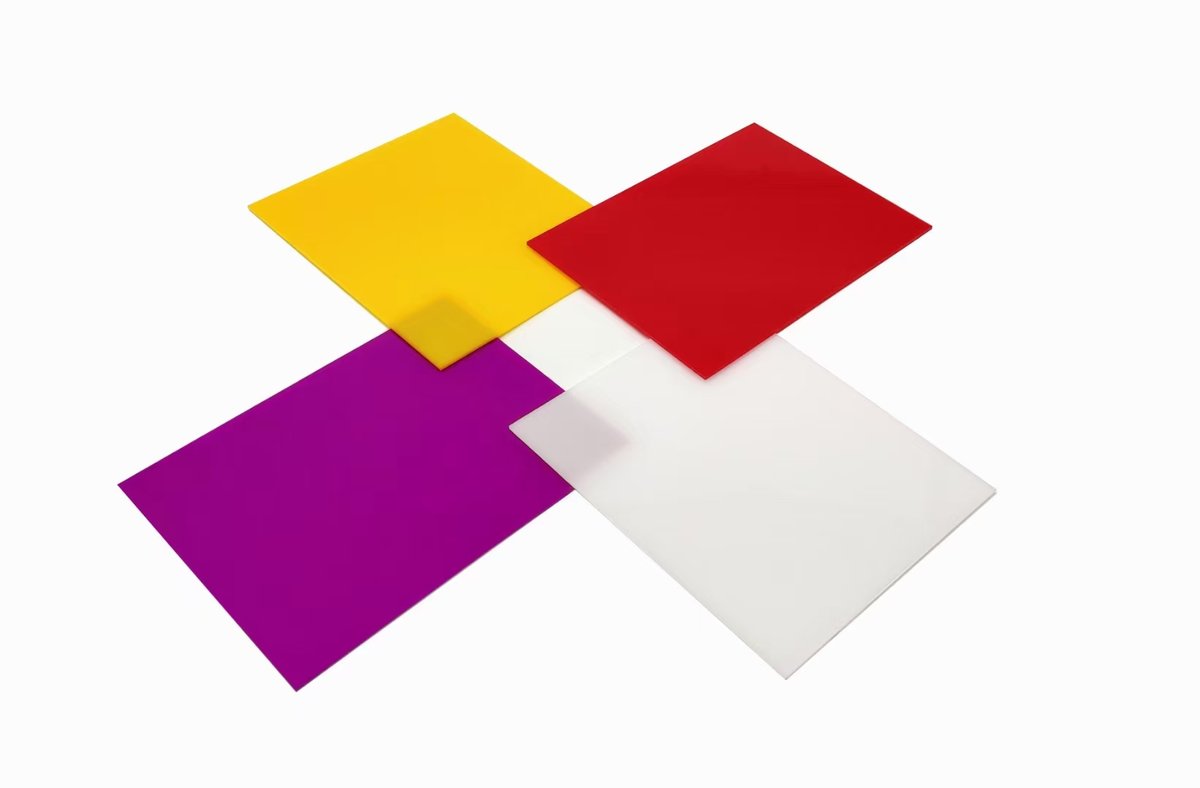
Both are covered in our range — our cleaning and maintenance guide and our multiwall range — so you can move from this guide to the product page or spec sheet in one click.
Why polycarbonate reacts the way it does
Two properties shape polycarbonate chemical resistance. The carbonate bond along the polymer chain is slowly broken by hot water, steam and alkaline solutions through hydrolysis, which shortens the chains and turns a once-tough sheet brittle. At the same time, polycarbonate is amorphous — it has no crystalline barrier — so solvents penetrate the surface and drive environmental stress cracking (ESC): fine crazing that starts at drilled holes, cut edges and tight clamping points. The practical result is that a sheet which sits undamaged in water or dilute acid can crack within days once it is bent, bolted or glued while exposed to even a mild solvent.
Five factors that decide the result
Chemical resistance is not a single number. The same chemical can be harmless or destructive depending on five conditions:
- Stress — a clamped or bent panel cracks far sooner than a free sheet.
- Temperature — a chemical tolerated at 20 °C may attack at 60 °C.
- Exposure time — brief splash contact is safer than long immersion.
- Concentration — a 10% acid is harmless; concentrated acid etches the surface.
- Chemical type — the deciding factor in the chart below.
Polycarbonate chemical compatibility chart
The table below is based on immersion testing under ASTM D543 and ISO 175 and on published manufacturer data. Ratings assume an unstressed sheet at room temperature; add stress or heat and the rating drops one or two levels.
| Chemical class | Common examples | At 20–23 °C | Above 60 °C |
|---|---|---|---|
| Dilute mineral acids | HCl (up to 10%), H2SO4 (up to 10%), HNO3 (up to 20%), H3PO4 (up to 10%) | Excellent | Good to limited |
| Concentrated mineral acids | Concentrated HCl, H2SO4 (above 60%), concentrated HNO3 | Limited | Not resistant |
| Organic acids | Acetic, citric, lactic, tartaric acid | Good | Limited |
| Neutral and acidic salts | NaCl, CaCl2, Al2(SO4)3 | Excellent | Excellent |
| Alcohols (C2 and higher) | Ethanol, isopropanol, butanol, glycerol | Excellent | Good |
| Methanol | Methyl alcohol | Not resistant | Not resistant |
| Aliphatic hydrocarbons | Hexane, mineral spirits, white spirit | Good | Limited |
| Aromatic hydrocarbons | Benzene, toluene, xylene | Not resistant | Not resistant |
| Ketones | Acetone, MEK, MIBK | Not resistant | Not resistant |
| Esters | Ethyl acetate | Not resistant | Not resistant |
| Chlorinated solvents | Methylene chloride, chloroform, carbon tetrachloride | Not resistant | Not resistant |
| Strong bases | NaOH, KOH, ammonia, amines | Not resistant | Not resistant |
| Oils and greases (pure petroleum) | Mineral oil, hydraulic oil, silicone oil | Excellent | Good to limited |
| Fuels | Gasoline, diesel | Not recommended | Not resistant |
| Water | Distilled water, salt water | Excellent | Limited (hydrolysis above 60–70 °C) |
| Mild detergents | Neutral soap, weak detergent solution | Compatible | — |
Cleaners: what to use and what to avoid
| Safe to use | Avoid |
|---|---|
| Warm water with mild soap | Abrasive or scouring cleaners |
| Diluted neutral detergent | Strongly alkaline cleaners (ammonia-based, caustic soda) |
| Soft cloth or sponge | Steel wool, brushes, razor blades, scrapers |
| Isopropanol (test on an off-cut first) | Acetone, MEK and other ketones |
| Rinse with clean water, dry with a lint-free cloth | Aromatic or chlorinated solvents (toluene, xylene, methylene chloride) |
Clean in the shade with warm water and a mild soap or a diluted neutral detergent, wipe with a soft cloth or sponge, rinse with clean water and dry with a lint-free cloth. Never scrub with abrasives, steel wool or scrapers, and never clean a sheet sitting in direct sunlight.
Where chemical resistance matters in practice
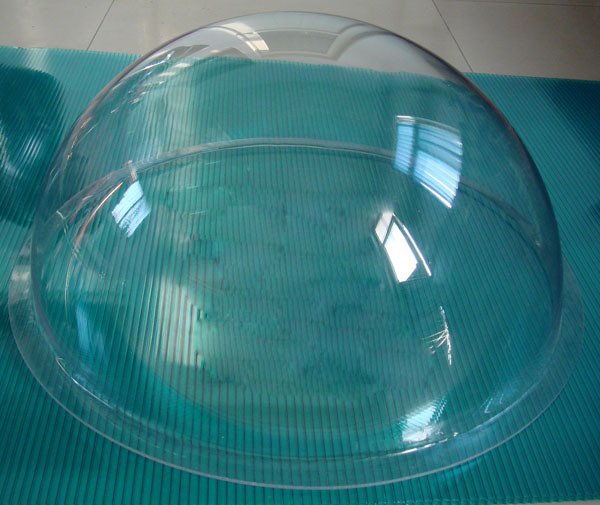
Chemical resistance decides which glazing survives which environment. Transparent polycarbonate machine guards and splash shields protect operators from cutting fluid, oil and chemical splashes while keeping the work visible — which is why the material is standard for machine guards, laboratory safety screens and food-processing partitions.
Elsewhere the rules are just as practical: a greenhouse washed with dilute detergent is fine, but a panel glued with a solvent-based adhesive, wiped with acetone or exposed to a strong ammonia cleaner will craze at the fixings. Choose sealants, gaskets and adhesives rated compatible with polycarbonate, and remember that the co-extruded UV protection layer on multiwall and corrugated sheet is more sensitive to solvents than bare polycarbonate — test any cleaner on an off-cut first.
Frequently asked questions
Is polycarbonate resistant to acetone?
No. Acetone and other ketones (MEK, MIBK) attack polycarbonate and cause rapid crazing and stress cracking. Keep nail-polish remover, ketone-based cleaners and solvent adhesives away from a polycarbonate panel.
What chemicals damage polycarbonate sheet?
The worst offenders are ketones (acetone, MEK), aromatic hydrocarbons (toluene, xylene, benzene), chlorinated solvents (methylene chloride, chloroform) and strong alkalis such as ammonia and caustic soda. Concentrated mineral acids and methanol also attack the sheet.
Is polycarbonate resistant to acid?
Dilute mineral acids are safe at room temperature: up to 10% hydrochloric acid, 10% sulfuric acid, 20% nitric acid and 10% phosphoric acid cause little or no effect. Concentrated acids etch and degrade the surface and should be avoided.
Can I clean polycarbonate sheet with alcohol?
Most alcohols, including ethanol and isopropanol, are compatible with bare polycarbonate, but methanol is not. On the UV-protected side of multiwall and corrugated sheet, avoid alcohol cleaners and test any cleaner on an off-cut first.
How do I clean polycarbonate sheets safely?
Wash with warm water and a mild soap or a diluted neutral detergent, wipe with a soft cloth or sponge, rinse with clean water and dry with a lint-free cloth. Avoid abrasive pads, steel wool, scrapers and any aromatic or ketone solvent, and do not clean a sheet in direct sunlight.
As a factory-direct polycarbonate sheet manufacturer, we supply solid, multiwall and corrugated sheet with a co-extruded UV protection layer and can recommend cleaners, sealants and gaskets for your specific environment. Contact our team for a quote, a sample or a technical data sheet.
Not sure which chemicals are safe on polycarbonate?
Send us four things and we’ll come back with the right sheet type, thickness and fixing details — plus a reference project for the same application:
- What the project is — roofing, canopy, partition, skylight, or signage
- Size — sheet dimensions or total area in m²
- Quantity — sheets or square metres
- Destination country or port
Related on this site
- All Outdoor Materials — roofing, cladding, glazing, canopies

